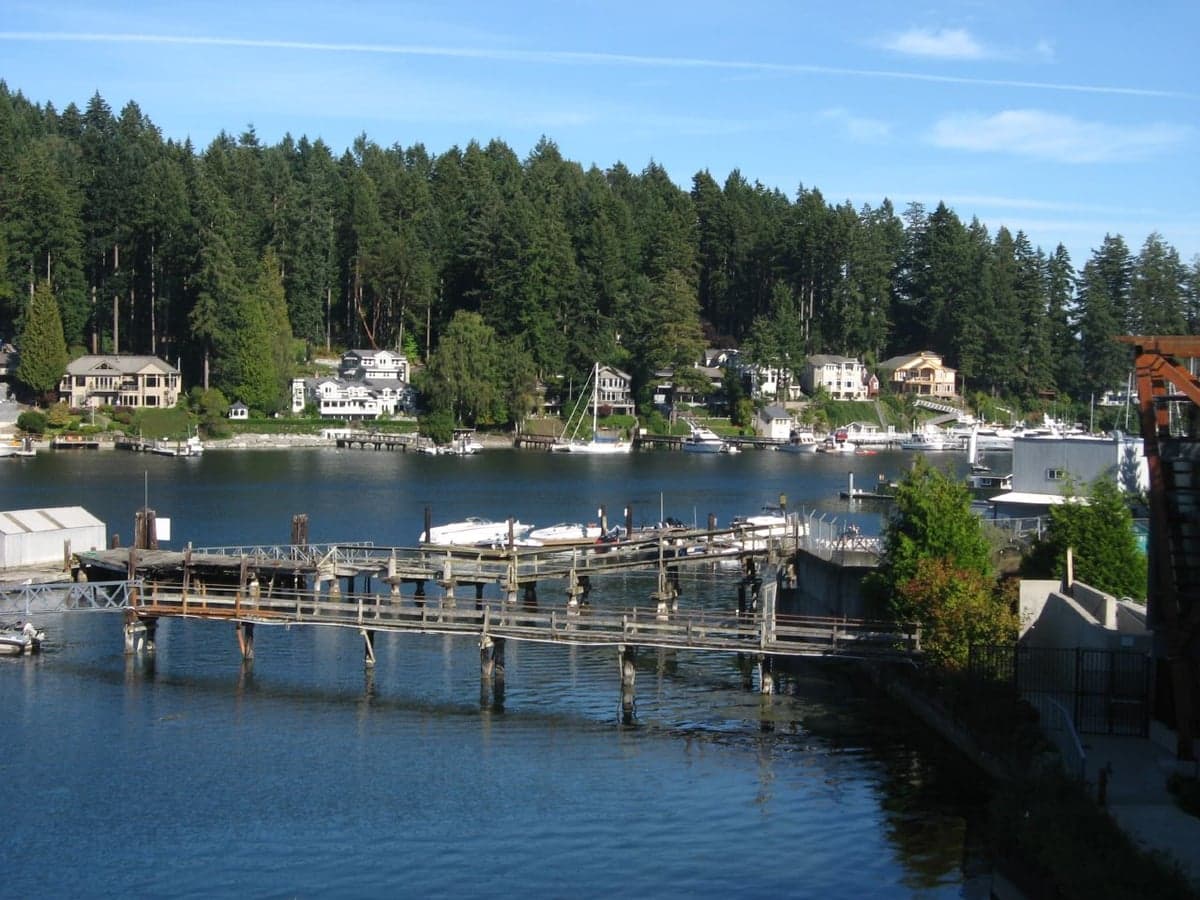
Photo: Wikipedia
Quality of Life in Gig Harbor, WA
A high quality of life with strong walkability, manageable living costs, healthy neighborhood signals, and solid amenity access.
What does Quality of Life tell us?
Quality of Life blends cost of living, nearby amenities, socioeconomic signals, and neighborhood character. City-level scores represent the whole municipality; individual neighborhoods can differ.
What does this tell us?
Quality of Life blends cost of living, nearby amenities, socioeconomic signals, and neighborhood character. City-level scores represent the whole municipality; individual neighborhoods can differ.
Cost of Living
106% above national average
The Real Cost of Living in Gig Harbor, WA for 2026
| Tier | Individual | Family (4) |
|---|---|---|
| Survival | $33k | $63k |
| Comfortable | $133k | $196k |
| Luxury | $192k+ | $297k+ |
| Elite (Top 5%) | $235k+ | $365k+ |
54%
The Area Signal
A metric tracking the socioeconomic signals of the area.
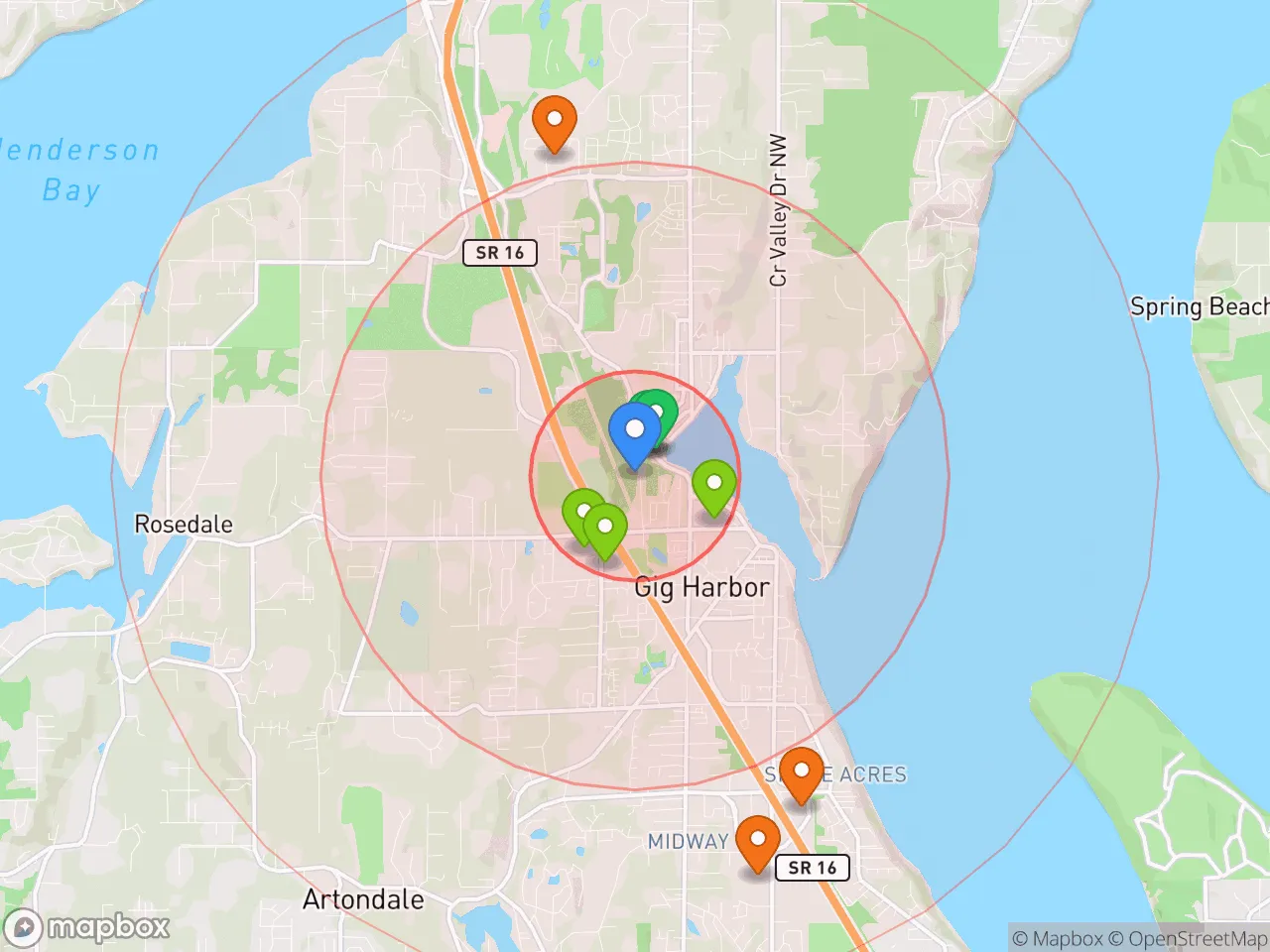
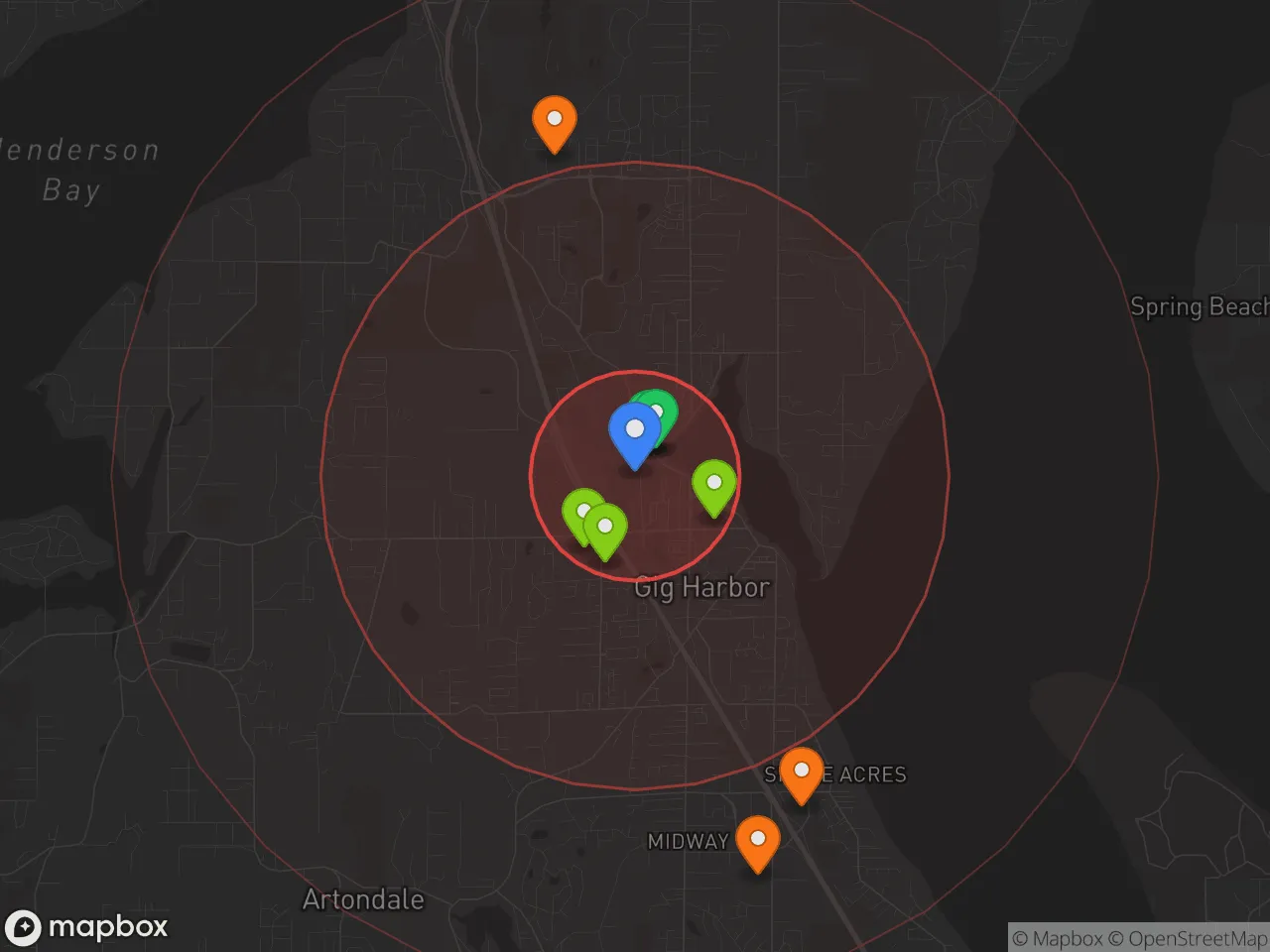
Hobbies
Explore the areaGroceries
0 within 10 miles
Gas
0 within 10 miles
Hospital
0 within 20 miles
Airport
SEA — Seattle–Tacoma International
Post Office
Critical Amenities
Quality-of-Life Analysis
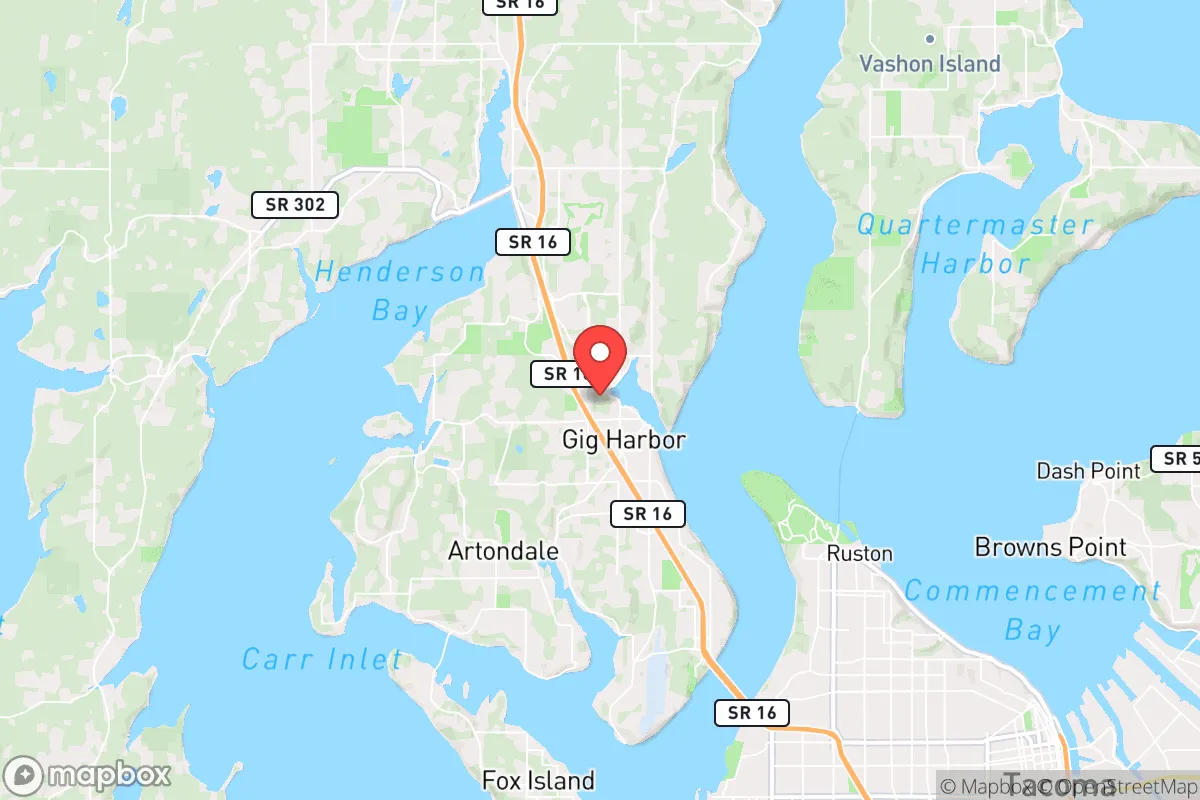
Gig Harbor, Washington, is an affluent waterfront community on the Kitsap Peninsula, known for its historic downtown, maritime heritage, and proximity to Tacoma and Seattle. With a cost of living index of 206 (more than double the U.S. average), the city attracts professionals, retirees, and families who prioritize scenic beauty, low crime, and strong schools over urban affordability. The population skews older and wealthier than the national median, with many residents working in healthcare, technology, or commuting to the Puget Sound region’s major employment hubs.
Cost of living, housing, and affordability compared to Tacoma and Seattle
Gig Harbor’s cost of living is among the highest in Washington, driven primarily by housing. The median home value sits at $686,000, significantly above the national median of roughly $350,000, though still below Seattle’s median of around $850,000. Median rent is $2,097, which is about 30% higher than the national average but comparable to Tacoma’s rental market. For buyers, the trade-off is clear: Gig Harbor offers larger lots, quieter neighborhoods, and better school ratings than similarly priced areas in Pierce County. However, the lack of affordable multifamily housing means renters and first-time buyers often look to nearby Port Orchard or Bremerton for lower entry points. Property taxes in Pierce County are moderate (around 0.9% of assessed value), but homeowners insurance and utility costs are in line with state averages. The average commute of 29 minutes is manageable for those working in Tacoma (20–25 minutes via Highway 16) but stretches to 45–60 minutes for Seattle-bound commuters using the Tacoma Narrows Bridge and I-5.
What daily life is like for families: schools, amenities, and recreation
Daily life in Gig Harbor revolves around its walkable downtown waterfront, the 2.5-mile Cushman Trail, and a calendar of community events like the Maritime Gig Festival and farmers markets. The Peninsula School District is a major draw, with Gig Harbor High School and Peninsula High School both earning 8/10 ratings on GreatSchools and strong Advanced Placement participation. Families also benefit from the city’s low violent crime rate (roughly 60% below the national average) and a network of parks including Kopachuck State Park and the 1,200-acre McCormick Forest Park. Retail and dining are concentrated along Point Fosdick Drive and the historic waterfront, with chains like Trader Joe’s and local staples like the Tides Tavern. For healthcare, St. Anthony Hospital in Gig Harbor and MultiCare Tacoma General are within 15–20 minutes. The city lacks a major public transit system, so a car is essential; the Kitsap Transit bus service connects to the Bremerton ferry terminal for Seattle commuters.
Gig Harbor is best suited for families, remote workers, and retirees who value safety, outdoor recreation, and strong schools and can absorb the high housing costs. Professionals commuting to Tacoma or Bremerton will find the commute reasonable, while those working in Seattle should weigh the ferry schedule or consider hybrid arrangements. The city’s small-town feel and limited nightlife may deter young singles or renters seeking urban energy, but for those who prioritize a quiet, scenic, and well-resourced community, Gig Harbor delivers a high quality of life at a premium price.

Crime in Gig Harbor, WA
Generally safer than 61% of comparable U.S. locations.
Violent CrimeViolent Crime Analysis
Property CrimeProperty Crime Analysis
Crime Analysis
Gig Harbor, Washington, is a relatively safe small city compared to national averages, but its crime landscape reflects the broader challenges of the Puget Sound region. With a violent crime rate of 281.6 per 100,000 residents and a property crime rate of 2,346.3 per 100,000, the community faces risks that are notably lower than nearby Tacoma or Seattle, yet still warrant attention from prospective residents. The city's safety profile is shaped by its suburban character, but also by the progressive judicial policies of Pierce County, which can influence how crime is prosecuted and managed.
Crime in context
Gig Harbor's violent crime rate of 281.6 per 100,000 is approximately 24% lower than the national average of roughly 370 per 100,000, and significantly below Washington state's rate of about 340 per 100,000. Property crime, however, at 2,346.3 per 100,000, sits close to the national average of 2,200 per 100,000 and is slightly above the state median. These figures place Gig Harbor in a middle tier among Pierce County communities—safer than Lakewood or Tacoma, but not as insulated as some smaller inland suburbs. The presence of progressive district attorneys and judges in the broader metro area, who often prioritize diversion programs and reduced sentencing, can lead to higher recidivism and more property crime spillover from nearby urban centers.
What residents experience
Daily life in Gig Harbor feels secure for most residents, with the most common issues being theft from vehicles, package theft, and occasional burglaries in residential neighborhoods. Violent incidents are rare but not unheard of; the city typically records a handful of aggravated assaults and robberies each year, often connected to domestic disputes or isolated incidents rather than random street crime. The Gig Harbor Police Department maintains a visible presence, and community engagement through neighborhood watch programs is active. However, residents should be aware that the progressive criminal justice policies of Pierce County, including reduced jail populations and early release programs, can result in repeat property offenders cycling through the area. This is a particular concern for those living near major arterials like Highway 16 or the downtown waterfront, where transient populations occasionally pass through.
Neighborhood-level variation is notable. Areas west of the Tacoma Narrows Bridge, such as the Artondale and Rosedale districts, tend to have lower crime rates due to lower population density and fewer commercial targets. In contrast, the downtown core and areas near the Gig Harbor Village shopping center see higher property crime, especially vehicle break-ins and shoplifting. The Canterwood and North Creek gated communities report the lowest incident rates, while neighborhoods closer to the city limits with Tacoma, like those near 38th Avenue NW, experience slightly elevated risks. Prospective buyers should check specific street-level crime maps and consider that even in a safe city, proximity to a large metro area with progressive justice policies means crime prevention requires proactive measures like security cameras and neighborhood vigilance.
* Values derived from national, state, county, city and local statistics and may differ in a specific area. Last updated: 2026-11-15T00:00:33.000Z
Narrative content on this page is AI-generated and may contain mistakes. Verify any details that matter before acting on them.
ReloMaps may earn a commission from affiliate links at no extra cost to you.

