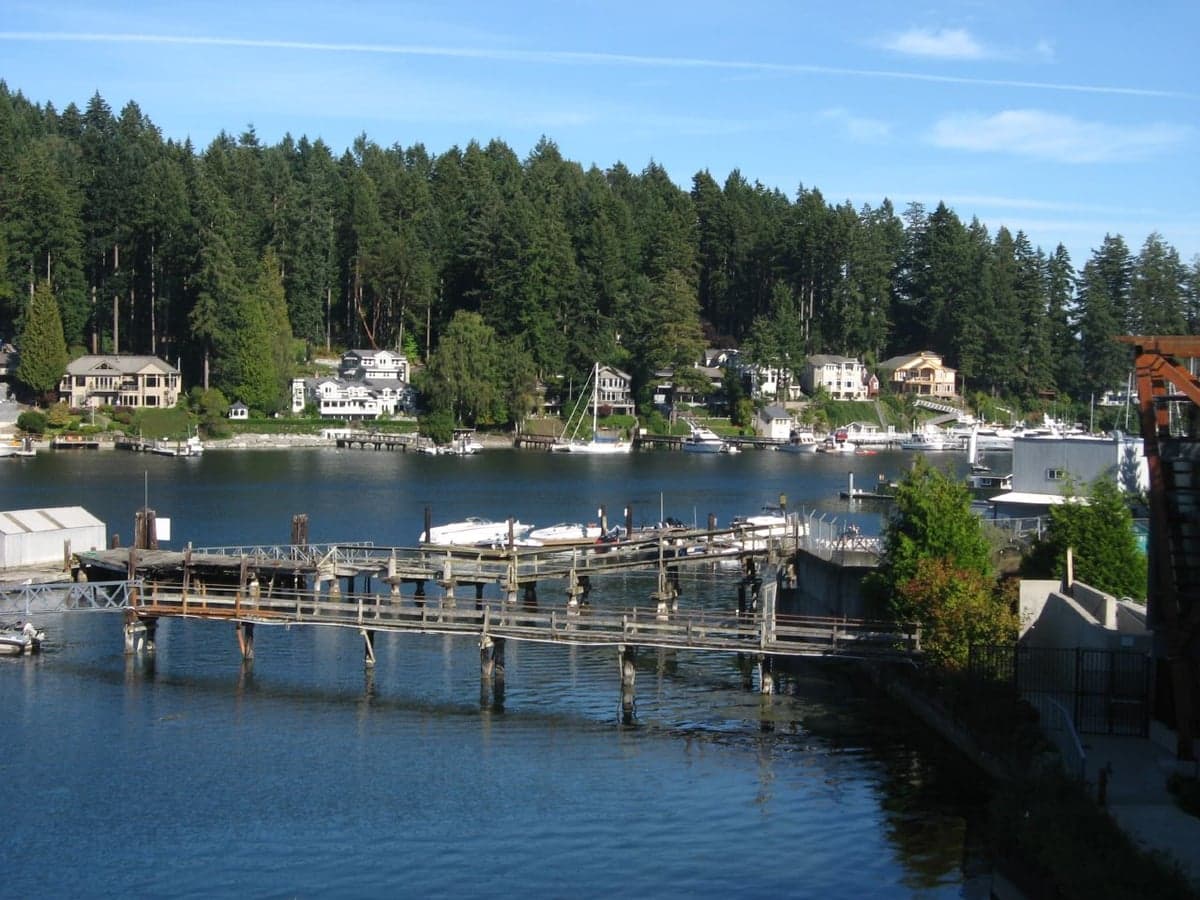
Photo: Wikipedia
Strategic Assessment of Gig Harbor, WA
Multiple tactical vulnerabilities. Population density, target proximity, or disaster risk are likely compounding. A retreat property and exit planning is required.
What does the Strategic Assessment tell us?
Our Strategic Assessment grades tactical survivability of an area. Major population centers, military targets, fallout zones, natural disasters, and border exposure all drive risk — lower exposure means a more defensible position in a crisis.
This is heavily inspired by Joel Skousen's Strategic Relocation book. Highly recommended you checkout the book ($)What does this tell us?
Our Strategic Assessment grades tactical survivability of an area. Major population centers, military targets, fallout zones, natural disasters, and border exposure all drive risk — lower exposure means a more defensible position in a crisis.
This is heavily inspired by Joel Skousen's Strategic Relocation book. Highly recommended you checkout the book ($)Strategic Pillars
Key Distances
Regional Safe Places
Below is our recommended "safe zones" in Washington and the surrounding area based on our strategic heuristics. For most people, it's unrealistic to live in a “safe zone” full-time due to work, family or other personal reasons. They tend to be more rural. However, many of these areas are perfect for second homes and retreat properties that double as a vacation home or even a short-term rental.
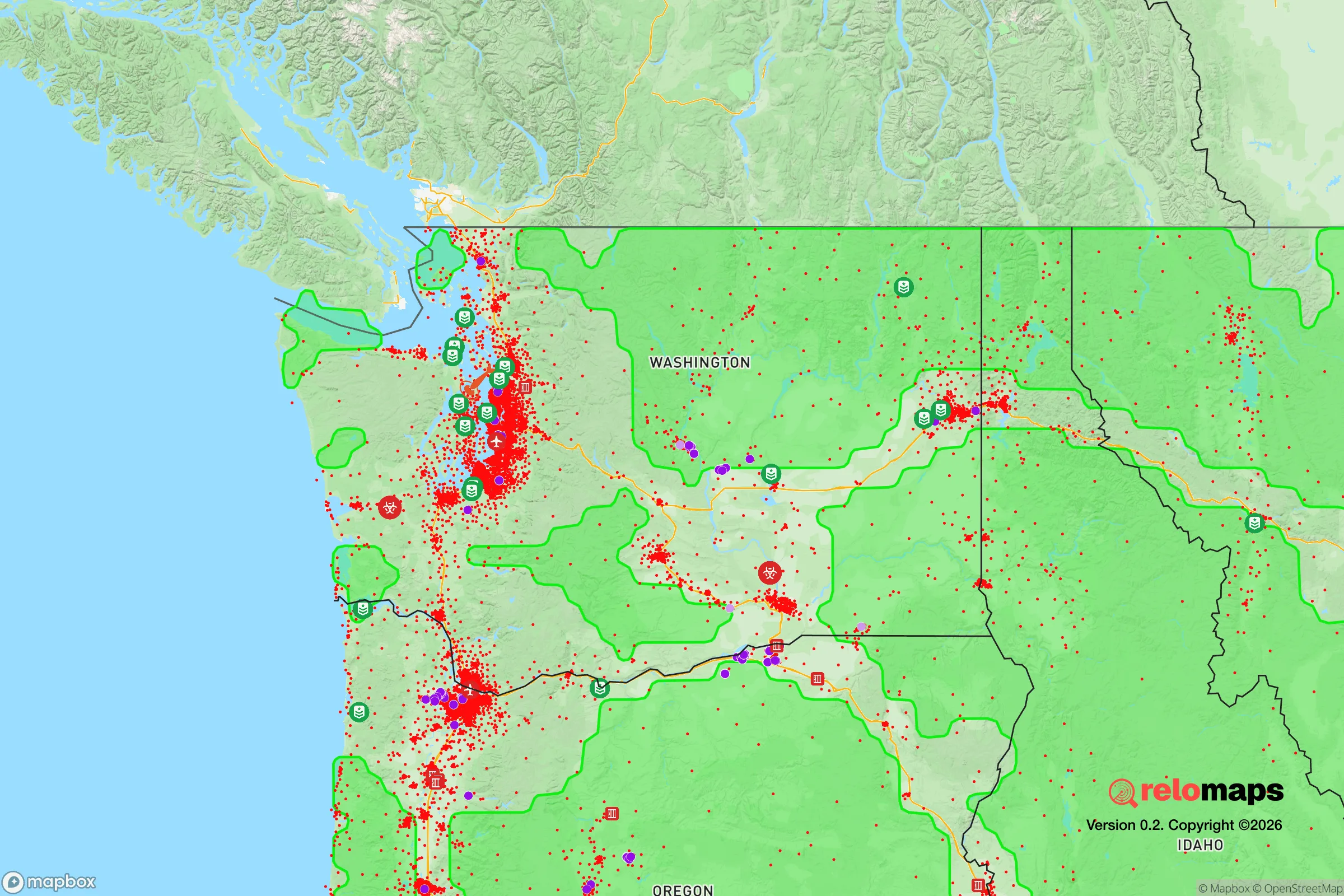
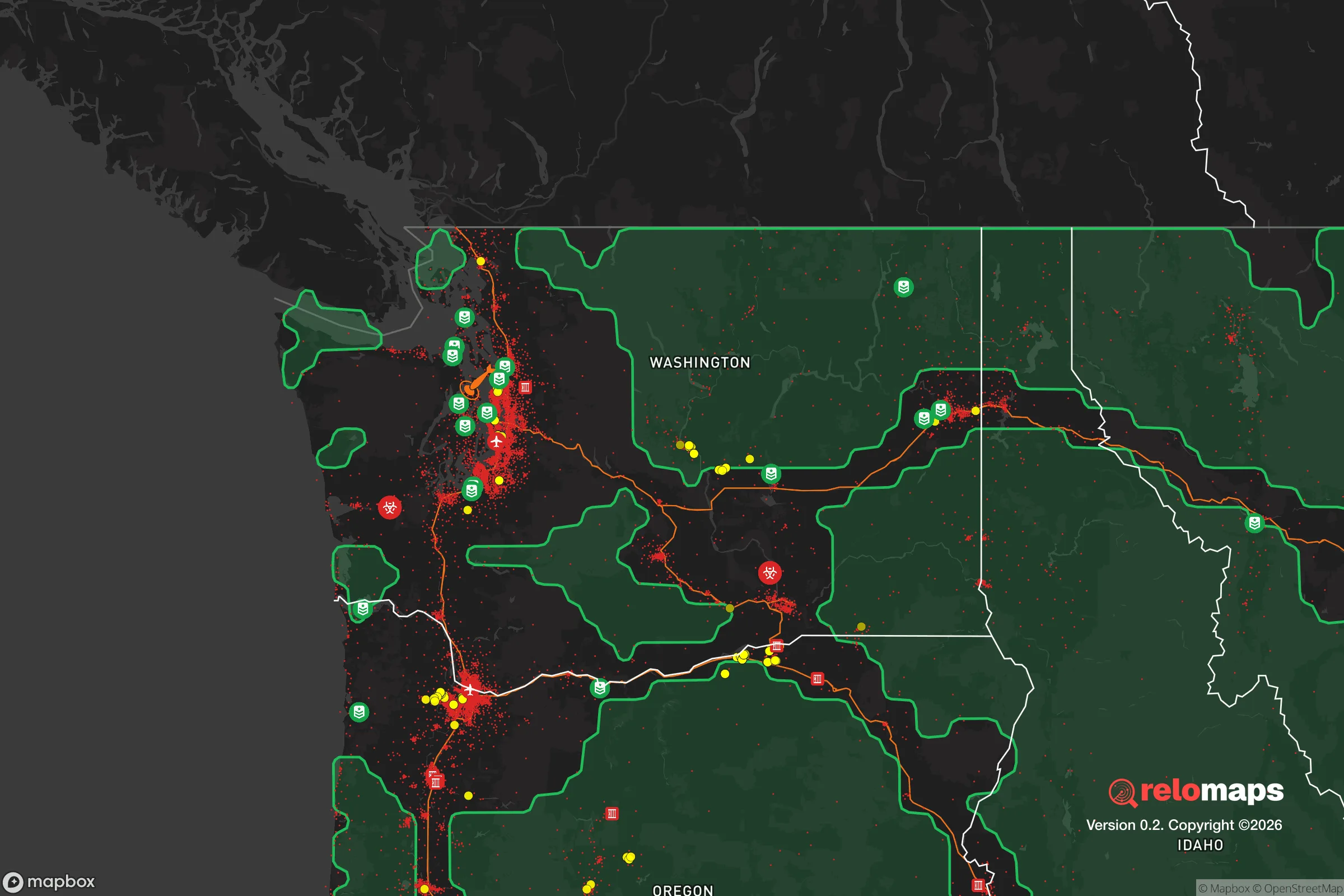


Important Note: For informational purposes only. This does not mean nothing bad ever happens in the green zones. Please use common sense. This is based on public data and modeled with AI. We tried to take a conservative approach but mistakes happen. We update this regularly as new information becomes available.
Solar Generator Recommendations
Backup power matters more here than in safer locations. We've picked three solar generators across budgets and capacity tiers — start with the budget unit if you only need a few essentials, or step up if you want to run a fridge and HVAC for days at a time.
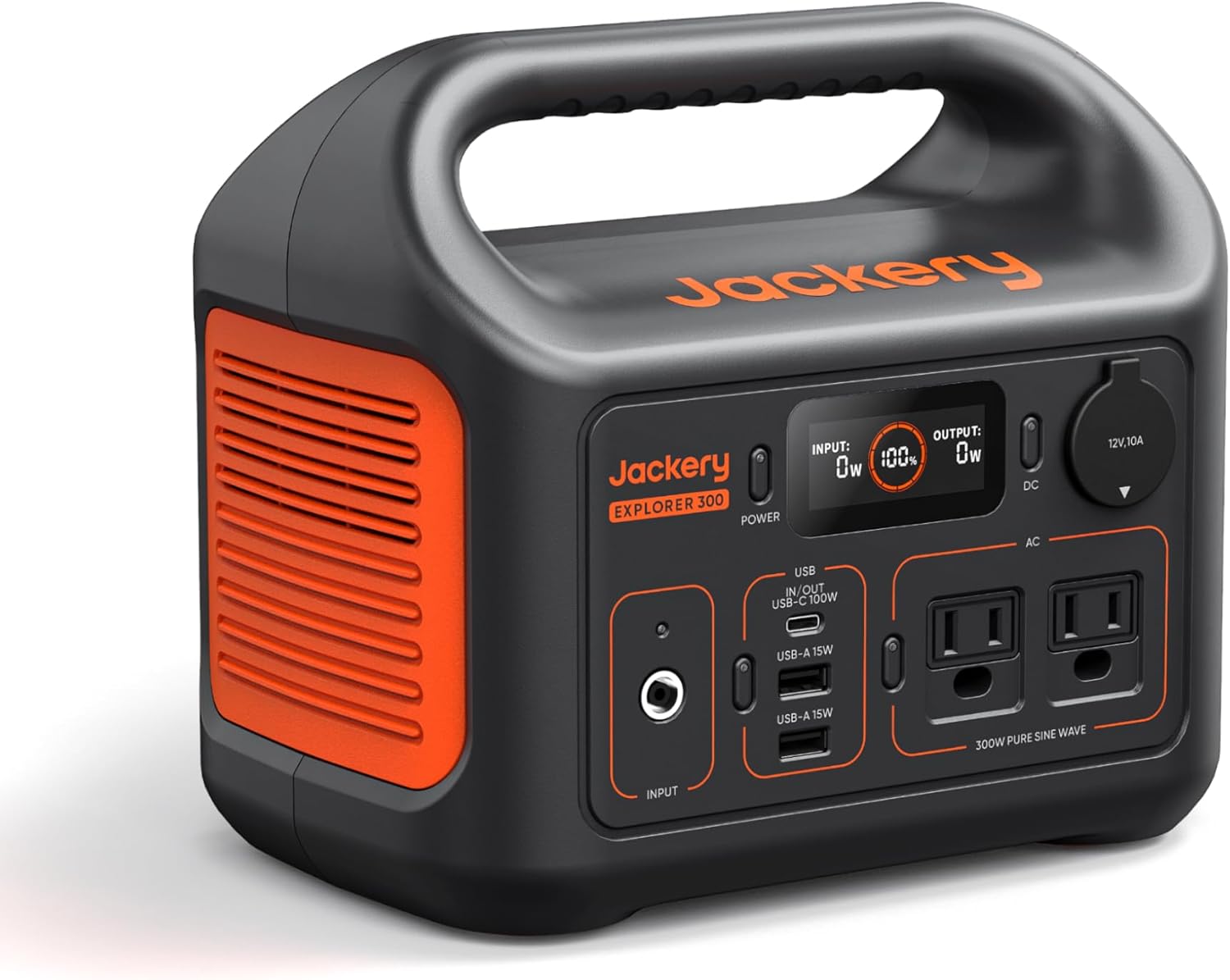
Jackery Portable Power Station Explorer 300
Budget OptionPower on the Go: Weighing only 11 lbs, it's convenient to set up and store with book-sized foldable solar panels

BLUETTI Portable Power Station AC180
Designed for both indoor and outdoor scenarios, AC180 is highly capable as it has a robost capacity and continuous output power.

EF ECOFLOW DELTA Pro Ultra Power Station
Upgraded PickEcoFlow DELTA Pro Ultra is a whole-home energy system designed to grow with your family. Integrated with the Smart Home Panel 2, it scales to meet your evolving energy needs — keeping your home powered, intelligent, and secure through every stage of life.
We earn a commission, at no additional cost to you.
Strategic Assessment Analysis
Gig Harbor, Washington, offers a compelling mix of strategic resilience and exposure that demands careful consideration for the disaster-conscious relocator. Its position on the Kitsap Peninsula, shielded by the Olympic Mountains and separated from the Seattle-Tacoma metroplex by Puget Sound, provides a natural buffer against many of the cascading failures that could plague a major urban center. However, this same geography places it within the shadow of critical military and industrial infrastructure, creating a nuanced risk profile that requires a clear-eyed assessment before committing to the area.
Geographic position and natural advantages for long-term stability
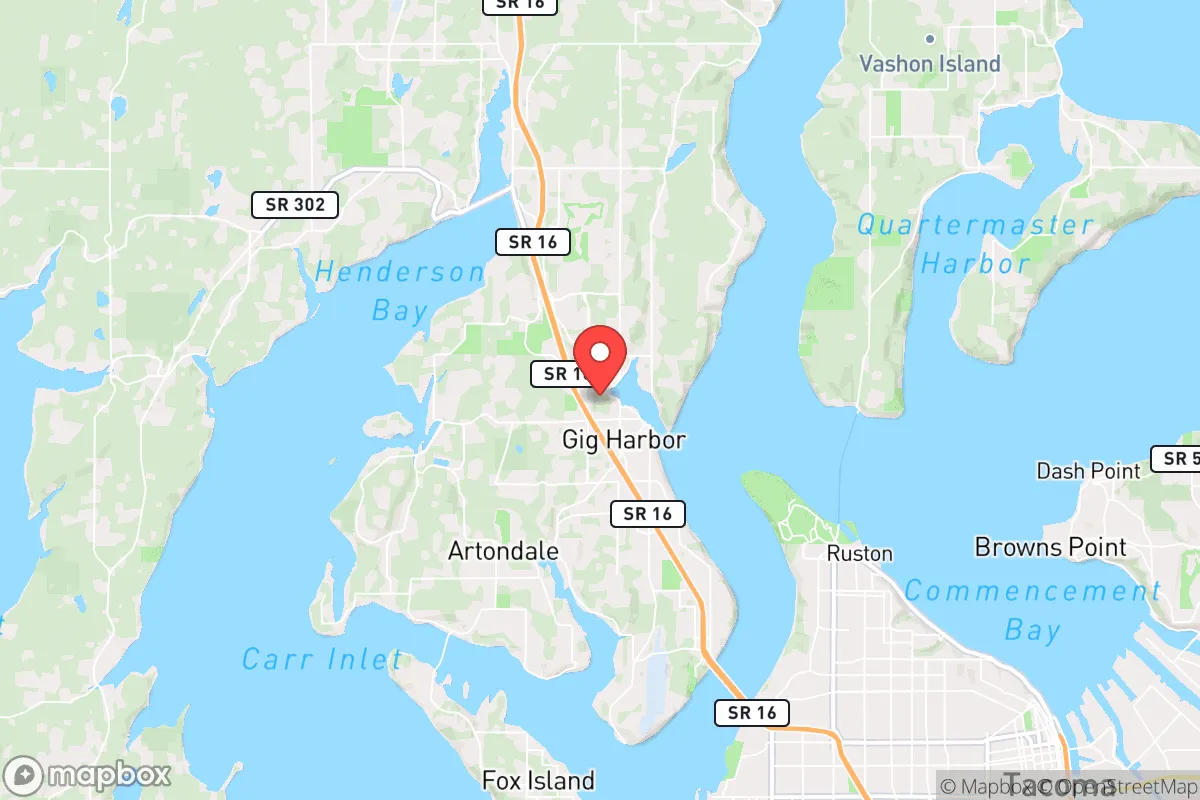
Gig Harbor’s primary strategic asset is its location on a peninsula, accessible only via the Tacoma Narrows Bridge or a handful of two-lane highways. This chokepoint geography is a double-edged sword: it limits the flow of refugees and chaos from the south, but it also means that a single bridge failure—whether from earthquake, sabotage, or simple congestion—could sever the town from mainland supplies. The surrounding landscape offers genuine advantages. The Olympic Mountains to the west act as a rain shadow, giving the area a milder, wetter climate than Seattle, with reliable annual rainfall of roughly 50–60 inches. This supports robust local watersheds, including the nearby Purdy Creek and the larger Nisqually River system, which feed into the Puget Sound. The terrain is a mix of steep forested hillsides and sheltered coves, providing natural defensibility and ample cover. The area’s volcanic soil, while fertile, is a reminder that Mount Rainier looms 50 miles to the southeast—a lahar threat that could disrupt transportation corridors and power grids, though Gig Harbor itself sits above the primary lahar flow paths. The real natural advantage is the absence of tornadoes, hurricanes, and severe drought, making it a relatively stable climate refuge compared to the interior West or Gulf Coast.
Risks, exposures, and proximity to fallout-relevant landmarks
The most significant risk for Gig Harbor is its proximity to high-value strategic targets. The Kitsap Peninsula hosts Naval Base Kitsap in Bangor, one of the U.S. Navy’s two nuclear weapons storage facilities and home to the West Coast’s Trident submarine fleet. This makes the entire peninsula a potential primary or secondary target in a major conflict. Gig Harbor is roughly 15 miles south of Bangor as the crow flies, placing it within the blast and fallout zones of a ground-burst nuclear weapon. Additionally, the Tacoma Narrows Bridge is a critical infrastructure node that would likely be targeted in a conventional attack or suffer collateral damage. The nearby Port of Tacoma and Joint Base Lewis-McChord (30 miles south) add to the concentration of military and industrial targets. For the disaster-conscious relocator, this means that while Gig Harbor is insulated from everyday urban crime and congestion, it sits in a region that would be among the first to experience disruption in a national emergency. The risk is not hypothetical—it is a direct consequence of the area’s role in the U.S. defense posture. On the natural disaster front, the Cascadia Subduction Zone earthquake is the primary concern. A magnitude 9.0 event would likely destroy the Tacoma Narrows Bridge and cause widespread liquefaction in the low-lying waterfront areas of Gig Harbor. The town’s hillside neighborhoods on bedrock would fare better, but road access would be cut off for weeks or months. Tsunami risk is minimal due to the harbor’s sheltered position, but a seiche wave in Puget Sound is possible.
Practical resilience for a relocator: food, water, energy, and defensibility
For a family or individual serious about self-sufficiency, Gig Harbor offers a mixed bag. Water is the area’s strongest asset. The region’s high rainfall and numerous creeks, combined with the Olympic Peninsula’s vast watershed, mean that rainwater catchment and well drilling are viable options for most properties. The local aquifer is generally reliable, though saltwater intrusion is a concern in coastal wells. Food production is feasible but limited by the short growing season (roughly 150 frost-free days) and acidic, clay-heavy soils. Raised beds and greenhouses are standard for serious gardeners. The area has a strong local food network, with the Gig Harbor Farmers Market and nearby Henderson Bay providing seafood (salmon, crab, shellfish) that could supplement stored supplies. However, the town’s population of roughly 12,000 means that local agriculture cannot support a full-scale emergency; most food is trucked in via the bridge. Energy is a vulnerability. The grid is served by Puget Sound Energy, which relies on hydroelectric power from the Columbia River and natural gas from pipelines that cross the Cascadia fault zone. Power outages from windstorms or earthquakes are common, and solar generation is hampered by the region’s frequent cloud cover. A backup generator or a small hydro system (if you have a creek) is almost mandatory for long-term resilience. Defensibility is the area’s hidden strength. The forested hills and winding roads make it easy to secure a property against casual intrusion. The community is tight-knit, with a strong culture of volunteerism and local emergency response (CERT teams are active). The Gig Harbor Police Department and Pierce County Sheriff’s Office are professional but stretched thin; in a crisis, residents would largely rely on themselves and their neighbors. The lack of a major highway or rail line through the town means that it is not a natural thoroughfare for displaced populations, which is a significant advantage over towns like Puyallup or Olympia.
The overall strategic picture for Gig Harbor is one of calculated trade-offs. It offers a genuinely resilient natural environment—abundant water, mild climate, defensible terrain—that is rare in the Pacific Northwest. But this comes with the hard reality of being within the blast radius of one of the nation’s most critical military installations. For the relocator who prioritizes self-sufficiency and community cohesion over absolute safety from man-made threats, Gig Harbor is a strong candidate. The key is to choose a property on high ground, away from the waterfront and the bridge approaches, and to invest in independent water and power systems. The town’s isolation is its greatest shield and its greatest vulnerability; understanding that duality is essential before making the move. If you can accept the proximity to Bangor and the risk of a Cascadia event, Gig Harbor provides a solid foundation for a prepared lifestyle. If those risks are dealbreakers, look farther west, beyond the Olympic Mountains, or north into the San Juan Islands.

* Values derived from national, state, county, city and local statistics and may differ in a specific area. Last updated: 2026-11-15T00:00:33.000Z
Narrative content on this page is AI-generated and may contain mistakes. Verify any details that matter before acting on them.
ReloMaps may earn a commission from affiliate links at no extra cost to you.

