Photo: Wikipedia
Find The Best Places To Live
in Gig Harbor
PRO TIP! You can paste a Zillow or Redfin link to get info on that property.
Compare Gig Harbor with another place
What It's Like Living in Gig Harbor, WA
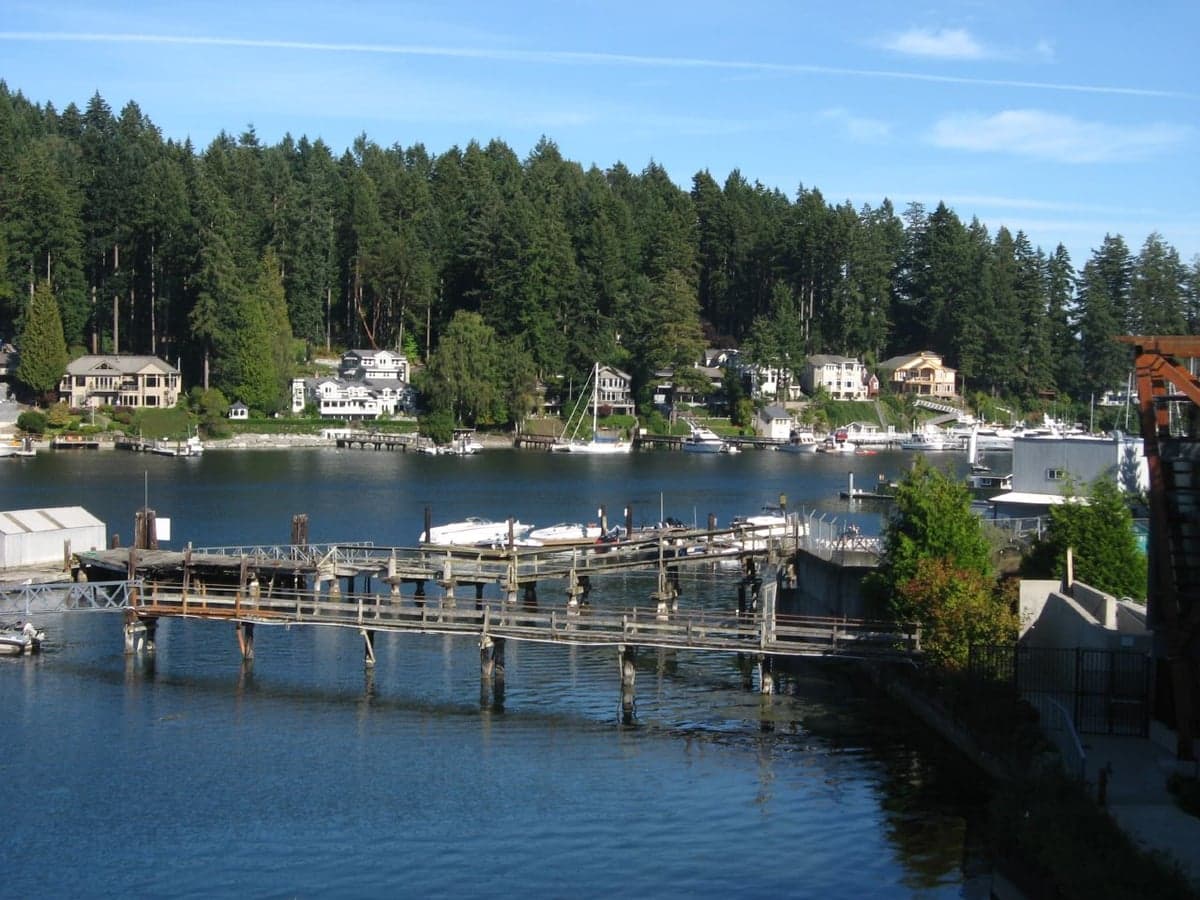
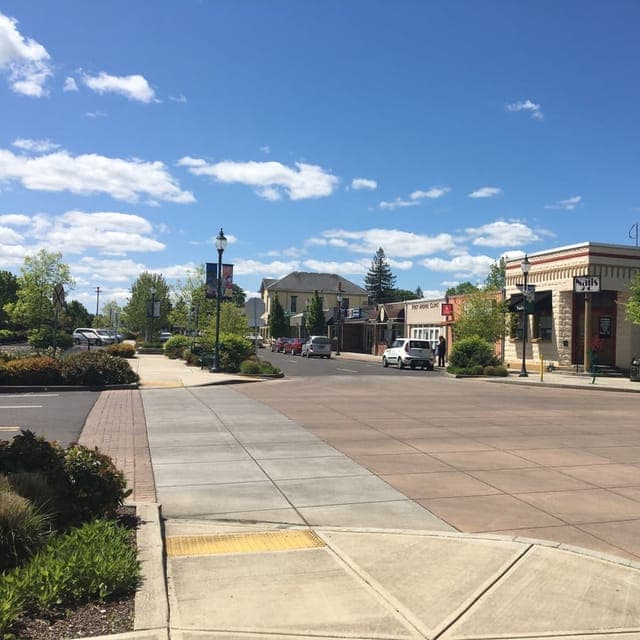
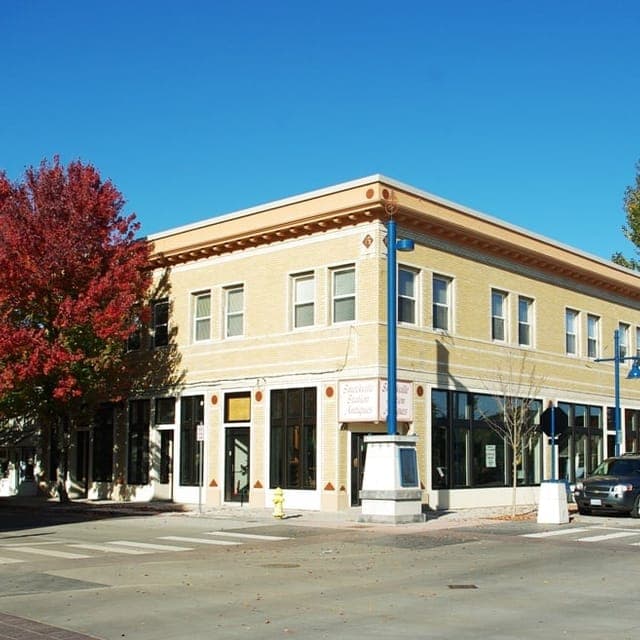
Gig Harbor feels less like a suburb of Tacoma and more like a small, self-contained maritime town that happens to have a bridge connecting it to the city. With a population just over 12,000 and a median age pushing 48, it’s a place where the pace is deliberately slower, the views of the harbor are a daily backdrop, and the local identity is wrapped up in working waterfronts, good seafood, and a strong sense of privacy. It’s not a place you pass through — it’s a place you choose, often for the long haul.
The Daily Rhythm: Water, Weekends, and the Commute Trade-Off
Most mornings here start with coffee from Cutters Point or a breakfast sandwich at Boat Shed Deli, often eaten overlooking the marina. The working waterfront is still real — you’ll see fishing boats unloading catch at Tides Tavern’s dock, and the smell of salt and diesel is part of the air. Weekends revolve around the Gig Harbor Farmers Market (May through October), kayaking in the protected waters of the harbor, or hiking the trails at Cushman Trail, a paved path that winds through town and connects to several neighborhoods.
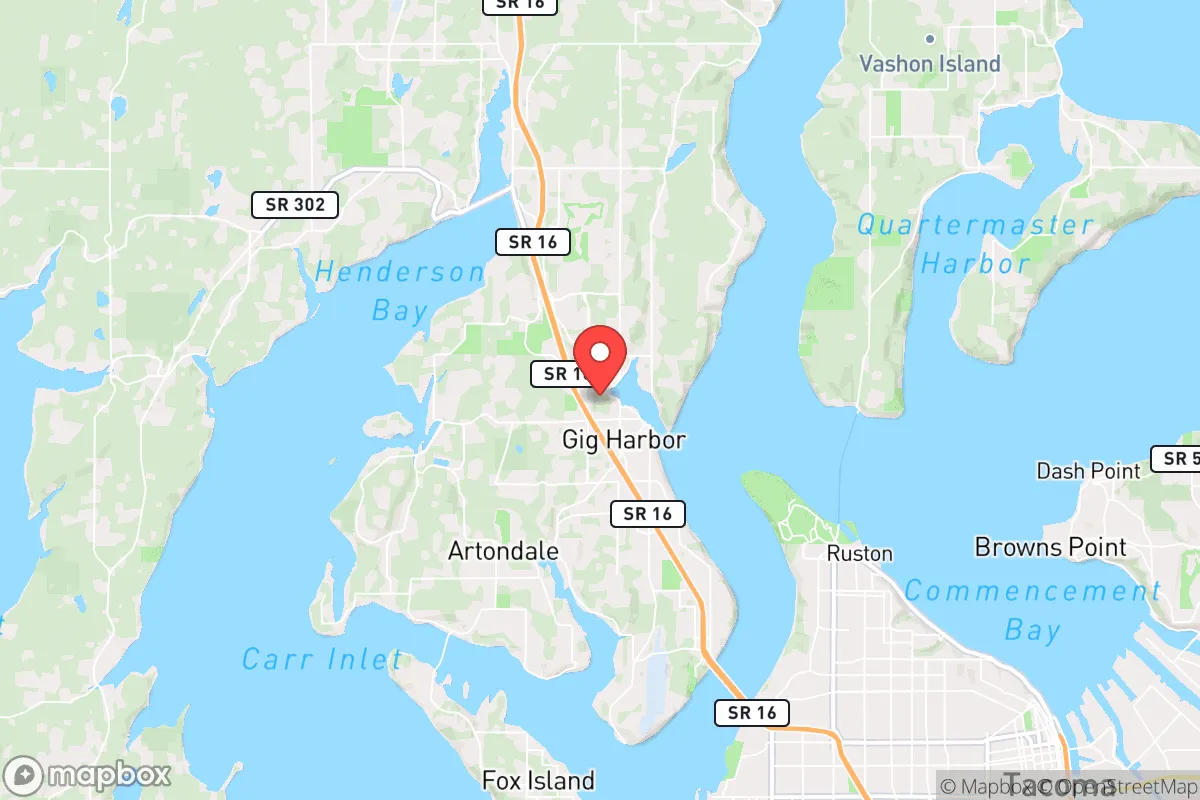
The trade-off is the commute. The average drive to work is about 29 minutes, but that number can spike to 45-60 minutes if you’re heading to Tacoma or Joint Base Lewis-McChord during peak hours. The Narrows Bridge is the only road in and out, and when there’s an accident or construction, you’re stuck. Locals learn to time their trips carefully — and many simply avoid the bridge on summer weekends when tourists flood in for the waterfront views.
Who Fits In: Affluence, Education, and a Certain Pace of Life
Gig Harbor skews older, wealthier, and more educated than the national average. The median household income is $106,042, and just over half of adults hold a college degree. That affluence shows in the tidy downtown, the prevalence of SUVs and boats, and the fact that the median home value sits at $686,000 — well above the national figure. The cost of living index of 206 (more than double the U.S. average) means that housing is the biggest barrier to entry; renters and first-time buyers often look to nearby Port Orchard or Bremerton for more affordable options.
The kind of person who thrives here is typically in their late 30s or older, values quiet over nightlife, and is willing to pay a premium for water views, good schools, and low crime. Families with young children are common, but so are empty-nesters who downsized from larger homes in Seattle or Bellevue. Singles in their 20s often find the social scene limited — there’s no real bar district, and most evening activity revolves around dinner at places like Anthony’s or Brix 25, which are more date-night than meet-and-greet.
Sports, Festivals, and What People Actually Do for Fun
High school sports are a genuine community anchor. Gig Harbor High School’s football and soccer games draw solid crowds, and the rivalry with Peninsula High School (just a few miles away) is taken seriously. There’s no major pro team in town, but the Seattle Seahawks and Mariners have a strong following — you’ll see flags and jerseys on game days. The Gig Harbor Marathon (held in June) and the Maritime Gig Festival (a summer weekend with a parade, boat races, and a street fair) are the two biggest annual events, and they pull in people from across the peninsula.
Outdoor life is the main entertainment. Kayaking, paddleboarding, and crabbing are everyday activities for residents with waterfront access. The Peninsula Trail System connects several parks, and Point Defiance Park (just across the bridge in Tacoma) offers a zoo, aquarium, and miles of old-growth forest trails. For music and arts, the Gig Harbor Film Festival and the Roxy Theater (a small, independent cinema) provide occasional culture, but most residents drive to Tacoma or Seattle for concerts and major shows.
Pros and Cons of Living Here
- Pro: Genuine small-town feel with real working waterfront. You can watch fishing boats unload, buy fresh catch at the dock, and walk to dinner without feeling like you’re in a tourist trap.
- Pro: Low violent crime rate (281.6 per 100K) — well below national averages, and property crime is similarly manageable. Most residents feel safe walking alone at night.
- Con: The bridge bottleneck. One road in, one road out. Summer weekends and rush hour can turn a 10-minute drive into 40 minutes. Locals plan around it.
- Con: High cost of living and limited housing stock. The median home value of $686,000 prices out many middle-income families. Rentals are scarce and expensive.
- Con: Limited nightlife and social scene for younger adults. If you’re under 30 and single, you’ll likely find yourself driving to Tacoma or Seattle for bars and events.
The cultural quirk that stands out most is the pride in being “old Gig Harbor” versus “new.” Longtime residents (often families who’ve been here for generations) quietly distinguish themselves from the influx of remote workers and retirees who moved in during the pandemic. It’s not hostile, but you’ll hear it in conversations at the post office or the hardware store — a gentle reminder that this town has a history beyond the espresso stands and real estate signs.

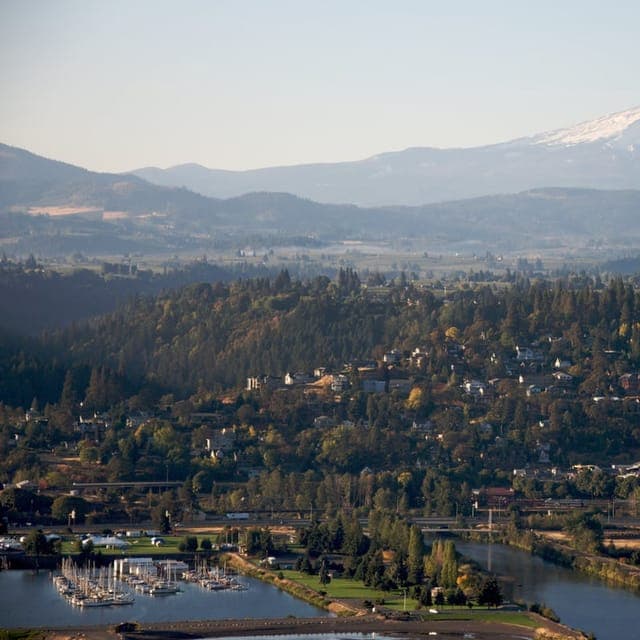
Similar towns to Gig Harbor


* Values derived from national, state, county, city and local statistics and may differ in a specific area. Last updated: 2026-11-15T00:00:33.000Z
Narrative content on this page is AI-generated and may contain mistakes. Verify any details that matter before acting on them.
ReloMaps may earn a commission from affiliate links at no extra cost to you.

