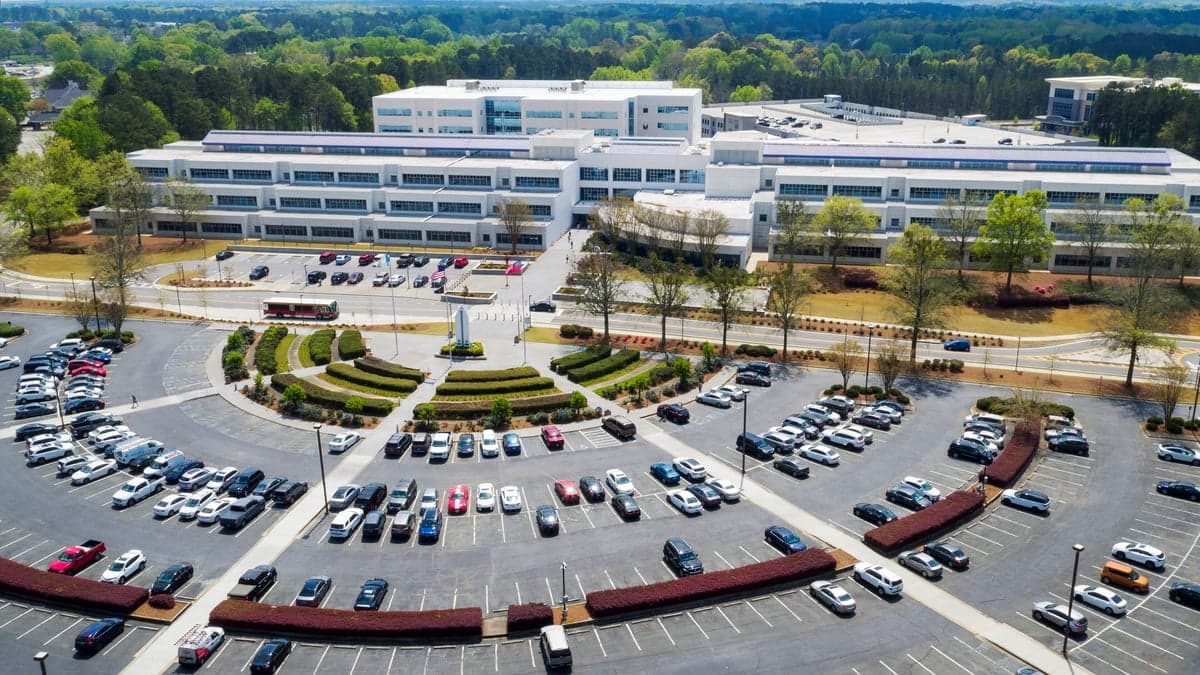
Photo: Wikipedia
Quality of Life in Gwinnett County
A livable area that tracks near national norms for affordability, walkability, and neighborhood health.
What does Quality of Life tell us?
Quality of Life measures an area by evaluating factors like cost of living, nearby amenities, country club access, airport proximity, socioeconomic signals and neighborhood character. For large states, this is a general average — quality of life can vary dramatically between metro areas, suburbs, and rural communities within the same state.
What does this tell us?
Quality of Life measures an area by evaluating factors like cost of living, nearby amenities, country club access, airport proximity, socioeconomic signals and neighborhood character. For large states, this is a general average — quality of life can vary dramatically between metro areas, suburbs, and rural communities within the same state.
Cost of Living
37% above national average
86%
The Real Cost of Living in Gwinnett County for 2026
| Tier | Individual | Family (4) |
|---|---|---|
| Survival | $27k | $51k |
| Comfortable | $67k | $99k |
| Luxury | $142k+ | $220k+ |
| Elite (Top 5%) | $167k+ | $259k+ |
Quality-of-Life Analysis
Gwinnett County, Georgia, offers one of the most diverse quality-of-life spectrums in the Atlanta metro area, drawing residents from young professionals seeking dense suburban energy to families looking for quiet, established neighborhoods and even a few remaining rural pockets. The county’s character shifts dramatically from the high-rise corridors and transit-oriented developments around its largest cities to the slower-paced, tree-lined streets of its smaller towns and unincorporated communities, making it a place where lifestyle preferences are largely determined by which specific area a person chooses.
Largest town(s) & population centers
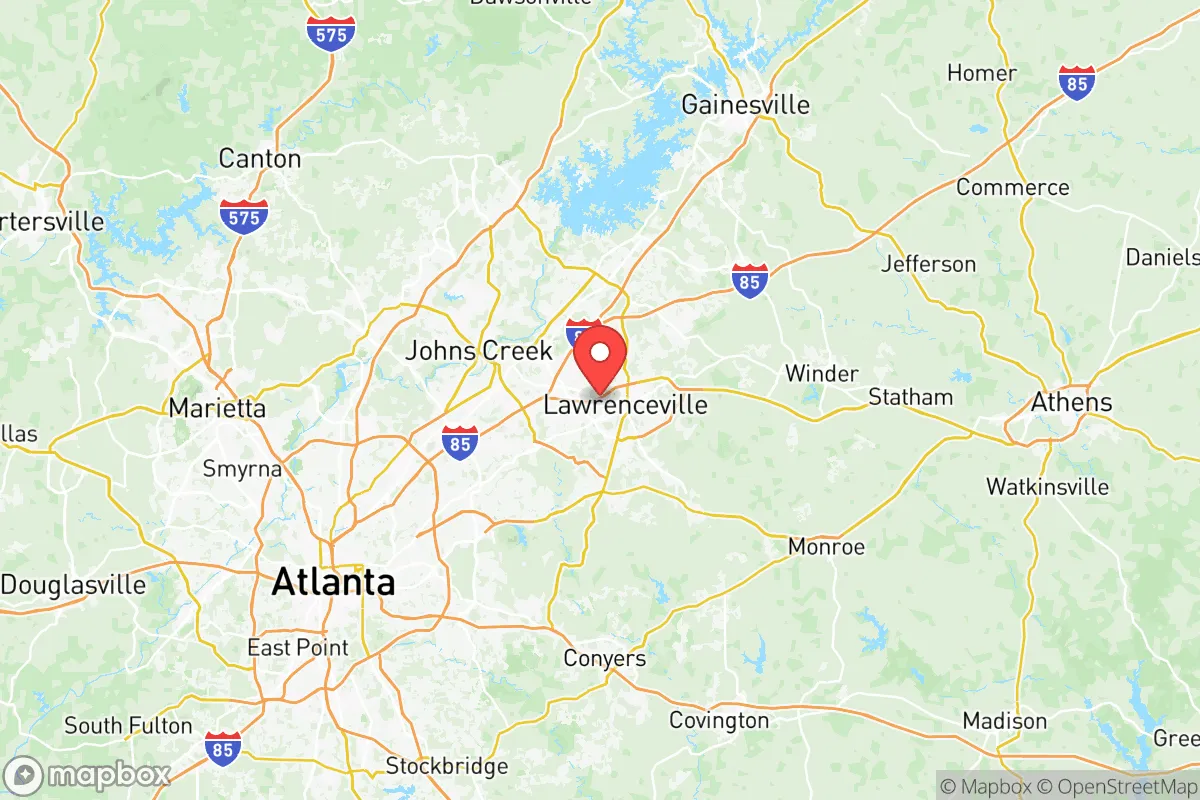
The primary population anchors are Lawrenceville, the county seat, and Duluth, Norcross, Lilburn, and Snellville. Daily life in these areas is defined by a mix of suburban convenience and urban proximity. Lawrenceville offers a revitalized historic downtown with the Aurora Theatre and a growing restaurant scene, while Duluth’s Town Center district is a hub for festivals and walkable dining. Norcross retains an historic small-town feel with its old town district, but all these cities are within a 30-40 minute commute to downtown Atlanta. The average commute across the county is 32.8 minutes, reflecting the heavy reliance on Interstates 85 and 285. These population centers are where most of the county’s apartment complexes, mixed-use developments, and major retail corridors (like Pleasant Hill Road and Sugarloaf Parkway) are concentrated, offering the highest density of jobs, entertainment, and public transit options, including Gwinnett County Transit and the new Buford Highway Bus Rapid Transit.
Smaller towns & rural pockets
Beyond the major suburbs, Gwinnett still contains smaller communities and unincorporated areas that retain a more residential or even semi-rural character. Buford, while growing rapidly around the Mall of Georgia and the new Buford City Schools system, still has older neighborhoods and a historic downtown that feels distinct from the larger cities.

Crime in Gwinnett County
Generally safer than 56% of comparable U.S. locations.
Violent CrimeViolent Crime Analysis
Property CrimeProperty Crime Analysis
Crime Analysis
Gwinnett County, Georgia, presents a mixed safety picture for potential residents. With a violent crime rate of 262 per 100,000 residents and a property crime rate of 1,236.6 per 100,000, the county sits above the national average for property offenses but below the national violent crime average. However, these countywide figures mask significant variation between cities like Suwanee, Duluth, and Lawrenceville, where policing strategies and local judicial philosophies create very different day-to-day realities for families and businesses.
Crime in context
Gwinnett County's violent crime rate of 262 per 100,000 is roughly 25% lower than the national average of 380 per 100,000, placing it among the safer large suburban counties in metro Atlanta. Property crime, however, tells a different story: the rate of 1,236.6 per 100,000 is about 15% higher than the national average of 1,080 per 100,000. This property crime figure is driven largely by vehicle break-ins, package thefts, and residential burglaries in areas with easy highway access, particularly near I-85 corridors through Norcross and Doraville. Compared to neighboring Fulton County (which includes Atlanta proper), Gwinnett is substantially safer on violent crime, but its property crime rate is comparable to DeKalb County's. The county's rapid population growth—now exceeding 1 million residents—has strained law enforcement resources, though the Gwinnett County Police Department has added officers in recent years.
What residents experience
Residents in Gwinnett County's safer enclaves like Suwanee and Sugar Hill report feeling very secure, with violent crime rates in those cities often below 150 per 100,000. In contrast, Lawrenceville and Norcross see higher concentrations of property crime, particularly around shopping centers and apartment complexes near major transit corridors. A significant concern for many residents is the judicial philosophy of the Gwinnett County District Attorney's office. Under progressive leadership, the office has implemented diversion programs and reduced prosecution of certain non-violent offenses. While intended to reduce incarceration rates, critics argue this approach has led to repeat offenders cycling through the system more quickly, particularly in property crime cases. Residents in unincorporated areas of the county, which rely on the county police and county courts, express frustration that these policies have not adequately deterred theft and burglary. The county's recidivism rate for property crimes has ticked upward since 2020, a trend some attribute to lighter sentencing guidelines.
Neighborhood-level variation
The safety experience in Gwinnett County is highly neighborhood-dependent. Peachtree Corners and Berkeley Lake consistently report the lowest crime rates in the county, with violent crime below 100 per 100,000 and property crime near the national average. These areas benefit from well-funded police departments and active neighborhood watch programs. Conversely, Lilburn and Snellville have seen property crime increases of 8-12% since 2022, driven by organized retail theft rings operating along Highway 78. The city of Duluth occupies a middle ground: its downtown district is well-policed and safe, but outlying apartment complexes near Pleasant Hill Road experience higher rates of vehicle theft and burglary. For families considering a move, the safest strategy is to target cities with their own police departments (Suwanee, Sugar Hill, Peachtree Corners) rather than unincorporated areas served solely by county law enforcement, as local departments tend to have faster response times and more community-focused policing.
* Values derived from national, state, county, city and local statistics and may differ in a specific area. Last updated: 2026-06-22T03:37:16.000Z
Narrative content on this page is AI-generated and may contain mistakes. Verify any details that matter before acting on them.
ReloMaps may earn a commission from affiliate links at no extra cost to you.

