
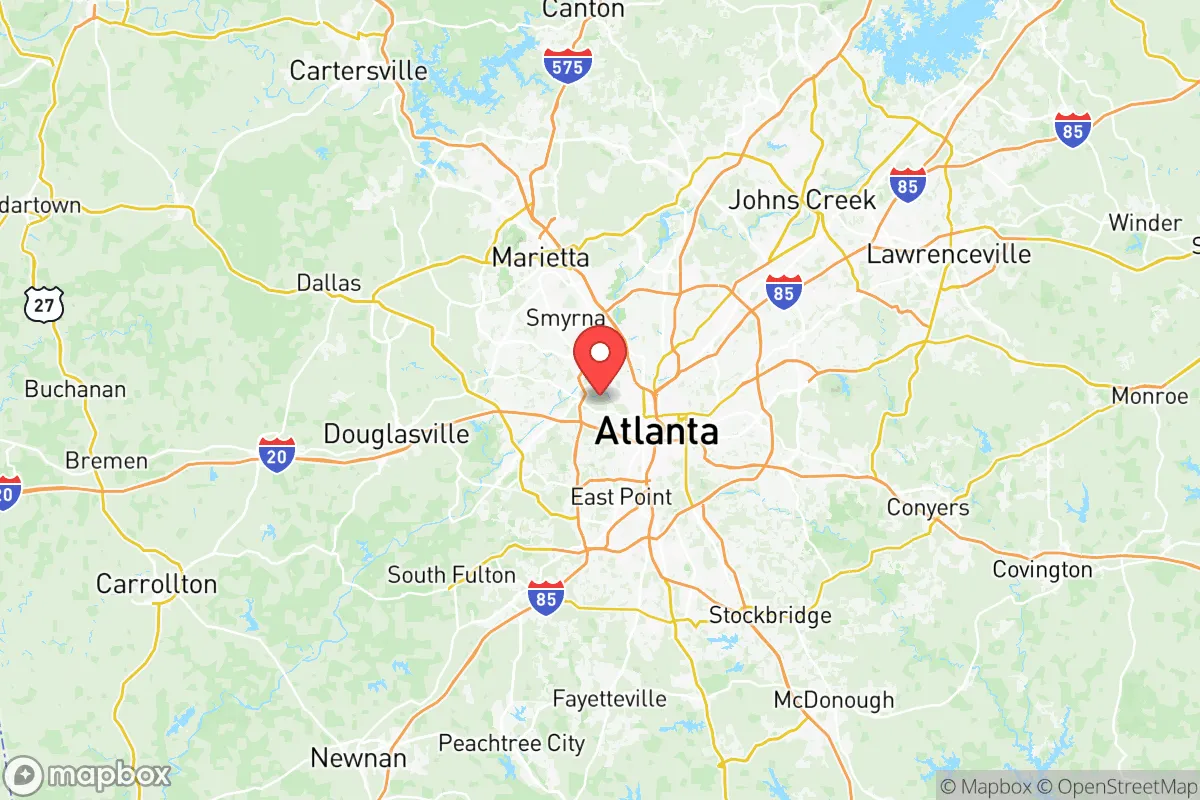
Photo: Wikipedia
Find The Best Places To Live in Fulton County
PRO TIP! You can paste a Zillow or Redfin link to get info on that property.
Best Places to Live in Fulton County
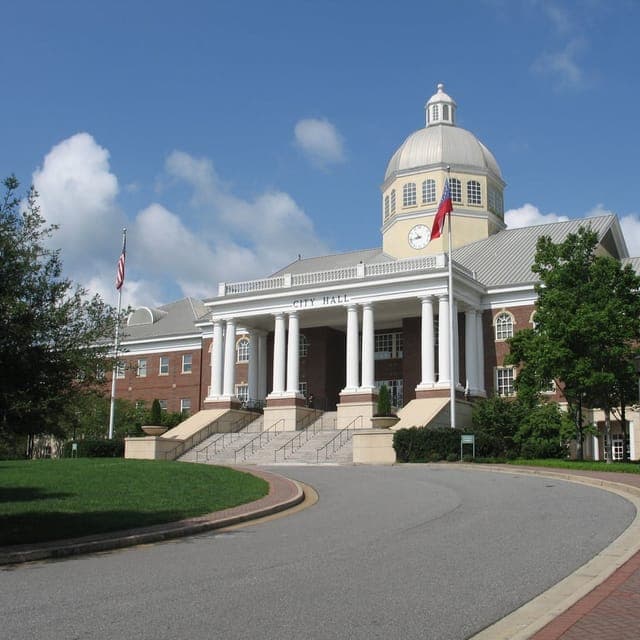



Cities & Towns in Fulton County
Cities in Fulton County
What It's Like Living in Fulton County, GA
Living in Fulton County means you’re part of a sprawling, diverse region that ranges from the skyscrapers of downtown Atlanta to the quiet, wooded lots of Chattahoochee Hills. It’s a place where your neighbor might be a Georgia Tech professor, a film industry contractor, or a fourth-generation farmer, and where the daily rhythm shifts dramatically depending on whether you’re in Buckhead, College Park, or the rural outskirts near Palmetto. For a relocation research site with a slightly conservative leaning audience, the key takeaway is that Fulton County offers real variety—but also real trade-offs in cost, commute, and community character.
Daily Rhythm: From Buckhead Boardrooms to Rural Evenings
For most residents, the day starts with a commute that averages just over 28 minutes—a figure that feels optimistic if you’re driving from Alpharetta into Midtown during rush hour. Traffic is the single biggest frustration for longtime locals, especially along GA-400 and I-285. People who work in tech or finance often live in Sandy Springs or Roswell, while those priced out of intown neighborhoods have moved farther south to Union City or Fairburn, where you can still find a three-bedroom house under $300,000. The county’s median home value sits at $431,200, but that number hides a huge spread: a historic bungalow in East Point might cost half that, while a new construction in Johns Creek can easily top $700,000. With a median household income of $91,490, many families feel the squeeze, especially when you factor in a cost of living index of 146—46% above the national average. Groceries and utilities aren’t the shocker; it’s housing and property taxes that eat the budget.
Weekends in Fulton County look different depending on where you land. In the northern suburbs like Milton and Alpharetta, you’ll find families at Avalon, an outdoor shopping-and-dining complex that feels like a small-town main street designed by a city planner. In the southern part of the county, folks head to the Chattahoochee River National Recreation Area for kayaking or hiking, or they drive to the Atlanta Motor Speedway in Hampton for a Saturday race. The county’s median age is 36.2, which means you’re surrounded by people in their prime working and parenting years. There’s a strong sense of local identity in places like Hapeville, where the downtown has held onto its mid-century charm with diners and independent shops, and where the annual Hapeville Arts Festival draws a loyal crowd.
Sports, Schools, and Community Pride
Sports are a big deal here, but not in the way you might expect. While Atlanta’s pro teams—the Braves, Falcons, and Hawks—are technically in Cobb and Fulton counties, the real grassroots energy comes from high school football. Friday nights in Buford (technically just over the line in Gwinnett, but the rivalry spills over) and Milton are events that pull entire communities together. College football is also massive: Georgia Tech’s campus in Midtown is a hub for alumni tailgates, and the University of Georgia’s dominance is felt even in Fulton County living rooms. For a conservative-leaning audience, the emphasis on local schools is a major draw. The Fulton County School System is one of the largest in Georgia, and in suburbs like Johns Creek and Roswell, the schools are a primary reason families choose those neighborhoods. Test scores are strong, but the system is large and bureaucratic—some parents in rural areas like Palmetto feel overlooked compared to their northern counterparts.
Cultural quirks abound. One is the fierce independence of the county’s smaller cities: College Park has its own identity tied to the airport and the Georgia International Convention Center, while Chattahoochee Hills enforces strict zoning to preserve its farmland and equestrian trails. There’s a tension between the urban core’s progressive politics and the more conservative leanings of the exurbs, but people generally coexist without much friction. The violent crime rate is 262 per 100,000—higher than the national average, but heavily concentrated in specific Atlanta neighborhoods rather than the suburbs. Most families in Alpharetta or Sandy Springs feel perfectly safe walking their dogs at night.
What’s There to Do (and What Gets Old)
Entertainment options are genuinely world-class. The Fox Theatre in Midtown hosts Broadway tours, the Atlanta Botanical Garden is a year-round draw, and the SweetWater 420 Fest brings tens of thousands to Centennial Olympic Park. For a quieter weekend, locals love the Chattahoochee Nature Center in Roswell or the Serenbe community in Chattahoochee Hills, which has become a destination for farm-to-table dining and weekend getaways. The restaurant scene is deep: from the barbecue joints in East Point to the upscale sushi spots in Buckhead, you can eat a different cuisine every night for a month. What frustrates longtime residents is the sprawl. Getting from one great spot to another can take 45 minutes in traffic, and the county’s rapid growth has led to constant construction on major roads. The weather is a genuine plus—mild winters and long springs mean you can be outside most of the year—but the humidity in July and August can be punishing.
For a single person or family considering a move, the honest bottom line is this: Fulton County offers more economic and lifestyle variety than almost any other county in Georgia, but you have to be intentional about where you settle. If you want a tight-knit, conservative-leaning community with good schools and a slower pace, look at Milton or Palmetto. If you need to be close to the airport or work in film production, College Park or East Point offer affordability and convenience. The county’s 58% college-educated population means you’ll find plenty of neighbors who share your professional ambitions, but the high cost of living means you’ll want to come with a solid job offer in hand. It’s not a place you move to on a whim—but if you pick the right corner, it’s a place you’ll stay for decades.

* Values derived from national, state, county, city and local statistics and may differ in a specific area. Last updated: 2026-07-08T02:38:01.000Z
Narrative content on this page is AI-generated and may contain mistakes. Verify any details that matter before acting on them.
ReloMaps may earn a commission from affiliate links at no extra cost to you.

