Photo: Wikipedia
Find The Best Places To Live in Gwinnett County
PRO TIP! You can paste a Zillow or Redfin link to get info on that property.
Best Places to Live in Gwinnett County

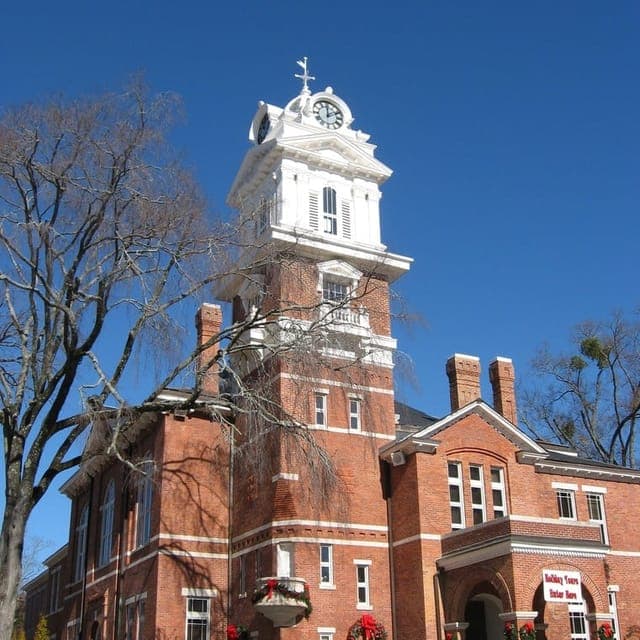
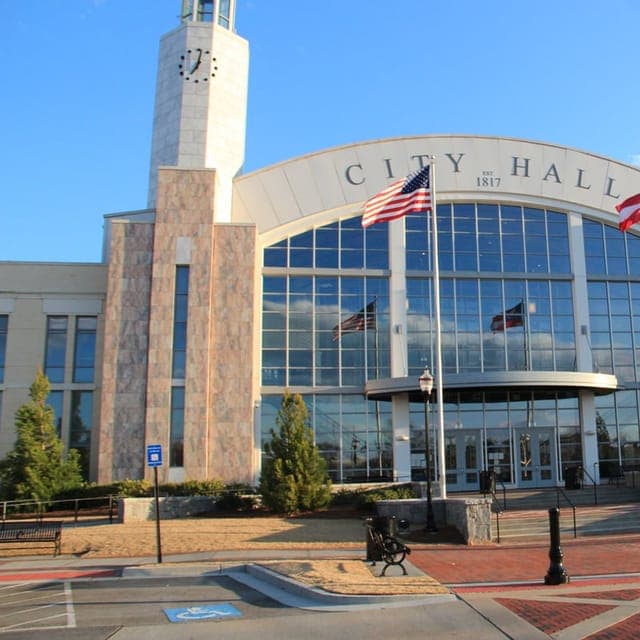

Cities & Towns in Gwinnett County
Cities in Gwinnett County
What It's Like Living in Gwinnett County, GA
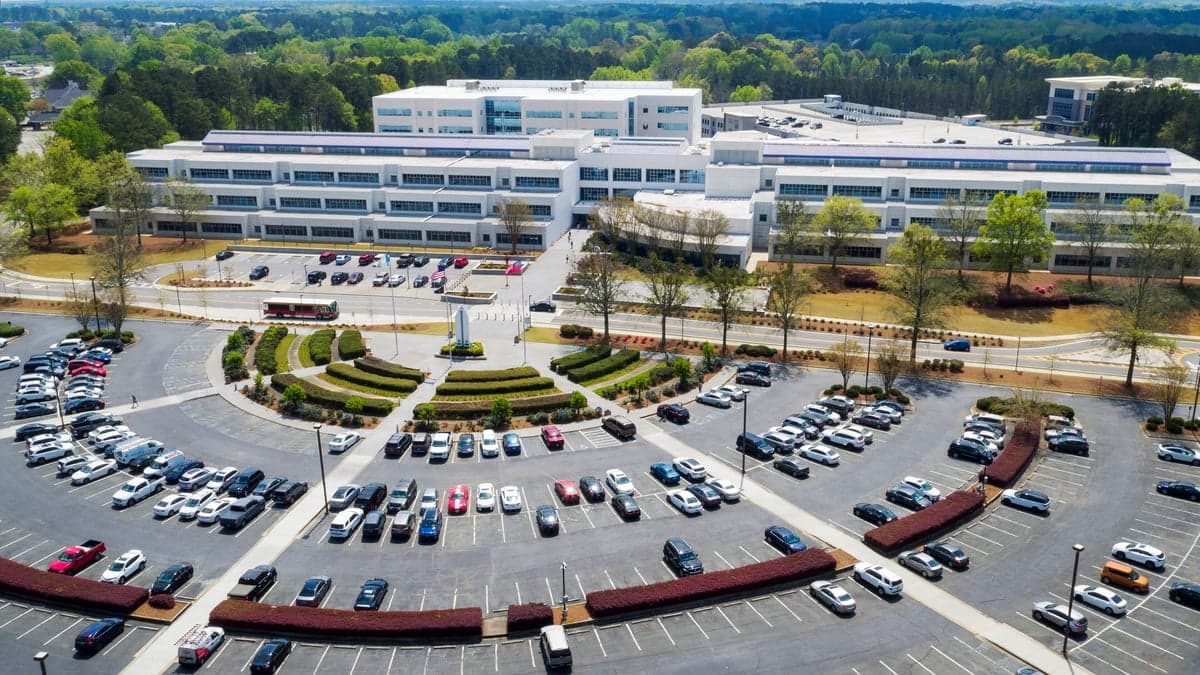
Gwinnett County is one of those rare places that feels like several different worlds stitched together by a shared ZIP code. You’ve got the bustling, international energy of Duluth and Norcross, the family-focused suburban sprawl of Suwanee and Peachtree Corners, and the quieter, more rural pockets of Auburn and Dacula where you can still see a tractor on a two-lane road. It’s a county of nearly a million people — 966,972 as of the latest count — and it wears its diversity not as a slogan but as a lived reality, from the Korean BBQ joints in Lawrenceville to the taquerias in Lilburn.
Daily Rhythm: Commutes, Schools, and Weekend Errands
For most people living here, the week is shaped by a 32.7-minute average commute — that’s the price of access to Atlanta’s job market, and it’s a grind you either accept or eventually leave. The morning rush on I-85 and Highway 316 is a ritual, and locals know to check traffic before heading to Snellville or Buford. But once you’re home, the pace slows. Weekends are for the Mall of Georgia in Buford, a sprawling retail hub that draws people from all over the county, or for hitting the Suwanee Town Center park for a farmers market and a walk around the lake. The Gwinnett County Public Schools system is a massive operation — it’s the largest in Georgia — and school events, from Friday night football games at Mill Creek High School to band concerts at Collins Hill, are the social calendar for many families. The median age here is 35.9, which tracks with the young families and early-career professionals who dominate the area.
Sports, Entertainment, and the Weekend Vibe
Sports are a big deal, but not in a way that dominates the whole county. The Gwinnett Stripers, the Triple-A affiliate of the Atlanta Braves, play at Coolray Field in Lawrenceville — it’s a low-key, affordable night out with fireworks on Fridays. High school football is the real passion, especially in Grayson and Archer, where Friday night games can draw thousands. For entertainment, the Infinite Energy Center in Duluth hosts concerts, conventions, and the annual Gwinnett County Fair. The Atlanta Gladiators hockey team plays there too, and it’s a surprisingly fun, rowdy crowd. Outdoor life centers on the Chattahoochee River — the Jones Bridge Park area in Peachtree Corners is a favorite for kayaking and tubing — and the Gwinnett Environmental & Heritage Center in Buford offers hiking trails and a butterfly garden. The county’s restaurant scene is one of its best-kept secrets: you can eat Korean, Vietnamese, Mexican, or Ethiopian within a few miles in Norcross or Duluth, and the Buford Highway corridor is a food destination in its own right.
Who Fits In, and Who Doesn’t
Gwinnett works best for people who want a suburban or semi-rural base with access to a major city, but who don’t need the 24/7 energy of Atlanta itself. The median household income is $84,823, which supports a comfortable middle-class lifestyle — you can afford a decent home (median value $345,700) and still have room for a vacation or a new car. The cost of living index is 137, meaning it’s more expensive than the national average, but still cheaper than many comparable suburbs in the Northeast or West Coast. The kind of person who thrives here is someone who values good schools, low crime relative to the metro area, and a diverse community. The violent crime rate is 262 per 100,000, which is below the national average but not negligible — it’s something to be aware of, especially in parts of Norcross and Lawrenceville that have seen some upticks. The 38.7% college-educated rate reflects a population that’s educated but not elite — more practical professionals than academic types.
Pros and Cons of Living Here
- Pro: Diversity that feels authentic. You’ll hear Korean, Spanish, Vietnamese, and Hindi spoken in grocery stores and at school pickup. It’s not performative — it’s just how the county is.
- Pro: Schools that are a major asset. Gwinnett County Public Schools are consistently rated among the best in Georgia, and they’re a big reason families move here.
- Pro: Parks and green space. The county has over 350 parks, from the massive Tribble Mill Park in Lawrenceville to the smaller neighborhood spots in Lilburn.
- Con: Traffic is a daily reality. That 32-minute average commute hides the fact that a 20-mile drive can take an hour during peak times, especially on I-85 and Highway 316.
- Con: Sprawl can feel endless. Strip malls, chain restaurants, and subdivisions dominate large stretches. If you want walkable urban living, this isn’t it.
- Con: Property taxes are high. The county’s millage rate is one of the highest in metro Atlanta, and it’s a common complaint among long-time residents.
Gwinnett County isn’t flashy, and it doesn’t try to be. It’s a place where people build lives — raising kids, commuting to work, grilling in the backyard, and occasionally catching a Stripers game. It’s diverse, practical, and a little bit messy, but for the right person, it’s exactly what they’re looking for.

* Values derived from national, state, county, city and local statistics and may differ in a specific area. Last updated: 2026-06-22T03:37:16.000Z
Narrative content on this page is AI-generated and may contain mistakes. Verify any details that matter before acting on them.
ReloMaps may earn a commission from affiliate links at no extra cost to you.

