
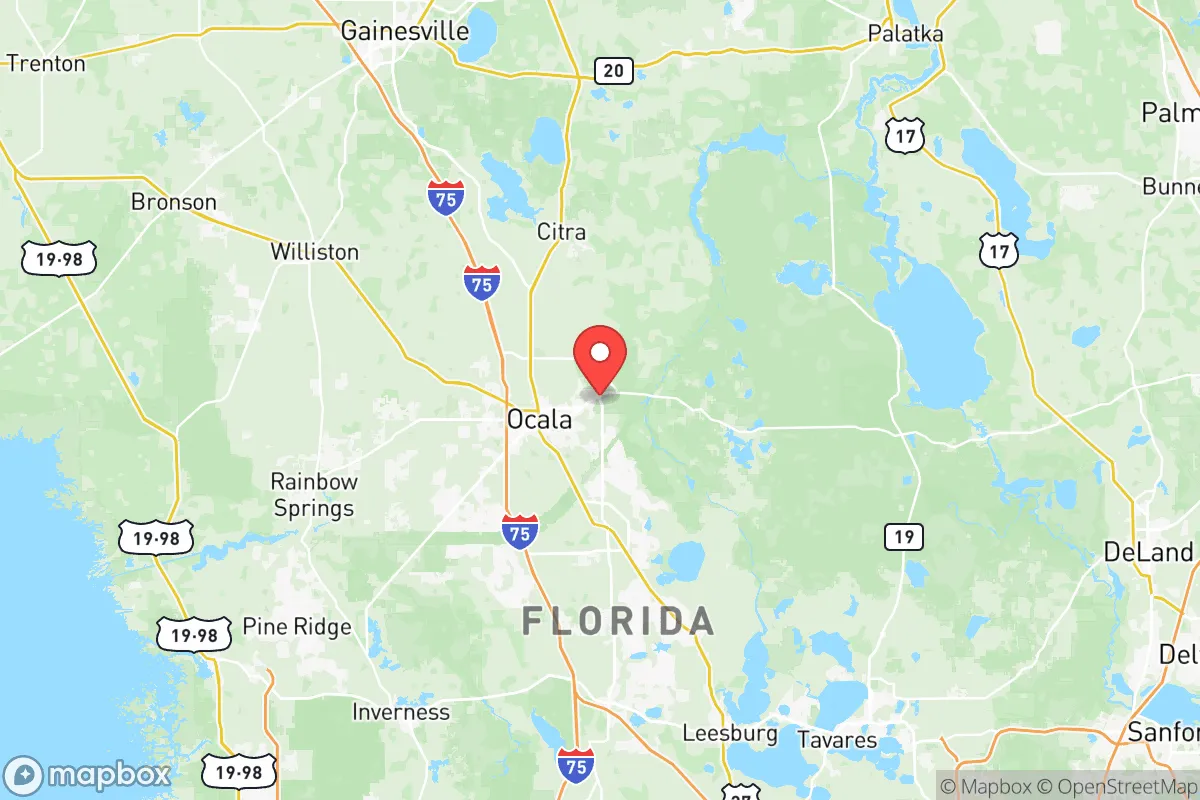
Photo: Wikipedia
Find The Best Places To Live in Marion County
PRO TIP! You can paste a Zillow or Redfin link to get info on that property.
Best Places to Live in Marion County
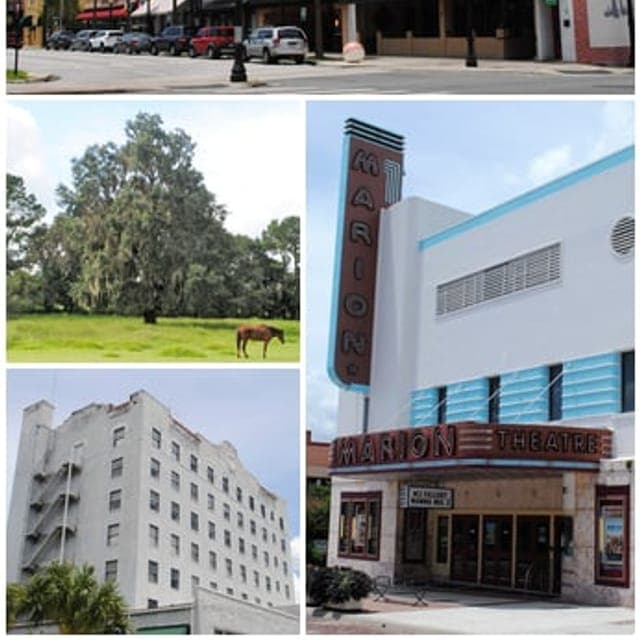
Cities & Towns in Marion County
Cities in Marion County
What It's Like Living in Marion County, FL
Living in Marion County, Florida, feels a bit like stepping into a quieter, slower-paced version of the Sunshine State, where horse farms and live oaks draped in Spanish moss are just as common as strip malls and subdivisions. It’s a place where the pace of life is dictated more by the seasons of the Ocala National Forest than by the rush hour of a major metro, and where the identity is proudly tied to its horse-country roots. Whether you’re settling into the historic brick streets of Ocala, the small-town charm of Dunnellon, or the rural quiet of Citra, the county offers a distinct blend of affordability and rural character that attracts families, retirees, and anyone looking to escape the breakneck growth of Orlando or Tampa.
Daily Rhythm: Horses, Highways, and Hometown Hangouts
A typical weekday in Marion County starts early, often with a commute that averages about 26 minutes—long enough to listen to a podcast, short enough to not feel like a grind. Many residents work in Ocala’s growing healthcare and logistics sectors, with major employers like AdventHealth Ocala and FedEx Ground distribution centers providing stable jobs. For those in the horse industry, the day might begin with feeding and training at one of the hundreds of thoroughbred farms that dot the countryside around Ocala and Summerfield. After work, you’re just as likely to find people grabbing dinner at a local staple like The Ivy House in Ocala or a cold beer at the craft-focused Infinite Ale Works as you are to see them heading to a big-box chain. Weekends often revolve around outdoor life: fishing the Rainbow River in Dunnellon, hiking the trails of the Ocala National Forest near Salt Springs, or hitting the Saturday morning market in downtown Ocala. The median age of 48.2 skews older, so you’ll notice a more relaxed, less “hustle” culture—people here value their time off and aren’t afraid to spend a Sunday afternoon on the porch.
Sports, Community, and the Horse-Country Identity
If there’s one thing that unites Marion County, it’s horses. The area is one of the top thoroughbred breeding and training centers in the world, and the World Equestrian Center in Ocala is a massive, year-round draw for competitions, shopping, and even concerts. But the sports scene isn’t just equestrian. High school football is a genuine community event, with schools like Vanguard High School and Trinity Catholic High School drawing big crowds on Friday nights. For college sports fans, the University of Florida in Gainesville is just a 45-minute drive north, making Gators games a common weekend road trip. The Ocala Stampede, a local soccer team, offers a more low-key pro sports experience. The cultural identity here is proudly rural and conservative, with a strong sense of self-reliance. You’ll see plenty of pickup trucks and American flags, and the local gun culture is visible but not aggressive. The biggest local festivals—like the Ocala Arts Festival or the Dunnellon Bluegrass Festival—reflect that mix of down-home and artistic, drawing crowds that feel more like a neighborhood block party than a citywide event.
What’s There to Do: Nature, Nightlife, and the Occasional Frustration
Outdoor recreation is the main event. The Ocala National Forest offers over 600 square miles of hiking, camping, and spring-fed swimming holes like Juniper Springs and Alexander Springs. The Rainbow River in Dunnellon is a state-designated aquatic preserve, perfect for tubing, kayaking, and snorkeling in crystal-clear water. For a night out, Ocala’s downtown has a growing food and bar scene, with spots like the craft cocktail lounge The Lodge and the live-music venue The Reilly Arts Center offering a more urban feel. But the honest pros and cons are worth noting. On the plus side, the cost of living index sits at 92 (100 is the US average), and the median home value of $220,800 is a genuine bargain compared to much of Florida. You can buy a decent three-bedroom house on a median income of $58,535 without feeling house-poor. On the downside, the violent crime rate of 207 per 100,000 is slightly above the national average, and property crime can be an issue in certain Ocala neighborhoods. The biggest frustration for many residents is the lack of high-end retail and dining—you’ll drive to Gainesville or Orlando for a Nordstrom or a really upscale restaurant. Traffic on I-75 can also be a headache during snowbird season, and the summer heat and humidity are relentless from June through September.
Who Fits In, and Who Might Struggle
This county is a great fit for people who value space, quiet, and a slower pace. It works well for families who want good schools (like those in the Marion County School District’s magnet programs) and a safe, rural environment for kids to grow up in. Retirees are drawn to the affordable housing and the active adult communities in places like The Villages (which borders the county) and On Top of the World in Ocala. Young professionals might find the social scene a bit limited unless they’re into outdoor sports or equestrian life. The college-educated population is only 22.4%, which means the workforce is more blue-collar and trade-focused. If you’re looking for a vibrant nightlife, a diverse food scene, or a fast-paced career in tech, you’ll likely feel bored. But if you want a place where you can own a home with land, raise a family without the constant buzz of a city, and spend your weekends on the water or in the woods, Marion County delivers. It’s not flashy, but it’s honest—and for the right person, that’s exactly the point.

* Values derived from national, state, county, city and local statistics and may differ in a specific area. Last updated: 2026-06-18T05:08:24.000Z
Narrative content on this page is AI-generated and may contain mistakes. Verify any details that matter before acting on them.
ReloMaps may earn a commission from affiliate links at no extra cost to you.

