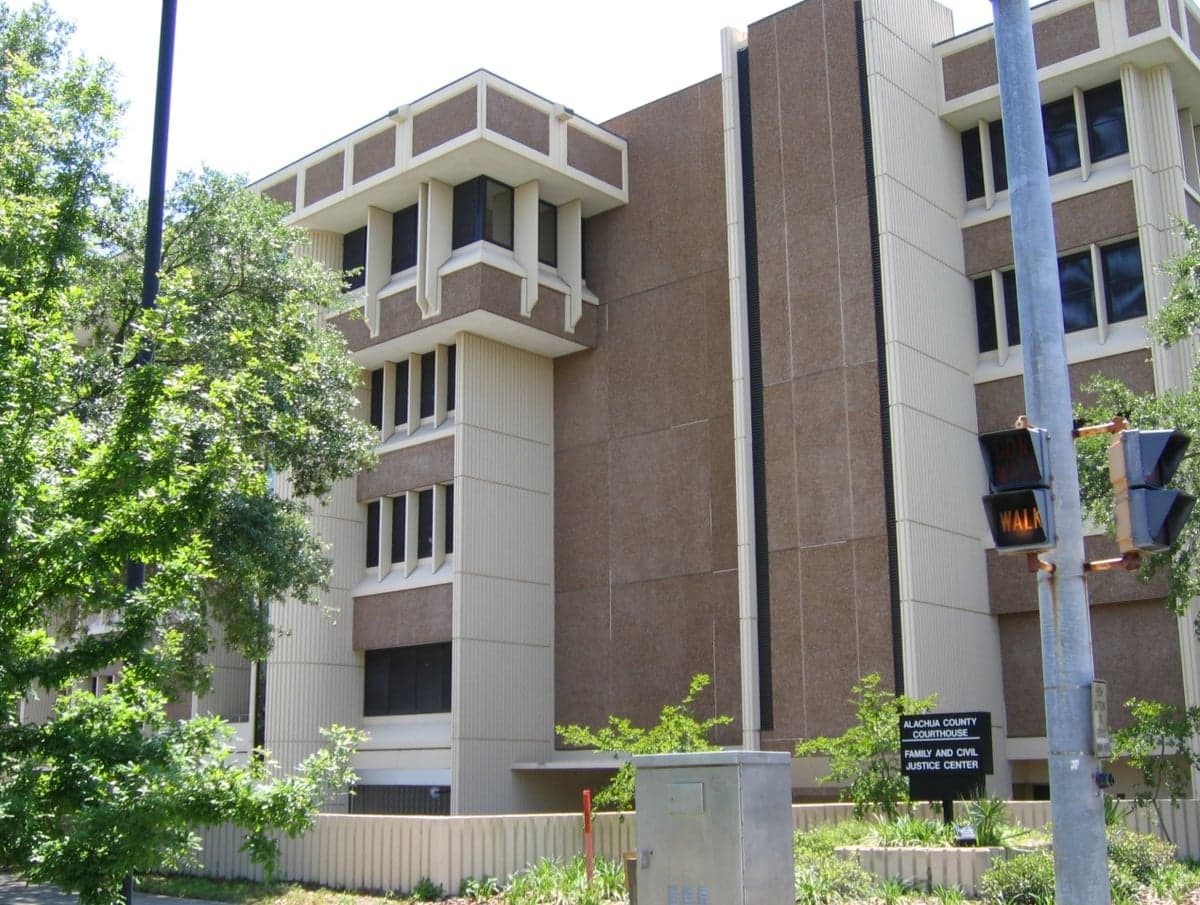
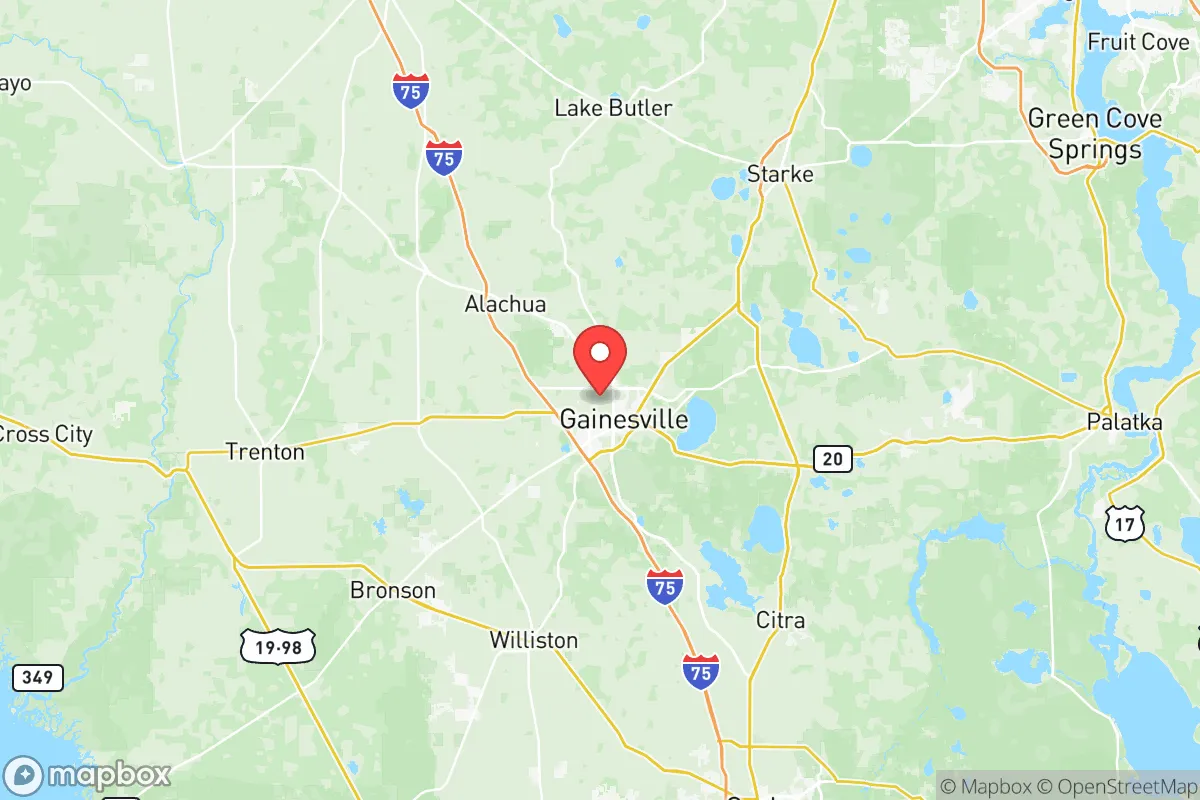
Photo: Wikipedia
Find The Best Places To Live in Alachua County
PRO TIP! You can paste a Zillow or Redfin link to get info on that property.
Best Places to Live in Alachua County
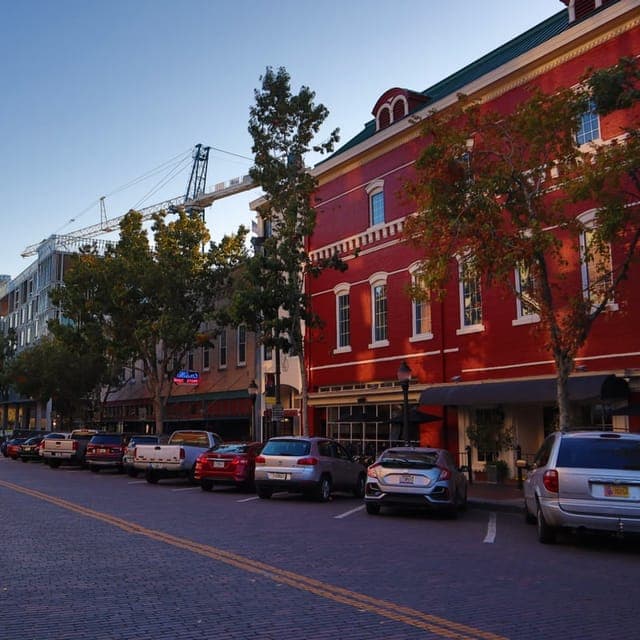
Cities & Towns in Alachua County
Cities in Alachua County
What It's Like Living in Alachua County, FL
Alachua County is a place of contrasts, where the energy of a major university town gives way to quiet, rural crossroads and historic small cities. Living here means navigating a landscape that shifts from the packed bike lanes and live music venues of Gainesville to the horse farms and spring-fed rivers of the county’s western and northern reaches. It’s a region that feels both youthful and deeply rooted, attracting students, medical professionals, and families who want access to culture and nature without the sprawl of a major metro.
The Daily Rhythm: University Town Meets Rural Pace
Daily life in Alachua County depends heavily on which of its distinct communities you call home. In Gainesville, the county seat and anchor, the rhythm is set by the University of Florida’s academic calendar. Weekday traffic on Archer Road and 13th Street can be heavy, but the average commute across the county is just over 21 minutes, a figure that feels accurate for those living outside the immediate campus core. Residents here shop at the sprawling Butler Plaza or the more walkable downtown area, where local spots like The Top and Satchel’s Pizza draw crowds. In contrast, life in High Springs or Newberry moves at a slower pace, centered around local diners, feed stores, and weekend trips to the Santa Fe River for tubing or kayaking. The median age of 32.2 reflects the student population, but the county also has established neighborhoods in Haile Plantation and Tioga where families and professionals settle for the long haul.
The kind of person who fits in here is someone who values a mix of intellectual stimulation and outdoor access. It’s a place for the UF professor who spends weekends canoeing the Ichetucknee, the young family who moved to Alachua for affordable housing and good schools, and the retiree who enjoys Gator sports and the cultural offerings of the Phillips Center. The median household income of $59,659 is below the national average, but the cost of living index of 103 means that a dollar stretches reasonably far, especially in the county’s smaller towns where home values are often well below the county median of $266,800.
Gator Nation and Community Pride
There is no escaping the gravitational pull of the Florida Gators. College football is the dominant cultural force from September through November, with Ben Hill Griffin Stadium — known as The Swamp — drawing 90,000 fans on game days. This isn’t just a pastime; it’s a civic event that shuts down parts of Gainesville and fills every restaurant and bar in town. But the sports culture runs deeper than the SEC. High school football is a serious matter in places like Gainesville High and Santa Fe High, where Friday nights in the fall are community gatherings. For those less interested in sports, the county offers a strong arts scene, including the annual Gainesville Downtown Festival & Art Show and the music venues of the Bo Diddley Plaza. The Hippodrome Theatre provides a dose of professional theater that is rare for a city of this size.
Outdoor life is a major part of the identity here. The county is laced with springs, rivers, and nature preserves. Paynes Prairie Preserve State Park, just south of Gainesville, offers bison and wild horse sightings, while the Devil’s Millhopper Geological State Park provides a surprising slice of rainforest-like terrain. For families, weekends often involve a trip to one of the many spring-fed parks, such as Poe Springs in High Springs, or a bike ride on the Gainesville-Hawthorne State Trail.
What Frustrates and What Endears
Longtime residents will be the first to point out the frustrations. The violent crime rate of 207 per 100,000 is higher than the national average, and property crime in areas close to the university can be a persistent annoyance. Traffic around the university and major shopping corridors can feel disproportionate for a county of 281,751 people, especially during football weekends. There is also a palpable tension between the transient student population and the permanent residents, particularly in neighborhoods near campus where rental properties dominate. Some locals grumble that the county’s politics — Alachua is a blue island in a red state — can feel out of step with the more conservative values found in the rural towns.
What keeps people here, despite these issues, is the genuine sense of community and the access to nature. The fact that 47.7% of adults hold a college degree creates a culture where book clubs, lecture series, and thoughtful conversation are easy to find. The schools, particularly in the High Springs and Newberry areas, are strong and serve as community hubs. The weather, while hot and humid from May through September, allows for year-round outdoor activity, and the seasonal rhythms — the explosion of spring green, the crisp football Saturdays in fall — give the year a comforting structure. Living in Alachua County means accepting a place that is not always polished, but is almost always interesting.

* Values derived from national, state, county, city and local statistics and may differ in a specific area. Last updated: 2026-07-12T07:58:14.000Z
Narrative content on this page is AI-generated and may contain mistakes. Verify any details that matter before acting on them.
ReloMaps may earn a commission from affiliate links at no extra cost to you.

