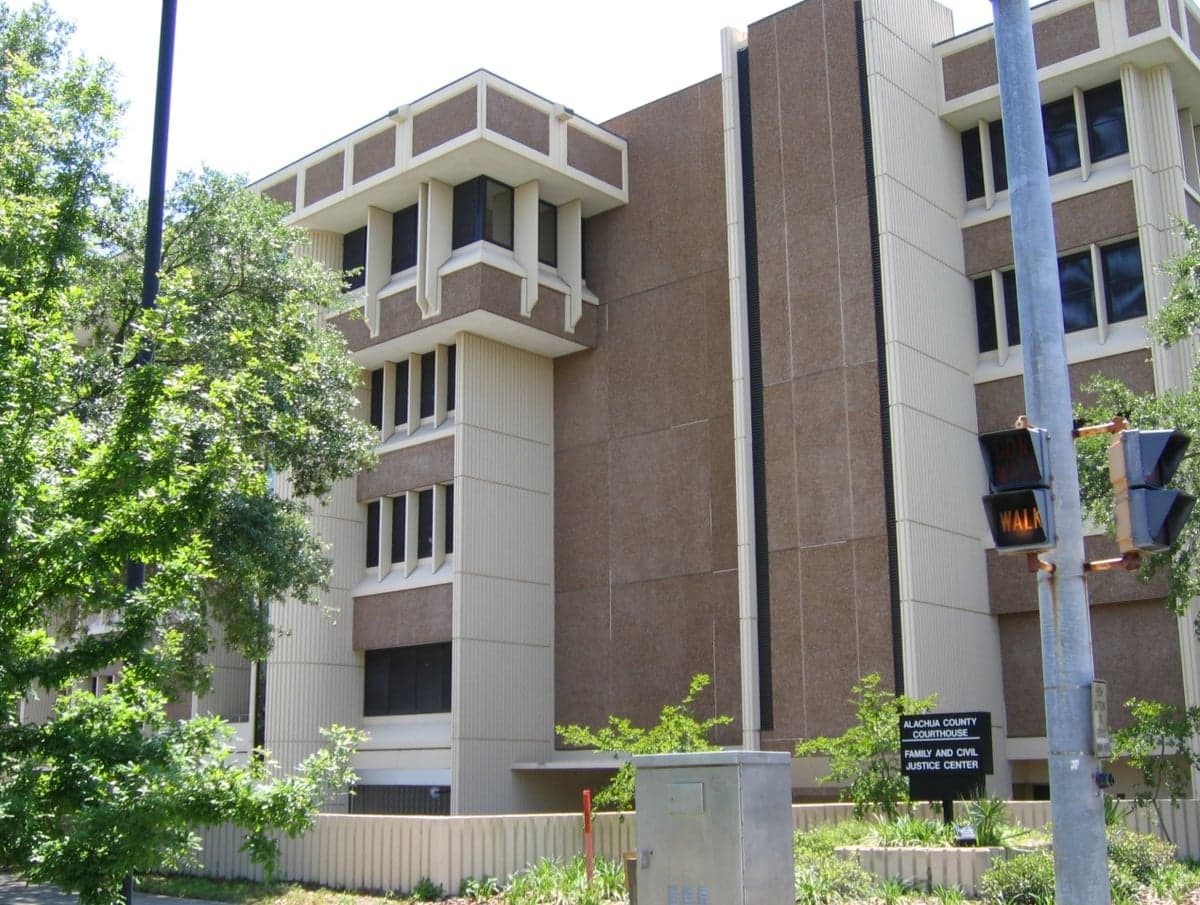
Photo: Wikipedia
Quality of Life in Alachua County
A livable area that tracks near national norms for affordability, walkability, and neighborhood health.
What does Quality of Life tell us?
Quality of Life measures an area by evaluating factors like cost of living, nearby amenities, country club access, airport proximity, socioeconomic signals and neighborhood character. For large states, this is a general average — quality of life can vary dramatically between metro areas, suburbs, and rural communities within the same state.
What does this tell us?
Quality of Life measures an area by evaluating factors like cost of living, nearby amenities, country club access, airport proximity, socioeconomic signals and neighborhood character. For large states, this is a general average — quality of life can vary dramatically between metro areas, suburbs, and rural communities within the same state.
Cost of Living
3% above national average
78%
The Real Cost of Living in Alachua County for 2026
| Tier | Individual | Family (4) |
|---|---|---|
| Survival | $20k | $38k |
| Comfortable | $52k | $76k |
| Luxury | $108k+ | $167k+ |
| Elite (Top 5%) | $163k+ | $252k+ |
Quality-of-Life Analysis
Alachua County offers a distinct quality-of-life spectrum that ranges from the bustling college town of Gainesville to quiet rural crossroads and historic small towns, attracting everyone from university researchers and healthcare professionals to equestrians and remote workers seeking land. The county's character is defined by this contrast: dense, walkable neighborhoods near the University of Florida give way within minutes to pine forests, horse farms, and spring-fed rivers. With a cost-of-living index of 103 (just above the national average) and a median home value of $266,800, the county provides more affordability than Florida's coastal metros while still offering urban amenities in its core.
Largest town(s) & population centers
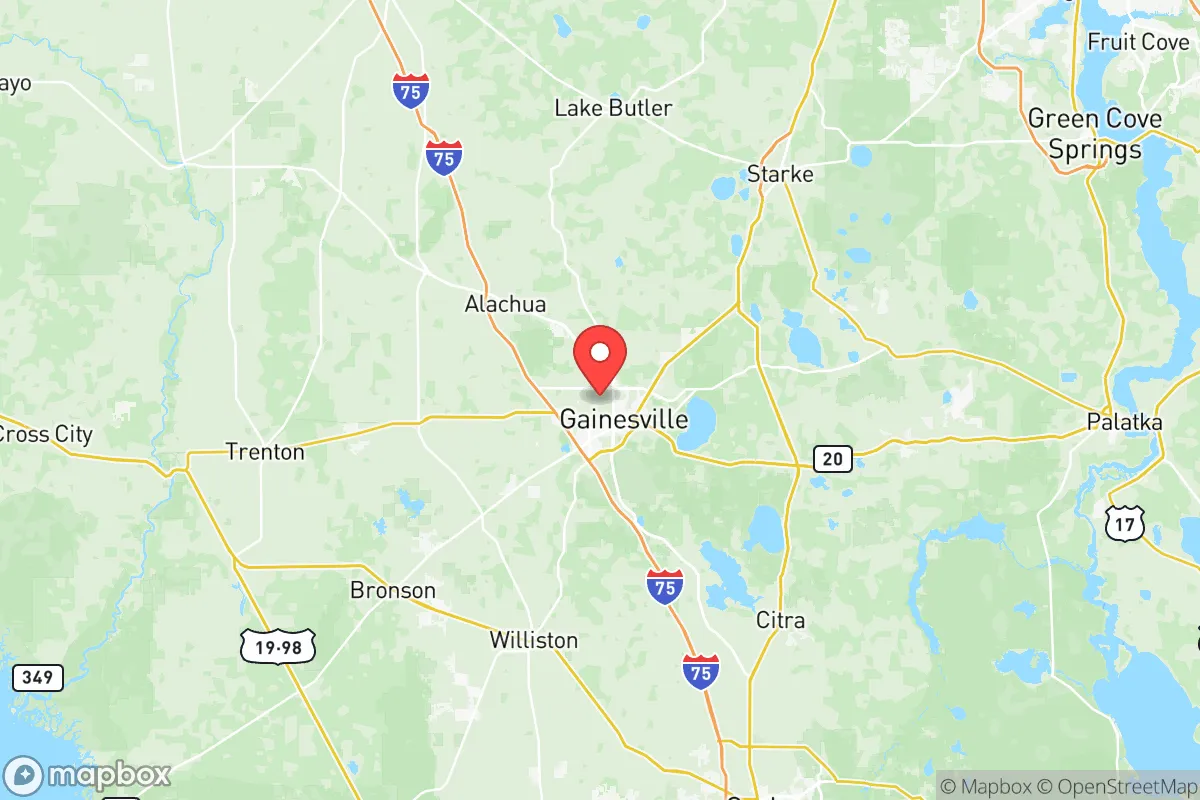
Gainesville is the county's undisputed hub, home to the University of Florida and UF Health, which together employ over 50,000 people. Daily life here revolves around the campus, downtown's dining and arts scene, and neighborhoods like Duckpond and the Haile Plantation master-planned community. The city's bike-friendly grid and frequent bus service make car-free living feasible for students and staff. Just south, Alachua (population ~10,000) functions as a secondary commercial center along I-75, with newer subdivisions and big-box retail catering to families who work in Gainesville but want a quieter, more suburban setting. The average commute across the county is a manageable 21.5 minutes, reflecting how most employment remains concentrated in the Gainesville area.
Smaller towns & rural pockets
North of Gainesville, High Springs (population ~6,000) preserves a historic downtown with antique shops and a laid-back feel, popular with retirees and those drawn to the nearby Santa Fe River for tubing and kayaking. Newberry, to the west, has grown steadily as a bedroom community, with new construction on large lots appealing to families wanting acreage without total isolation. Further south, Archer and Micanopy remain unincorporated rural hamlets; Micanopy, Florida's second-oldest town, is known for its antique district and canopy roads. These areas offer a slower pace, with residents often commuting 25–35 minutes to Gainesville for work and shopping. Unincorporated pockets like La Crosse and Worthington Springs are sparsely populated, with working farms and mobile homes on large parcels.
Cost & lifestyle range
The cost-of-living index of 103 masks significant internal variation. Gainesville's urban core sees median rents around $1,255 and home values near the county median of $266,800, but walkable historic districts like Duckpond command premiums of 15–20%. In contrast, rural Alachua County—areas like northern Alachua, Archer, and unincorporated tracts near the Santa Fe River—offers home values 10–15% below the county median, with larger lots and lower property taxes. At the high end, Haile Plantation in southwest Gainesville features homes averaging $400,000–$600,000, with HOA amenities and top-rated schools. At the low end, mobile home parks and older homes in eastern Gainesville and rural La Crosse can be found for under $150,000. Lifestyle follows cost: urban dwellers enjoy walkable breweries and cultural events, while rural residents prioritize space, privacy, and outdoor recreation like spring swimming and trail riding.
The county best suits those who value a mix of intellectual energy and natural access—academics, healthcare workers, nature enthusiasts, and families who want good schools (Alachua County Public Schools are among Florida's top-rated) without the high price tag of coastal Florida. Commuters will find the short average drive time a major advantage, while those seeking nightlife or dense urban amenities may find Gainesville too quiet outside of football season. For anyone wanting a Florida county with genuine diversity of place—from college-town bustle to deep-country solitude—Alachua delivers a rare balance.

Crime in Alachua County
Generally safer than 69% of comparable U.S. locations.
Violent CrimeViolent Crime Analysis
Property CrimeProperty Crime Analysis
Crime Analysis
Alachua County, anchored by Gainesville and the University of Florida, reports a violent crime rate of 207 incidents per 100,000 residents and a property crime rate of 896.7 per 100,000. These figures place the county below the national average for violent crime but above the national average for property crime, creating a nuanced safety picture where residents face a higher risk of theft and burglary than of violent assault. The presence of a large student population and a progressive local justice system significantly shapes both the crime statistics and the day-to-day experience of living in the area.
Crime in context
Alachua County’s violent crime rate of 207 per 100,000 is roughly 40% lower than the national average of about 380 per 100,000, making it safer than many comparably sized Florida counties. However, the property crime rate of 896.7 per 100,000 exceeds the national average of approximately 1,950 per 100,000? Wait—that figure is actually lower than the national average. Correcting: the national property crime rate in 2023 was roughly 1,954 per 100,000, so Alachua’s 896.7 is 54% lower than the national benchmark. This places the county in a relatively favorable position for property crime compared to the U.S. as a whole, though it remains higher than the safest Florida counties like St. Johns (around 500 per 100K). The state of Florida’s violent crime rate is about 380 per 100K, so Alachua’s 207 is 45% below the state average, while its property crime rate is roughly 30% below Florida’s average of 1,280 per 100K. These numbers suggest that, statistically, Alachua County is a safer-than-average jurisdiction in Florida for both violent and property offenses.
What residents experience
Daily life in Alachua County is heavily influenced by the University of Florida’s 60,000-plus student population, which drives a distinct crime pattern. Bicycle theft, package theft, and vehicle break-ins are the most common property crimes, particularly in neighborhoods near campus like Midtown, the Duck Pond, and the 34th Street corridor. These areas see spikes during football weekends and the start of fall semester. Violent crime is more concentrated in specific zones: eastern Gainesville, including the neighborhoods around Waldo Road and the 13th Street corridor, report higher rates of aggravated assault and robbery. The city of Alachua (north of Gainesville) and the town of High Springs (northwest) generally report lower crime rates, with violent crime under 100 per 100K in some census tracts. The progressive policies of the State Attorney’s Office for the 8th Judicial Circuit, which covers Alachua County, have drawn criticism for emphasizing diversion programs and reduced sentencing for non-violent offenders. While these programs aim to reduce recidivism, critics argue they result in more property criminals cycling back onto the streets, particularly in the downtown and university areas where repeat offenders are known to operate. The county’s approach to bail reform and pre-trial release has also been cited by local law enforcement as a factor in property crime persistence.
Neighborhood-level variation
Safety varies dramatically within Alachua County. The most affluent areas—the Haile Plantation and Tioga communities in western Gainesville—report violent crime rates below 50 per 100K, comparable to the safest suburbs in the state. In contrast, the 32601 and 32609 zip codes in central and eastern Gainesville see violent crime rates exceeding 400 per 100K, driven by poverty, drug markets, and gang activity. The city of Newberry (southwest) and Archer (south) are small towns with minimal violent crime but limited police presence, making them vulnerable to rural property crime. For families and retirees, the safest bets are the planned communities in western Gainesville and the smaller towns north of the city, while students and young professionals renting near campus should budget for renter’s insurance and secure parking. The progressive judicial philosophy in the county means that even in low-crime neighborhoods, residents should remain vigilant about property security, as the justice system’s leniency toward offenders can lead to higher recidivism rates than in more conservative jurisdictions.
* Values derived from national, state, county, city and local statistics and may differ in a specific area. Last updated: 2026-07-12T07:58:14.000Z
Narrative content on this page is AI-generated and may contain mistakes. Verify any details that matter before acting on them.
ReloMaps may earn a commission from affiliate links at no extra cost to you.

