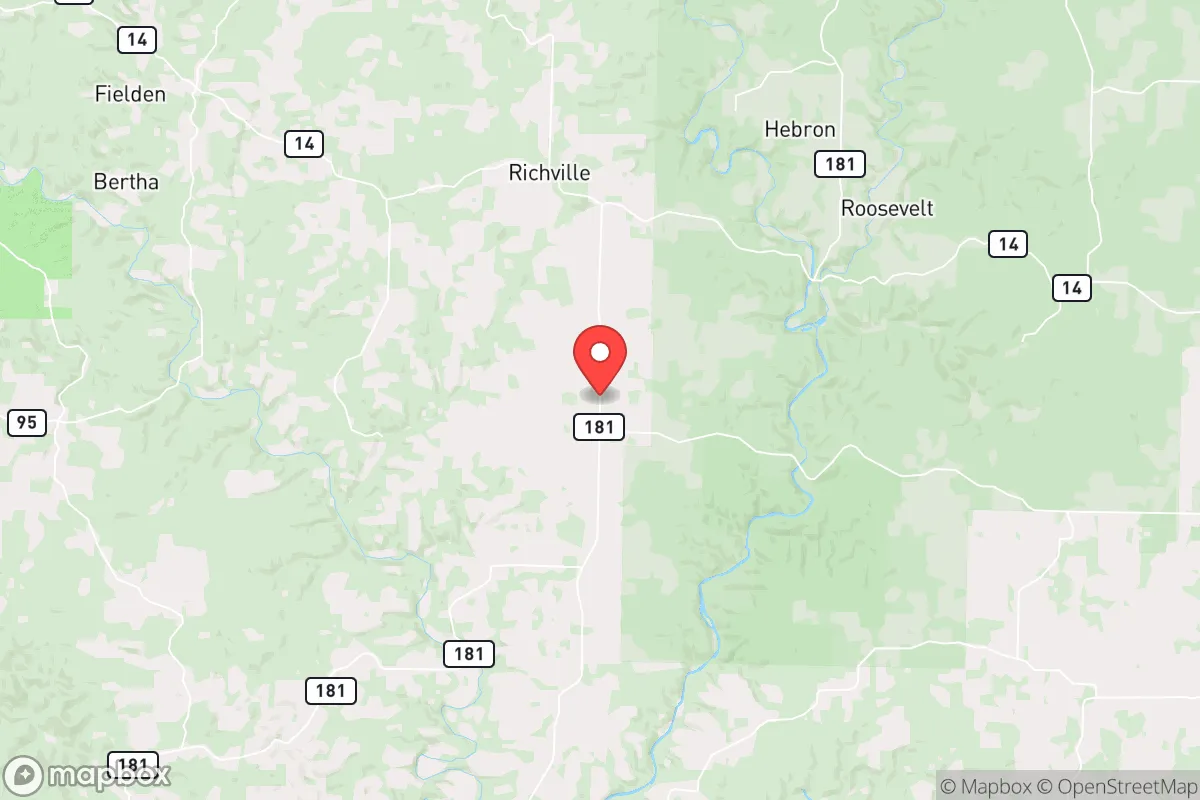
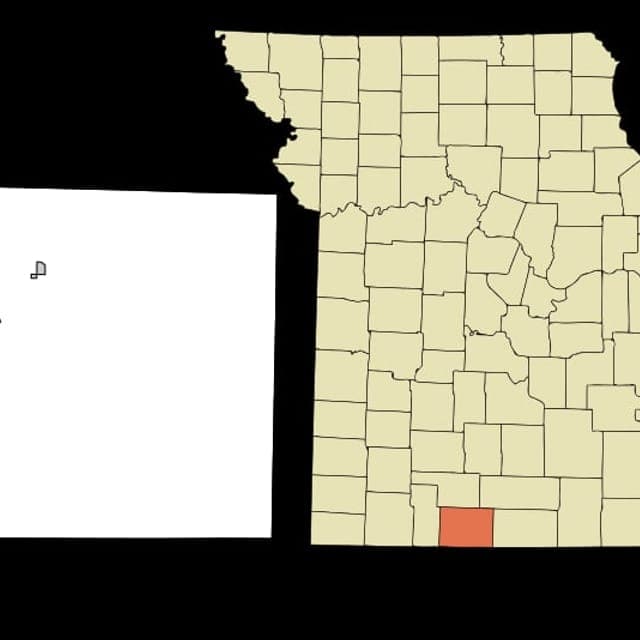
An Unincorporated Community in Ozark County, Missouri
Find The Best Places To Live
in Dora
PRO TIP! You can paste a Zillow or Redfin link to get info on that property.
What It's Like Living in Dora, MO
Dora, Missouri, is the kind of place where you wave at every pickup truck you pass on Highway 181, and the biggest decision of your week might be whether to grab a catfish dinner at the local diner or head to the river for a Saturday afternoon float. With a population just shy of 4,600, this Ozarks community moves at a pace that feels deliberately slow—a sharp contrast to the sprawl of Springfield an hour to the north. It’s a town where the high school football game on a Friday night is the social calendar’s main event, and where the cost of living is so low that a median income of $46,821 actually stretches further than you’d expect.
Daily Rhythm in a Small Ozarks Town
Life in Dora revolves around a handful of anchors: work, school, church, and the outdoors. Most residents commute—the average drive is about 30 minutes one way—often to jobs in West Plains or Mountain Grove, where manufacturing, healthcare, and retail provide the bulk of employment. Those who stay local tend to work in trades, agriculture, or at the school itself. The median age of 50.3 tells you this isn’t a town of young professionals; it’s a place where people settle down after raising kids, or where families put down roots and stay for generations. You’ll find a lot of folks in their 40s and 50s who grew up here, left for a while, and came back for the quiet.
Weekends are simple. A typical Saturday might start with coffee at the Dora Country Store, then a trip to the river—the North Fork of the White River is just a few miles east, and it’s a prime spot for trout fishing, kayaking, or just sitting on a gravel bar with a cooler. There’s no mall, no movie theater, no chain restaurant scene. The nearest Walmart is in West Plains, about 20 minutes south. That’s not a complaint for most residents—it’s a feature. People here value space, privacy, and the ability to be outside without crowds.
Sports, Community, and the School as a Hub
If there’s a beating heart in Dora, it’s the Dora High School Falcons. With a student body that barely cracks 200 across all grades, the school is the community’s living room. Friday night football in the fall draws a crowd that includes grandparents, local business owners, and kids who graduated decades ago. Basketball season is just as big, and the gym gets loud for rivalry games against Bakersfield or Lutie. The school isn’t just about sports—it’s where town meetings happen, where the annual fall festival sets up, and where parents know every teacher by first name. For a family moving in, the school is the fastest way to feel connected.
Beyond school events, community life is informal. There’s a volunteer fire department that doubles as a social organization, and the Dora Community Building hosts potlucks, gospel sings, and the occasional hunter’s dinner. You won’t find a bar scene—the nearest place for a beer is likely a VFW hall or a private club. The cultural identity here is deeply rooted in rural self-reliance, Christian faith, and a suspicion of government overreach. That’s not a political statement; it’s just how people talk about their lives. If you’re looking for a place where neighbors help you haul a fallen tree off your driveway without being asked, you’ve found it.
What There Is to Do (and What There Isn’t)
Outdoor recreation is the main draw. The Mark Twain National Forest surrounds Dora, offering thousands of acres for hiking, hunting, and off-road riding. The North Fork River is a designated Blue Ribbon trout stream, and it’s not unusual to see fly fishermen from Kansas City or St. Louis on a weekend. Caney Mountain Conservation Area is a short drive north, known for its elk herd and rugged trails. For a bigger outing, the Norfork Lake recreation area in Arkansas is about 45 minutes south, with houseboat rentals and swimming beaches.
Entertainment options are limited. There’s no movie theater, no bowling alley, no music venue. The closest thing to nightlife is a dinner at the Rustic Oak Cafe in nearby Willow Springs or a drive to West Plains for a show at the Avenue Theatre. The biggest annual event is the Ozark Empire Fair in Springfield, but locally, the Dora Fall Festival in October is the highlight—think carnival games, a parade, and enough fried food to last through winter. For a town of 4,572, the lack of commercial entertainment is the trade-off for having zero traffic jams and a cost of living index of 55—roughly half the national average.
Pros and Cons of Life in Dora
- Pro: Affordability. The median home value of $159,600 means a family earning the median income can actually buy a house with a yard. Rent is similarly low, and property taxes are negligible compared to the coasts or even St. Louis suburbs.
- Con: Limited job options. Unless you work remotely, commute, or are in a trade, local employment is thin. The 29.5-minute average commute reflects that many residents drive to West Plains or Mountain Grove for work.
- Pro: Safety in daily life. Despite a violent crime rate of 413.1 per 100,000—which is above the national average—most crime is domestic or drug-related, not random street crime. Residents leave their doors unlocked and keys in the truck. The statistic is real, but it doesn’t match the lived experience of most people here.
- Con: Limited amenities. No hospital in town (closest ER is 20 minutes away), no grocery store beyond a small market, and no sit-down restaurant that’s open past 8 p.m. You’ll drive for most errands.
- Pro: Genuine community. When someone’s barn burns down or a family loses a breadwinner, the community shows up with a fundraiser and a casserole. That’s not a cliché here—it’s how things work.
- Con: Isolation. If you’re single and under 30, the dating pool is tiny. Most social life revolves around families and church. It’s a great place to raise kids or retire, but less ideal for young adults without a built-in social network.
The weather follows the typical Ozarks pattern: humid summers with highs in the 90s, mild springs and falls, and winters that bring occasional ice storms but rarely heavy snow. The seasonal rhythm is tied to hunting seasons (deer in November, turkey in April) and planting cycles. Tornado warnings are a spring reality, but most homes have basements or storm shelters. For the right person—someone who values quiet, space, and a slower pace—Dora offers a life that’s hard to find anywhere else. For someone who needs convenience, variety, or career growth, it’s probably a pass. That honesty is exactly what makes the people here so straightforward: they know what they’ve got, and they’re not trying to sell you on anything else.

Similar small towns to Dora
* Values derived from national, state, county, city and local statistics and may differ in a specific area. Last updated: 2026-09-07T02:10:32.000Z
Narrative content on this page is AI-generated and may contain mistakes. Verify any details that matter before acting on them.
ReloMaps may earn a commission from affiliate links at no extra cost to you.

