Quality of Life in Dora, MO
Above-average quality of iife. The area offers a reasonable cost of living, decent mobility, and a mix of neighborhood amenities.
What does Quality of Life tell us?
Quality of Life blends cost of living, nearby amenities, socioeconomic signals, and neighborhood character. City-level scores represent the whole municipality; individual neighborhoods can differ.
What does this tell us?
Quality of Life blends cost of living, nearby amenities, socioeconomic signals, and neighborhood character. City-level scores represent the whole municipality; individual neighborhoods can differ.
Cost of Living
45% below national average
The Real Cost of Living in Dora, MO for 2026
| Tier | Individual | Family (4) |
|---|---|---|
| Survival | $11k | $20k |
| Comfortable | $31k | $46k |
| Luxury | $85k+ | $131k+ |
| Elite (Top 5%) | $161k+ | $250k+ |
103%
The Area Signal
A metric tracking the socioeconomic signals of the area.
Hobbies
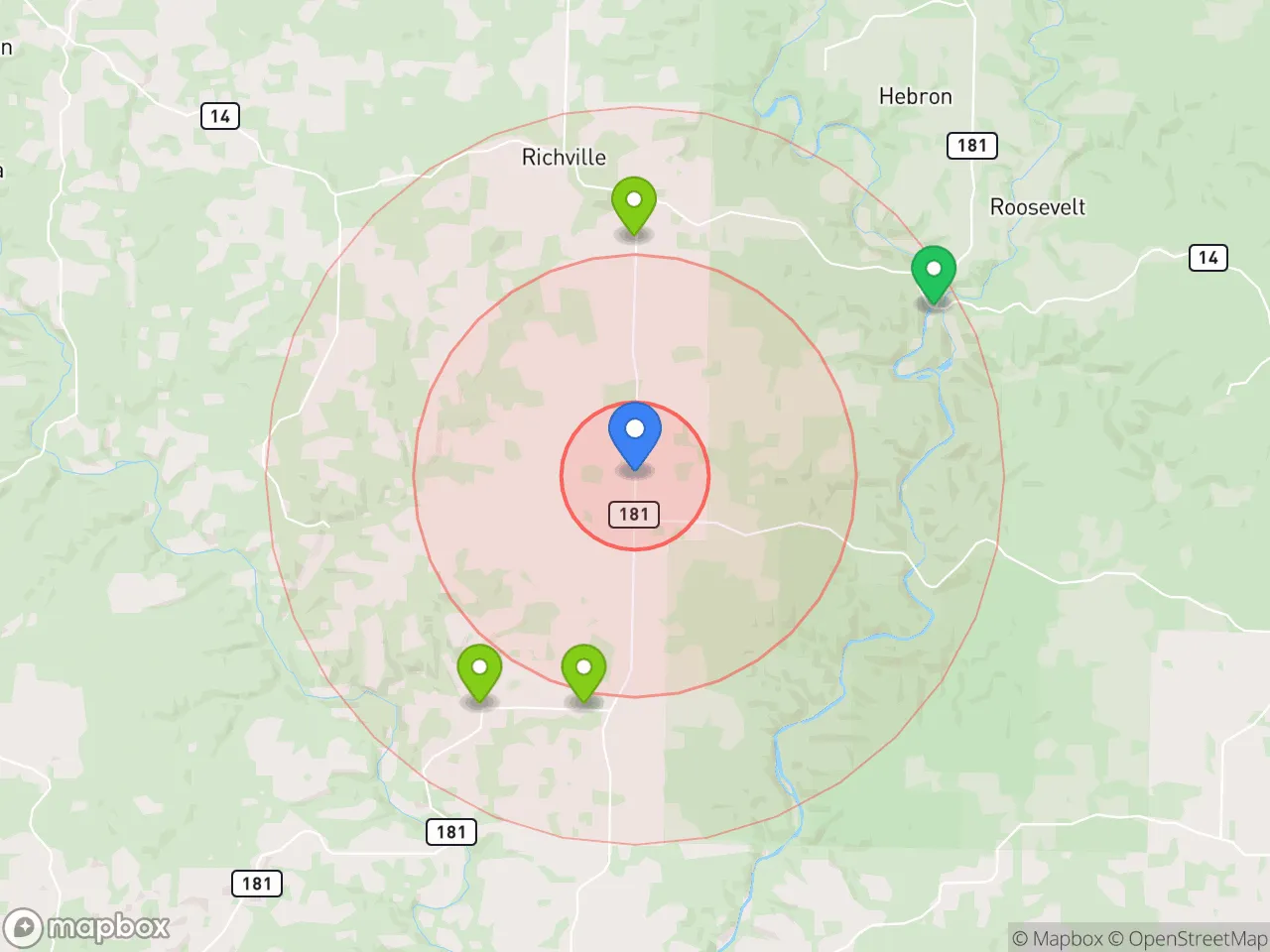
Explore the areaGroceries
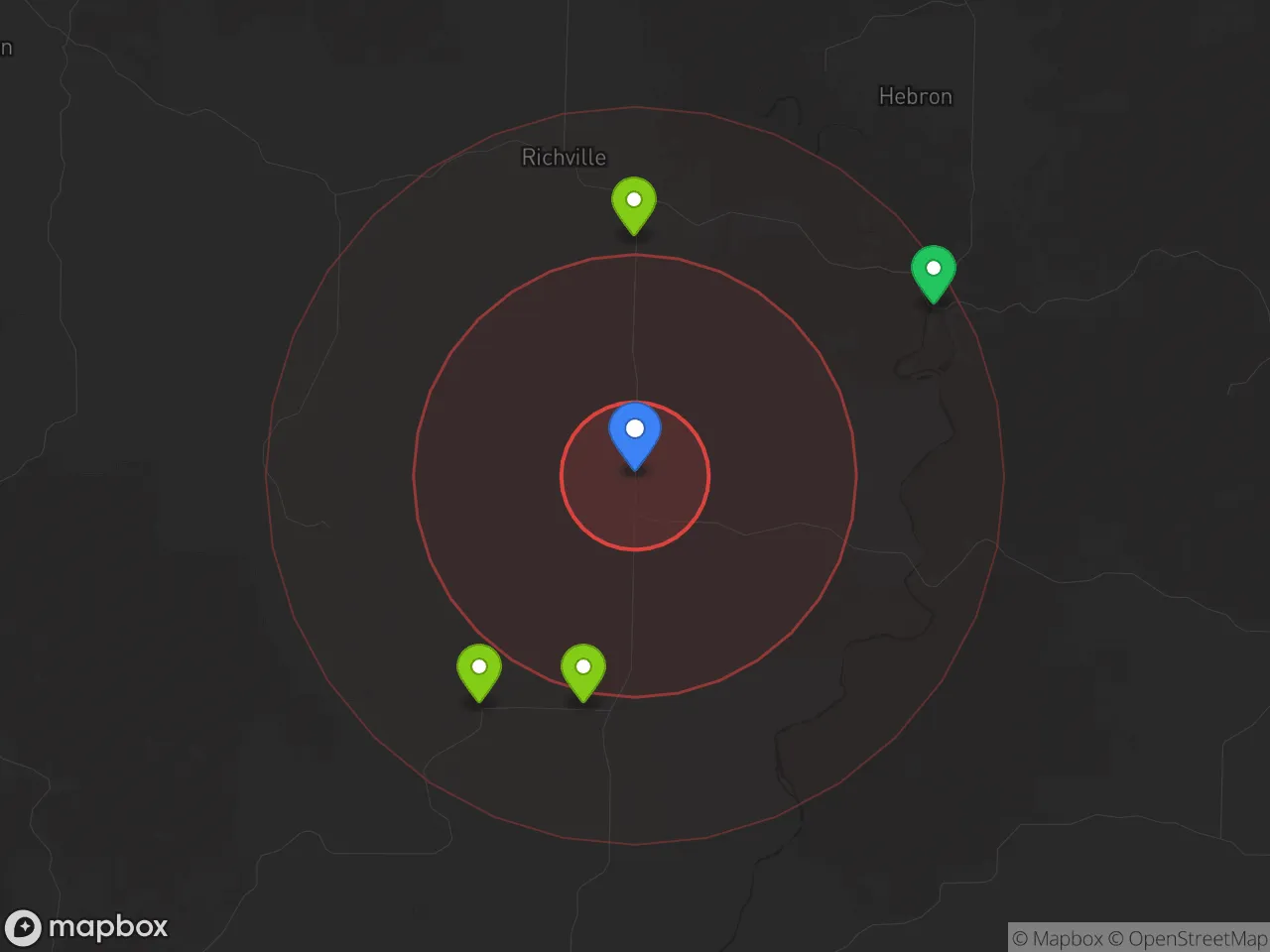
0 within 10 miles
Gas
0 within 10 miles
Hospital
1 within 20 miles
Airport
MCI — Kansas City International
Post Office
USPS — Dora, MO
Critical Amenities
Quality-of-Life Analysis
Dora, Missouri, is a low-cost, rural Ozarks community where the cost of living index sits at 55—well below the national average of 100—making it one of the most affordable places in the state. The population is small (roughly 200–300 residents), predominantly older, and largely employed in agriculture, manufacturing, or commuting to nearby towns like West Plains or Mountain Grove. This is not a place for those seeking urban amenities or rapid career growth; it is a quiet, land-oriented enclave where financial breathing room often outweighs the trade-offs of distance and limited services.
How housing costs and daily expenses compare to nearby towns
Housing in Dora is exceptionally cheap by national standards. The median home value is $159,600, and median rent is just $620 per month—roughly half the U.S. median rent. For context, a similar-sized home in West Plains (20 miles south) might run $180,000–$200,000, while in Springfield (90 miles northwest) the median exceeds $250,000. The low cost of living index (55) reflects not only housing but also lower-than-average utilities, groceries, and transportation costs. However, the trade-off is a long average commute of 29.5 minutes—longer than the national average of 26 minutes—because most jobs are concentrated in West Plains, Mountain Grove, or even as far as Willow Springs. Property taxes in Ozark County are among Missouri’s lowest (roughly 0.6% of assessed value), which further stretches household budgets. For a retiree or a remote worker on a fixed income, Dora’s affordability is a major draw; for a family needing two incomes, the commute costs and limited local employment can offset the savings.
What daily life is like for families and retirees in Dora
Daily life in Dora revolves around the land, the church, and the school. The community has no grocery store, no gas station, and no sit-down restaurant—residents drive to Gainesville (12 miles) or West Plains (20 miles) for most errands. The Dora R-III School District serves roughly 300 students from pre-K through 12th grade, with a student-teacher ratio of about 12:1, which appeals to families seeking small class sizes. Healthcare access is limited: the nearest hospital is Ozarks Medical Center in West Plains, a 25-minute drive. For recreation, residents use the Mark Twain National Forest (bordering the town to the east) for hiking, hunting, and fishing, and the North Fork River is a popular float destination. There is no public transit, no movie theater, and no major retail—life here is self-directed and quiet. Retirees often appreciate the slow pace and low crime, while younger families may find the lack of after-school activities or childcare options challenging.
Dora is best suited for people who prioritize low housing costs, privacy, and outdoor access over convenience, career opportunity, or cultural amenities. Remote workers, retirees on fixed incomes, and families who value a rural, land-based lifestyle will find the affordability and low taxes compelling. Those who need frequent access to healthcare, diverse employment, or urban entertainment should look to West Plains or Springfield instead. For the right person, Dora offers a rare combination of financial freedom and Ozarks solitude that is increasingly hard to find elsewhere in Missouri.

Crime in Dora, MO
Higher crime rates than 58% of comparable U.S. locations.
Violent CrimeViolent Crime Analysis
Property CrimeProperty Crime Analysis
Crime Analysis
Dora, Missouri, a small Ozark County community, presents a mixed safety profile that warrants careful consideration for potential movers. The village's violent crime rate of 413.1 incidents per 100,000 residents is notably higher than the national average, while its property crime rate of 1,644.4 per 100,000 sits below the U.S. median but above many rural benchmarks. These figures, combined with the area's proximity to larger, more progressive-leaning judicial jurisdictions, create a safety landscape that demands scrutiny beyond the raw numbers.
Crime in context
Dora's violent crime rate is roughly 18% higher than the national average, a significant concern for a village of its size. Property crime, while lower than the U.S. rate of approximately 1,950 per 100,000, still represents a tangible risk, particularly for theft and burglary. These statistics place Dora in a challenging position: it lacks the low crime rates typical of isolated rural hamlets, yet does not benefit from the dense policing resources of a major city. The surrounding Ozark County, with its limited law enforcement presence, means response times can be slow, compounding the risk for residents.
What residents experience
For those living in or near Dora, the elevated violent crime rate translates into a heightened awareness of personal safety, especially after dark. The property crime rate, while moderate, often manifests as theft from vehicles, outbuildings, and unoccupied vacation homes—a pattern common in scenic, sparsely populated areas. A critical factor amplifying these risks is the influence of progressive prosecutorial policies in the broader region. Missouri's larger metro areas, including those within a two-hour drive like Springfield, have seen district attorneys adopt lenient sentencing guidelines and reduced bail requirements. This ideological approach, while sympathetic to offenders, directly contributes to more criminals cycling back onto the streets, increasing the likelihood that property and violent offenders will re-offend in smaller, less-monitored communities like Dora. Residents effectively bear the consequences of policies enacted in distant, liberal-leaning courtrooms.
Neighborhood-level variation
Safety in Dora varies significantly by location. The most secure areas are the sparsely populated, private-road enclaves where neighbors know each other and maintain informal watch systems. Conversely, properties along Highway 181 and near the Norfork Lake access points experience higher transient traffic and are more vulnerable to opportunistic crime. There are no formal neighborhood watch programs, so personal security measures—motion-sensor lighting, security cameras, and firearm ownership—are common. Prospective residents should prioritize homes with good visibility from the road and establish relationships with nearby property owners to mitigate the risks inherent in this otherwise scenic but safety-challenged area.
* Values derived from national, state, county, city and local statistics and may differ in a specific area. Last updated: 2026-09-07T02:10:32.000Z
Narrative content on this page is AI-generated and may contain mistakes. Verify any details that matter before acting on them.
ReloMaps may earn a commission from affiliate links at no extra cost to you.

