Demographics of Dora, MO
Affluence Level in Dora, MO
A middle-class area roughly in line with national averages across income, home values, education, and employment.
People of Dora, MO
Dora, Missouri, is a small, tightly-knit Ozarks community of 4,572 residents, characterized by its overwhelming racial and ethnic homogeneity. The population is 95.4% White and 2.9% Hispanic, with a foreign-born share of just 0.2% and a college education rate of 12.7%, reflecting a deeply rooted, working-class culture centered on family, faith, and self-reliance. The people of Dora are predominantly lifelong residents or those who have moved from nearby rural areas, creating a community where generational ties and local networks define daily life.
How the city was settled and grew
Dora’s human history begins in the mid-19th century, when the area was part of the rugged Ozark frontier. The first permanent settlers were predominantly of Scots-Irish and English descent, drawn by the promise of cheap land and the opportunity to establish small subsistence farms in the wooded hills. The founding of the town itself came with the arrival of the railroad in the late 1880s, which connected the area to larger markets and spurred a modest timber and agricultural economy. The original population clustered around what is now Old Town Dora, a historic district along the railroad tracks where the first general store, blacksmith shop, and church were built. A second wave of settlers, also largely of Northern European stock, arrived in the early 1900s to work in the region’s sawmills and lead mines, settling in the Mill Creek Hollow area, a neighborhood of small frame houses and family farms that still retains its rural character. By the mid-20th century, Dora’s population remained small and overwhelmingly White, with a culture shaped by Baptist and Methodist congregations and a seasonal rhythm tied to farming and timber.
Modern era (post-1965)
Following the 1965 Immigration and Nationality Act, Dora experienced virtually no influx of foreign-born residents, a pattern consistent with its isolated geography and lack of major industrial employers. The post-1965 era instead saw a slow, steady domestic in-migration of White families from other parts of the Ozarks and from the declining industrial towns of the Midwest, such as St. Louis and Kansas City. These newcomers were often retirees seeking a lower cost of living or younger families looking for a safer, slower-paced environment. They concentrated in newer subdivisions like Pine Ridge Estates, a development of single-family homes built in the 1990s and 2000s on the town’s eastern edge, and Lakeview Acres, a collection of homes near the nearby Norfork Lake that attracted fishing and boating enthusiasts. The Hispanic population, now at 2.9%, began to appear in the 2000s, primarily as workers in the region’s poultry processing plants and construction trades. These families have settled mostly in the South Dora area, a less-developed section of town with more affordable rental housing and mobile home parks. The Black, Asian, and Indian populations remain at 0.0%, reflecting the area’s lack of economic pull for these groups and the broader demographic patterns of the rural Ozarks.
The future
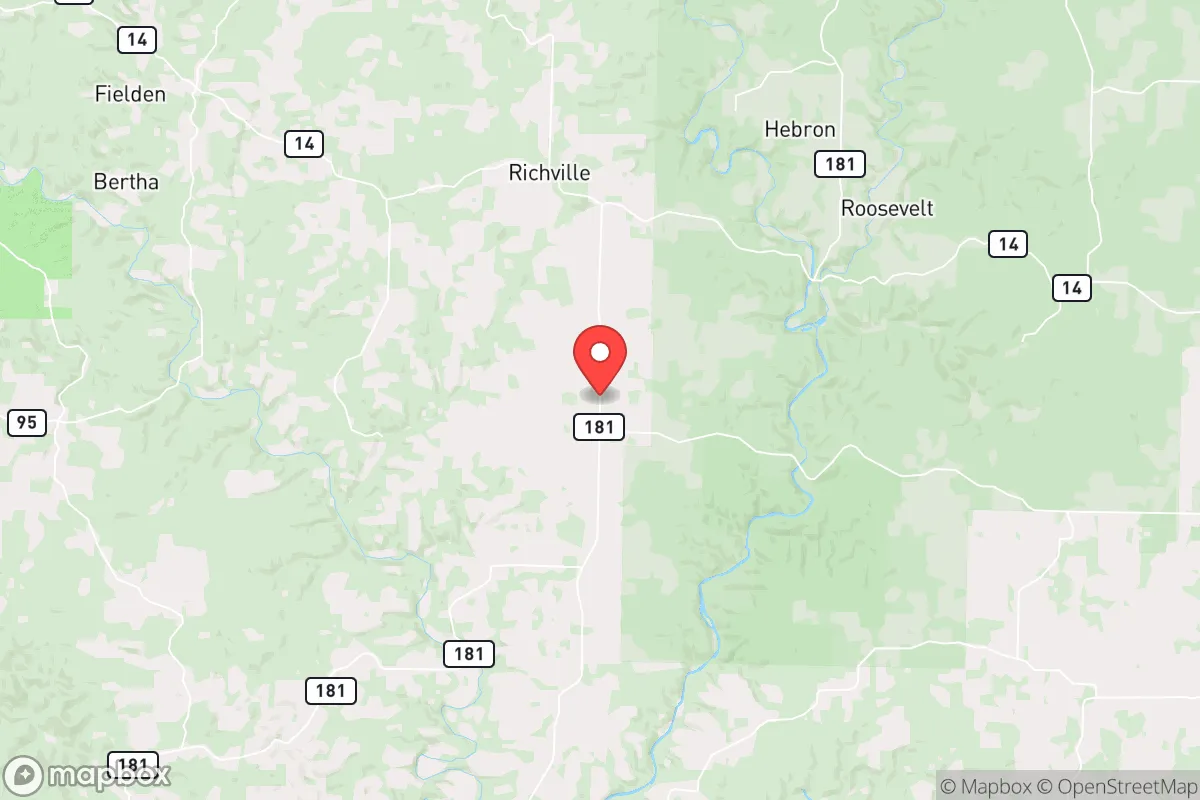
Dora’s population is projected to remain stable or see very slight growth over the next 10-20 years, driven primarily by domestic migration of White retirees and remote workers from more expensive parts of Missouri and neighboring states. The town’s demographic profile is unlikely to become significantly more diverse; the Hispanic share may increase modestly as the regional poultry and construction industries continue to attract labor, but the foreign-born population will likely remain below 1%. New residential development is expected to concentrate in the North Ridge area, a stretch of land along Highway 181 where several new subdivisions are being platted for single-family homes. The cultural identity of Dora is evolving from a purely agrarian community to one that blends its traditional Ozark roots with a growing number of residents who commute to jobs in nearby West Plains or Mountain Home, Arkansas. This shift is bringing a slightly more suburban sensibility, but the town’s core values of independence, church involvement, and neighborly familiarity remain intact.
For someone moving in now, Dora offers a stable, predictable community where the population is overwhelmingly White, native-born, and locally connected. The lack of diversity and low educational attainment levels may be a limitation for some, but for those seeking a quiet, affordable, and family-oriented environment in the Ozarks, the town’s demographic trajectory suggests it will remain exactly that for the foreseeable future.

* Values derived from national, state, county, city and local statistics and may differ in a specific area. Last updated: 2026-09-07T02:10:32.000Z
Narrative content on this page is AI-generated and may contain mistakes. Verify any details that matter before acting on them.
ReloMaps may earn a commission from affiliate links at no extra cost to you.

