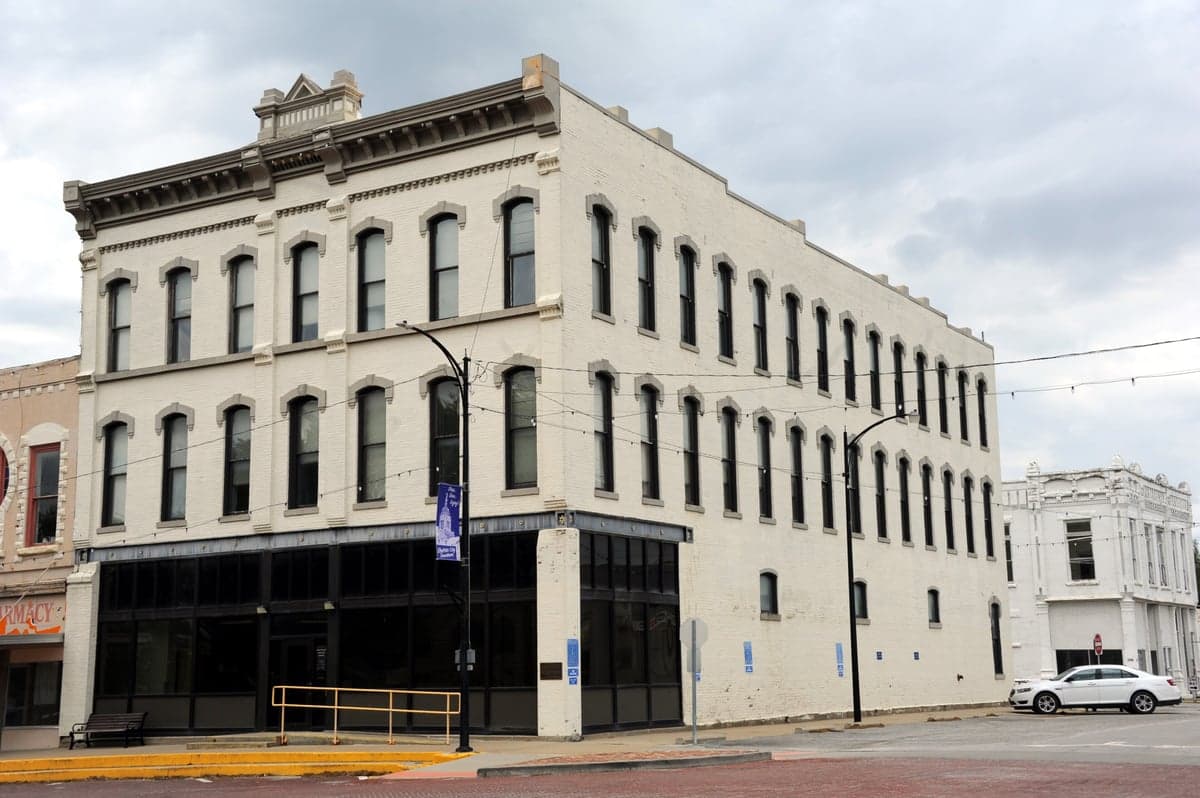
Photo: Wikipedia
Find The Best Places To Live
in Butler
PRO TIP! You can paste a Zillow or Redfin link to get info on that property.
What It's Like Living in Butler, MO
Butler, Missouri, population 4,594, feels like a place where everybody knows your name—and probably your truck, too. It’s a small, working-class town in Bates County where the pace is slow, the cost of living is shockingly low, and the community rallies around high school football and church potlucks. Life here is straightforward, neighborly, and deeply rooted in the rhythms of rural Missouri, but it comes with real trade-offs in amenities, safety perception, and economic opportunity.
Daily Rhythm: What Life Actually Looks Like
A typical weekday in Butler starts early. Many residents commute an average of 29 minutes to jobs in larger towns like Nevada, Harrisonville, or even the Kansas City metro area, about an hour north. Those who work locally often find jobs in manufacturing, healthcare at the Bates County Memorial Hospital, or in the school district. By late afternoon, the Sonic Drive-In on W. Fort Scott Street and the Casey’s General Store parking lot become informal gathering spots. Weekends are for yard work, fishing at the nearby Butler City Lake, or grabbing a bite at Brett’s Family Restaurant, a local institution for homestyle breakfasts and catfish dinners. The median household income here is $36,276, so nights out are more about a cold beer at a friend’s garage than a fancy dinner downtown.
Sports, Community, and the School as a Hub
If you want to understand Butler, look at the Butler Bears. Friday night football at the high school stadium is the social calendar’s anchor—parents, grandparents, and even childless couples pack the bleachers. Basketball and softball also draw solid crowds, and the community takes genuine pride in the kids’ achievements. There are no pro sports teams within an hour, but many residents are die-hard Kansas City Chiefs and Royals fans, making the drive north for a game a special occasion. The schools themselves are a major source of identity; with a median age of 36.9, many families are in the thick of raising kids, and the elementary school’s fall carnival and spring music programs are can’t-miss events.
What’s There to Do (and What Isn’t)
Entertainment is low-key and community-driven. The Bates County Fair in July is the biggest annual event, with carnival rides, 4-H livestock shows, and a demolition derby that draws crowds from three counties. The Butler City Park has a walking trail, playground, and a small splash pad for summer. For a date night, locals head to Bucky’s Bar & Grill for burgers and live music on weekends, or drive 20 minutes to Rich Hill for the historic Fox Theatre’s occasional shows. The honest truth: there’s no movie theater, no bowling alley, and no mall. For serious shopping or entertainment, you’re looking at a 45-minute drive to Warrensburg or an hour to Overland Park, Kansas. The cost of living index is an incredible 57 (100 is the U.S. average), meaning your dollar goes far—but you’ll spend some of those savings on gas.
Pros and Cons of Living Here
Longtime residents love the quiet, the low crime in their immediate neighborhoods (despite a reported violent crime rate of 790.9 per 100,000, which is high for a town this size and largely concentrated in specific areas), and the fact that a median home value of $124,100 can get you a solid three-bedroom with a yard. They also value the genuine neighborliness—people leave their doors unlocked and will help you jump-start a car without being asked.
What frustrates them? The lack of jobs that pay above the median income, the limited dining options (you’ll get tired of the same three restaurants fast), and the feeling that the town is slowly shrinking. Only 11.8% of adults hold a college degree, and the economy doesn’t attract many new industries. Summers are humid and buggy; winters can be gray and icy, with the occasional snowstorm shutting things down for a day. There’s also a cultural conservatism that feels comfortable to many but can be isolating for newcomers with different backgrounds or lifestyles.
Who Fits In Here
Butler works best for people who value affordability over convenience, who don’t mind a long commute for a better paycheck, and who find satisfaction in tight-knit relationships rather than a packed social calendar. It’s a natural fit for young families wanting a safe, cheap place to raise kids, or for retirees on a fixed income who want a quiet, low-cost life. If you need nightlife, career growth, or cultural diversity, you’ll likely feel the squeeze. But if your idea of a good weekend is a backyard barbecue with neighbors you’ve known for years, Butler might feel just right.

Similar small towns to Butler
* Values derived from national, state, county, city and local statistics and may differ in a specific area. Last updated: 2026-10-06T18:16:03.000Z
Narrative content on this page is AI-generated and may contain mistakes. Verify any details that matter before acting on them.
ReloMaps may earn a commission from affiliate links at no extra cost to you.

