Photo: Wikipedia
Quality of Life in Butler, MO
Above-average quality of iife. The area offers a reasonable cost of living, decent mobility, and a mix of neighborhood amenities.
What does Quality of Life tell us?
Quality of Life blends cost of living, nearby amenities, socioeconomic signals, and neighborhood character. City-level scores represent the whole municipality; individual neighborhoods can differ.
What does this tell us?
Quality of Life blends cost of living, nearby amenities, socioeconomic signals, and neighborhood character. City-level scores represent the whole municipality; individual neighborhoods can differ.
Cost of Living
43% below national average
The Real Cost of Living in Butler, MO for 2026
| Tier | Individual | Family (4) |
|---|---|---|
| Survival | $12k | $23k |
| Comfortable | $24k | $35k |
| Luxury | $66k+ | $102k+ |
| Elite (Top 5%) | $93k+ | $144k+ |
102%
The Area Signal
A metric tracking the socioeconomic signals of the area.
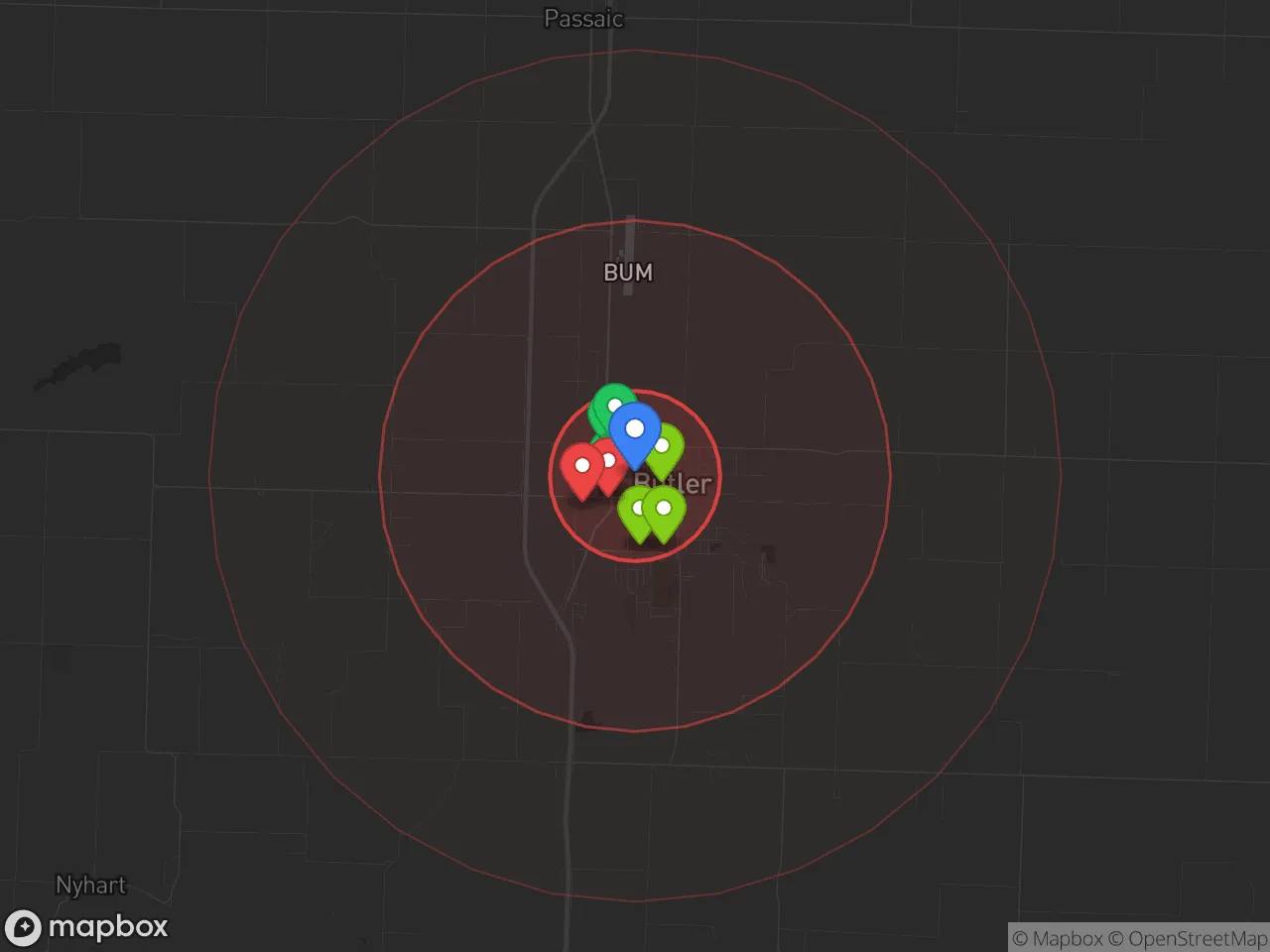
Hobbies
Explore the areaGroceries
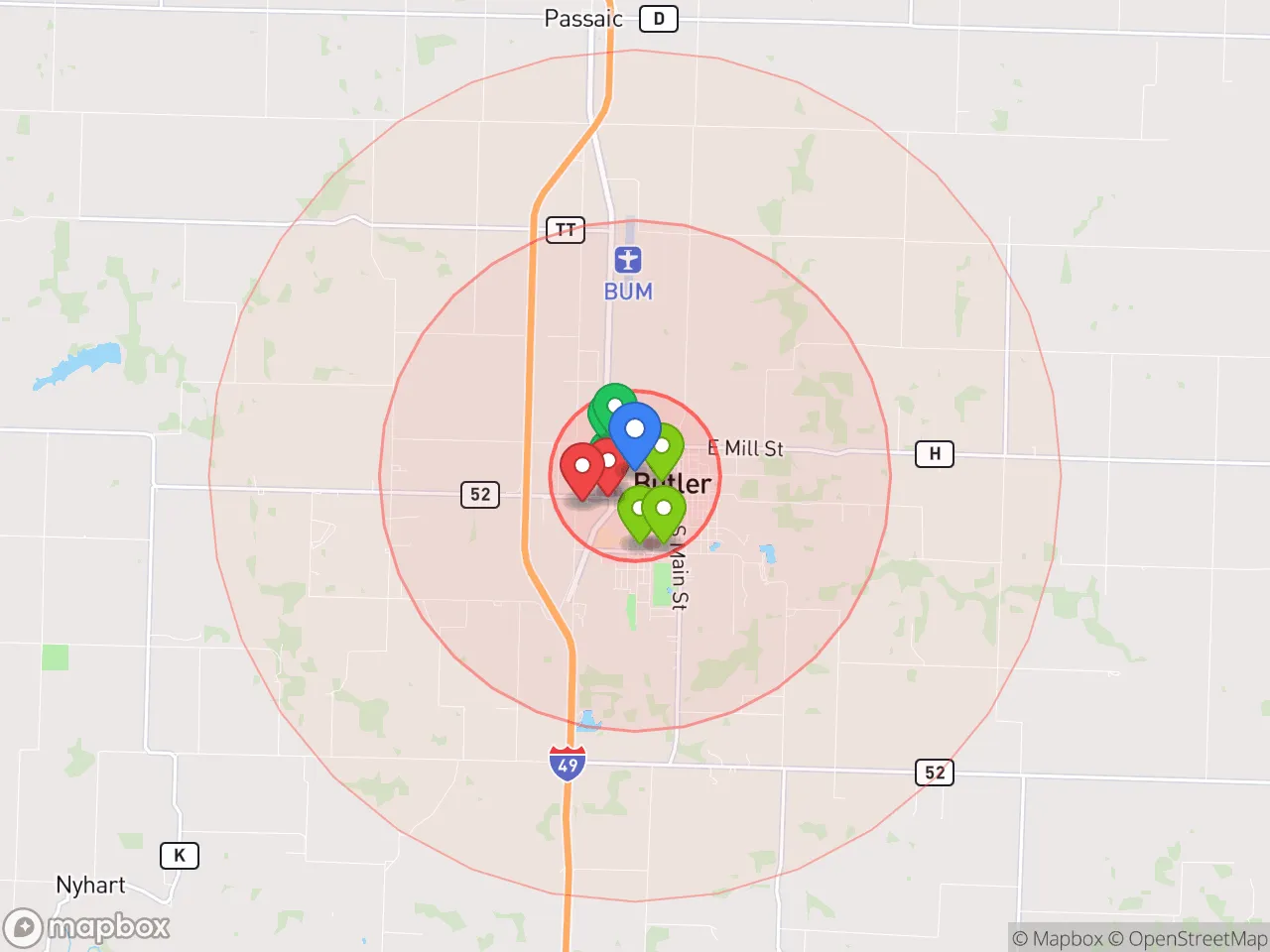
1 within 10 miles
Gas
5 within 10 miles
Hospital
1 within 20 miles
Airport
MCI — Kansas City International
Post Office
USPS — Butler, MO
Critical Amenities
Quality-of-Life Analysis
Butler, Missouri, offers a markedly lower cost of living than the national average, attracting a mix of retirees, remote workers, and families seeking affordable homeownership in a quiet, rural setting. With a cost of living index of 57 (43% below the U.S. average), the town’s economic profile is defined by modest incomes and very low housing expenses, drawing residents who prioritize financial breathing room over urban amenities. The population skews older and more settled, with a significant share of long-term homeowners and a small but growing number of younger families priced out of nearby Kansas City suburbs.
Cost of living, housing affordability, and how Butler compares to nearby towns
Butler’s housing market is among the most affordable in western Missouri. The median home value sits at $124,100, roughly one-third the national median, while the median rent of $772 is well below the state average of $950. For context, a comparable home in Harrisonville (20 miles north) costs about $185,000, and in Lee’s Summit (35 miles northeast) the median exceeds $300,000. The average commute of 28.8 minutes reflects that many residents drive to jobs in Bates County or into the Kansas City metro, balancing lower housing costs with longer travel times. Property taxes remain low—around 0.8% of assessed value—and utilities are cheaper than the national norm, further stretching household budgets. However, grocery and healthcare costs, while still below average, are less discounted than housing, and the limited local retail means residents often pay more for specialty goods or drive to larger towns.
Local amenities, schools, and what daily life feels like in Butler
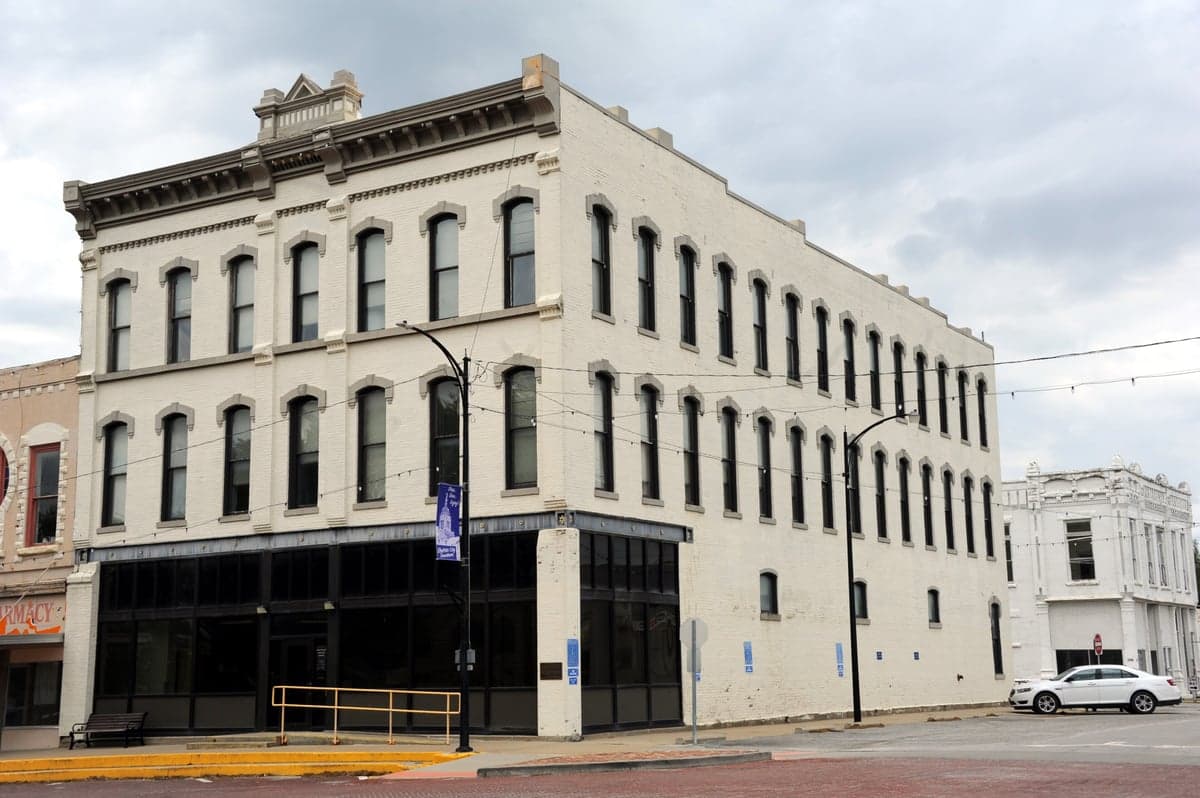
Daily life in Butler centers on a compact, walkable downtown anchored by the historic Bates County Courthouse, a few family-owned restaurants, and basic services like a grocery store and pharmacy. The Butler R-V School District serves roughly 1,200 students with a student-teacher ratio of 14:1, and its high school offers dual-credit courses through nearby community colleges. For recreation, residents use the city’s two parks—Lions Park and the Butler City Park—which include ball fields, a swimming pool, and walking trails. The nearby Marais des Cygnes National Wildlife Refuge (15 miles east) provides hiking and birdwatching, while the Truman Lake recreation area is about an hour south. Healthcare is limited to a small clinic and the Bates County Memorial Hospital; for specialist care, most residents drive 45 minutes to Belton or an hour to Kansas City. The social rhythm is quiet: church suppers, high school sports, and the annual Butler Fall Festival in September are the main community events. Internet access is improving, with fiber-optic service available in parts of town, but rural areas still rely on slower DSL or satellite.
Butler is best suited for people who value low housing costs, a slower pace, and proximity to nature over urban nightlife or career density. Retirees on fixed incomes, remote workers with stable internet, and families willing to commute for higher-paying jobs will find the affordability compelling. Those who need frequent cultural events, diverse dining, or specialized healthcare should look closer to the Kansas City metro. For buyers seeking a home under $150,000 in a safe, low-stress environment, Butler represents one of the most practical options in western Missouri.

Crime in Butler, MO
Generally safer than 67% of comparable U.S. locations.
Violent CrimeViolent Crime Analysis
Property CrimeProperty Crime Analysis
Crime Analysis
Butler, Missouri, reports a violent crime rate of 790.9 per 100,000 residents and a property crime rate of 1,837.6 per 100,000, placing it well above both state and national averages for a community of its size. These figures indicate that safety is a significant concern for anyone considering a move to this Bates County seat. The data suggests that residents face a notably higher risk of both personal and property crime compared to the typical American small town.
Crime in context
To understand the severity of Butler’s crime landscape, context is essential. The national average for violent crime in 2024 was roughly 380 per 100,000, meaning Butler’s rate is more than double that benchmark. Missouri’s statewide violent crime average hovers around 540 per 100,000, making Butler’s figure approximately 46% higher than the state norm. Property crime in Butler, at 1,837.6 per 100,000, also exceeds the national average of about 1,950 per 100,000 but is slightly below Missouri’s statewide property crime rate of roughly 2,100 per 100,000. While property crime is closer to typical levels, the elevated violent crime rate—driven largely by aggravated assault—is the standout concern. Bates County, as a rural area, does not benefit from the same law enforcement density or resources found in larger jurisdictions, which can impact response times and proactive policing.
What residents experience
For those living in Butler, the crime data translates into tangible daily realities. Violent incidents, while statistically high, are often concentrated among individuals who know each other, but the risk of random victimization remains elevated compared to safer communities. Property crimes such as burglary and theft are more widespread, affecting homes, vehicles, and local businesses. The justice system in Bates County operates under Missouri state law, and while the county is not a large metro area with progressive prosecutors, readers should be aware that any jurisdiction with lenient sentencing or catch-and-release policies can exacerbate crime cycles. In Butler, the combination of high violent crime rates and limited local resources means that repeat offenders may cycle through the system more quickly, potentially increasing risks for law-abiding residents. Community watch programs and neighborhood vigilance are common, but they cannot fully compensate for systemic gaps.
Neighborhood-level variation in Butler is significant. Older, more established residential areas near the town square tend to have lower crime rates than outlying rental properties or sections near major highways like U.S. Route 71. Prospective residents should specifically inquire about block-level crime data from the Bates County Sheriff’s Office or local police, as pockets of safety and higher risk exist within a few blocks of each other. The city’s small size means that crime patterns can shift quickly with changes in population or law enforcement focus. For families or retirees prioritizing safety, a thorough visit to potential neighborhoods at different times of day is strongly advised before committing to a move.
* Values derived from national, state, county, city and local statistics and may differ in a specific area. Last updated: 2026-10-06T18:16:03.000Z
Narrative content on this page is AI-generated and may contain mistakes. Verify any details that matter before acting on them.
ReloMaps may earn a commission from affiliate links at no extra cost to you.

