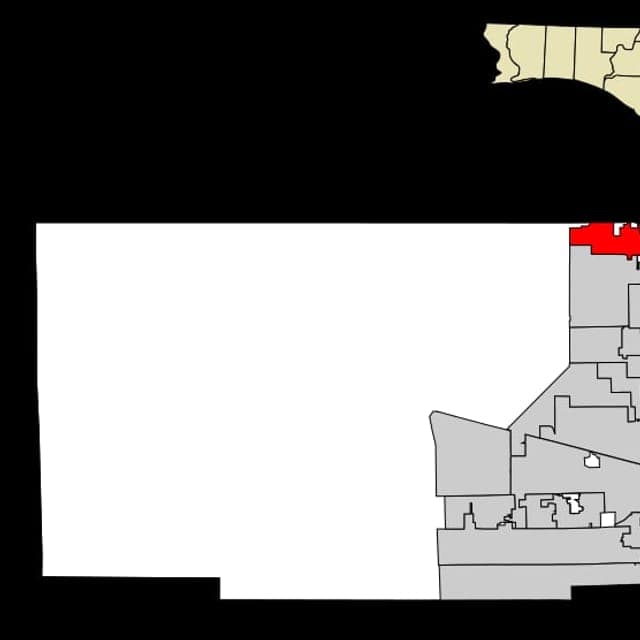
Photo: Wikipedia
Find The Best Places To Live
in Coral Gables
PRO TIP! You can paste a Zillow or Redfin link to get info on that property.
Compare Coral Gables with another place
What It's Like Living in Coral Gables, FL
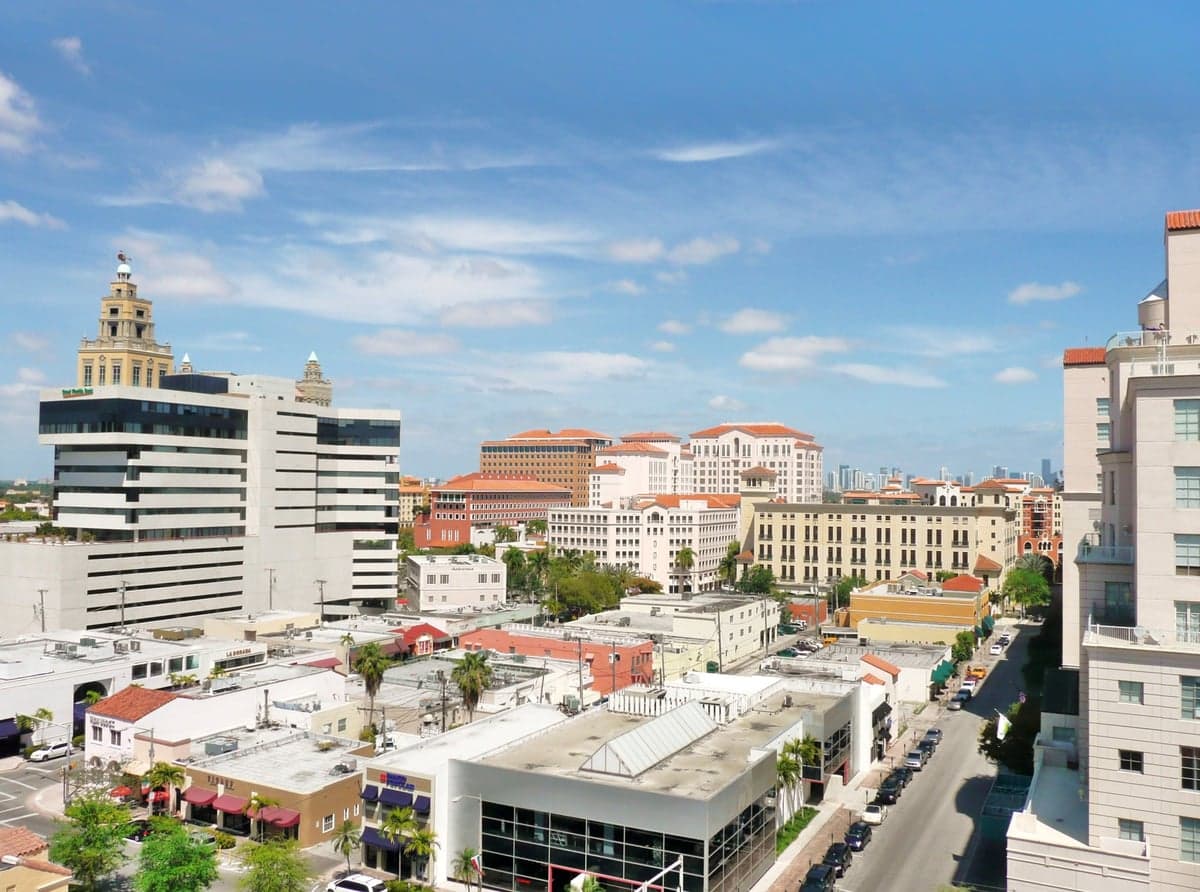
Coral Gables is one of those places that feels like a small town that somehow ended up inside a major global city. It’s a planned community from the 1920s, with tree-lined boulevards, strict zoning that keeps the skyline low, and a Mediterranean revival aesthetic that makes even a bank look like a villa. The vibe is polished, orderly, and distinctly affluent — but not in a flashy, South Beach way. It’s more of a quiet, old-money elegance, where people care about landscaping, school rankings, and the quality of their Sunday brunch.
The Daily Rhythm: Work, Errands, and Weekend Life
Daily life here revolves around a few predictable anchors. The average commute is about 24 minutes, which is manageable by South Florida standards — you’re close enough to downtown Miami (about 15 minutes without traffic) but far enough that you don’t feel swallowed by it. Most people work in finance, law, medicine, or education; the University of Miami is a major employer, and so are the corporate offices along Ponce de Leon Boulevard. The median household income is $130,803, which reflects the professional, highly educated population — 71.9% of adults hold a bachelor’s degree or higher.
Weekends follow a familiar script. Saturday mornings mean the Coral Gables Farmers Market at the War Memorial Youth Center, or a run around the Venetian Pool (a historic spring-fed pool that’s actually a city landmark). Lunch might be at Lung Yai Thai Tapas on Sunset Drive or a Cuban sandwich at La Carreta. Dinner reservations at Orno or Christy’s are common for date nights. The shopping is upscale but not overwhelming — Miracle Mile and Merrick Park have the boutiques and chains you’d expect, but people also drive to Dadeland Mall for bigger department stores.
Sports, Schools, and Community Identity
Sports here are a big deal, but not in the way you might think. There’s no major pro team in the city limits, but University of Miami Hurricanes athletics dominate the local conversation. On fall Saturdays, you’ll see orange-and-green gear everywhere, and the Hard Rock Stadium (about 20 minutes north) is where people go for Dolphins and Canes games. High school sports also matter — Coral Gables Senior High has a strong football tradition, and the rivalry with Columbus High draws real crowds. For a city of 49,243 people, the level of civic pride in local schools is unusually high; real estate agents will tell you that being zoned for Coral Gables Elementary or Ponce de Leon Middle can add six figures to a home’s value.
The median age is 39, which tilts the community toward established families and professionals rather than young singles or retirees. That’s not to say there aren’t nightlife options — Baracoa on Aragon Avenue and the rooftop at The Biltmore Hotel draw a well-dressed crowd — but the overall energy is more “dinner party with neighbors” than “club until 3 AM.”
What’s There to Do: Festivals, Parks, and the Quirks
The city puts on a few signature events that define the social calendar. The Coral Gables International Festival of the Arts in March turns the streets into an open-air gallery. The Gables Bike Ride in the fall closes down Biltmore Way for a family-friendly ride. And the Fourth of July celebration at the Biltmore Golf Course is the kind of small-town Americana that feels almost anachronistic this close to Miami.
Outdoor life is year-round, but the summer months (June through September) are brutally hot and humid — think 90°F with 70% humidity. The Fairchild Tropical Botanic Garden is a favorite escape, and Matheson Hammock Park offers a man-made atoll pool that’s a lifesaver on sticky afternoons. The weather is otherwise pleasant from November through April, which is when everyone remembers why they put up with the summer.
A cultural quirk worth noting: Coral Gables has some of the strictest zoning and design codes in Florida. You can’t just paint your house any color you want, and commercial signs are heavily regulated. Longtime residents either love this (it keeps the city beautiful) or find it frustrating (try getting a permit for a simple renovation). Another quirk: the Venetian Pool is actually a coral rock quarry that was converted into a public pool in the 1920s — it’s not a tourist trap, it’s genuinely where locals go to cool off.
Pros and Cons of Living Here
Let’s be honest about the trade-offs.
- Pro: Safety. The violent crime rate is 61.3 per 100,000 — about a quarter of the national average. People leave their doors unlocked in some neighborhoods.
- Con: Cost. The median home value is $1,007,500, and the cost of living index is 252 (more than double the U.S. average). Renting a two-bedroom apartment will run you $3,500–$4,500 a month.
- Pro: Walkability in the Village of Merrick Park and along Miracle Mile. You can run errands, eat, and shop without getting in a car.
- Con: Traffic on U.S. 1 (South Dixie Highway) during rush hour. The 24-minute average commute hides the fact that a 5-mile trip can take 40 minutes at 5 PM.
- Pro: Schools that are genuinely excellent, both public and private (Gulliver, Ransom Everglades).
- Con: The humidity and hurricane season. You will learn to love air conditioning and to stock up on water and batteries every June.
The kind of person who fits in here is someone who values order, aesthetics, and community institutions — a professional or family who wants the amenities of a major metro area (Miami’s airports, dining, and cultural events are 15 minutes away) without living in the chaos of the city itself. It’s not a place for people who want cheap rent or a wild social scene. But for those who can afford it, Coral Gables delivers a quality of life that’s hard to replicate anywhere else in South Florida.

Similar towns to Coral Gables



* Values derived from national, state, county, city and local statistics and may differ in a specific area. Last updated: 2026-11-08T01:58:22.000Z
Narrative content on this page is AI-generated and may contain mistakes. Verify any details that matter before acting on them.
ReloMaps may earn a commission from affiliate links at no extra cost to you.

