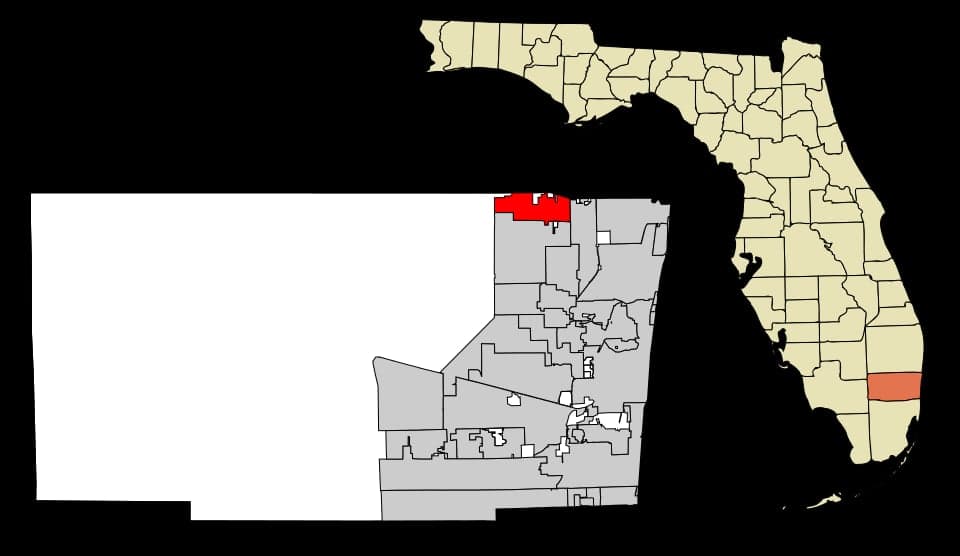
Photo: Wikipedia
Find The Best Places To Live
in Parkland
PRO TIP! You can paste a Zillow or Redfin link to get info on that property.
What It's Like Living in Parkland, FL
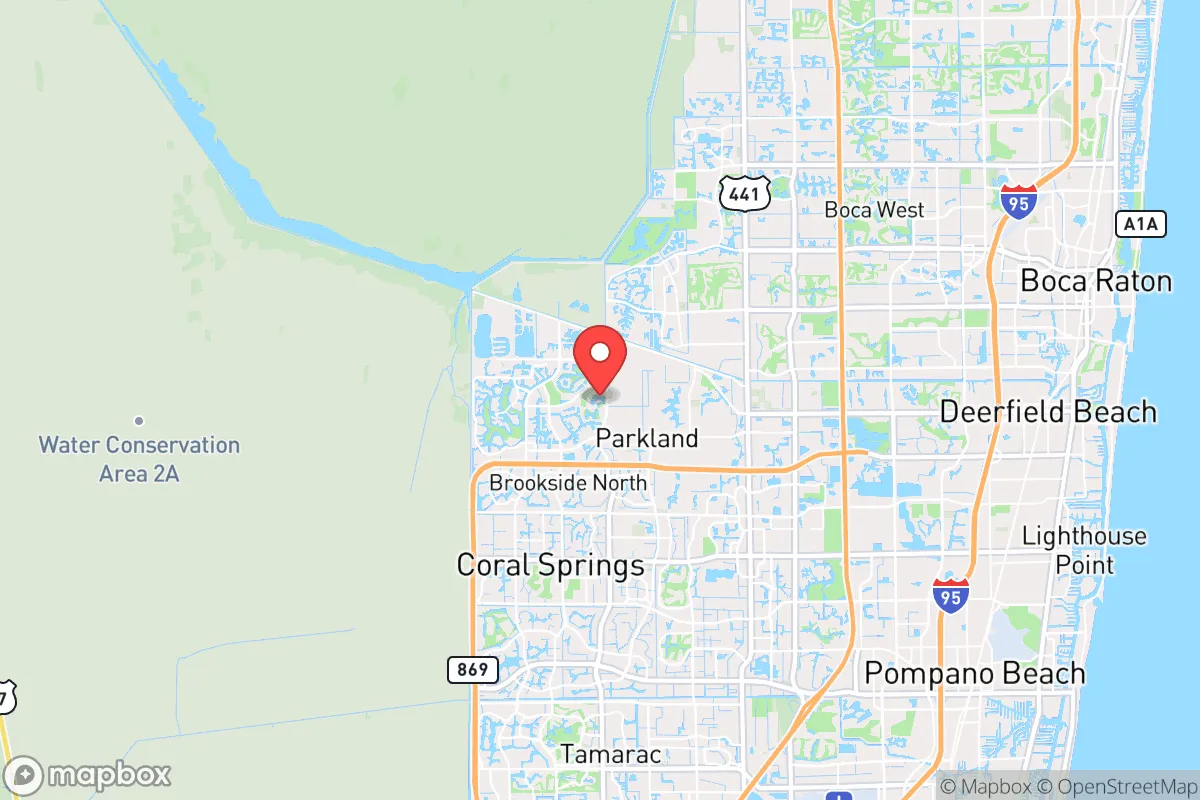
Parkland, Florida, feels less like a typical South Florida suburb and more like a planned sanctuary for families who want space, safety, and top-tier schools without leaving the region entirely. It’s a community where the median home value sits at $896,300 and the median household income is $200,156, which tells you immediately that this isn’t a starter-home town—it’s a place people move to when they’ve already established careers and are prioritizing raising kids in a low-crime, high-amenity environment. The vibe is quiet, orderly, and intentionally removed from the hustle of Fort Lauderdale or Miami, even though both are within a 45-minute drive.
The Daily Rhythm: Quiet Mornings, School-Centered Afternoons
Most mornings in Parkland start with parents dropping kids at one of the highly-rated public schools—like Marjory Stoneman Douglas High School or Park Trails Elementary—then heading to work. With an average commute of 31 minutes, many residents drive west to Boca Raton, Coral Springs, or even downtown Fort Lauderdale for jobs in finance, healthcare, or tech. By late afternoon, the community comes alive again: you’ll see kids on bikes, families walking dogs along the miles of paved trails in Pine Trails Park, and neighbors chatting at the Publix on Holmberg Road. Weekends often revolve around youth sports—soccer and baseball at the Parkland Sports Complex—or a casual dinner at Vic & Angelo’s for Italian or Rocca Tavern for wood-fired pizza and craft beer. There’s no nightclub scene here; the closest thing to a late night is a table at Yakitori Sushi on a Friday evening.
Who Fits In—and Who Might Feel Out of Place
Parkland is overwhelmingly built for families with school-aged children. 67.1% of adults hold a college degree, and the median age of 38.7 reflects a population squarely in the child-rearing phase of life. Single professionals or young couples without kids often find the social scene limited—there aren’t many bars or late-night hangouts, and the housing stock is dominated by single-family homes on large lots. The community leans conservative politically, and while it’s not overtly partisan in daily life, local elections and school board races draw passionate turnout. If you value privacy, quiet streets, and a neighborhood where everyone knows the HOA rules, you’ll settle in easily. If you’re looking for urban energy or walkable nightlife, you’ll likely feel isolated.
Sports, Festivals, and What People Actually Do for Fun
High school sports are a genuine community anchor here. Marjory Stoneman Douglas football and soccer games draw hundreds of families on Friday nights, and the school’s drama and music programs are equally celebrated. There’s no major pro team in Parkland itself, but residents are split between Miami Dolphins and Florida Panthers fans—the Panthers’ arena in nearby Sunrise is a 15-minute drive. The biggest annual event is the Parkland Festival, held each spring at Pine Trails Park, with live music, food trucks, and a fireworks show that feels like the whole town turns out. For outdoor recreation, the Parkland Equestrian Center offers riding lessons and trail rides, and the Everglades Holiday Park is just west for airboat tours and wildlife spotting. Golfers have several private and semi-private courses within 10 minutes, including the Parkland Golf & Country Club.
Pros and Cons of Living Here
- Pros: Extremely low violent crime rate of 209.9 per 100,000—well below national averages—and a palpable sense of safety even at night. Schools are a major draw, with several rated A by the state. The cost of living index of 298 reflects the premium you pay for that safety and space, but most residents feel it’s worth it. The community is also physically beautiful: wide, tree-lined streets, manicured lawns, and no commercial strip malls cluttering the main roads.
- Cons: The cost of living is genuinely high—median home values near $900,000 put homeownership out of reach for many middle-class buyers. Traffic on Holmberg Road and State Road 7 can back up during school drop-off and pickup. There’s very little rental inventory, so newcomers often have to buy sight unseen. And while the quiet is a pro for many, some residents find the social scene insular—it’s hard to break into established friend groups if you don’t have kids in the school system.
Cultural Quirks and Practical Realities
One thing newcomers notice quickly: Parkland has no downtown. There’s no main street with coffee shops and boutiques. Instead, daily errands happen at a handful of plazas—the Parkland Commons and Heron Bay Plaza—which means you’ll drive everywhere. The weather is classic South Florida: hot and humid from May through October, with afternoon thunderstorms that clear by evening. Winter is the reward—November through March are dry, sunny, and in the 70s, which is when the parks and trails are busiest. Hurricane season (June through November) is a real consideration; most homes have impact windows or shutters, and residents take storm prep seriously. A local quirk: the Parkland Library is unusually active for a suburb its size, hosting author talks, children’s story hours, and even a seed exchange program. It’s a small detail, but it captures the town’s character—quiet, intentional, and built around the idea that a good life means good schools, safe streets, and neighbors who wave when you pass.

Similar towns to Parkland


* Values derived from national, state, county, city and local statistics and may differ in a specific area. Last updated: 2026-09-25T12:50:22.000Z
Narrative content on this page is AI-generated and may contain mistakes. Verify any details that matter before acting on them.
ReloMaps may earn a commission from affiliate links at no extra cost to you.

