Photo: Wikipedia
Quality of Life in Coral Gables, FL
Above-average quality of iife. The area offers a reasonable cost of living, decent mobility, and a mix of neighborhood amenities.
What does Quality of Life tell us?
Quality of Life blends cost of living, nearby amenities, socioeconomic signals, and neighborhood character. City-level scores represent the whole municipality; individual neighborhoods can differ.
What does this tell us?
Quality of Life blends cost of living, nearby amenities, socioeconomic signals, and neighborhood character. City-level scores represent the whole municipality; individual neighborhoods can differ.
Cost of Living
152% above national average
The Real Cost of Living in Coral Gables, FL for 2026
| Tier | Individual | Family (4) |
|---|---|---|
| Survival | $34k | $64k |
| Comfortable | $196k | $288k |
| Luxury | $236k+ | $366k+ |
| Elite (Top 5%) | $389k+ | $603k+ |
45%
The Area Signal
A metric tracking the socioeconomic signals of the area.
Limited data for this area
Limited data for this area
Hobbies
Explore the areaGroceries
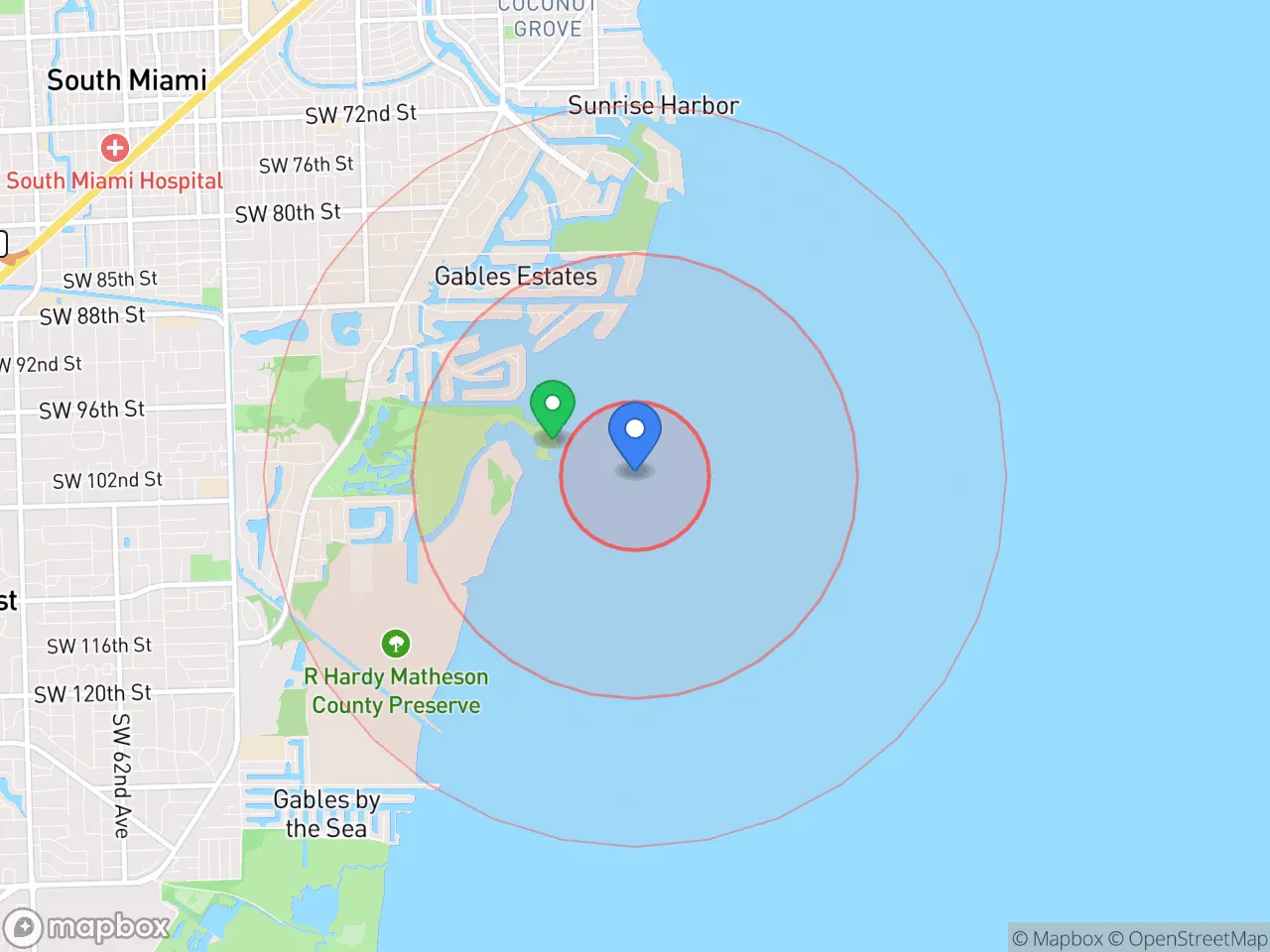
0 within 10 miles
Gas
0 within 10 miles
Hospital
0 within 20 miles
Airport
MIA — Miami International
Post Office
Critical Amenities
Quality-of-Life Analysis
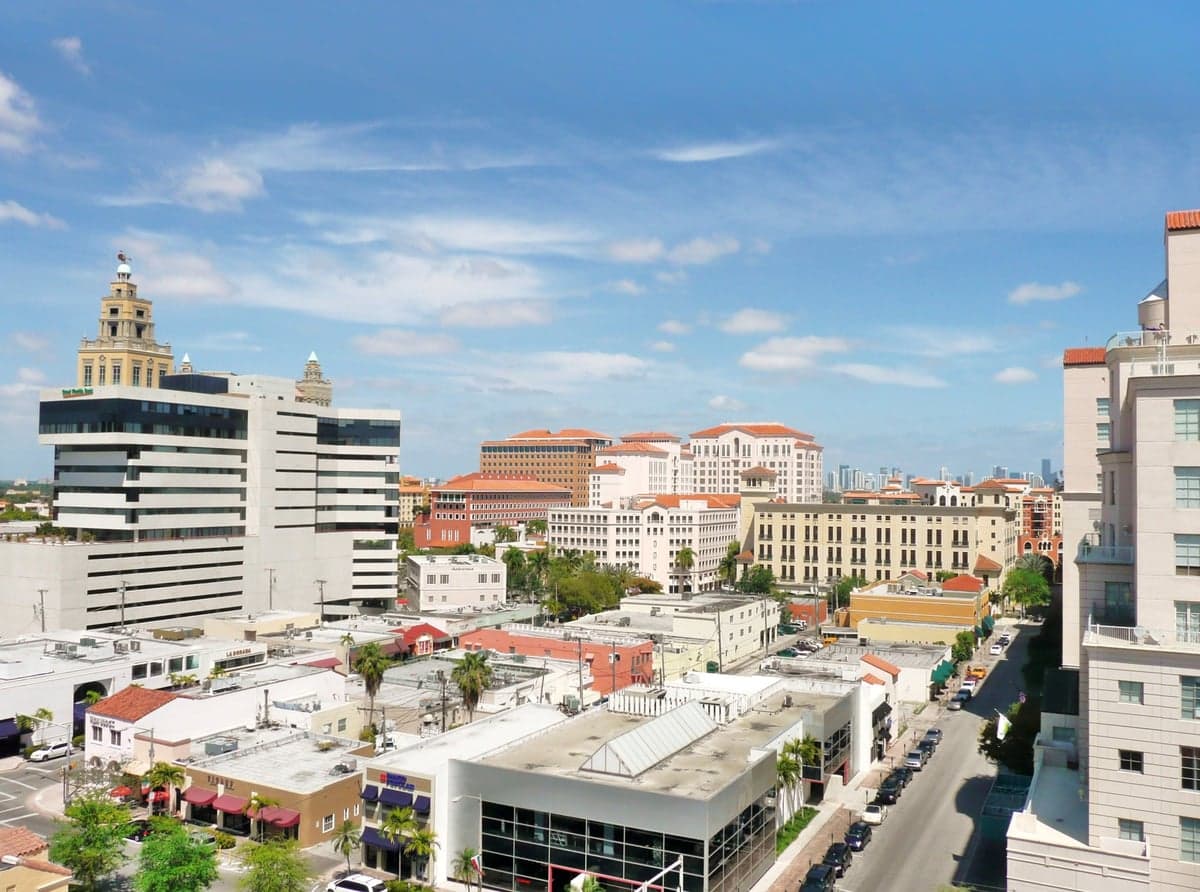
Coral Gables is one of South Florida’s most affluent and architecturally distinctive suburbs, attracting a mix of wealthy professionals, University of Miami faculty, and families drawn to its Mediterranean Revival style and tree-lined boulevards. With a cost of living index of 252—more than 2.5 times the national average—the city commands a premium that reflects its high-end housing stock, top-tier schools, and meticulously maintained public spaces. The median home value of $1,007,500 places Coral Gables firmly in the luxury market, while the median rent of $2,121 is comparatively moderate for the area, often drawing younger professionals and graduate students who prioritize walkability and prestige over square footage.
Cost of living, housing affordability, and how it compares to nearby areas
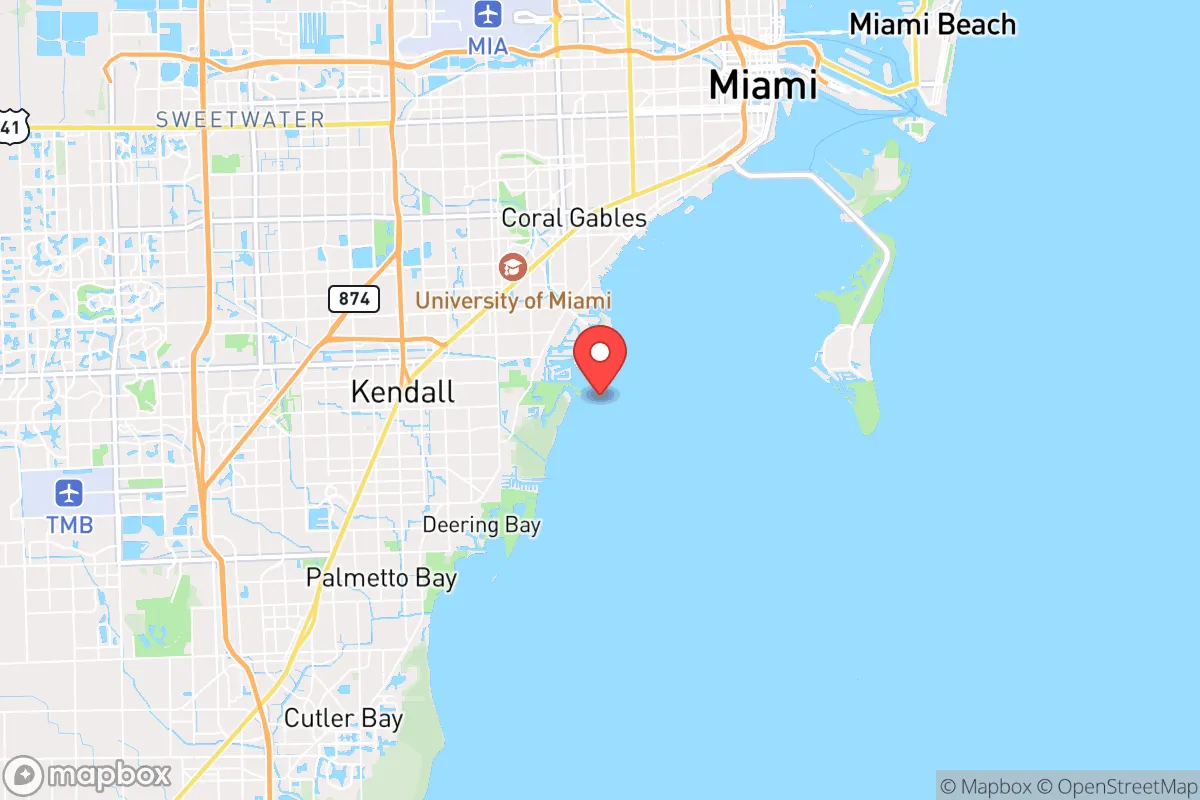
Housing in Coral Gables is expensive even by Miami-Dade standards. The median home value of $1,007,500 is roughly double the countywide median of about $520,000, and significantly higher than in neighboring cities like South Miami ($650,000) or Coconut Grove ($850,000). Renters face a median of $2,121 per month, which is notably lower than the city’s home-buying threshold—this gap suggests a strong rental market for those who cannot or choose not to purchase. The overall cost of living index of 252 is driven primarily by housing, but groceries, transportation, and healthcare also run 20–30% above national averages. For context, a comparable home in nearby Pinecrest or Palmetto Bay would cost 10–15% less, though those areas lack Coral Gables’ pedestrian-friendly downtown and direct access to Metrorail. The average commute of 24.3 minutes is shorter than Miami-Dade’s average of 30 minutes, a benefit for residents working in the city’s own business district or at the University of Miami.
What daily life is like for families, professionals, and retirees
Daily life in Coral Gables revolves around its compact, walkable downtown—Miracle Mile and the adjacent Giralda Avenue—where residents dine at sidewalk cafes, shop at boutiques, and attend events like the weekly farmers market. The city’s public schools are among the best in Florida: Coral Gables Senior High, George Washington Carver Middle, and Coral Gables Preparatory Academy all earn A ratings from the state, and the University of Miami’s presence adds a youthful, academic energy. Parks are abundant and well-maintained, with the 22-acre Venetian Pool (a historic spring-fed swimming hole) and the 300-acre Matheson Hammock Park offering recreation within city limits. For professionals, the city hosts corporate offices for Bacardi, Del Monte, and several law firms, while the Metrorail station connects directly to downtown Miami in 20 minutes. Retirees appreciate the low crime rate (violent crime is roughly 60% below the national average) and the quiet, shaded residential streets lined with banyan trees and coral rock walls.
Who thrives here? Coral Gables is best suited for high-income households—particularly dual-income professionals, academics, and empty-nesters—who value walkability, architectural beauty, and top-ranked schools over raw affordability. Families with children will find a safe, amenity-rich environment with excellent public education, but should budget for a home well above $1 million. Young professionals and graduate students can manage the rental market if they prioritize location over space, while retirees seeking a quiet, cultured setting will enjoy the city’s low crime and abundant green spaces. Those on a tighter budget or seeking a more diverse, fast-paced urban experience may find better value in neighboring South Miami or the Upper East Side of Miami proper.

Crime in Coral Gables, FL
Lower crime rates than 89% of comparable U.S. locations.
Violent CrimeViolent Crime Analysis
Property CrimeProperty Crime Analysis
Crime Analysis
Coral Gables presents a notably safe environment compared to both Florida and national averages, though property crime rates warrant attention from prospective residents. The city's violent crime rate of 61.3 incidents per 100,000 residents is dramatically lower than the national median, while its property crime rate of 999.2 per 100,000 sits below the Florida state average but remains a factor for homeowners and renters to consider. As a small city within the larger Miami metropolitan area, Coral Gables benefits from its own well-funded police department, but residents should be aware that the broader regional justice system—influenced by progressive prosecutors in Miami-Dade County—can affect how crime is adjudicated and how quickly offenders may return to the streets.
Crime in context
When compared to national benchmarks, Coral Gables' violent crime rate is roughly one-fifth the U.S. average of approximately 380 per 100,000, placing it among the safest municipalities in South Florida for violent offenses. Property crime, however, sits at about 999.2 per 100,000—lower than the Florida state average of roughly 1,600 per 100,000 but still a meaningful concern. The city's low violent crime numbers reflect its affluent, walkable character and proactive policing, but the property crime figure is driven largely by vehicle break-ins and package thefts, common in dense, high-traffic suburbs. It is important to note that Miami-Dade County's elected state attorney, part of a progressive prosecutorial trend in Florida's large urban counties, has implemented policies emphasizing diversion and reduced incarceration for non-violent property offenses. While intended to reduce jail populations, such approaches can result in repeat offenders cycling through the system more quickly, potentially increasing the risk of property crime in areas like Coral Gables that border higher-crime neighborhoods.
What residents experience
Daily life in Coral Gables feels exceptionally secure, with well-lit streets, active neighborhood patrols, and a visible police presence in commercial districts like Miracle Mile and the University of Miami campus. The Coral Gables Police Department maintains a response time averaging under 5 minutes for priority calls, and the city operates its own 911 dispatch center, ensuring local control. However, residents should remain vigilant about property crime: car burglaries and thefts from unlocked vehicles are the most common offenses, often occurring overnight in residential driveways or parking garages. The progressive judicial philosophy in Miami-Dade means that even when suspects are arrested for these crimes, they may face reduced charges or pre-trial release programs, leading to a perception among some residents that consequences are insufficient to deter repeat offending.
Neighborhood-level variation is notable within Coral Gables. Areas closer to the city's southern border with South Miami and the Palmetto Expressway see slightly higher property crime rates, while the historic core near the Biltmore Hotel and the gated communities around Granada Boulevard report near-zero violent crime. The University of Miami area, while generally safe, experiences occasional thefts targeting students. Overall, Coral Gables' safety profile is excellent for violent crime, but the combination of moderate property crime and a progressive local justice system means that proactive personal security measures—such as locking vehicles and using package lockers—are strongly advised.
* Values derived from national, state, county, city and local statistics and may differ in a specific area. Last updated: 2026-11-08T01:58:22.000Z
Narrative content on this page is AI-generated and may contain mistakes. Verify any details that matter before acting on them.
ReloMaps may earn a commission from affiliate links at no extra cost to you.

