Quality of Life in Greater Bridgeport Planning Region County
A livable area that tracks near national norms for affordability, walkability, and neighborhood health.
What does Quality of Life tell us?
Quality of Life measures an area by evaluating factors like cost of living, nearby amenities, country club access, airport proximity, socioeconomic signals and neighborhood character. For large states, this is a general average — quality of life can vary dramatically between metro areas, suburbs, and rural communities within the same state.
What does this tell us?
Quality of Life measures an area by evaluating factors like cost of living, nearby amenities, country club access, airport proximity, socioeconomic signals and neighborhood character. For large states, this is a general average — quality of life can vary dramatically between metro areas, suburbs, and rural communities within the same state.
Cost of Living
33% above national average
77%
The Real Cost of Living in Greater Bridgeport Planning Region County for 2026
| Tier | Individual | Family (4) |
|---|---|---|
| Survival | $24k | $44k |
| Comfortable | $77k | $113k |
| Luxury | $157k+ | $244k+ |
| Elite (Top 5%) | $239k+ | $371k+ |
Quality-of-Life Analysis
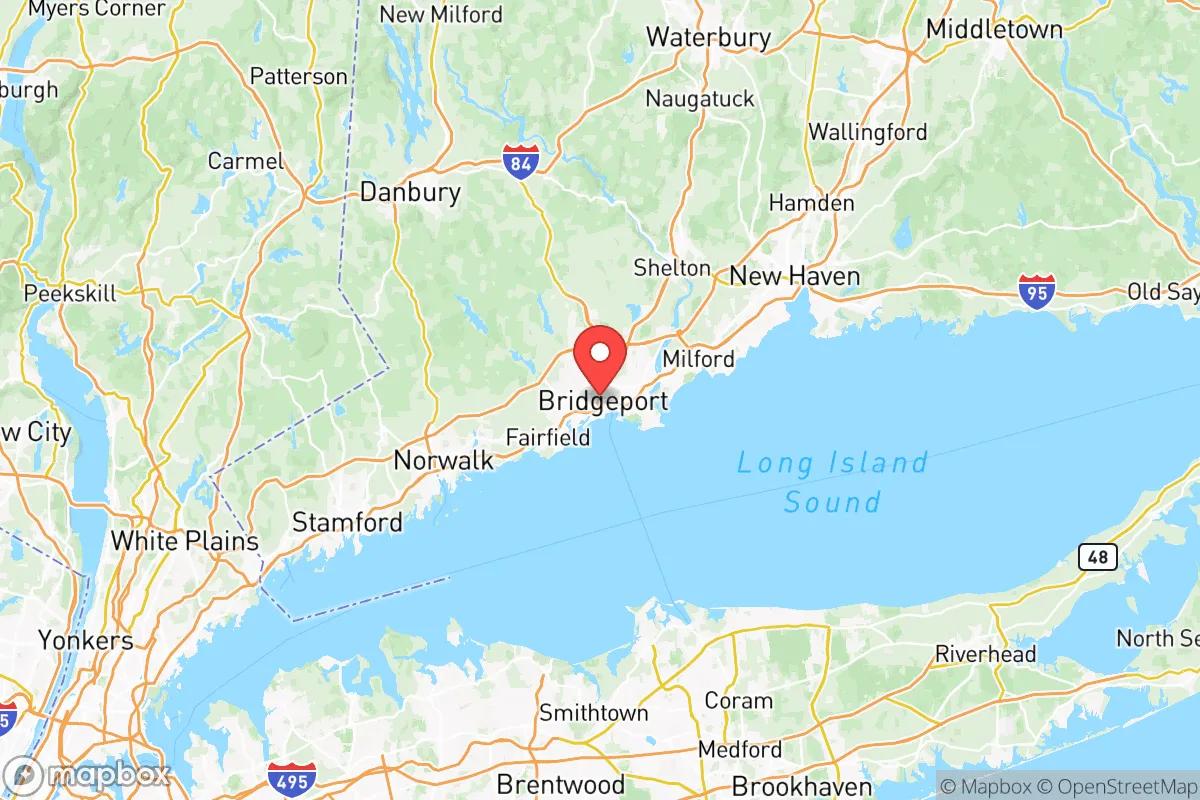
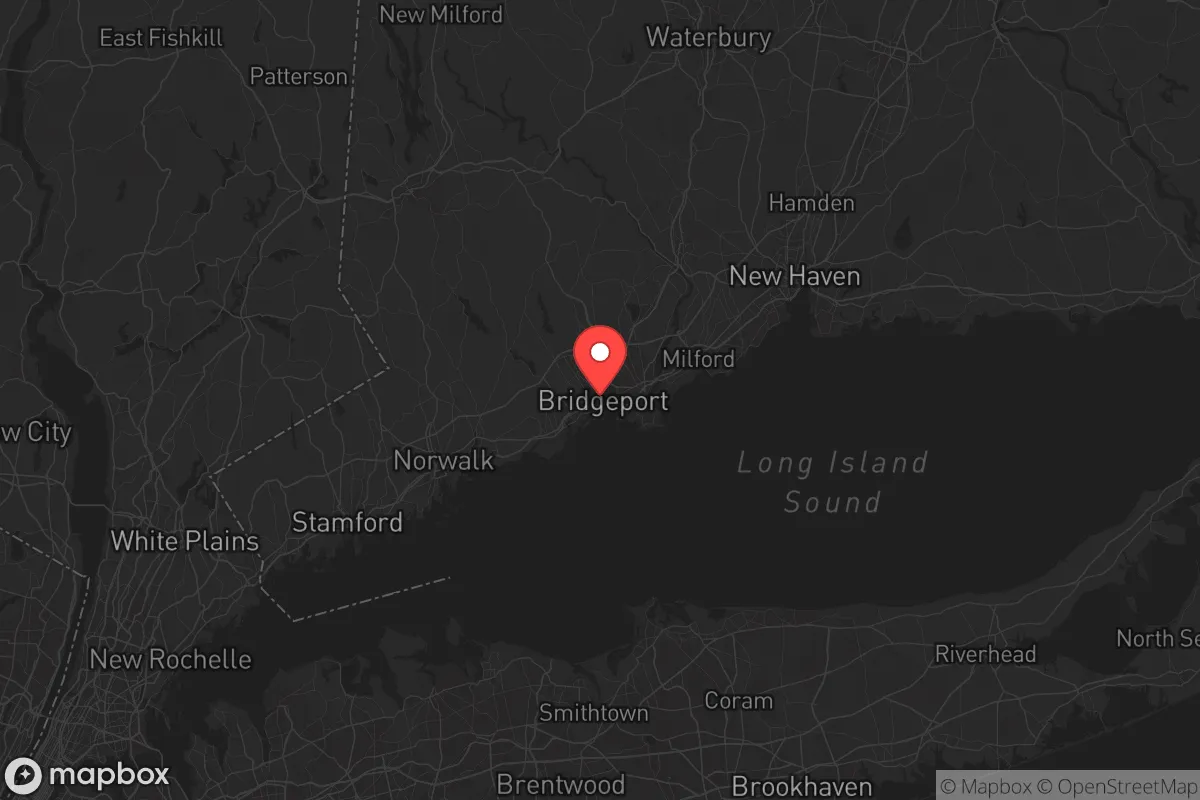
The Greater Bridgeport Planning Region, coterminous with Fairfield County, offers one of the most dramatic quality-of-life spectrums in New England, ranging from dense, transit-oriented urban centers to quiet, horse-farm-dotted rural hamlets. With a cost-of-living index of 133 (well above the US average of 100), a median home value of $397,000, and a median rent of $1,482, the county attracts everyone from Wall Street commuters and corporate professionals in its coastal cities to artists, academics, and nature-seekers in its northern hill towns. The average commute of 31.1 minutes masks a stark divide: a 20-minute train ride from South Norwalk to Grand Central versus a 45-minute drive from Sherman to Stamford.
Largest town(s) & population centers
The county's economic and demographic anchor is Bridgeport, Connecticut's largest city with roughly 148,000 residents, offering an urban lifestyle with a lower price point than its neighbors — median home values here hover near $250,000, well below the county average. Daily life in Bridgeport revolves around its parks (Seaside Park, Beardsley Zoo), its growing arts scene at the Bijou Theatre, and its role as a transit hub for Metro-North and I-95 commuters. Stamford, the county's second-largest city (pop. ~135,000), presents a markedly different urban experience: a polished corporate center housing hedge funds and Fortune 500 offices, with a median home value near $550,000 and a walkable downtown packed with high-end restaurants and luxury apartments. Norwalk (pop. ~91,000) splits the difference, blending a revitalized SoNo (South Norwalk) entertainment district with family-friendly neighborhoods like Rowayton, where waterfront homes push well past $1 million. Together, these three cities concentrate roughly 45% of the county's population and offer the densest array of jobs, transit options, and cultural amenities.
Smaller towns & rural pockets
North of the I-95 corridor, the county transforms dramatically. Newtown (pop. ~27,000) and Brookfield (pop. ~17,000) offer suburban lifestyles with large lots, highly rated schools, and town centers built around greens and historic buildings — median home values here range from $400,000 to $500,000. Further north and east, Sherman (pop. ~3,800) and Bridgewater (pop. ~1,600) are genuinely rural, with zoning that requires minimum 2- to 4-acre lots, no sidewalks, and a landscape of lakes, forests, and working farms. Easton (pop. ~7,600) and Redding (pop. ~9,200) occupy a middle ground: rural in feel but within a 30-minute drive of Bridgeport or Danbury, attracting families who want land without total isolation. These smaller towns have no train stations and limited commercial districts, meaning residents drive for groceries, dining, and most services — a trade-off for privacy and open space.
Cost & lifestyle range
The cost spread across the county is extreme. At the high end, Greenwich (pop. ~63,000) and Darien (pop. ~22,000) are among the wealthiest towns in America, with median home values exceeding $1.5 million and $1.2 million respectively, offering private beach clubs, elite public schools, and express Metro-North service to Manhattan in under 50 minutes. At the moderate end, Trumbull (pop. ~36,000) and Shelton (pop. ~42,000) provide solid suburban living with median home values around $375,000–$425,000, good schools, and ample shopping — the typical trade-off being longer commutes and fewer high-end amenities. The most affordable options are in Bridgeport itself, where median rent at $1,482 is actually below the county average, and in parts of Stratford (pop. ~52,000), where older housing stock and proximity to the Sikorsky Aircraft plant keep prices relatively low. Lifestyle varies accordingly: Greenwich and Darien residents prioritize proximity to New York City and elite services, while Sherman and Bridgewater residents prioritize land, privacy, and outdoor recreation (Candlewood Lake, Squantz Pond, the Appalachian Trail corridor).
This county works best for people who know exactly what trade-offs they want. Commuters who value a short train ride to Manhattan and can afford the premium will gravitate to the Gold Coast towns. Families seeking good schools and a yard without the Gold Coast price tag find their niche in Trumbull, Shelton, or Newtown. Those who want rural living with cultural access — artists, writers, remote workers — thrive in the northern hill towns. The Greater Bridgeport Planning Region's defining strength is that it contains all these options within a single county, connected by a web of highways, Metro-North lines, and bus routes that make switching between them feasible without leaving the region entirely.

Crime in Greater Bridgeport Planning Region County
Generally safer than 71% of comparable U.S. locations.
Violent CrimeViolent Crime Analysis
Property CrimeProperty Crime Analysis
Crime Analysis
The Greater Bridgeport Planning Region, anchored by the city of Bridgeport and encompassing communities like Stratford, Trumbull, Fairfield, and Monroe, presents a sharply divided safety profile. While the region’s overall violent crime rate of 110.5 per 100,000 residents is below the national average, property crime at 1,157.3 per 100,000 is notably elevated, driven largely by conditions in the urban core. Prospective residents should weigh the significant differences in safety between the region’s coastal cities and its inland suburbs, as well as the impact of local prosecutorial policies.
Crime in context
Compared to the national violent crime rate of roughly 380 per 100,000, the Greater Bridgeport region’s 110.5 per 100,000 appears relatively safe. However, this aggregate figure masks a stark urban-suburban divide. The property crime rate of 1,157.3 per 100,000 is higher than the Connecticut state average of approximately 1,000 per 100,000, placing the region in a higher-risk category for theft, burglary, and motor vehicle theft. Bridgeport itself drives these numbers upward, while towns like Trumbull and Monroe report property crime rates significantly below the regional average. The region’s proximity to New York City and major highways (I-95, Route 8, and the Merritt Parkway) contributes to property crime, as transient theft rings target vehicles and packages in both commercial and residential areas.
What residents experience
Daily safety concerns vary dramatically by town. In Bridgeport, the region’s largest city, residents face the highest concentration of violent crime, including aggravated assault and robbery, particularly in neighborhoods like the East Side and Hollow. The city’s property crime problem is acute, with car break-ins and home burglaries being common complaints. Stratford, while less dangerous than Bridgeport, experiences moderate property crime, especially near the Stratford Avenue corridor and the train station. In contrast, Fairfield and Trumbull are consistently ranked among the safest towns in Connecticut, with violent crime being rare and property crime largely limited to opportunistic thefts from unlocked cars. Monroe, the most rural town in the region, reports the lowest crime rates overall, though residents there express concern about a recent uptick in package thefts and trespassing from organized retail crime rings operating out of the I-84 corridor.
Neighborhood-level variation and judicial climate
The safety landscape is further complicated by the policies of the Bridgeport Judicial District, which covers Bridgeport and parts of Stratford. Critics argue that progressive bail reform and a focus on diversion programs, while intended to reduce incarceration, have resulted in a revolving-door effect for repeat property offenders. Residents in Bridgeport and Stratford frequently report that individuals arrested for car theft or burglary are released quickly, only to re-offend. This has eroded trust in the justice system and contributed to a sense of lawlessness in certain neighborhoods. Conversely, the towns of Trumbull, Fairfield, and Monroe fall under the jurisdiction of the more conservative Fairfield Judicial District, where prosecutors are perceived as taking a harder line on property crime and recidivism. For families and professionals considering a move, the choice between a city like Bridgeport—where progressive policies may prioritize offender rehabilitation over public safety—and a suburb like Trumbull or Monroe, where enforcement is more traditional, is a critical factor in long-term security and quality of life.
* Values derived from national, state, county, city and local statistics and may differ in a specific area. Last updated: 2026-06-29T12:22:02.000Z
Narrative content on this page is AI-generated and may contain mistakes. Verify any details that matter before acting on them.
ReloMaps may earn a commission from affiliate links at no extra cost to you.

