Photo: Wikipedia
Find The Best Places To Live
in Greenwich
PRO TIP! You can paste a Zillow or Redfin link to get info on that property.
What It's Like Living in Greenwich, CT
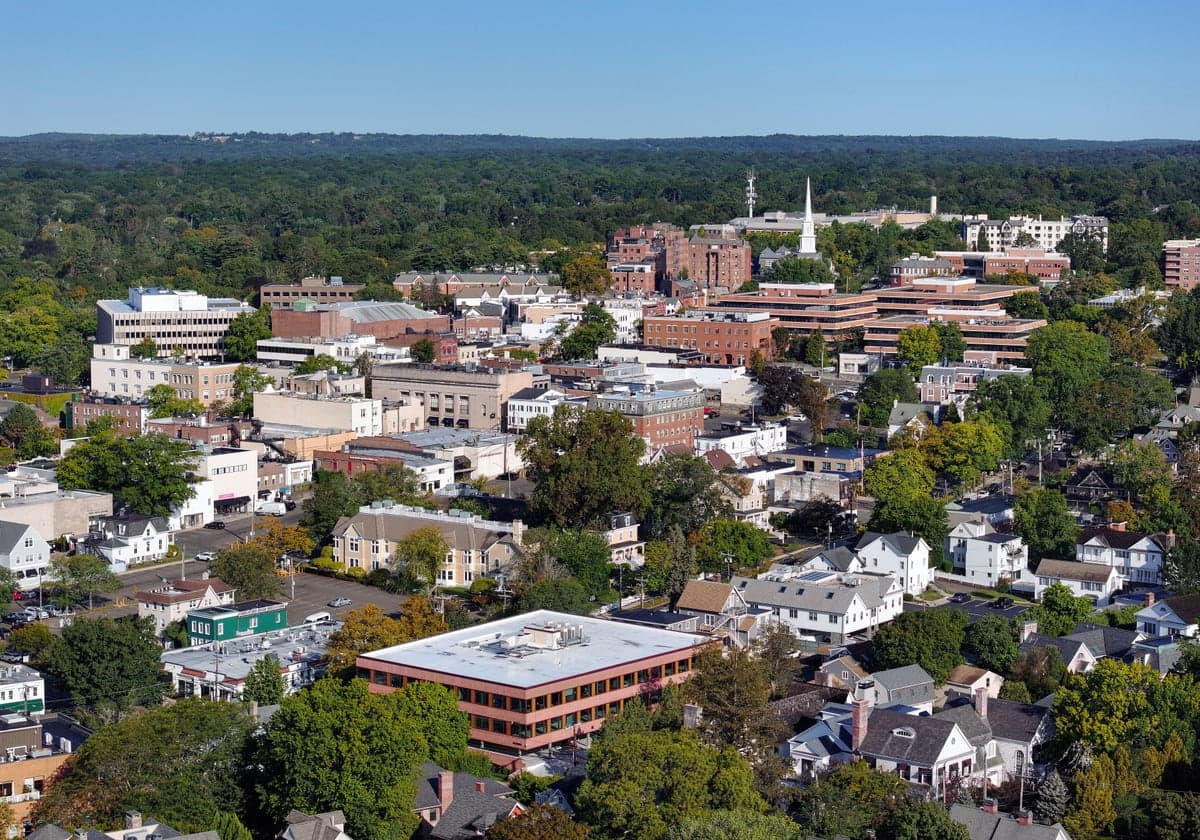
Greenwich, Connecticut, often gets shorthand as a wealthy suburb, but living here feels less like a postcard and more like a small, fiercely independent town that happens to have a hedge fund on every corner. It’s the kind of place where your neighbor might be a Fortune 500 CEO, but you’re just as likely to run into them at the Saturday morning farmers market on the Greenwich Avenue, arguing over the best apple variety. The town has a distinct, old-money reserve that’s slowly giving way to a younger, more active crowd, but the core identity remains: this is a community that values privacy, tradition, and an almost obsessive commitment to its parks and schools.
The Daily Rhythm: Greenwich Avenue and the Commute Reality
For most residents, the week revolves around two poles: the train station and Greenwich Avenue. The average commute to Grand Central is about 30 minutes on an express train, which is a genuine luxury compared to other Fairfield County towns. That time is often spent reading, catching up on emails, or just decompressing before the chaos of home. Once you’re back, the Avenue is the social and commercial spine. It’s not a mall; it’s a walkable stretch of independent bookstores, high-end boutiques (think Hermès and Ralph Lauren), and reliable staples like the Greenwich Cheese Company for a quick lunch. Weekends are for the Bruce Museum, a surprisingly good natural history and art museum, or a hike at the Mianus River Park, where you can forget you’re 30 miles from Manhattan. The median age here is 44, and you feel it—this isn’t a party town; it’s a place where people have established careers and families, and the social calendar is built around school events, charity galas, and dinner parties.
Sports, Community, and the Schoolyard as Town Square
Don’t expect a major professional sports team to dominate the conversation. The real action is on the high school fields. Greenwich High School sports—especially football, lacrosse, and ice hockey—are a massive deal. Friday night lights are a genuine community gathering, with parents, alumni, and even childless neighbors turning out for the Cardinals. The town’s Greenwich Youth Football League and the Greenwich Skating Club are where social networks are forged. If you don’t have kids, you might feel a little left out of the primary social engine, but the town’s many private clubs (the Round Hill Club, the Belle Haven Club) offer a different, more adult-centric social circuit. The Greenwich Town Party every summer is the closest thing to a town-wide festival, a three-day music and food event that draws everyone from young families to retirees, and it’s a rare moment where the town’s famously private residents let their hair down.
What’s There to Do: Parks, Eats, and the Occasional Night Out
Outdoor life is the real draw. Tod’s Point (Greenwich Point Park) is the crown jewel—a stunning peninsula with beaches, walking trails, and a bird sanctuary. It requires a town beach pass, which is a minor hassle but keeps it from being overrun. For dining, the scene is more refined than rowdy. Valbella is the classic power-dinner spot for steak and Italian, while L’Escale at the Delamar hotel offers waterfront dining that feels like a mini-vacation. For a more casual vibe, Meli-Melo on the Avenue is the go-to for crepes and coffee, and Garden Catering is a local institution for chicken fingers and cones. Nightlife is limited; there are a few wine bars like Rye Ridge and the Greenwich Hotel Bar, but most people head to Stamford or into the city for a real night out. The Greenwich Symphony and the Bush-Holley Historic Site provide cultural depth, but this isn’t a place for a bustling arts district.
Pros and Cons: The Honest Trade-Offs
Living here comes with clear upsides and real frustrations. Here’s the breakdown from people who’ve been here a while:
- Pro: Schools that deliver. The public school system is a top reason families move here. It’s well-funded, offers extensive AP and extracurricular programs, and the community invests heavily in it. The 70.2% college-educated population means your neighbors are engaged and demanding.
- Pro: Safety and space. With a violent crime rate of 110.5 per 100,000 (well below the national average), it’s genuinely safe. You can let kids ride bikes to the park without constant worry.
- Con: The cost of entry. The median home value is $1.48 million, and the cost of living index is 320—more than three times the national average. Even renting a modest two-bedroom apartment can run $4,000+ a month. This isn’t a place for a starter home.
- Con: The social pressure. There’s an unspoken competition around houses, cars, and summer homes. It can feel exhausting if you’re not in that income bracket. The median household income is $136,154, but that number is pulled up by a very wealthy top tier; many families feel the squeeze.
- Con: Traffic and parking. The Avenue is a nightmare on weekends. Parking is scarce, and the main roads (Route 1, I-95) get clogged during rush hour. The commute is short by train, but driving anywhere locally takes patience.
The weather is classic New England: crisp falls, cold winters with occasional nor’easters, and beautiful but humid summers. The town shuts down for snow days, and the schools are the center of the storm. If you value a quiet, safe, and highly resourced community where you can raise a family without the chaos of a big city, Greenwich delivers. Just be ready for the price tag—and the occasional feeling that everyone else’s lawn is a little greener.

Similar towns to Greenwich



* Values derived from national, state, county, city and local statistics and may differ in a specific area. Last updated: 2026-06-20T16:31:03.000Z
Narrative content on this page is AI-generated and may contain mistakes. Verify any details that matter before acting on them.
ReloMaps may earn a commission from affiliate links at no extra cost to you.

