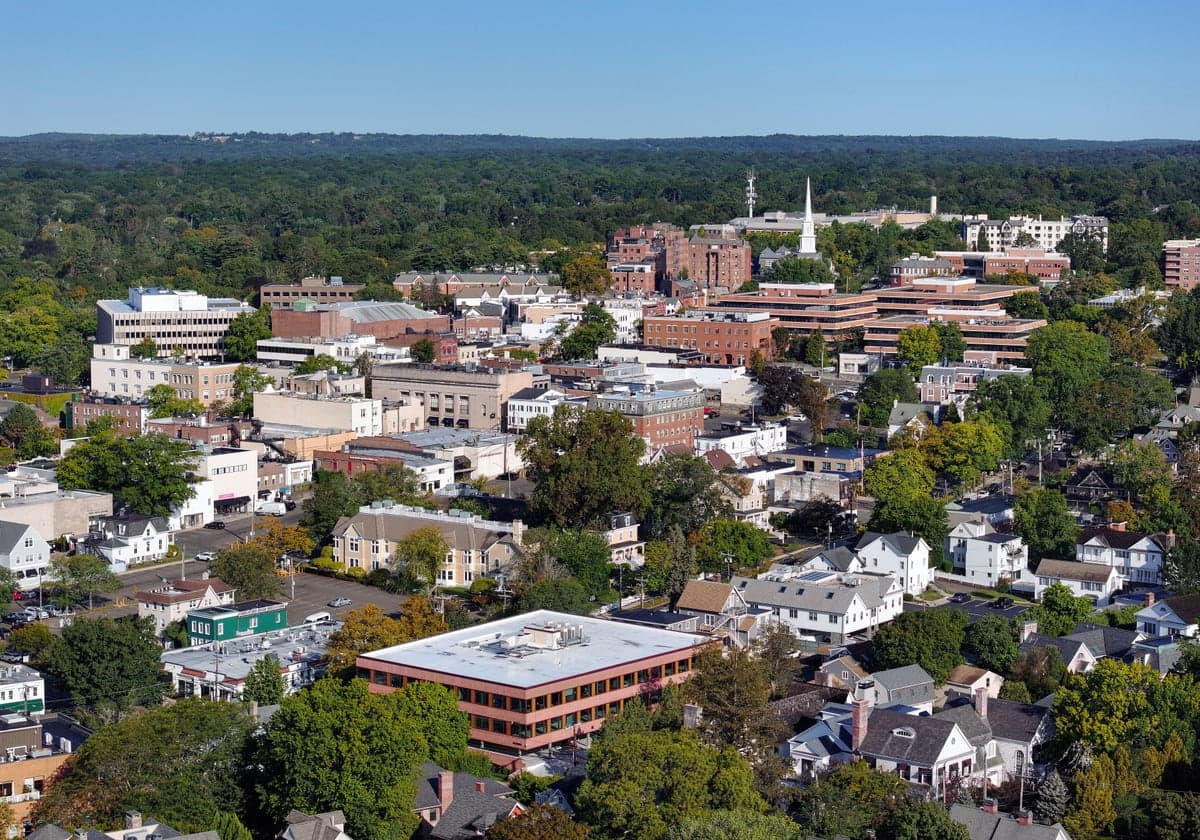
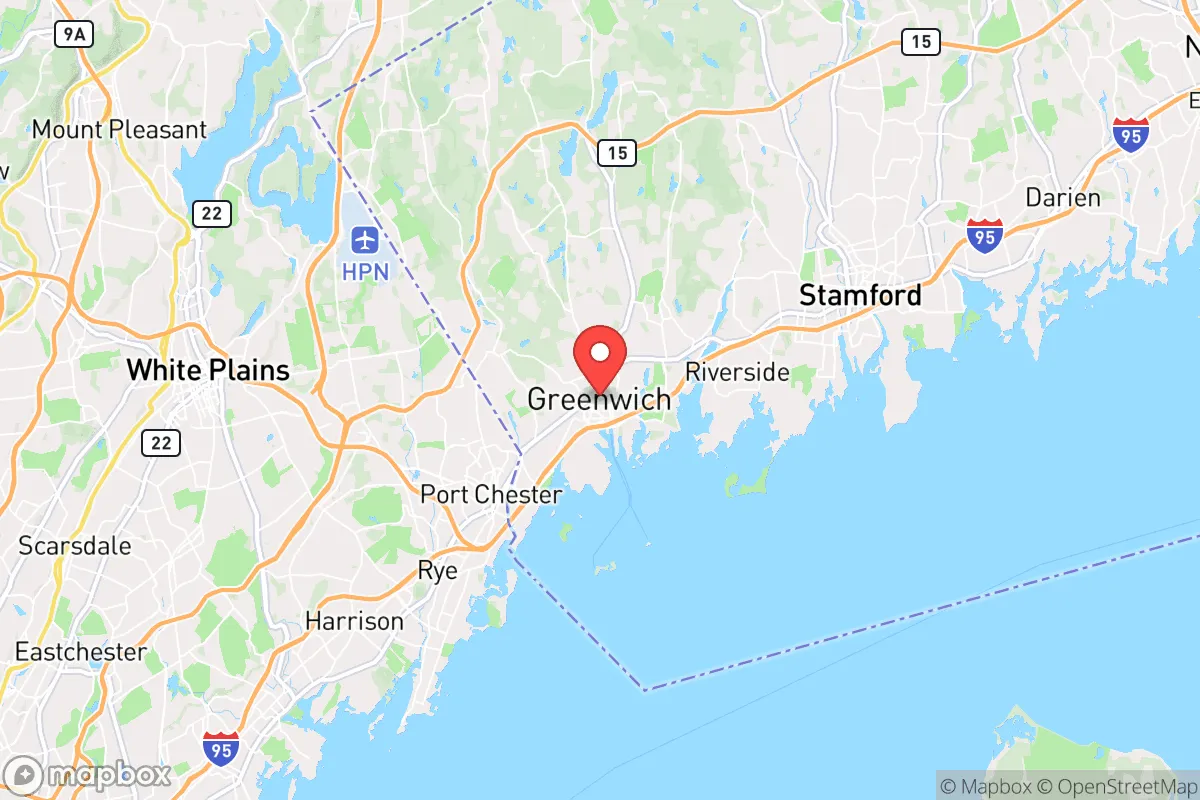
Photo: Wikipedia
Quality of Life in Greenwich, CT
A high quality of life with strong walkability, manageable living costs, healthy neighborhood signals, and solid amenity access.
What does Quality of Life tell us?
Quality of Life blends cost of living, nearby amenities, socioeconomic signals, and neighborhood character. City-level scores represent the whole municipality; individual neighborhoods can differ.
What does this tell us?
Quality of Life blends cost of living, nearby amenities, socioeconomic signals, and neighborhood character. City-level scores represent the whole municipality; individual neighborhoods can differ.
Cost of Living
220% above national average
The Real Cost of Living in Greenwich, CT for 2026
| Tier | Individual | Family (4) |
|---|---|---|
| Survival | $41k | $77k |
| Comfortable | $289k | $424k |
| Luxury | $305k+ | $473k+ |
| Elite (Top 5%) | $622k+ | $964k+ |
32%
The Area Signal
A metric tracking the socioeconomic signals of the area.
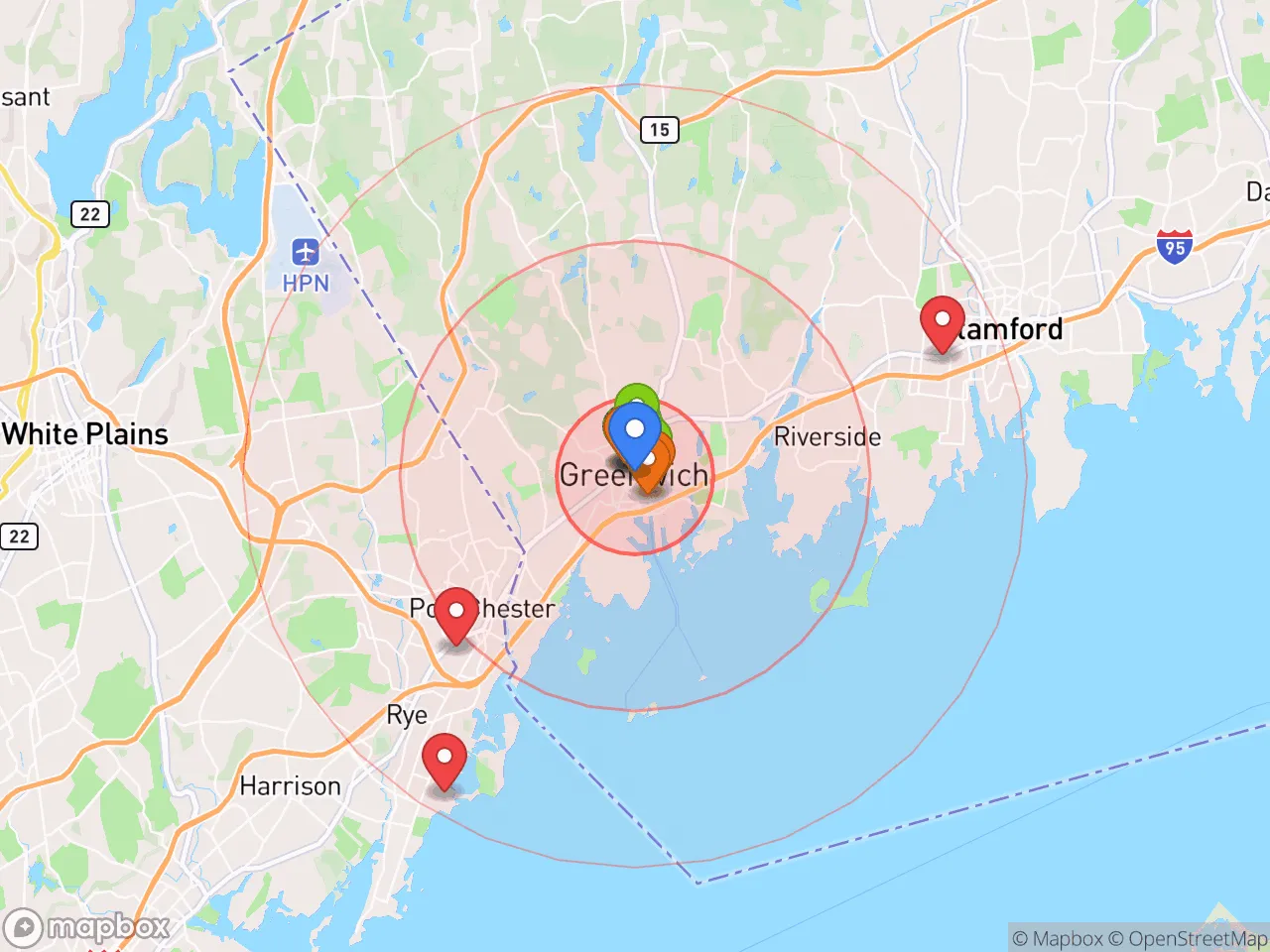
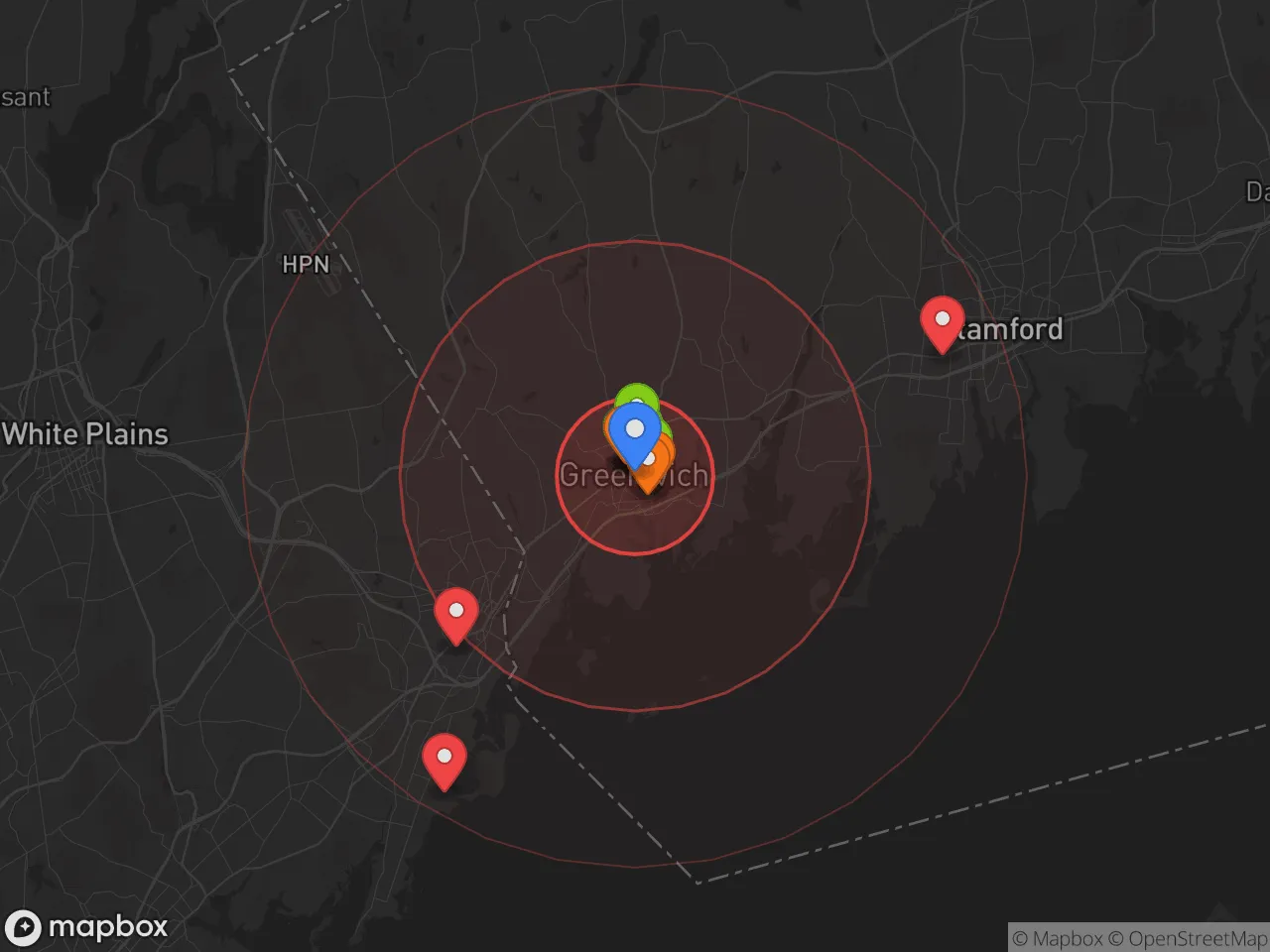
Hobbies
Explore the areaGroceries
6 within 10 miles
Gas
20 within 10 miles
Hospital
20 within 20 miles
Airport
JFK — John F. Kennedy International
Post Office
USPS — Cos Cob, CT
Critical Amenities
Quality-of-Life Analysis
Greenwich, Connecticut, is one of the wealthiest communities in the United States, with a cost of living index of 320 (more than three times the national average) and a median home value of $1,486,100. The town is home to a mix of hedge fund executives, corporate leaders, and long-established New England families, drawn by its proximity to Manhattan, top-tier public schools, and 32 miles of shoreline on Long Island Sound. Despite its reputation for extreme affluence, Greenwich also houses a significant professional class—including attorneys, physicians, and financial analysts—who rent or own smaller condos, creating a more economically diverse population than its median home price alone suggests.
Cost of living, housing, and how Greenwich compares to nearby towns
Greenwich’s cost of living index of 320 is roughly 50% higher than neighboring Stamford (index ~210) and about 20% higher than Darien (index ~270), making it the most expensive municipality in Fairfield County. The median home value of $1,486,100 places a typical single-family house well above the $800,000–$900,000 range seen in Stamford or Norwalk, though it is comparable to the $1.5 million median in nearby Old Greenwich and Riverside. For renters, the median monthly rent of $2,121 is surprisingly moderate relative to home prices—this figure is pulled down by a stock of older garden apartments and multi-family units in the town’s western neighborhoods, such as Byram and Glenville. However, a one-bedroom in a doorman building near Greenwich Avenue typically rents for $3,500–$4,500 per month. The average commute to Midtown Manhattan is 30 minutes via Metro-North Railroad (express trains run 28–35 minutes), which is faster than from most Westchester County suburbs and significantly shorter than the 60–75 minute commutes from Danbury or New Haven. Property taxes are high—around 1.1% of assessed value—but there is no city income tax, and Connecticut’s state income tax tops out at 6.99%, which is competitive with New York’s 10.9% top rate for high earners.
Schools, amenities, and what daily life feels like in Greenwich
Greenwich Public Schools are consistently ranked among the top 5% in Connecticut, with Greenwich High School offering over 30 Advanced Placement courses and a 94% graduation rate. The town’s 12 elementary schools are neighborhood-based, and the district spends roughly $24,000 per student annually—well above the state average of $19,000. Daily life revolves around Greenwich Avenue, a walkable mile-long retail corridor lined with luxury boutiques, independent bookstores, and farm-to-table restaurants like L’Escale and Rebecca’s. The town maintains 800 acres of parkland, including the 147-acre Greenwich Point Park (known locally as “Tod’s Point”), which offers beaches, walking trails, and a nature center. For families, the Bruce Museum provides rotating art and science exhibits, while the Greenwich Audubon Center offers 680 acres of birding and hiking. The town’s rhythm is distinctly suburban but with an urban edge: weekday mornings see a steady flow of commuters to the train station, while weekends bring packed farmers’ markets at the Arch Street Teen Center and youth sports leagues at the 70-acre Blythewood Fields complex. Crime rates are among the lowest in Connecticut—the violent crime rate is roughly 0.6 per 1,000 residents, compared to the national average of 4.0—and the town has its own police force with a dedicated community outreach unit.
Greenwich is best suited for high-income professionals and families who prioritize elite public schools, a short commute to New York City, and access to waterfront recreation. The town’s social fabric is heavily oriented around private clubs (the Round Hill Club, the Belle Haven Club) and school-based activities, which can feel insular to newcomers. Renters and those earning under $200,000 annually may find the cost of living restrictive, particularly in the central and backcountry neighborhoods where homes routinely exceed $3 million. For buyers and renters who can absorb the premium, Greenwich offers a rare combination of top-ranked schools, a 30-minute train ride to Grand Central, and 32 miles of protected coastline—a package that few other suburbs in the Northeast can match.

Crime in Greenwich, CT
Generally safer than 71% of comparable U.S. locations.
Violent CrimeViolent Crime Analysis
Property CrimeProperty Crime Analysis
Crime Analysis
Greenwich, Connecticut, is one of the safest communities in the greater New York metropolitan area, with a violent crime rate of 110.5 incidents per 100,000 residents that is roughly one-third the national average. The property crime rate of 1,139.8 per 100,000 also sits well below the U.S. median, reflecting the town’s affluent demographics, robust private security presence, and well-funded local police force. However, as a wealthy suburb within a large metro area, Greenwich is not immune to the broader regional trends shaped by Connecticut’s progressive criminal justice policies.
Crime in context
Greenwich’s violent crime rate is 77% lower than the national average and significantly below the Connecticut state rate of roughly 200 per 100,000. Property crime in Greenwich is about 30% lower than the state average of 1,600 per 100,000. These figures place Greenwich among the safest municipalities in Fairfield County. However, Connecticut’s state-level policies—including bail reform laws that reduce pretrial detention and sentencing guidelines that emphasize rehabilitation over incarceration—mean that offenders arrested in Greenwich may face lighter consequences than in jurisdictions with tougher approaches. This creates a dynamic where the town’s low crime rates are a product of local wealth and policing, but the regional justice system’s progressive tilt can lead to repeat offenses by individuals released without meaningful supervision.
What residents experience
For daily life, Greenwich feels exceptionally safe. The most common crimes are larceny and motor vehicle theft, often tied to unlocked cars or packages left on doorsteps. Violent incidents are rare and typically involve domestic disputes or isolated assaults rather than random street crime. Residents report high confidence in the Greenwich Police Department, which maintains a visible presence in downtown areas and residential neighborhoods. The town’s low population density and extensive private security patrols in gated communities further reduce opportunities for crime. That said, the proximity to New York City and Stamford means that property crime rings occasionally target Greenwich, and the progressive district attorney’s office in Stamford has been criticized for plea deals that return offenders to the street quickly.
Neighborhood-level variation is modest but worth noting. Byram and Chickahominy, which have more diverse and slightly denser housing stock, see marginally higher property crime rates than the western neighborhoods of Belle Haven or Round Hill. The downtown area around Greenwich Avenue experiences occasional shoplifting and vehicle break-ins, while the backcountry estates are virtually crime-free but vulnerable to organized burglary crews. Overall, Greenwich’s safety profile is excellent by any national standard, but the regional justice environment means residents should remain vigilant about property security and support local efforts to push back against lenient sentencing policies.
* Values derived from national, state, county, city and local statistics and may differ in a specific area. Last updated: 2026-06-20T16:31:03.000Z
Narrative content on this page is AI-generated and may contain mistakes. Verify any details that matter before acting on them.
ReloMaps may earn a commission from affiliate links at no extra cost to you.

