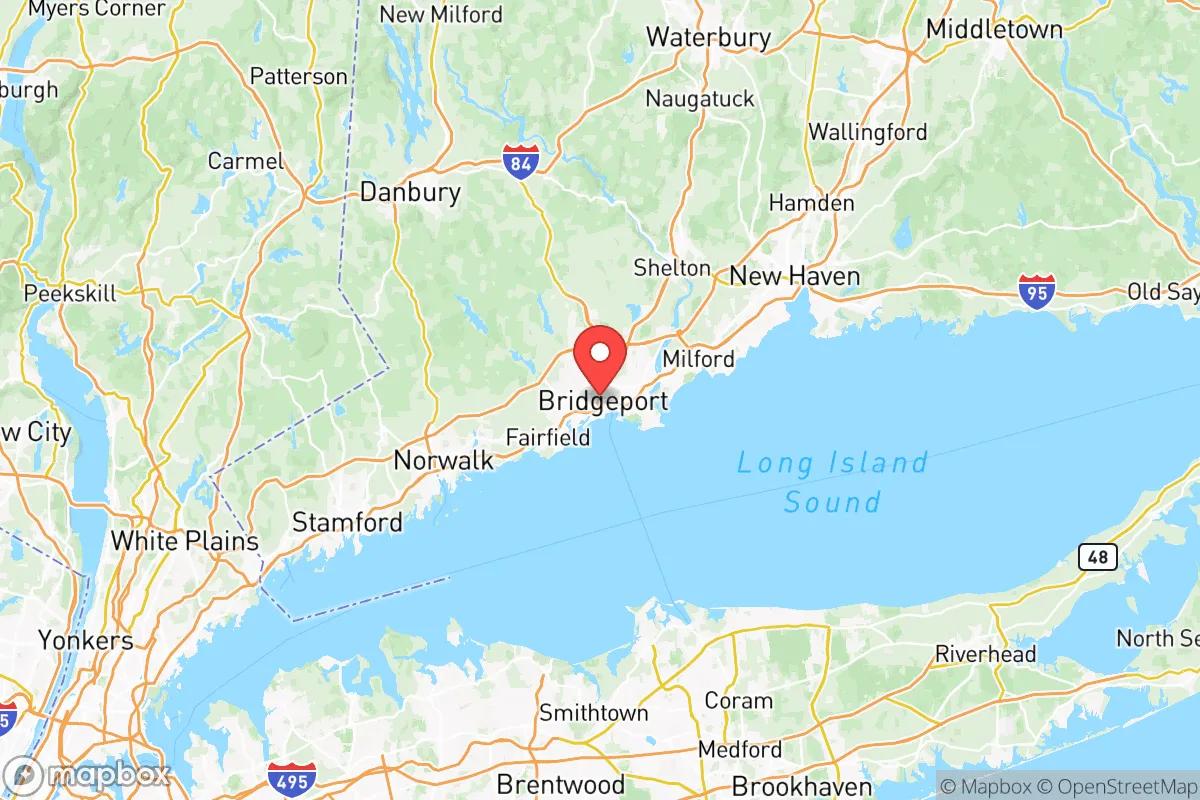
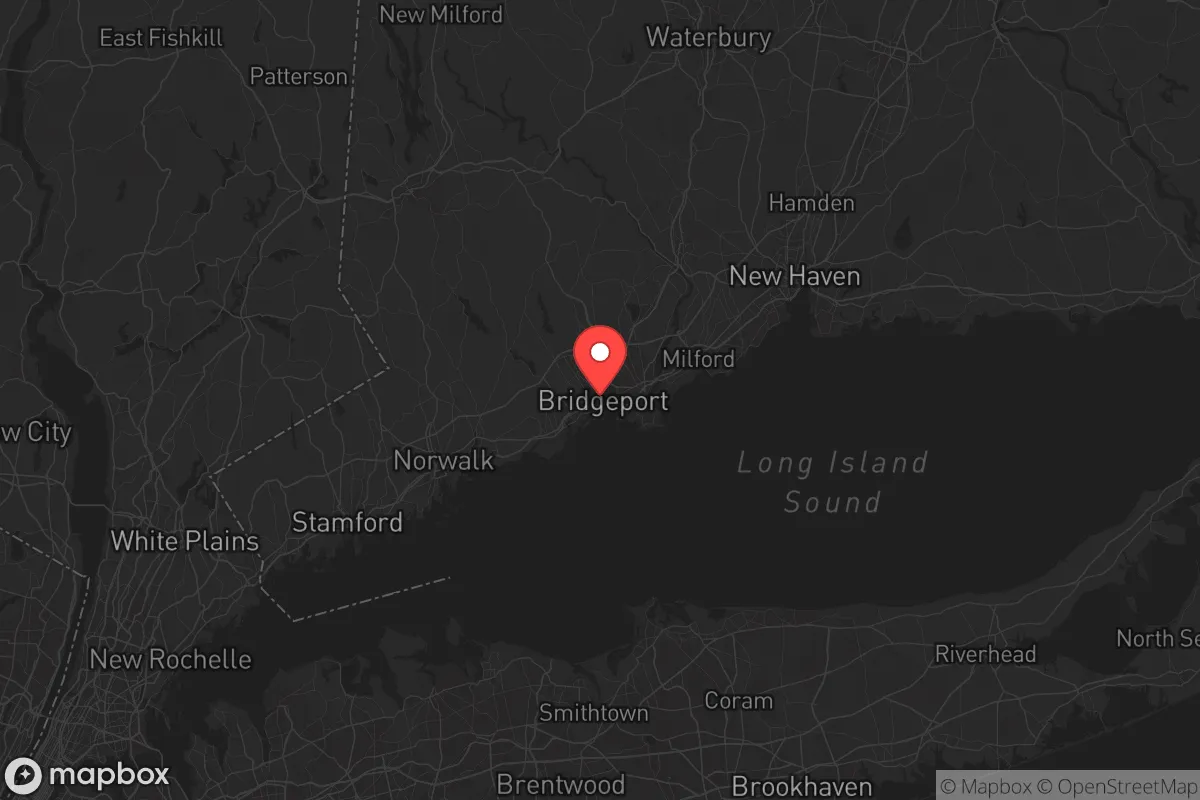
Personal Sovereignty in Greater Bridgeport Planning Region County
Viable for self-reliance. Generally workable, though some barriers may limit total independence.
What does Personal Sovereignty tell us?
Personal Sovereignty measures your capacity for self-reliance and independence with minimal government friction. Higher scores mean fewer barriers between you and the way you want to live... but it assumes you have the space you need and good neighbors.
What does this tell us?
Personal Sovereignty measures your capacity for self-reliance and independence with minimal government friction. Higher scores mean fewer barriers between you and the way you want to live... but it assumes you have the space you need and good neighbors.
State Policy
Energy independence: Importer (5% of energy produced in-state)
Personal Liberty
Homesteading

Personal Liberty Analysis
Greater Bridgeport Planning Region County presents a mixed personal sovereignty environment where individual autonomy is heavily shaped by the specific municipality you choose, with state-level policies creating a baseline of higher taxes and stricter regulations than much of the country, but local enforcement and culture varying significantly from the urban core of Bridgeport to the more suburban and rural towns like Monroe, Trumbull, and Easton. For the freedom-minded individual or family, the key is understanding that while Connecticut as a whole leans interventionist, pockets of greater self-reliance exist, particularly in the region's less densely populated towns. The trade-off is clear: you gain proximity to New York City job markets and coastal amenities, but you sacrifice the low-tax, low-regulation environment found in states like New Hampshire or Texas.
Tax burden and regulatory posture across the region
Connecticut carries one of the highest combined state and local tax burdens in the nation, and Greater Bridgeport is no exception. The state income tax is progressive, topping out at 6.99%, and property taxes are among the highest in the U.S., with effective rates in towns like Bridgeport and Stratford often exceeding 3% of assessed home value annually. Monroe and Easton offer somewhat lower mill rates but still face the same state-level property tax structure. The regulatory posture is heavy: Connecticut has a state-level minimum wage of $15.69 per hour (2025), paid family and medical leave mandates, and a strict regulatory environment for businesses. For a self-employed individual or small business owner, the permitting and compliance costs are notably higher than in less regulated states. The region's towns vary in their local zoning and business licensing burdens, with Trumbull and Fairfield having more streamlined processes than Bridgeport, but none offer the light-touch approach found in many southern or western jurisdictions.
Self-defense rights and gun law specifics in Connecticut
Connecticut has some of the most restrictive gun laws in the United States, and Greater Bridgeport reflects that state-level reality. The state requires a permit to purchase any handgun or long gun, a background check for all firearm transfers including private sales, and a permit to carry a handgun openly or concealed. The "may-issue" permitting system gives local authorities significant discretion, meaning that in practice, obtaining a carry permit in Bridgeport can be more difficult and time-consuming than in Monroe or Easton, where local police chiefs may be more accommodating. The state also bans "assault weapons" and high-capacity magazines, and has a 10-round magazine limit. Stand-your-ground laws do not exist in Connecticut; the state imposes a duty to retreat before using deadly force in self-defense outside the home. For a reader prioritizing self-defense rights, this region is among the least favorable in the country, and the legal landscape is unlikely to change given the state's political composition.
Self-reliance and homesteading viability: lot sizes, zoning, and off-grid feasibility
Homesteading and off-grid living are legally difficult in most of Greater Bridgeport due to dense suburban zoning and strict building codes. Easton and Monroe offer the best prospects, with larger lot sizes (often 1-2 acres minimum) and more rural character, but even there, building a new home requires extensive permitting, and off-grid systems like solar panels with battery storage are permitted but must meet state and local electrical codes. Trumbull and Fairfield are largely suburban with smaller lots and homeowners' association restrictions that can limit livestock, outbuildings, and alternative energy installations. Bridgeport and Stratford are urban and dense, making self-reliant homesteading essentially impossible. Rainwater collection is not restricted at the state level, but local ordinances may apply. Raising chickens or small livestock is allowed in some towns with permits, but larger animals like goats or pigs are generally prohibited in residential zones. For serious self-reliance, this region is a poor fit compared to rural areas of the Midwest or South.
Personal liberties: parental rights, medical autonomy, speech, and property
Connecticut law generally supports parental rights in education, including the ability to opt children out of certain curriculum content, but the state mandates comprehensive sex education and has strong anti-discrimination laws that can override parental objections in some contexts. Medical autonomy is limited: the state has strict vaccine mandates for school attendance and has maintained COVID-era public health emergency powers. Medical marijuana is legal with a prescription, but recreational cannabis is legal for adults 21+ and regulated by the state, with local towns like Monroe and Easton having opted out of allowing dispensaries within their borders. Free speech is protected under the First Amendment, but Connecticut has hate speech laws that can lead to civil penalties for certain types of expression. Property rights are constrained by some of the nation's strongest environmental regulations, including wetland protections and coastal zone management that can severely limit what you can do on your own land, particularly in coastal towns like Fairfield and Stratford. Eminent domain is used sparingly but is a legal tool available to municipalities for economic development projects.
Overall, Greater Bridgeport Planning Region County offers a low level of personal sovereignty relative to most of the United States, ranking among the bottom third of regions for individual autonomy due to high taxes, strict gun laws, limited homesteading feasibility, and a regulatory environment that prioritizes collective outcomes over individual freedom. For a reader who values self-reliance and minimal government interference, this region is a compromise at best — the trade-off is access to coastal New England lifestyle, strong public schools in towns like Trumbull and Fairfield, and proximity to New York City, but the cost is a significant reduction in personal autonomy across nearly every dimension measured. If sovereignty is your top priority, you would be better served by states like New Hampshire, Texas, or Florida, but if you must be in this region for family or career reasons, choosing a town like Easton or Monroe will provide the most breathing room within the state's constraints.

* Values derived from national, state, county, city and local statistics and may differ in a specific area. Last updated: 2026-06-29T12:22:02.000Z
Narrative content on this page is AI-generated and may contain mistakes. Verify any details that matter before acting on them.
ReloMaps may earn a commission from affiliate links at no extra cost to you.

