Find The Best Places To Live in Greater Bridgeport Planning Region County
PRO TIP! You can paste a Zillow or Redfin link to get info on that property.
Best Places to Live in Greater Bridgeport Planning Region County
Cities & Towns in Greater Bridgeport Planning Region County
Cities in Greater Bridgeport Planning Region County
What It's Like Living in Greater Bridgeport Planning Region County, CT
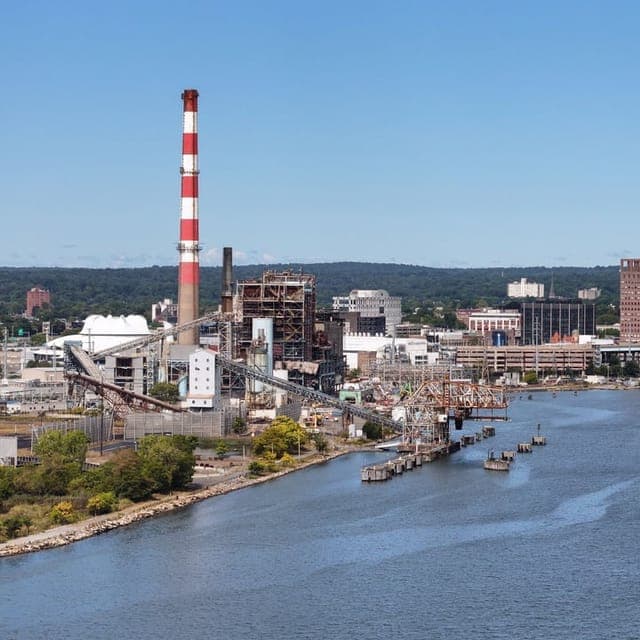
Living in Greater Bridgeport Planning Region County means you’re part of a dense, historically rooted corner of Connecticut where the line between city energy and suburban quiet blurs fast. The county wraps around Bridgeport itself, but also takes in towns like Stratford, Trumbull, Fairfield, and Easton — each with its own personality, from the salty air of Stratford’s shoreline to the wooded horse farms of Easton. It’s a place where a 31-minute average commute can take you from a quiet cul-de-sac to a downtown office in Bridgeport or a Metro-North platform bound for New York, and where the cost of living index of 133 reminds you that you’re paying for proximity to the coast and the city.
Daily Rhythm: Where People Actually Spend Their Time
Most days here start with coffee from a local spot like Dr. Mike’s Ice Cream in Fairfield (yes, they serve coffee, but the ice cream is the real draw) or a quick stop at a Dunkin’ on the Post Road. The median age of 40 means you’re surrounded by families and established professionals — the kind of people who spend weekends at a kid’s soccer game in Trumbull’s Pequonnock Valley Park or grabbing dinner at Barcelona Wine Bar in Fairfield’s downtown. Shopping leans toward the practical: the Westfield Trumbull mall draws crowds for its department stores, while Black Rock in Bridgeport offers a grittier, artsy strip of vintage shops and breweries. For groceries, Stew Leonard’s in Norwalk is a regional institution, but locals also hit the Fairfield Farmers Market on Saturdays for fresh produce and baked goods.
The commute is the biggest daily friction. At 31 minutes on average, it’s longer than the national norm, and it’s not unusual to sit in stop-and-go traffic on the Merritt Parkway or I-95, especially heading into Bridgeport or toward Stamford. People who work in New York City often take the Metro-North from Fairfield or Bridgeport stations — a 90-minute ride to Grand Central that makes the high cost of living more bearable. The weather follows a classic New England rhythm: crisp falls with foliage in Easton, snowy winters that can shut down side streets, and humid summers that push everyone toward the beaches at Short Beach in Stratford or Penfield Beach in Fairfield.
Sports, Community, and the Things That Bring People Together
High school sports are a genuine social anchor here. Fairfield Prep and St. Joseph High School in Trumbull have fierce basketball and football rivalries that pack bleachers on Friday nights, and the Bridgeport Sound Tigers (the AHL hockey team) used to draw crowds at the Webster Bank Arena — though the arena’s future is uncertain after the team’s departure. For college sports, Sacred Heart University in Fairfield fields Division I teams, and its basketball games at the Pioneer Center are a low-cost, high-energy night out. The Bridgeport Bluefish independent baseball team folded in 2017, but the Stratford High School football games still feel like community events.
Beyond sports, the county’s cultural identity is shaped by its immigrant roots and industrial past. The Barnum Museum in Bridgeport honors P.T. Barnum’s legacy, and the Bridgeport Arts & Cultural Council runs gallery walks and music nights. The Stratford Shakespeare Festival (held at the American Shakespeare Theatre) is a summer staple, though the venue has been dormant for years — locals hope for its revival. For a night out, Two Roads Brewing Company in Stratford is a must: a converted pickle factory that now serves IPAs and hosts live music, with a taproom that feels like a community living room. Captain’s Cove Seaport in Bridgeport offers a boardwalk, seafood shacks, and boat tours, but it’s a bit touristy — locals prefer the quieter Boothe Memorial Park in Stratford for a picnic and a view of the Housatonic River.
Who Fits In — and Who Might Struggle
This county works best for people who value a mix of suburban stability and urban access. The median household income of $87,135 is solid, but the median home value of $397,000 means you need a decent down payment or a dual-income household to buy in Fairfield or Trumbull. Easton offers larger lots and more privacy, but it’s pricier and less walkable. Single professionals often gravitate to Fairfield’s downtown or Bridgeport’s Black Rock neighborhood, where you can rent a one-bedroom for around $1,500 and walk to bars and restaurants. Families tend to settle in Stratford or Trumbull, where schools are well-regarded and the Trumbull High School football games are a weekend ritual.
The violent crime rate of 110.5 per 100,000 is lower than the national average, but it’s unevenly distributed — Bridgeport’s East Side and parts of the South End have higher rates, while Fairfield and Easton are very safe. Property crime is the bigger annoyance, especially car break-ins in downtown Fairfield and Stratford. The 41.7% college-educated population means you’ll find plenty of neighbors with advanced degrees, but the cost of living index of 133 can be a shock if you’re moving from the Midwest or South. Groceries, utilities, and gas all run higher here, and the property tax burden in Connecticut is among the highest in the U.S. — a $400,000 home in Trumbull can carry a $9,000 annual tax bill.
What locals love: the beaches, the proximity to New York without living in it, the strong sense of local identity in each town, and the fact that you can be hiking in Easton’s Trout Brook Valley Preserve in the morning and at a concert in Bridgeport by night. What frustrates them: the traffic, the high taxes, the aging infrastructure (the Merritt Parkway’s bridges need constant repair), and the feeling that the county’s best days — the manufacturing boom, the downtown department stores — are behind it. Still, for the right person, the trade-off is worth it: a real community with history, coastline, and a commute that keeps you connected to the region’s opportunities.

* Values derived from national, state, county, city and local statistics and may differ in a specific area. Last updated: 2026-06-29T12:22:02.000Z
Narrative content on this page is AI-generated and may contain mistakes. Verify any details that matter before acting on them.
ReloMaps may earn a commission from affiliate links at no extra cost to you.

