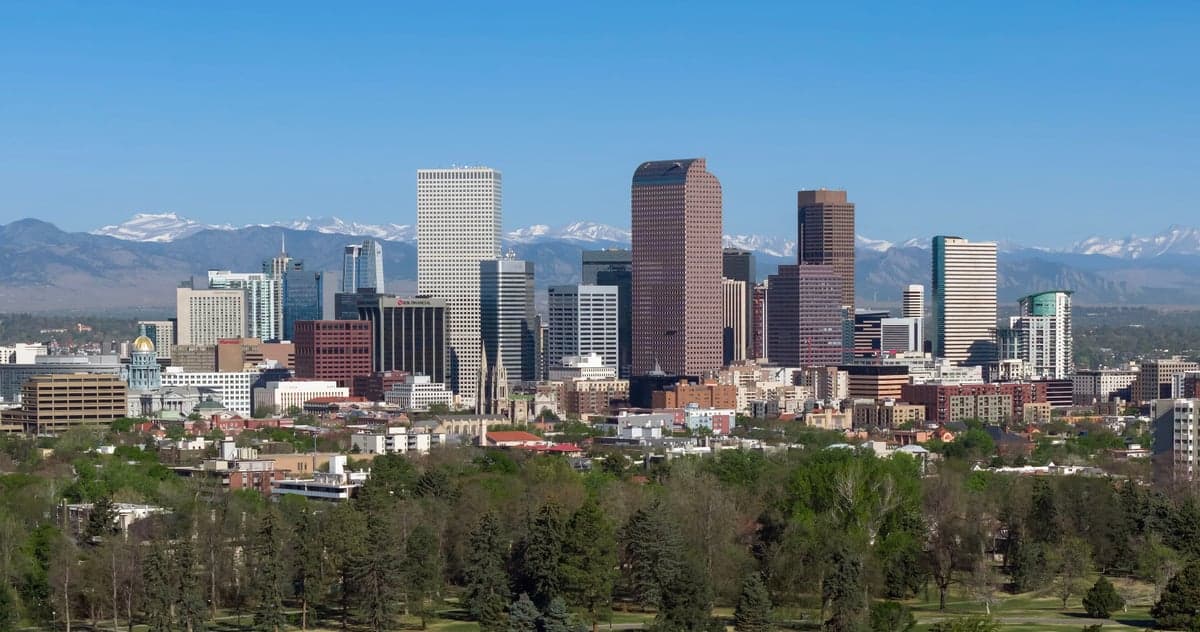
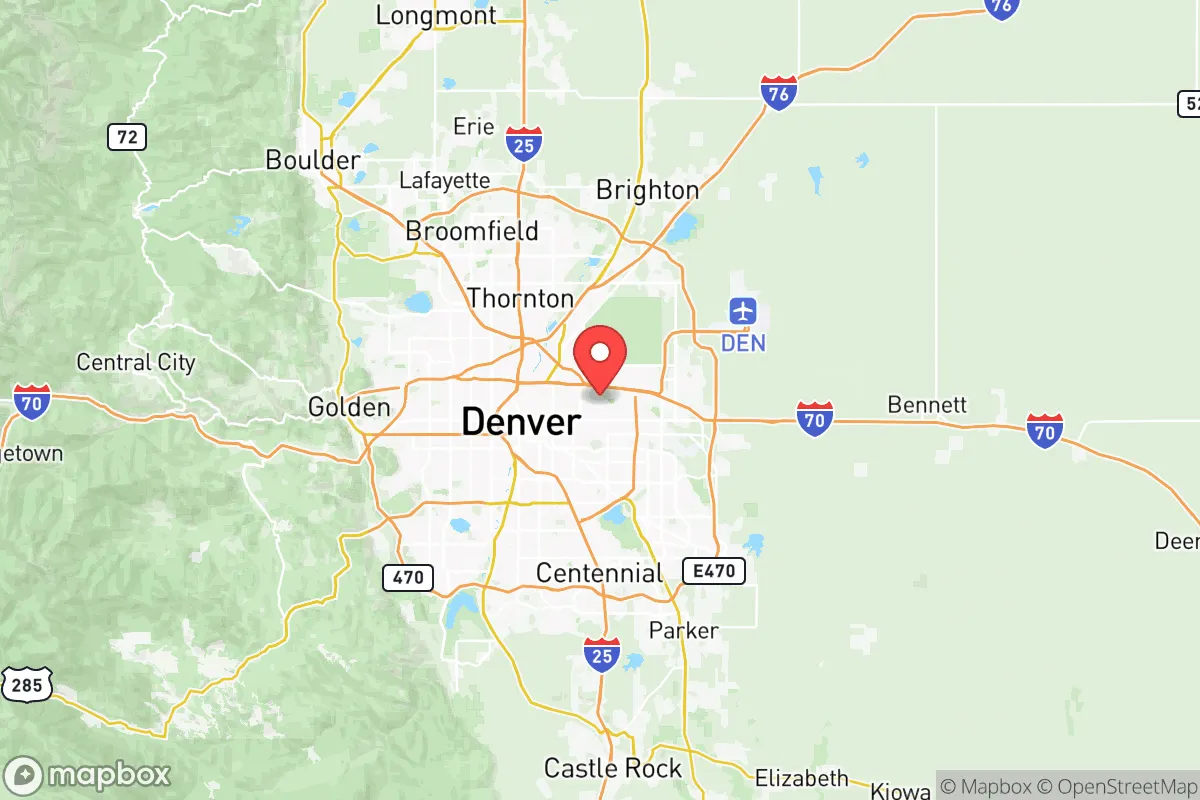
Photo: Wikipedia
Find The Best Places To Live in Denver County
PRO TIP! You can paste a Zillow or Redfin link to get info on that property.
Best Places to Live in Denver County
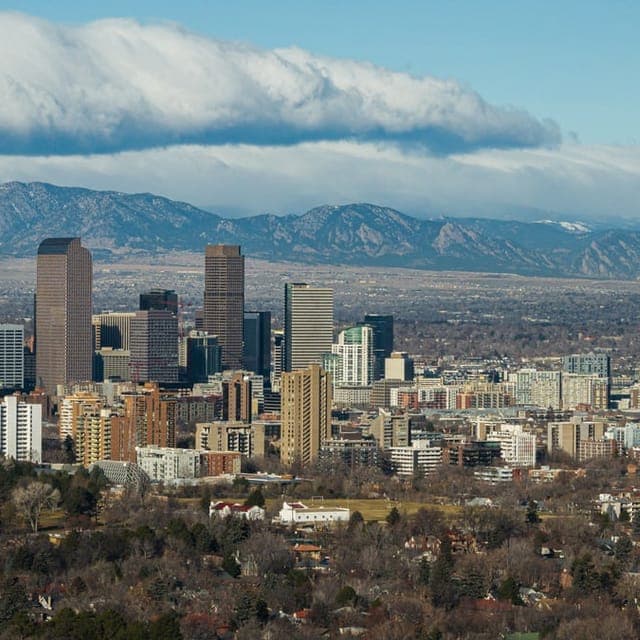
Cities & Towns in Denver County
Cities in Denver County
What It's Like Living in Denver County, CO
Denver County is the urban core of Colorado’s Front Range, a place where the energy of a fast-growing city meets the unmistakable backdrop of the Rocky Mountains. Living here means navigating a county that’s dense, young, and increasingly expensive, with a median age of 35.2 and a median home value of $586,700 that puts homeownership out of reach for many. It’s a county of distinct neighborhoods—from the historic bungalows of Washington Park to the high-rises of downtown Denver—where the daily rhythm is shaped by a 25-minute average commute, a booming job market, and an outdoor culture that’s as much a part of life as the traffic on I-25.
The Daily Rhythm: Work, Commute, and Weekend Escape
For most people in Denver County, the workday starts early, often with a commute that’s manageable but growing worse. The average commute of just over 25 minutes is shorter than in many major metros, but locals will tell you that the stretch of I-25 between downtown and the Tech Center can feel like a parking lot during rush hour. Many residents work in the county’s dominant industries—tech, healthcare, and aerospace—with major employers like DaVita, Lockheed Martin, and the University of Colorado Anschutz Medical Campus anchoring the job market. The median household income of $91,681 is solid, but it’s stretched thin by a cost of living index of 175 (75% above the national average), meaning that even well-paid professionals often rent rather than buy.
Weekends are where Denver County really shines. Locals don’t just talk about the mountains—they use them. A Saturday morning might start with a hike at Red Rocks Park (just west of the county line) or a bike ride along the Cherry Creek Trail, followed by brunch at a spot like Snooze, an A.M. Eatery in the Ballpark neighborhood. In winter, the ski resorts of Summit County are a two-hour drive, but many families stick closer to home, hitting the ice rink at Skyline Park or sledding at Ruby Hill Park. The county’s 55.6% college-educated population means there’s a strong café culture, with places like St. Mark’s Coffeehouse in Capitol Hill serving as de facto living rooms for freelancers and remote workers.
Sports, Community, and the Local Identity
Sports are a unifying force here, and they’re not just for the pros. The Denver Broncos dominate fall Sundays, but the Colorado Rockies (baseball) and Denver Nuggets (basketball) also draw passionate crowds, especially after the Nuggets’ 2023 NBA championship. College sports are less central than in some states, but the University of Denver’s hockey team is a big deal, regularly competing for national titles. High school sports are a quieter affair, with schools like East High School in the City Park neighborhood fielding competitive teams that draw local pride rather than statewide attention.
The county’s cultural identity is rooted in a blend of Western independence and urban sophistication. You’ll see it in the craft breweries—Denver has more than 150, from the iconic Coors Field to smaller spots like Great Divide Brewing Co. in the Ballpark neighborhood. The city’s festivals, like the Great American Beer Festival and the Denver Arts Festival, draw crowds from across the region. But there’s also a strong sense of local tradition: the National Western Stock Show in January brings a taste of the rural West into the city, and the annual Cherry Creek Arts Festival turns a shopping district into an open-air gallery.
What’s There to Do: Parks, Music, and Neighborhood Hangouts
Denver County packs a lot of entertainment into its 155 square miles. City Park is the centerpiece, home to the Denver Zoo and the Denver Museum of Nature & Science, both family staples. For music, the Mission Ballroom and the Ogden Theatre host national acts, while Red Rocks Amphitheatre (just outside the county) is a bucket-list venue for any music fan. The restaurant scene is diverse, with standout spots like Mercantile Dining & Provision in Union Station for upscale fare and Buckhorn Exchange for a taste of Old West history (it’s Denver’s oldest restaurant, serving rattlesnake and buffalo).
For families, the county’s public schools are a mixed bag. Denver Public Schools (DPS) is the largest district in Colorado, with some highly rated magnet schools like Denver School of the Arts, but also significant disparities in performance between neighborhoods. Many parents opt for charter schools or private options, and the school choice system means that where you live doesn’t always determine where your child goes to school. This has created a competitive, sometimes stressful environment for families navigating the process.
Pros and Cons of Living Here
Longtime residents love the access to the outdoors, the job opportunities, and the city’s walkable, bike-friendly core. The food and beer scene is world-class, and the county’s young, educated population (median age 35.2) creates a vibrant social energy. But the downsides are real. The violent crime rate of 427.5 per 100,000 is above the national average, and while it’s concentrated in certain areas, it’s a concern for anyone living near downtown or in neighborhoods like Five Points. The cost of living is the biggest frustration: a median home value of $586,700 means that even dual-income households struggle to buy, and rents are high across the board. Traffic is a daily grind, and the city’s rapid growth has strained infrastructure, from overcrowded schools to aging water systems.
For the right person—someone who values career growth, outdoor recreation, and a lively urban scene, and who can afford the premium—Denver County is a compelling place to live. It’s not for everyone, but for those who thrive on its mix of mountain air and city lights, it’s hard to imagine being anywhere else.

* Values derived from national, state, county, city and local statistics and may differ in a specific area. Last updated: 2026-06-27T15:39:16.000Z
Narrative content on this page is AI-generated and may contain mistakes. Verify any details that matter before acting on them.
ReloMaps may earn a commission from affiliate links at no extra cost to you.

