Photo: Wikipedia
Find The Best Places To Live in Arapahoe County
PRO TIP! You can paste a Zillow or Redfin link to get info on that property.
Best Places to Live in Arapahoe County
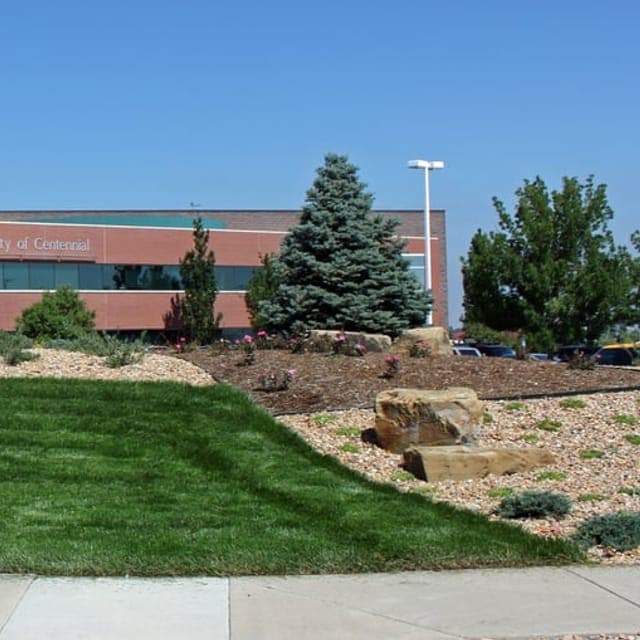
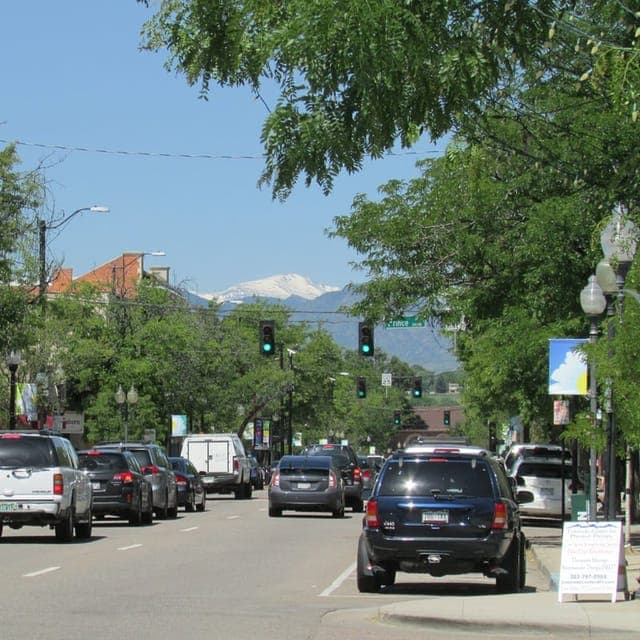
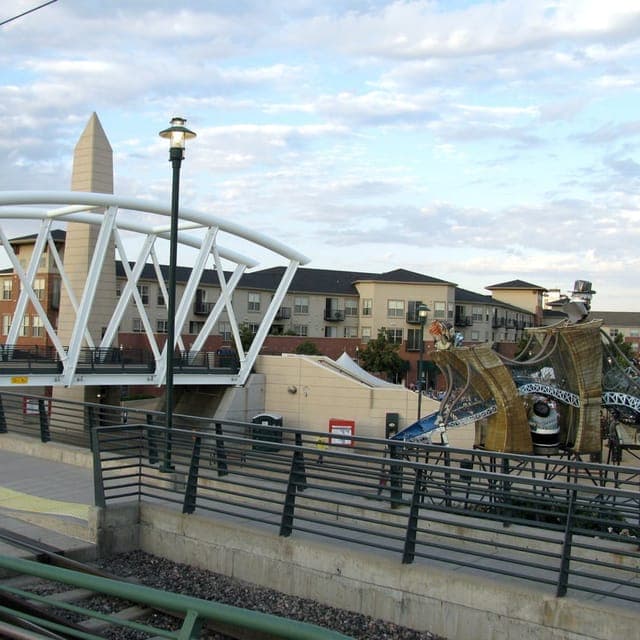

Cities & Towns in Arapahoe County
Cities in Arapahoe County
What It's Like Living in Arapahoe County, CO
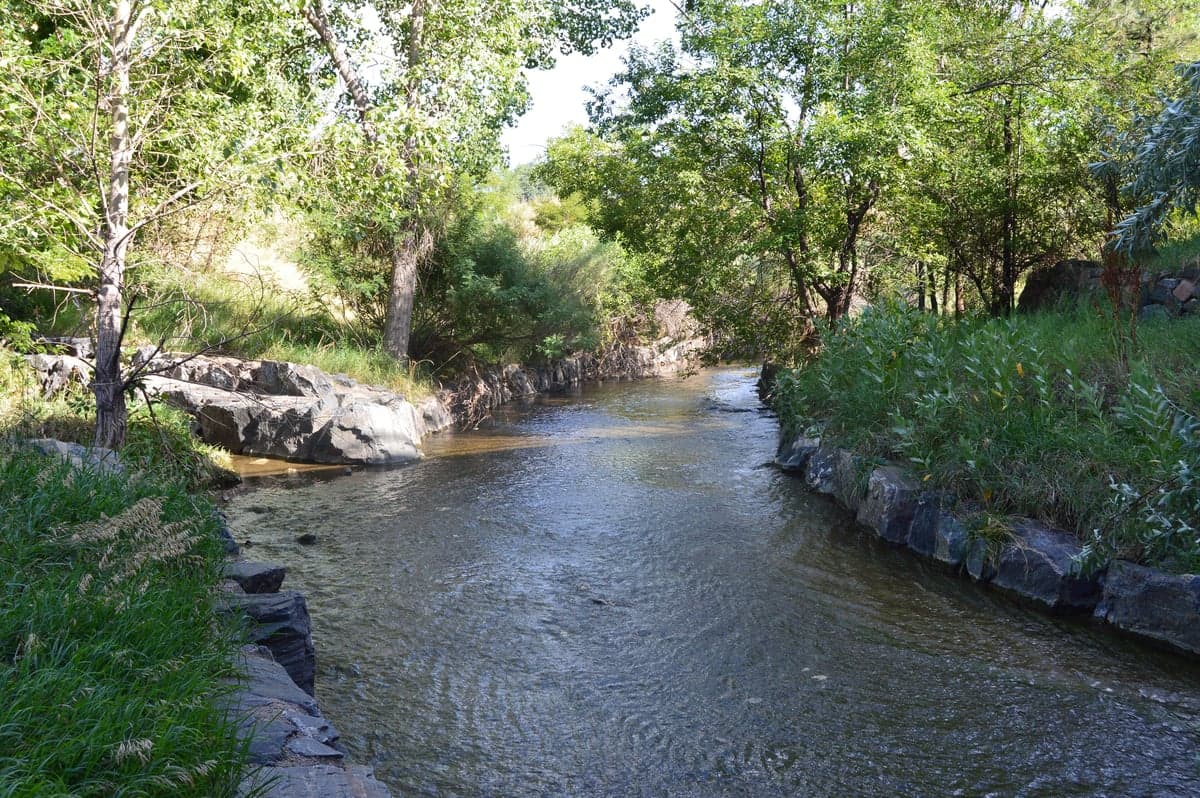
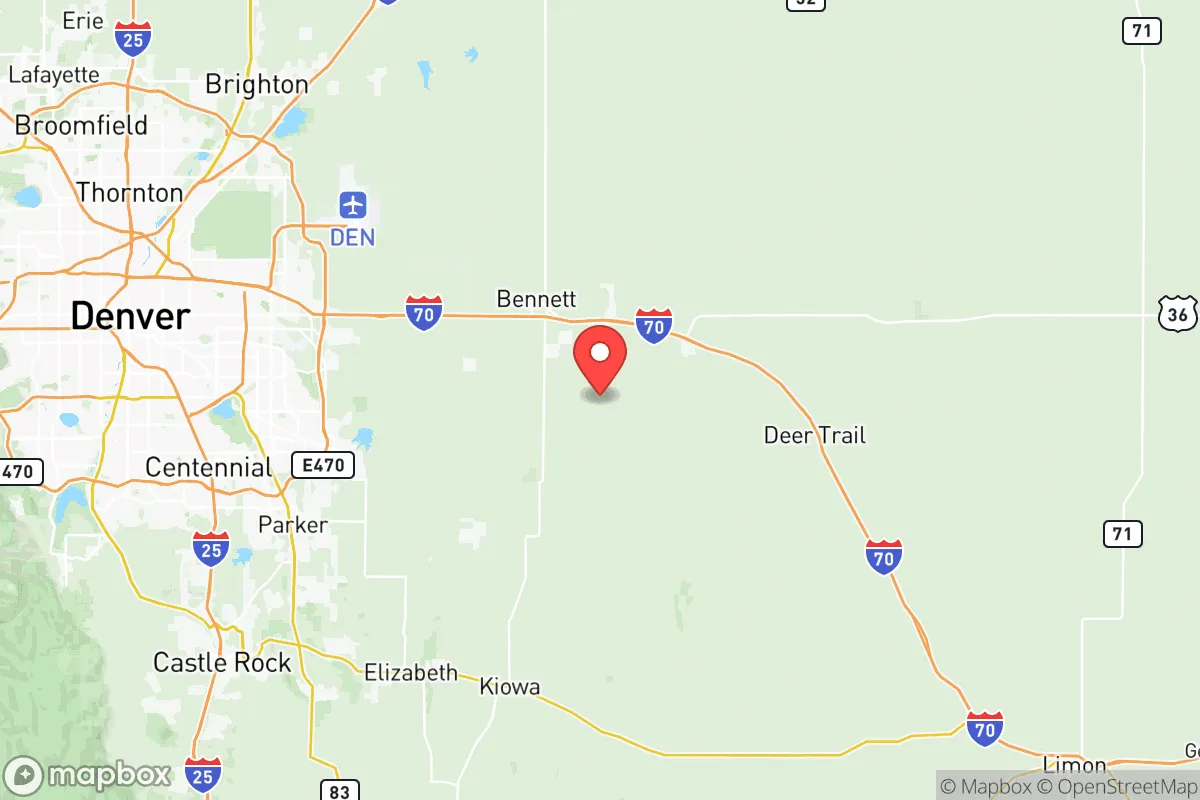
Arapahoe County is one of those rare places where you can live in a sprawling suburban hub like Aurora, enjoy the historic small-town feel of Littleton, or find quiet rural acreage near Deer Trail — all within the same county. It’s the third-most populous county in Colorado, with roughly 655,709 residents, and it strikes a balance between access to Denver’s job market and a distinctly suburban or even semi-rural identity. For families and single professionals who want Colorado’s outdoor lifestyle without the chaos of downtown Denver, Arapahoe County offers a practical middle ground.
Daily Rhythm: Suburban Comfort Meets Front Range Access
Most people in Arapahoe County spend their weekdays in a familiar suburban routine — dropping kids at school, commuting to work, and running errands at shopping centers like the Streets at SouthGlenn in Centennial or the Southlands Mall in Aurora. The average commute clocks in at about 27 minutes, which is manageable by Front Range standards, though traffic on I-25 and E-470 can test your patience during peak hours. Many residents work in healthcare, aerospace, or tech, with major employers like Centura Health, Lockheed Martin, and the Denver Tech Center anchoring the local economy. The median household income sits at $97,215, which reflects the area’s professional tilt, but the cost of living index of 168 (well above the national average of 100) means that money doesn’t stretch as far as it used to.
Weekends here are often spent outdoors. Cherry Creek State Park in Aurora draws runners, boaters, and birdwatchers year-round, while the High Line Canal Trail cuts through multiple Arapahoe County communities, offering a paved path for biking and walking that connects Centennial, Littleton, and Aurora. In the winter, residents drive west toward the mountains for skiing, but many also embrace local winter activities like ice skating at the South Suburban Sports Complex or hiking the trails at Roxborough State Park, just south of the county line.
Sports, Community, and Local Identity
High school sports are a genuine pillar of community life here. Friday-night football games at Eaglecrest High School in Centennial or Grandview High School in Aurora draw big crowds, and the rivalry between Littleton High School and Heritage High School is the kind of thing that gets talked about at local coffee shops all week. For pro sports, Denver’s major teams — the Broncos, Nuggets, Rockies, and Avalanche — are a 20- to 30-minute drive from most parts of the county, and plenty of residents hold season tickets. There’s also a strong youth sports culture, with soccer and lacrosse leagues filling fields on weekends at places like the Arapahoe County Fairgrounds in Aurora.
The county’s identity is shaped by its mix of old and new. Historic downtown Littleton, with its brick storefronts, independent bookstores, and the Breckenridge Brewery, feels like a small town that happens to be twenty minutes from a major city. Meanwhile, Aurora is one of the most diverse cities in Colorado, with a vibrant array of restaurants serving everything from Ethiopian injera to Vietnamese pho. That diversity is a cultural asset that longtime residents often mention as something they genuinely value.
What’s There to Do: Festivals, Food, and Outdoor Spaces
Entertainment options are plentiful without being overwhelming. The Arapahoe County Fair in Aurora each summer offers rodeo events, carnival rides, and a classic small-town fair atmosphere. The Littleton Twilight Criterium, a professional bike race through historic downtown, brings thousands of spectators every August. For music, the Levitt Pavilion in Denver’s Ruby Hill Park is a short drive and hosts free concerts all summer, while local venues like the Gothic Theatre in Englewood (just across the county line) book national touring acts.
When it comes to food, you’ll find local standbys like The Homegrown Tap & Dough in Centennial for pizza and craft beer, or Sam’s No. 3 in Aurora for a green-chile-smothered breakfast that’s become a local institution. For a quieter evening, residents head to the Hudson Gardens & Event Center in Littleton for outdoor concerts or the Arapahoe Libraries system, which hosts author talks and community events across its branches in Centennial, Littleton, and Aurora.
Pros and Cons of Living Here
- Pro: Strong schools and family-friendly neighborhoods. School districts like Littleton Public Schools and Cherry Creek Schools are highly rated, and many families move here specifically for the education options. The median age of 37.3 reflects a population heavy on families and established professionals.
- Pro: Outdoor access without mountain prices. You can bike the High Line Canal, paddleboard at Cherry Creek Reservoir, or hike at Roxborough State Park without paying resort-town real estate prices — though the median home value of $526,000 still requires a solid income.
- Con: Rising costs and traffic. The cost of living index of 168 is a real strain for newcomers, especially those coming from lower-cost states. Traffic on I-25 and Arapahoe Road during rush hour is a common complaint, and the 27-minute average commute can easily stretch to 45 minutes on bad days.
- Con: Crime concerns in parts of the county. The violent crime rate of 427.5 per 100,000 residents is above the national average, and while many neighborhoods in Centennial and Littleton feel very safe, some areas of Aurora have higher crime rates that give some residents pause.
Overall, Arapahoe County works best for people who want Colorado’s lifestyle — mountains, sunshine, outdoor recreation — but need to be near Denver for work and don’t want to live in a high-rise. It’s not the cheapest place to settle down, and it’s not the quietest, but for the right person, it feels like home.

* Values derived from national, state, county, city and local statistics and may differ in a specific area. Last updated: 2026-06-15T20:41:15.000Z
Narrative content on this page is AI-generated and may contain mistakes. Verify any details that matter before acting on them.
ReloMaps may earn a commission from affiliate links at no extra cost to you.

