Photo: Wikipedia
Quality of Life in Brattleboro, VT
A high quality of life with strong walkability, manageable living costs, healthy neighborhood signals, and solid amenity access.
What does Quality of Life tell us?
Quality of Life blends cost of living, nearby amenities, socioeconomic signals, and neighborhood character. City-level scores represent the whole municipality; individual neighborhoods can differ.
What does this tell us?
Quality of Life blends cost of living, nearby amenities, socioeconomic signals, and neighborhood character. City-level scores represent the whole municipality; individual neighborhoods can differ.
Cost of Living
13% below national average
The Real Cost of Living in Brattleboro, VT for 2026
| Tier | Individual | Family (4) |
|---|---|---|
| Survival | $16k | $31k |
| Comfortable | $47k | $68k |
| Luxury | $85k+ | $132k+ |
| Elite (Top 5%) | $144k+ | $223k+ |
69%
The Area Signal
A metric tracking the socioeconomic signals of the area.
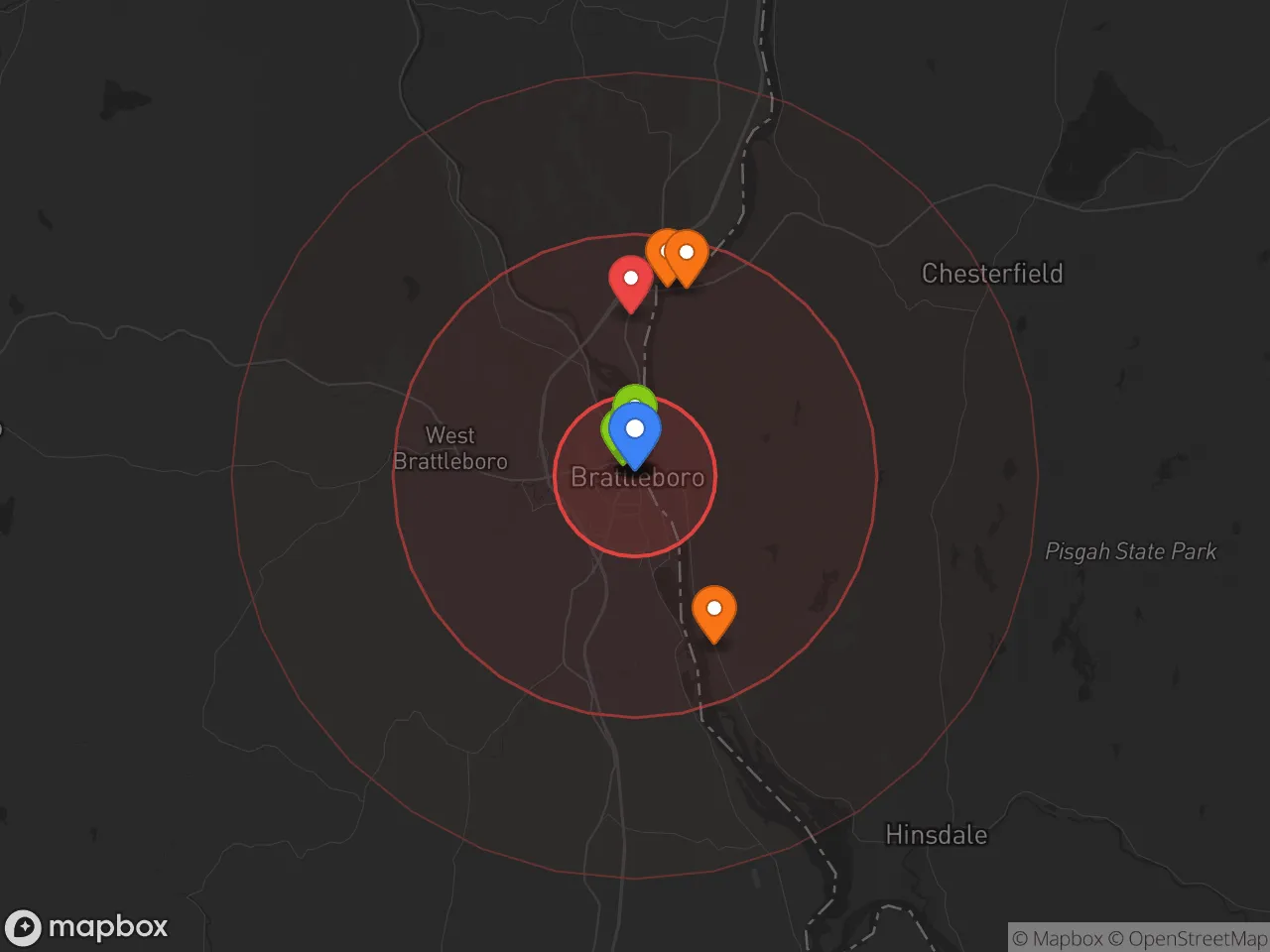
Hobbies
Explore the areaGroceries
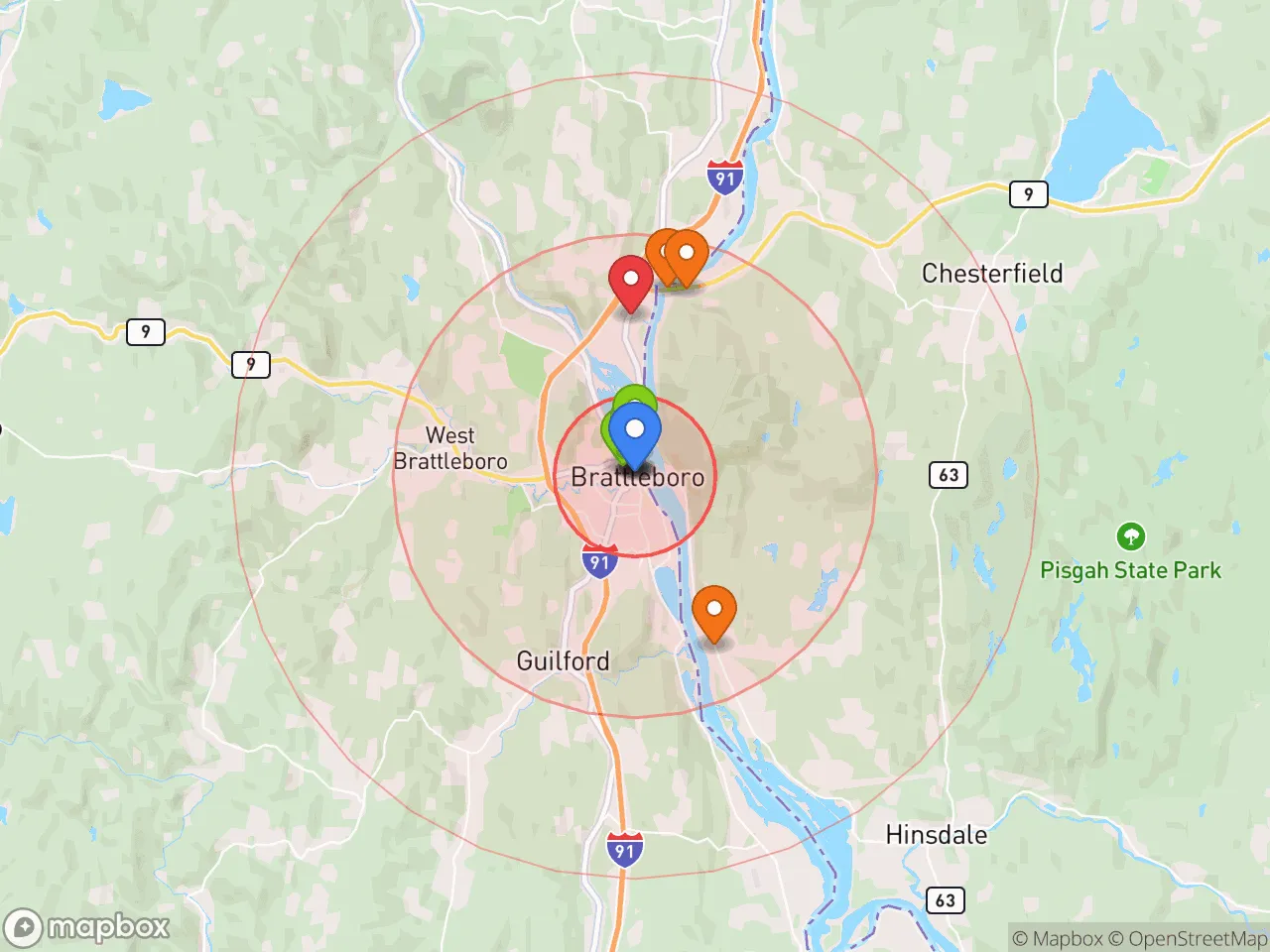
0 within 10 miles
Gas
0 within 10 miles
Hospital
0 within 20 miles
Airport
PDX — Portland International Jetport
Post Office
Critical Amenities
Quality-of-Life Analysis
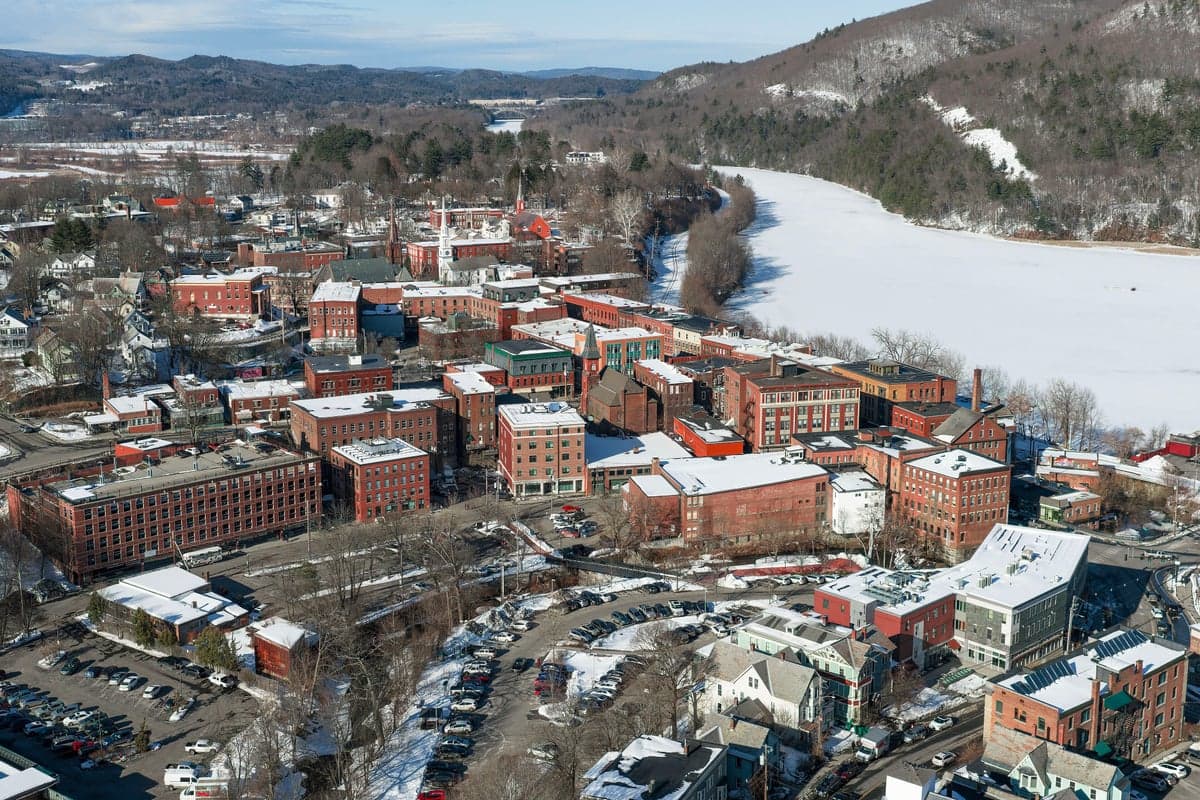
Brattleboro, Vermont, presents a quality-of-life profile that blends small-town New England character with a notably lower cost of living than much of the region, attracting a mix of artists, remote workers, and families seeking an affordable, culturally engaged community. With a cost-of-living index of 87 (13% below the U.S. average), the area offers a financial buffer that is increasingly rare in the Northeast, though housing dynamics require careful navigation. The population skews educated and politically progressive, with a strong presence of retirees, second-home owners, and professionals employed in healthcare, education, and the creative economy.
Cost of living and housing affordability compared to nearby towns
Brattleboro’s affordability stands out sharply against pricier Vermont towns like Burlington or nearby Keene, New Hampshire. The median home value sits at $239,500, well below the national median of roughly $350,000, while median rent is $1,028—about 20% lower than the U.S. average. This makes homeownership attainable for many middle-income buyers, though inventory is tight and older housing stock often requires renovation. Renters face a competitive market, but prices remain significantly lower than in southern Vermont resort towns like Manchester or Wilmington. The average commute of 22 minutes is manageable, with most workers driving to jobs within Windham County or across the Connecticut River into New Hampshire. Property taxes in Vermont are high (among the top five states nationally), which offsets some of the housing cost advantage, but the overall COL index of 87 means a household earning $50,000–$60,000 can live comfortably here, whereas the same income would be stretched thin in Boston or Portland, Maine.
Local amenities, schools, and the daily rhythm of life
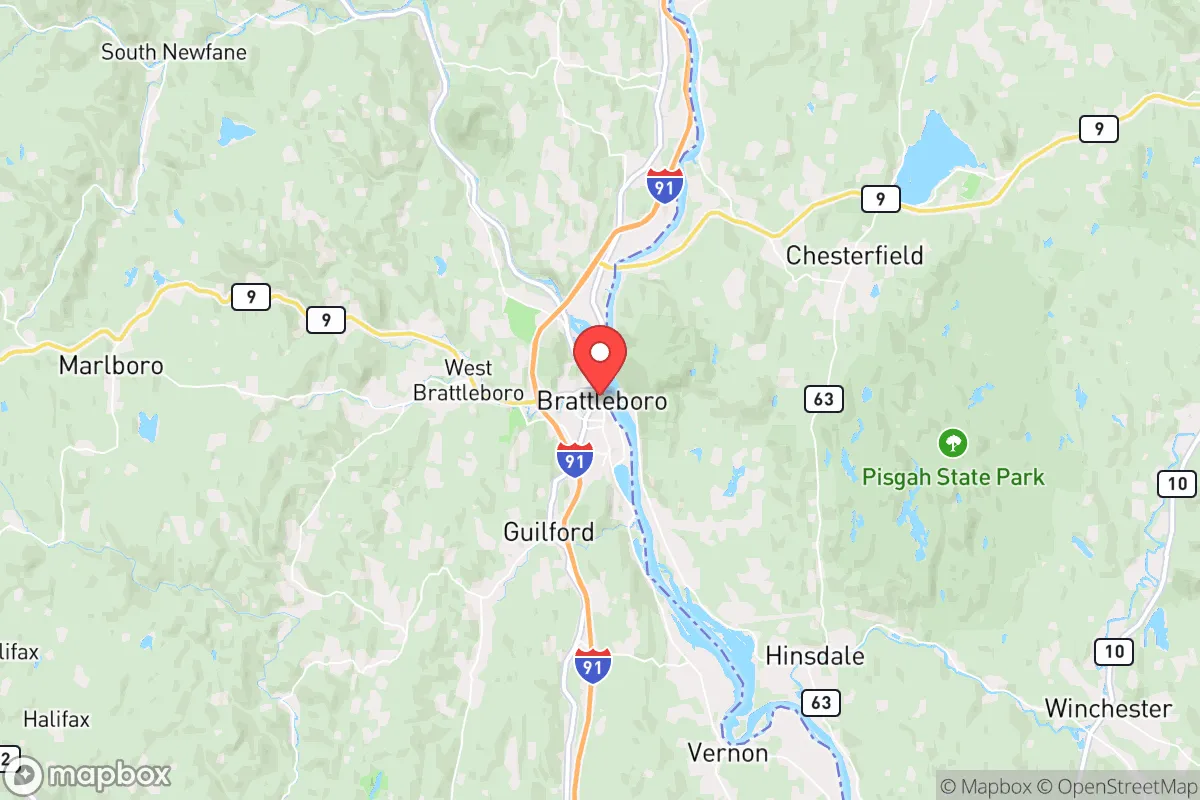
Daily life in Brattleboro revolves around a walkable downtown anchored by the Brattleboro Food Co-op, independent bookstores, and a vibrant arts scene centered on the Brattleboro Museum & Art Center and the Latchis Theatre. The Windham Southeast School District serves the area, with Brattleboro Union High School offering strong special education programs and a notable performing arts curriculum. For families, the Brooks Memorial Library and the Retreat Farm provide year-round programming. The town’s rhythm is unhurried but not isolated: the Amtrak Vermonter stops downtown, connecting residents to New York City and Washington, D.C., while Interstate 91 provides a direct route to Springfield, Massachusetts (about 45 minutes south). Outdoor recreation is woven into daily life, with the West River Trail for biking and hiking, and Mount Wantastiquet for quick hikes after work. Healthcare access is solid, with Brattleboro Memorial Hospital providing emergency and primary care, though specialists often require a drive to Dartmouth-Hitchcock Medical Center in Lebanon, New Hampshire (about 90 minutes north).
Brattleboro is best suited for those who value cultural vibrancy and walkability over suburban convenience, and who can tolerate Vermont’s long winters and limited retail options. Remote workers, retirees, and families with school-age children will find the affordability and community engagement appealing, while those seeking high-end shopping, diverse dining, or a booming job market may feel constrained. The town’s progressive politics and strong nonprofit sector create a supportive environment for creatives and social-justice-oriented residents, but the lack of major employers outside healthcare and education means career advancement often requires commuting or remote work. For anyone prioritizing a lower cost of living within a culturally rich, small-town setting, Brattleboro offers a compelling—if niche—quality of life.

Crime in Brattleboro, VT
Crime rates similar to the national median for U.S. locations.
Violent CrimeViolent Crime Analysis
Property CrimeProperty Crime Analysis
Crime Analysis
Brattleboro, Vermont, presents a significant safety concern for potential residents, with crime rates that far exceed both state and national averages. The town's violent crime rate stands at 653.9 incidents per 100,000 residents, and its property crime rate is 2,565.4 per 100,000, placing it among the most dangerous communities in Vermont. These figures are particularly troubling given the broader context of progressive criminal justice policies in Windham County, which prioritize rehabilitation and offender-focused approaches over public safety and victim accountability.
Crime in context
Brattleboro's violent crime rate is more than double the national average and roughly four times the Vermont state average. The property crime rate is similarly elevated, exceeding the national average by a significant margin. These statistics are not anomalies; they reflect a systemic issue within the local justice system. Windham County's elected State's Attorney and local judges have consistently championed progressive reforms, including bail reform and diversion programs, that result in fewer pretrial detentions and reduced sentences for repeat offenders. For a town of roughly 7,000 residents, these numbers translate into a tangible, daily risk that is far higher than in comparable Vermont towns like Stowe or Middlebury, which benefit from more traditional law-and-order approaches.
What residents experience
Residents report that property crime—particularly theft, vehicle break-ins, and vandalism—is a routine concern, especially in the downtown core and near the transportation center. The high property crime rate of 2,565.4 per 100,000 means that a household's chance of experiencing a theft or burglary each year is well above the national norm. Violent crime, while less frequent than property crime, is still a serious worry. The 653.9 per 100,000 violent crime rate includes aggravated assaults and robberies, often linked to drug-related activity. The local police department is understaffed relative to the caseload, and the progressive district attorney's office is known for declining to prosecute many non-violent offenses, creating a perception among residents that criminal behavior carries few consequences.
Neighborhood-level variation exists but is limited. The downtown area and the Canal Street corridor near the Connecticut River see the highest concentration of incidents, including drug-related disturbances and thefts. The more residential West Brattleboro and outlying rural areas are somewhat safer, but the town's small size means that crime is not easily avoided. For families and retirees seeking a safe, small-town environment, Brattleboro's crime data and the permissive judicial philosophy that underlies it represent a serious red flag that should be weighed heavily against any perceived cultural or scenic benefits.
* Values derived from national, state, county, city and local statistics and may differ in a specific area. Last updated: 2026-10-17T00:31:53.000Z
Narrative content on this page is AI-generated and may contain mistakes. Verify any details that matter before acting on them.
ReloMaps may earn a commission from affiliate links at no extra cost to you.

