 Popular
Photo: Wikipedia
Find The Best Places To Live
in Burlington
PRO TIP! You can paste a Zillow or Redfin link to get info on that property.
Compare Burlington with another place
What It's Like Living in Burlington, VT
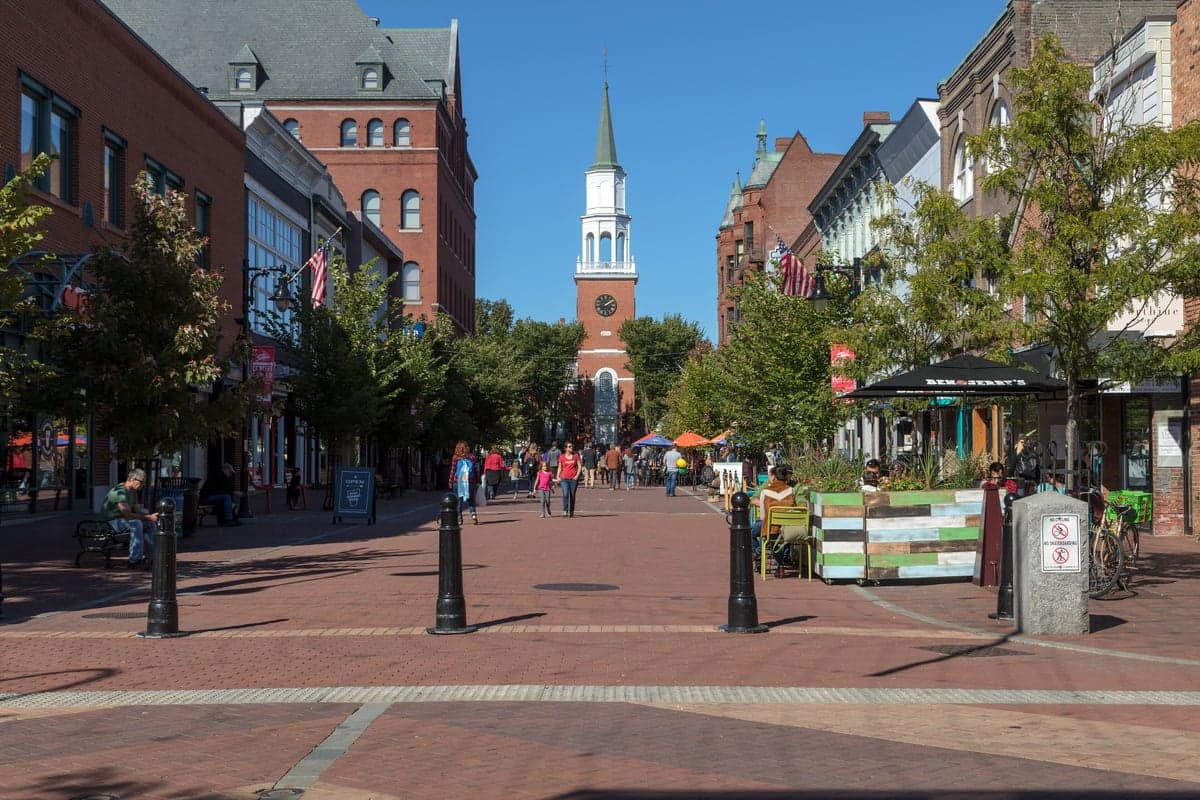
Living in Burlington, Vermont, feels a bit like being a permanent guest at a college-town house party that never quite ends, but also has to shovel its own driveway. The city is young, with a median age of 26.7, and that energy is palpable—from the bike-share bikes tangled in snowbanks to the smell of wood-fired pizza drifting down Church Street. But beneath the granola-and-IPA surface, there’s a real, working city with a housing crisis, a short but fierce winter, and a surprising amount of local pride that can feel both charming and insular.
The Daily Rhythm: Church Street, Commutes, and the Four-Season Grind
Most days in Burlington start with coffee from a spot like Uncommon Coffee or Muddy Waters, then a walk or bike ride to work—the average commute is just over 19 minutes, which is a luxury you’ll quickly take for granted. The city’s spine is Church Street Marketplace, a pedestrian-only stretch of local shops, street performers, and restaurants like Farmhouse Tap & Grill or Hen of the Wood. On weekends, you’ll find families at the Burlington Farmers Market (May through October) or hiking the trails at Red Rocks Park. In winter, the rhythm shifts: people ski at Bolton Valley or Stowe (30 minutes away), ice skate at the Caledonia Spirits & Rinks, or hunker down with a book at Phoenix Books. The weather is real—winters are long, gray, and snowy, but locals lean into it with a kind of stoic pride. Summers are glorious, with Lake Champlain warm enough for swimming and sailing.
Who Fits In: The Burlington Archetype
Burlington attracts a specific kind of person: educated (60.5% have a college degree), relatively young, and comfortable with a slightly bohemian, progressive vibe. The median household income is $68,854, which sounds decent until you realize the cost of living index is 140—well above the national average. That means many residents are either students at University of Vermont (UVM) or Champlain College, or professionals in healthcare (the University of Vermont Medical Center is the largest employer), tech, or the nonprofit sector. Families are here too, but they tend to be in the South End or New North End neighborhoods, where you’ll find more space and a slightly older crowd. If you’re conservative-leaning, Burlington will feel like a cultural outlier—it’s one of the most liberal cities in the Northeast, and that’s reflected in everything from local politics to the bumper stickers on Subarus. The kind of person who thrives here is someone who values community, outdoor access, and a slower pace, and doesn’t mind paying a premium for it.
Sports, Festivals, and the Things That Bring People Together
Sports here are a big deal, but not in the way you might expect. The University of Vermont Catamounts hockey team is the closest thing to a pro franchise—games at the Gutterson Fieldhouse are loud, sold-out events, especially against rival University of New Hampshire. There’s no major pro team, but the Vermont Lake Monsters (a collegiate summer baseball team) draw families to Centennial Field. High school sports are a community anchor, especially soccer and hockey at Burlington High School. Beyond sports, the city’s cultural calendar is packed: the Burlington Discover Jazz Festival in June brings national acts, the Vermont Brewers Festival in July is a beer lover’s dream, and the South End Art Hop in September turns warehouses into galleries. For nightlife, you’ll find live music at Higher Ground (in nearby South Burlington) or Radio Bean, a quirky coffeehouse/venue that feels like the city’s living room.
Pros and Cons: The Honest Trade-Offs
Longtime residents love the access to nature—Lake Champlain, the Green Mountains, and the Island Line Trail are all within minutes. They love the walkability (you can live without a car in the Old North End or downtown) and the strong sense of local identity. But they’ll also tell you about the frustrations: housing is brutally expensive—the median home value is $400,200, and rent for a one-bedroom often tops $1,800. The violent crime rate is 482.5 per 100,000, which is higher than the national average and concentrated in certain areas (the Old North End has more property crime, while the South End is quieter). Traffic is minimal, but parking downtown is a headache. And while the schools—like Burlington High School and Edmunds Elementary—are well-regarded, the district has faced budget challenges and enrollment shifts. The biggest con for many is the winter: it’s dark by 4:30 PM from November to February, and seasonal affective disorder is a real topic of conversation. But if you can handle the cold and the cost, Burlington offers a quality of life that’s hard to replicate—a small city with a big personality, where you’ll know your neighbors and your bartender by name.

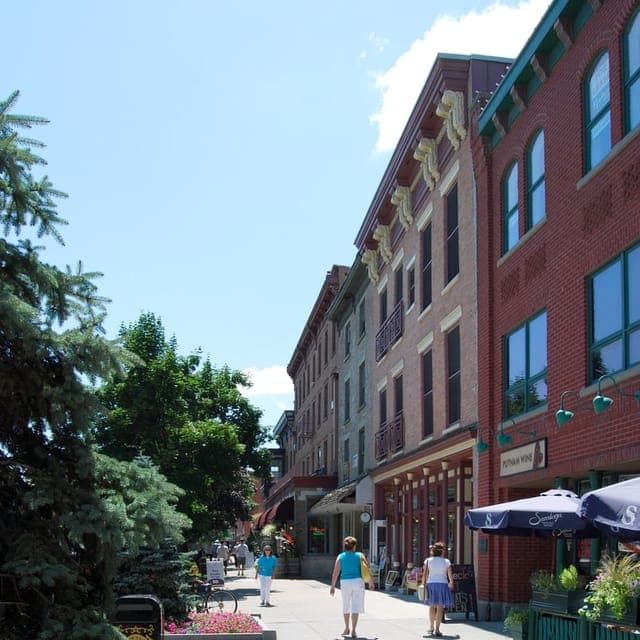
Similar towns to Burlington
* Values derived from national, state, county, city and local statistics and may differ in a specific area. Last updated: 2026-06-13T22:02:58.000Z
Narrative content on this page is AI-generated and may contain mistakes. Verify any details that matter before acting on them.
ReloMaps may earn a commission from affiliate links at no extra cost to you.

