Photo: Wikipedia
Find The Best Places To Live in Chittenden County
PRO TIP! You can paste a Zillow or Redfin link to get info on that property.
Best Places to Live in Chittenden County
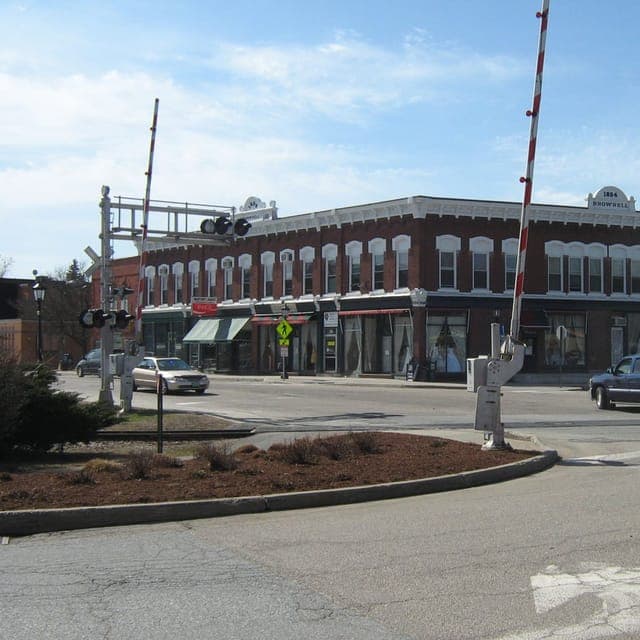
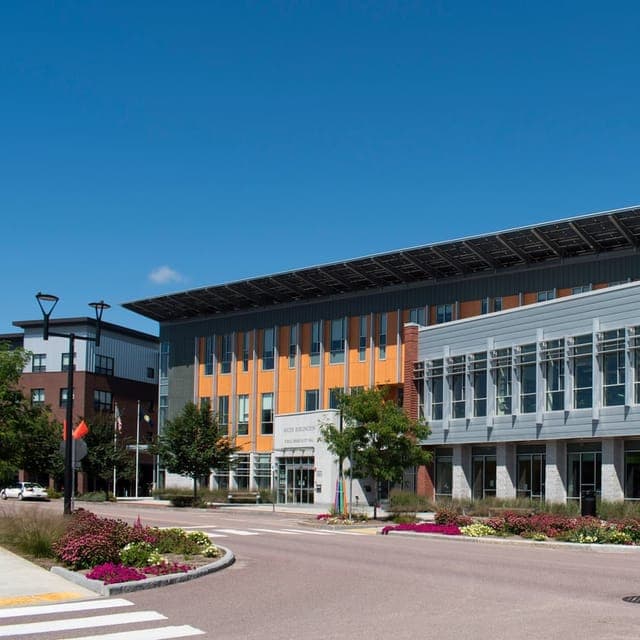
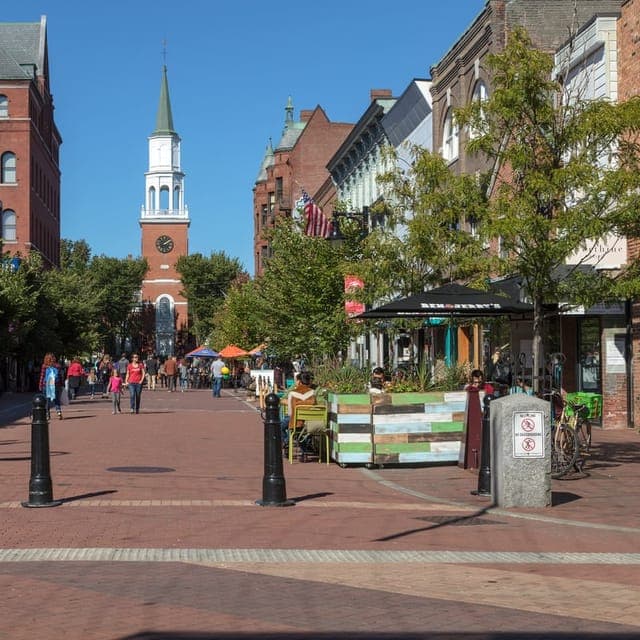

Cities & Towns in Chittenden County
Cities in Chittenden County
What It's Like Living in Chittenden County, VT
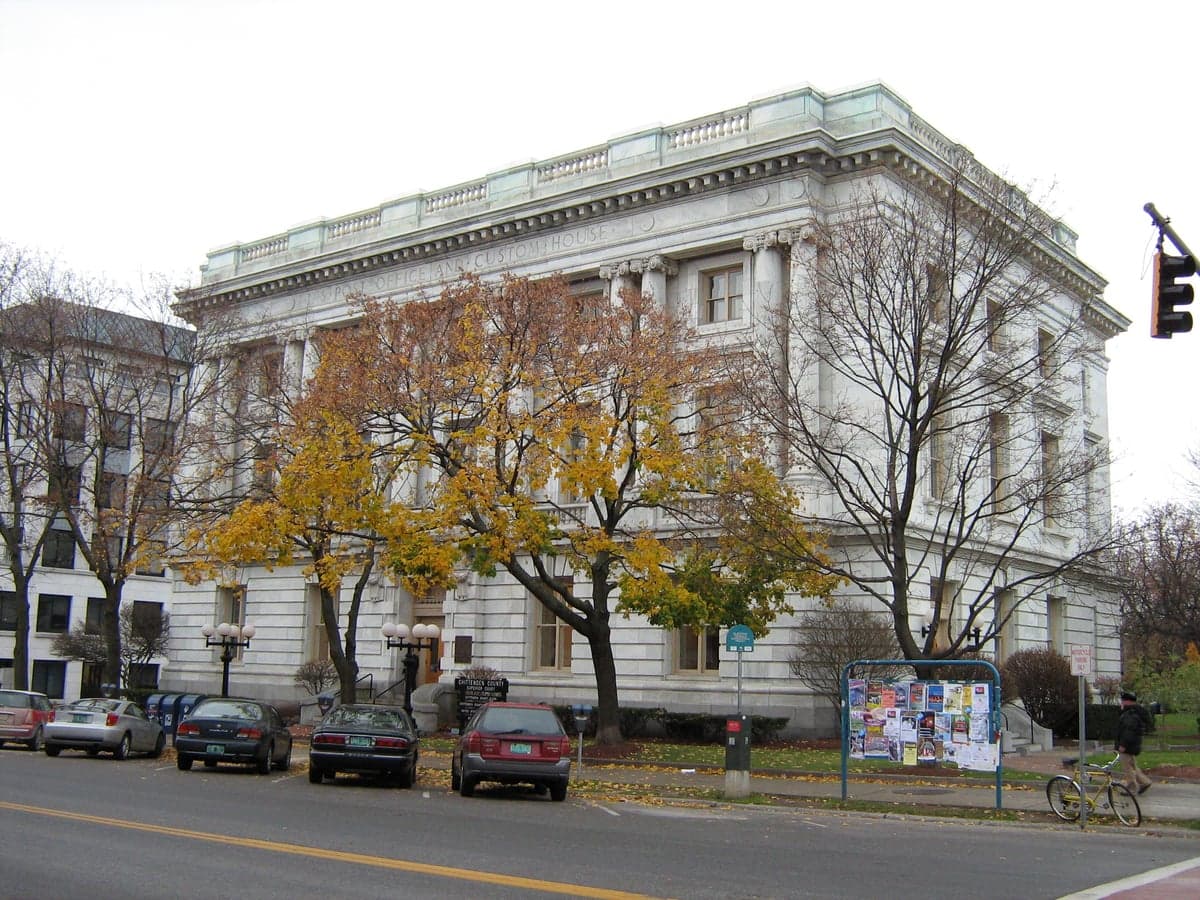
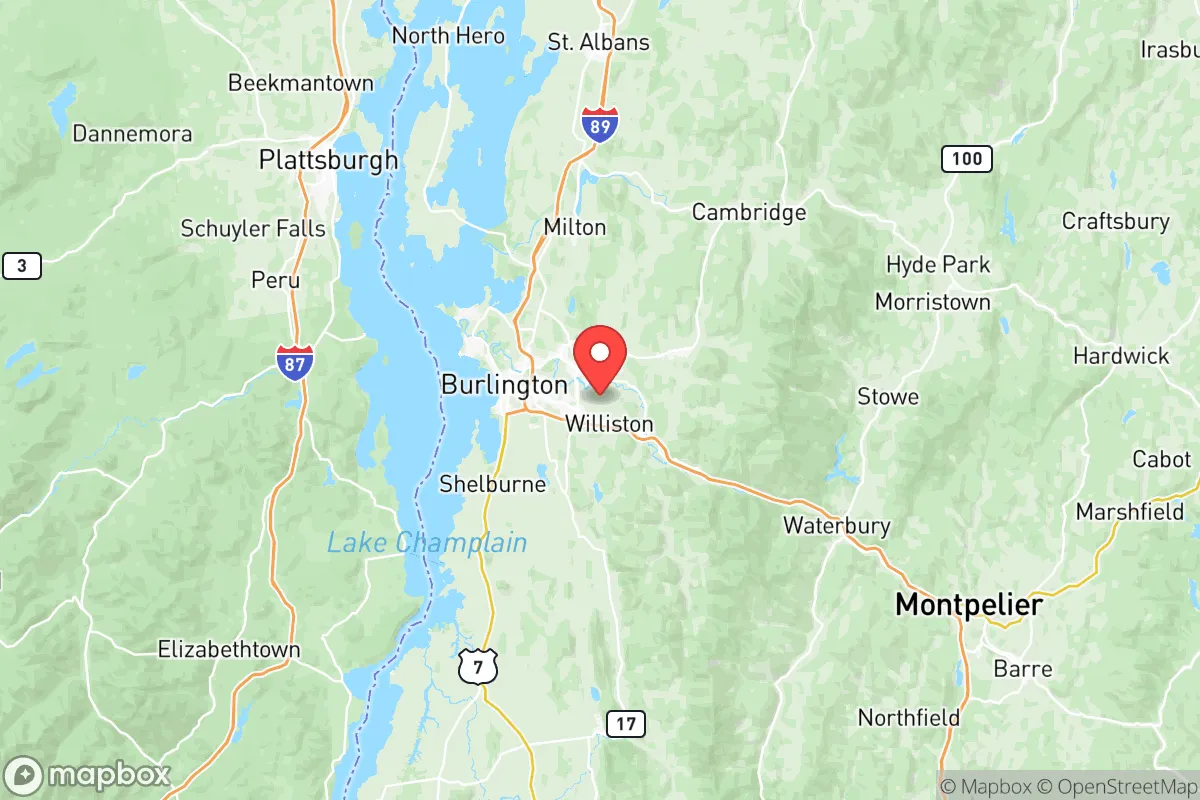
Chittenden County is the gravitational center of Vermont, where the state’s only real city, Burlington, meets a ring of suburbs, college towns, and working-class villages. It’s the part of Vermont that feels most like the rest of New England—busy, expensive, and politically mixed—while still being small enough that you’ll run into someone you know at the grocery store. For a conservative-leaning audience, the county offers a more pragmatic, less crunchy version of Vermont life, with real jobs, decent schools, and a surprising amount of space if you know where to look.
Daily Rhythm: From Burlington’s Bustle to Rural Quiet
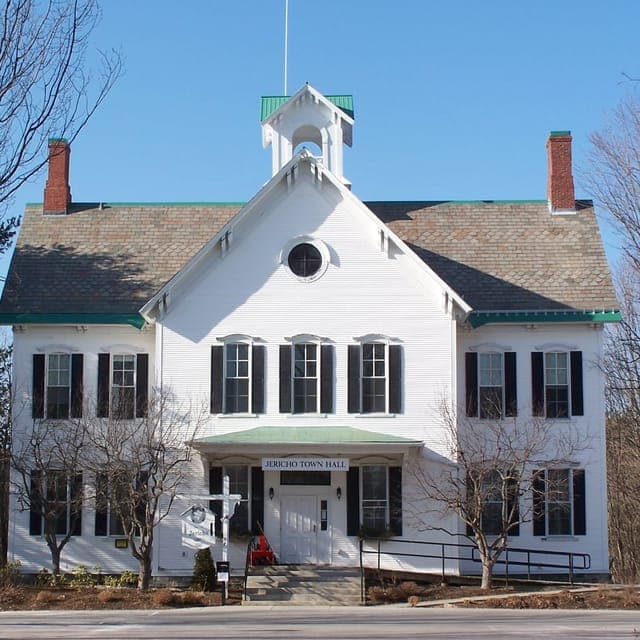
Daily life in Chittenden County depends heavily on which town you pick. In Burlington, the vibe is urban-lite: people walk to Church Street Marketplace for coffee at Uncommon Grounds, bike along the Lake Champlain waterfront, and deal with the occasional parking nightmare. In South Burlington and Williston, life revolves around strip malls, big-box stores like Costco and Target, and the Maple Tree Place shopping center—practical, car-dependent, and family-oriented. Head east to Richmond or Jericho, and you’re in classic Vermont small-town territory: general stores, covered bridges, and dirt roads where neighbors wave. The average commute is just 22 minutes, which is shockingly low for a metro area of 168,831 people. That’s because most jobs—at the University of Vermont Medical Center, GlobalFoundries in Essex Junction, or Ben & Jerry’s headquarters—are within a 15-minute drive of each other.
Weekends are split between outdoor recreation and errands. In summer, families head to Oakledge Park in Burlington or the Winooski River for kayaking. In winter, Cochran’s Ski Area in Richmond offers cheap, no-frills skiing for kids. The Burlington Farmers Market (May–October) is a Saturday-morning ritual, but it’s also where you’ll see the county’s affluence on display: $8 loaves of bread and $12 jars of honey. For a more down-to-earth scene, the Essex Junction Farmers Market is smaller and cheaper.
Sports, Community, and the Local Identity
Sports here are a big deal, but not in the Texas or Ohio sense. There’s no Friday-night football mania. Instead, the University of Vermont Catamounts (hockey) are the closest thing to a pro team—games at the Gutterson Fieldhouse sell out regularly, and the atmosphere is loud, drunk, and family-friendly. High school sports are more low-key: Essex High School and Burlington High School have competitive soccer and basketball programs, but the stands are rarely packed. The real community glue is the Champlain Valley Fair in Essex Junction every August—a week of fried dough, tractor pulls, and carnival rides that draws everyone from farmers to tech workers. Another local quirk: Vermont City Marathon in Burlington, which shuts down the city for a day and turns into a giant block party.
The kind of person who fits in here is someone who values practicality over pretense. You’ll find plenty of software engineers from GlobalFoundries living next to loggers and dairy farmers. The median income is $94,310, which is high for Vermont but doesn’t go far given the cost of living index of 139 (39% above the national average). The median home value is $404,500—steep for a state with modest salaries, but still cheaper than Boston or Portland. Families are drawn to Shelburne for its top-rated schools and Shelburne Farms (a working farm and education center), while singles and empty-nesters prefer Burlington’s Old North End for its walkability and historic homes.
What’s There to Do: Festivals, Food, and the Outdoors
Entertainment is a mix of college-town energy and rural tradition. The Higher Ground music venue in South Burlington pulls national acts (think indie rock, jam bands, and country). The Flynn Theatre in Burlington hosts Broadway tours and classical concerts. For a quieter night, locals hit Zero Gravity Brewery in Burlington or Fiddlehead Brewing Company in Shelburne—both are packed with families and dogs on patios. The Burlington Discover Jazz Festival in June is the county’s biggest cultural event, drawing free crowds to the waterfront. For outdoors, the Burlington Bike Path runs 8 miles along the lake, and the Mount Philo State Park in Charlotte offers a short hike with panoramic views of the Adirondacks.
One cultural quirk: Vermonters are fiercely independent, and that shows in Chittenden County. You’ll see “Keep Vermont Weird” bumper stickers next to “Don’t Tread on Me” flags. The county is politically mixed—Burlington is solidly blue, but towns like Hinesburg and Milton lean red. The Vermont National Guard base in Colchester is a major employer, and the county has a strong veteran community. Gun ownership is common, even in the suburbs, and the Chittenden County Fish & Game Club in Williston is a popular spot for target shooting.
Pros and Cons of Living Here
- Pros: Short commutes, excellent schools (especially in Shelburne, Essex, and South Burlington), and year-round outdoor access. The Lake Champlain shoreline is a genuine asset—swimming, sailing, and ice fishing are all within 20 minutes of downtown. The University of Vermont brings cultural events and a young workforce. Property crime is moderate (218.1 per 100K for violent crime, which is below the national average), and most neighborhoods feel safe.
- Cons: The cost of living is brutal. Renting a two-bedroom apartment in Burlington costs $1,800–$2,200/month. Winters are long and gray—November through March, with lake-effect snow dumping 80+ inches in some years. The job market is narrow: if you’re not in healthcare, tech, or education, you’ll struggle. Traffic is a joke by big-city standards, but the Winooski “Circle” (a notorious rotary) causes daily backups. And the Vermont weather means mud season (April) turns dirt roads into impassable ruts.
Longtime residents love the sense of scale—everything is close, but not cramped. What frustrates them is the NIMBYism: new housing developments are fought tooth-and-nail, which keeps prices high and young families priced out. The median age is 37, but that’s skewed by the college population; the real demographic is older, whiter, and wealthier than the rest of the country. If you’re looking for a place where you can have a good job, a short commute, and a lake view without the chaos of a big city, Chittenden County delivers. Just bring a winter coat and a thick wallet.

* Values derived from national, state, county, city and local statistics and may differ in a specific area. Last updated: 2026-07-18T17:10:11.000Z
Narrative content on this page is AI-generated and may contain mistakes. Verify any details that matter before acting on them.
ReloMaps may earn a commission from affiliate links at no extra cost to you.

