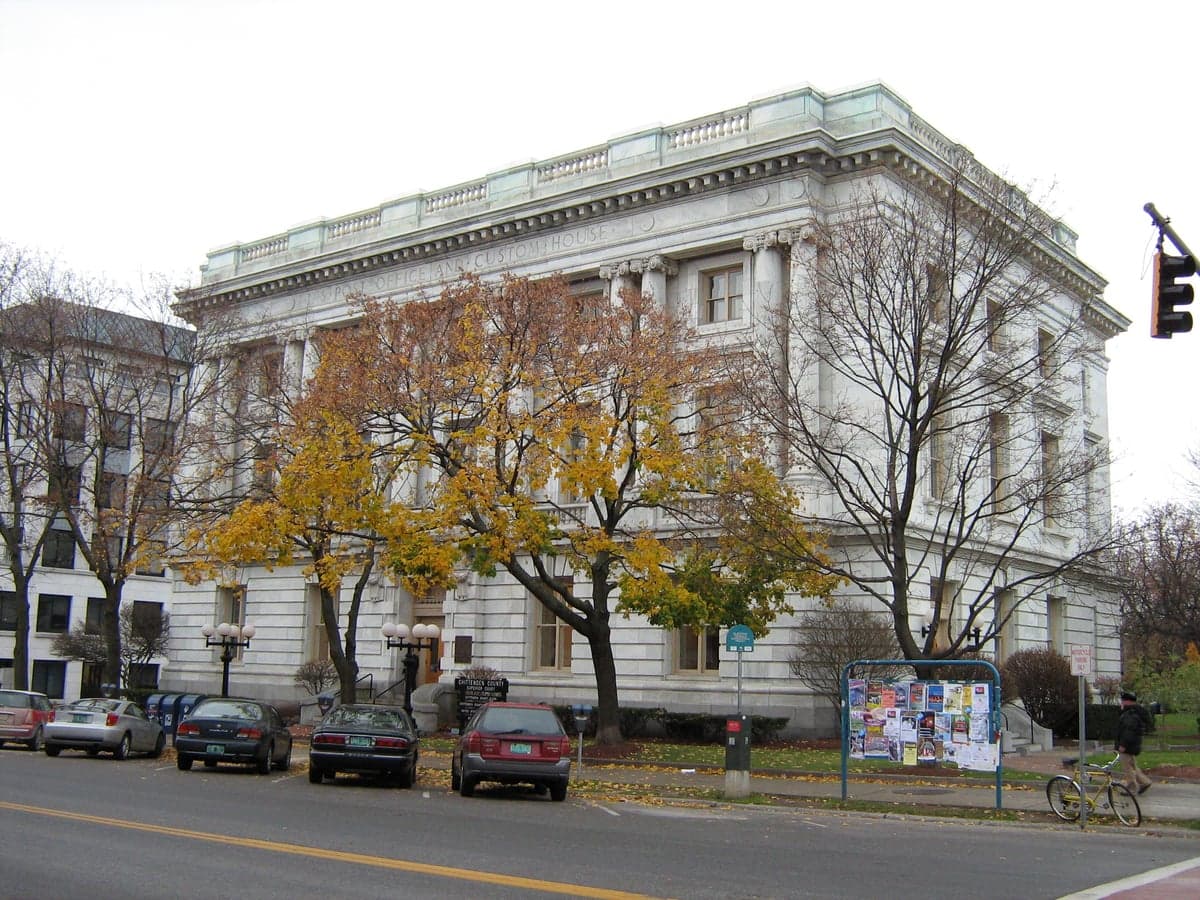
Photo: Wikipedia
Quality of Life in Chittenden County
A livable area that tracks near national norms for affordability, walkability, and neighborhood health.
What does Quality of Life tell us?
Quality of Life measures an area by evaluating factors like cost of living, nearby amenities, country club access, airport proximity, socioeconomic signals and neighborhood character. For large states, this is a general average — quality of life can vary dramatically between metro areas, suburbs, and rural communities within the same state.
What does this tell us?
Quality of Life measures an area by evaluating factors like cost of living, nearby amenities, country club access, airport proximity, socioeconomic signals and neighborhood character. For large states, this is a general average — quality of life can vary dramatically between metro areas, suburbs, and rural communities within the same state.
Cost of Living
39% above national average
82%
The Real Cost of Living in Chittenden County for 2026
| Tier | Individual | Family (4) |
|---|---|---|
| Survival | $25k | $48k |
| Comfortable | $79k | $116k |
| Luxury | $159k+ | $246k+ |
| Elite (Top 5%) | $187k+ | $290k+ |
Quality-of-Life Analysis
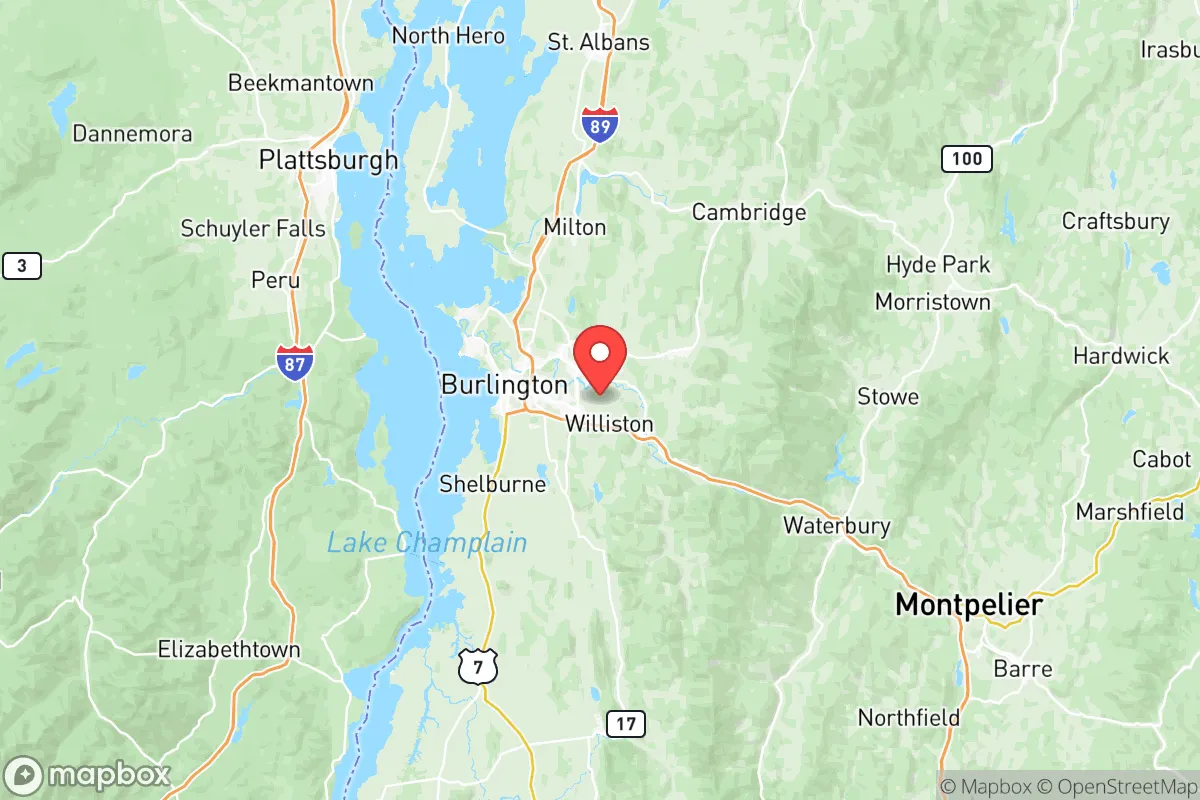
Chittenden County offers a spectrum of quality-of-life options that range from the dense, walkable urban core of Burlington to quiet, unincorporated rural hamlets, attracting everyone from university students and tech workers to long-time farming families. The county’s character is defined by this contrast: you can live in a downtown apartment with a view of Lake Champlain or on a multi-acre homestead in the foothills of the Green Mountains, all within a 30-minute commute. With a cost of living index of 139 (100 being the U.S. average), the county is notably more expensive than the rest of Vermont, but the trade-off is access to the state’s highest concentration of jobs, healthcare, and cultural amenities.
Largest town(s) & population centers
The county’s primary population anchor is Burlington, Vermont’s largest city with roughly 45,000 residents. Daily life here is defined by a walkable downtown centered around Church Street Marketplace, a robust public transit system (Green Mountain Transit), and a strong presence of the University of Vermont and Champlain College. The city offers a dense, urban feel rare in Vermont, with a median rent of $1,590 reflecting the premium for lakefront living and immediate access to restaurants, breweries, and the Burlington International Airport. Just south, South Burlington and Williston function as the county’s commercial and retail hubs, with big-box shopping, office parks, and newer subdivisions. These towns are more car-dependent than Burlington but offer larger single-family homes and shorter commutes to major employers like the University of Vermont Medical Center and GlobalFoundries in neighboring Essex Junction. Essex Junction itself is a distinct village within the town of Essex, known for its historic downtown, strong school system, and the presence of GlobalFoundries, a major semiconductor manufacturer that anchors the local economy. The average commute across the county is a manageable 21.7 minutes, making it feasible to live in a quieter suburb and work in Burlington.
Smaller towns & rural pockets
Moving away from the urban core, towns like Jericho, Underhill, and Richmond offer a distinctly rural character while still being within a 20-minute drive of Burlington. Jericho and Underhill sit at the base of Mount Mansfield, Vermont’s highest peak, and are popular with families who want acreage, trail access, and a strong sense of community centered around the Jericho Center Green and the Underhill Town Hall. Hinesburg is a growing but still rural town with a working agricultural landscape, a popular farmers market, and access to the Burlington Bike Path. Further north, Milton offers a more affordable entry point into the county, with a mix of farmland, the Arrowhead Mountain Lake recreation area, and a growing residential base. The unincorporated areas of Jonesville and Bolton are tiny, forested communities along the Winooski River, where homes are often set far back from winding roads and residents prioritize solitude and outdoor recreation over proximity to services.
Cost & lifestyle range
The cost of living varies dramatically across the county. At the high end, Burlington’s Old North End and Hill Section command premium prices for historic homes and lake views, with median home values near $404,500 and many properties exceeding $600,000. Shelburne, just south of Burlington, is the county’s most affluent town, with large estates, the Shelburne Museum, and a median home value well above the county average. At the more affordable end, Milton and Winooski offer lower entry points. Winooski, a small, densely populated city just north of Burlington, has seen significant reinvestment in its downtown and offers a mix of older multi-family homes and new apartments, often at rents below the county median. Rural areas like Underhill and Hinesburg offer lower property taxes relative to the urban core, but the trade-off is longer drives to grocery stores and fewer rental options. The lifestyle range is equally broad: Burlington residents can walk to work and cultural events, while those in Jericho or Richmond typically need a car for every errand but gain immediate access to hiking, skiing, and mountain biking on the Catamount Trail and the Long Trail.
The people who thrive in Chittenden County are those who value the convenience of a small city with a strong job market and are willing to pay a premium for it, or those who want a rural lifestyle within striking distance of urban amenities. It suits professionals commuting to the University of Vermont Medical Center or GlobalFoundries, families who prioritize the county’s top-ranked public schools (particularly in Essex, Shelburne, and Jericho), and outdoor enthusiasts who want to be on the slopes of Stowe or the shores of Lake Champlain in under 30 minutes. The county’s diversity of settings—from the urban energy of Burlington to the quiet farm roads of Hinesburg—means that most people can find a niche, provided they can navigate the high housing costs and limited inventory that define the market.

Crime in Chittenden County
Generally safer than 71% of comparable U.S. locations.
Violent CrimeViolent Crime Analysis
Property CrimeProperty Crime Analysis
Crime Analysis
Chittenden County, home to Burlington and Vermont’s largest population center, presents a mixed safety picture that is statistically safer than many urban counties nationwide but faces rising property crime and a progressive justice system that critics argue prioritizes offender rehabilitation over public protection. The county’s violent crime rate of 218.1 per 100,000 residents is below the national average of roughly 380 per 100,000, yet its property crime rate of 1,440.4 per 100,000 exceeds the national average of approximately 1,954 per 100,000, indicating a significant property crime challenge. Residents in towns like South Burlington, Williston, and Essex generally report lower crime rates than those in Burlington’s downtown core, while Winooski and Burlington’s Old North End see higher concentrations of theft, vehicle break-ins, and drug-related incidents.
Crime in context
Chittenden County’s violent crime rate is roughly 43% lower than the national average, but its property crime rate is about 26% lower than the national figure, placing it in a moderate tier among U.S. counties. Compared to Vermont’s statewide violent crime rate of 173 per 100,000, Chittenden County is slightly higher, driven largely by Burlington’s urban density. Property crime in the county is notably higher than the state average of 1,150 per 100,000, with larceny-theft accounting for over 70% of all property crimes. The county’s progressive District Attorney, Sarah George (Chittenden County State’s Attorney), has drawn criticism for policies that include declining to prosecute certain low-level drug possession and theft cases, a stance that aligns with Vermont’s broader restorative justice approach. Critics argue this creates a permissive environment that emboldens repeat offenders, particularly in Burlington’s downtown and along the Church Street Marketplace, where shoplifting and public drug use have become visible concerns. In contrast, towns like Shelburne and Jericho benefit from lower population density and more conservative local policing, resulting in property crime rates roughly half of Burlington’s.
What residents experience
Daily life in Chittenden County varies sharply by location. In Burlington, residents frequently report car break-ins, porch package thefts, and occasional confrontations with individuals experiencing homelessness or substance abuse disorders, particularly near the Burlington International Airport corridor and the University of Vermont campus. The Burlington Police Department has struggled with staffing shortages, leading to slower response times for non-emergency property crimes. In suburban towns like Essex Junction and Colchester, residents experience far fewer incidents, with violent crime nearly nonexistent and property crime limited to occasional unlocked-car thefts. The county’s Chittenden County Sheriff’s Department handles rural areas and provides court security, but its resources are stretched thin. A notable concern is the rise in catalytic converter thefts across the county, with hotspots in Winooski and Burlington’s South End, where thieves target parked vehicles overnight. Residents in these areas often invest in security cameras and neighborhood watch programs, which have shown some success in deterring crime.
Neighborhood-level variation is pronounced. Burlington’s Hill Section and Five Sisters neighborhoods are among the safest in the city, with violent crime rates below 100 per 100,000, while the Old North End and Riverside areas see rates exceeding 300 per 100,000. In South Burlington, the Dorset Street corridor near the mall experiences higher property crime, while residential areas east of I-89 remain quiet. Williston’s commercial zones along Williston Road see frequent shoplifting, but its residential subdivisions report minimal crime. For those considering relocation, Essex and Shelburne consistently rank as the safest towns in the county, with combined violent and property crime rates roughly 60% lower than Burlington’s. The county’s progressive judicial philosophy, while well-intentioned, has created a two-tier safety experience: urban residents face higher risks and slower justice, while suburban and rural residents enjoy relative peace, a disparity that potential movers should weigh carefully.
* Values derived from national, state, county, city and local statistics and may differ in a specific area. Last updated: 2026-07-18T17:10:11.000Z
Narrative content on this page is AI-generated and may contain mistakes. Verify any details that matter before acting on them.
ReloMaps may earn a commission from affiliate links at no extra cost to you.

