 Popular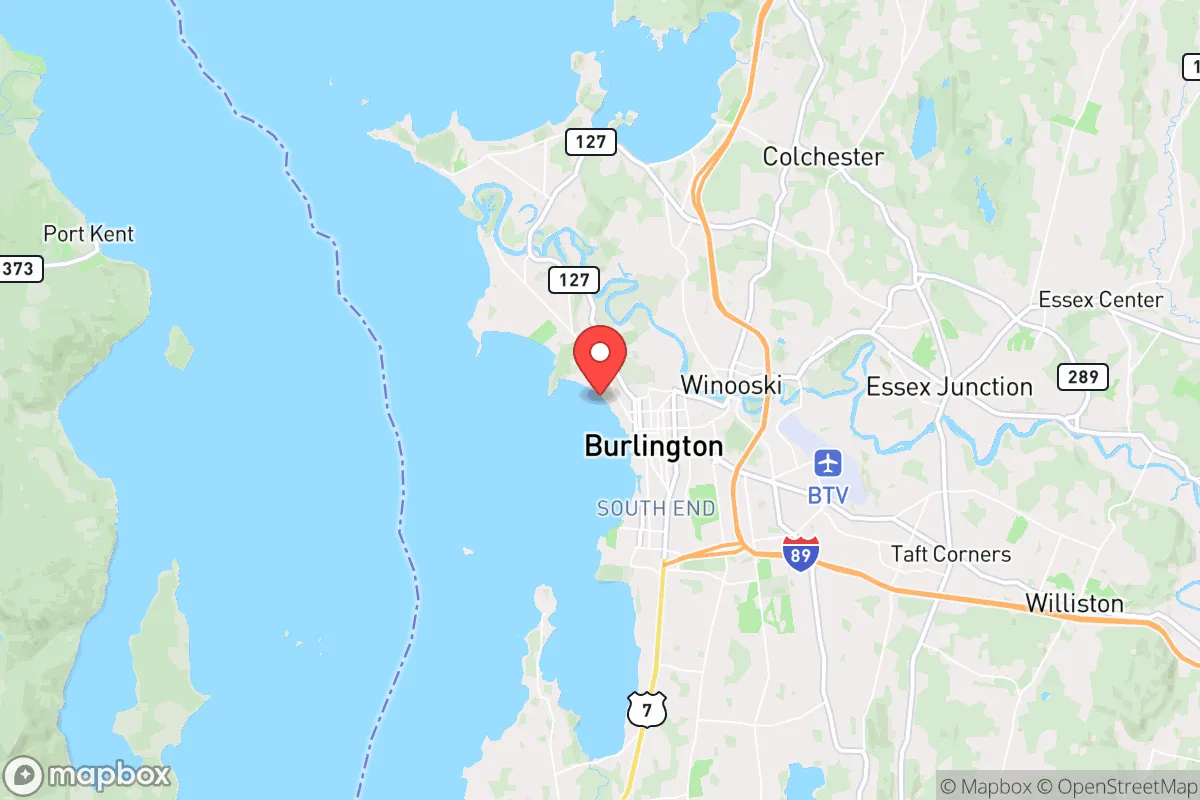
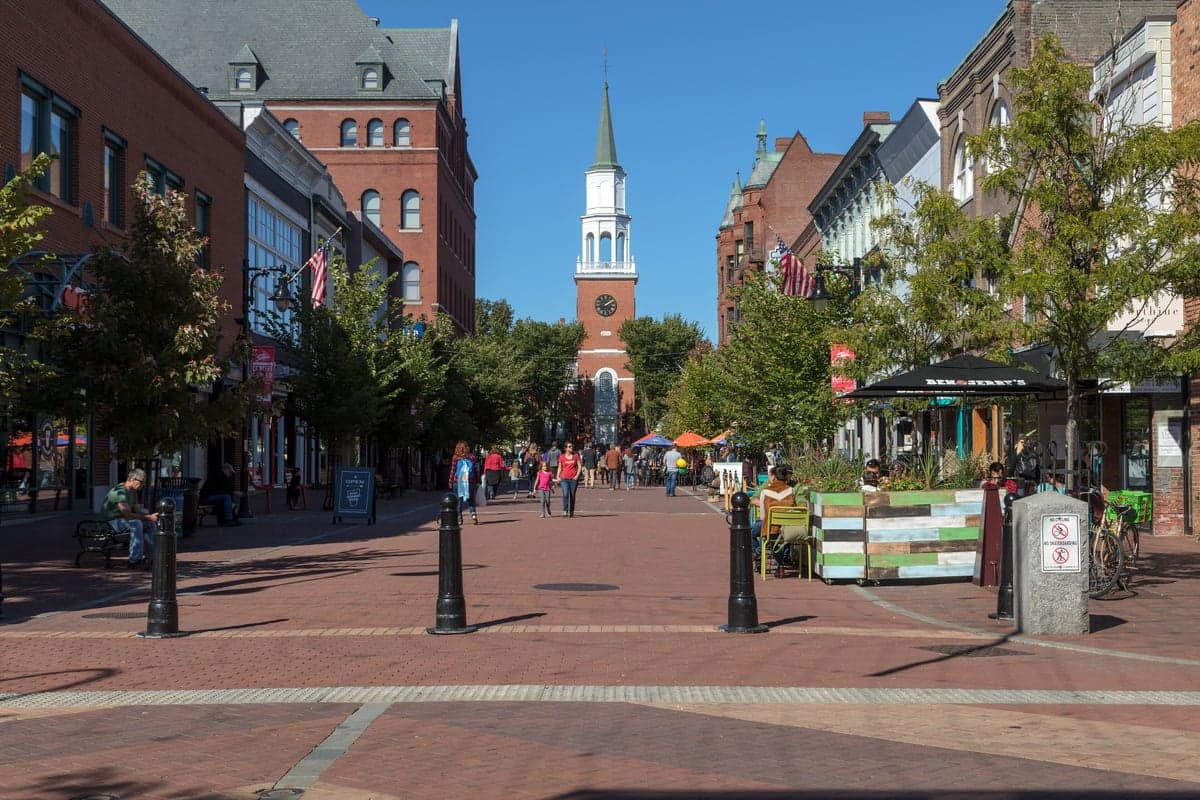
Photo: Wikipedia
Strategic Assessment of Burlington, VT
Multiple tactical vulnerabilities. Population density, target proximity, or disaster risk are likely compounding. A retreat property and exit planning is required.
What does the Strategic Assessment tell us?
Our Strategic Assessment grades tactical survivability of an area. Major population centers, military targets, fallout zones, natural disasters, and border exposure all drive risk — lower exposure means a more defensible position in a crisis.
This is heavily inspired by Joel Skousen's Strategic Relocation book. Highly recommended you checkout the book ($)What does this tell us?
Our Strategic Assessment grades tactical survivability of an area. Major population centers, military targets, fallout zones, natural disasters, and border exposure all drive risk — lower exposure means a more defensible position in a crisis.
This is heavily inspired by Joel Skousen's Strategic Relocation book. Highly recommended you checkout the book ($)Strategic Pillars

Key Distances
Regional Safe Places
Below is our recommended "safe zones" in Vermont and the surrounding area based on our strategic heuristics. For most people, it's unrealistic to live in a “safe zone” full-time due to work, family or other personal reasons. They tend to be more rural. However, many of these areas are perfect for second homes and retreat properties that double as a vacation home or even a short-term rental.
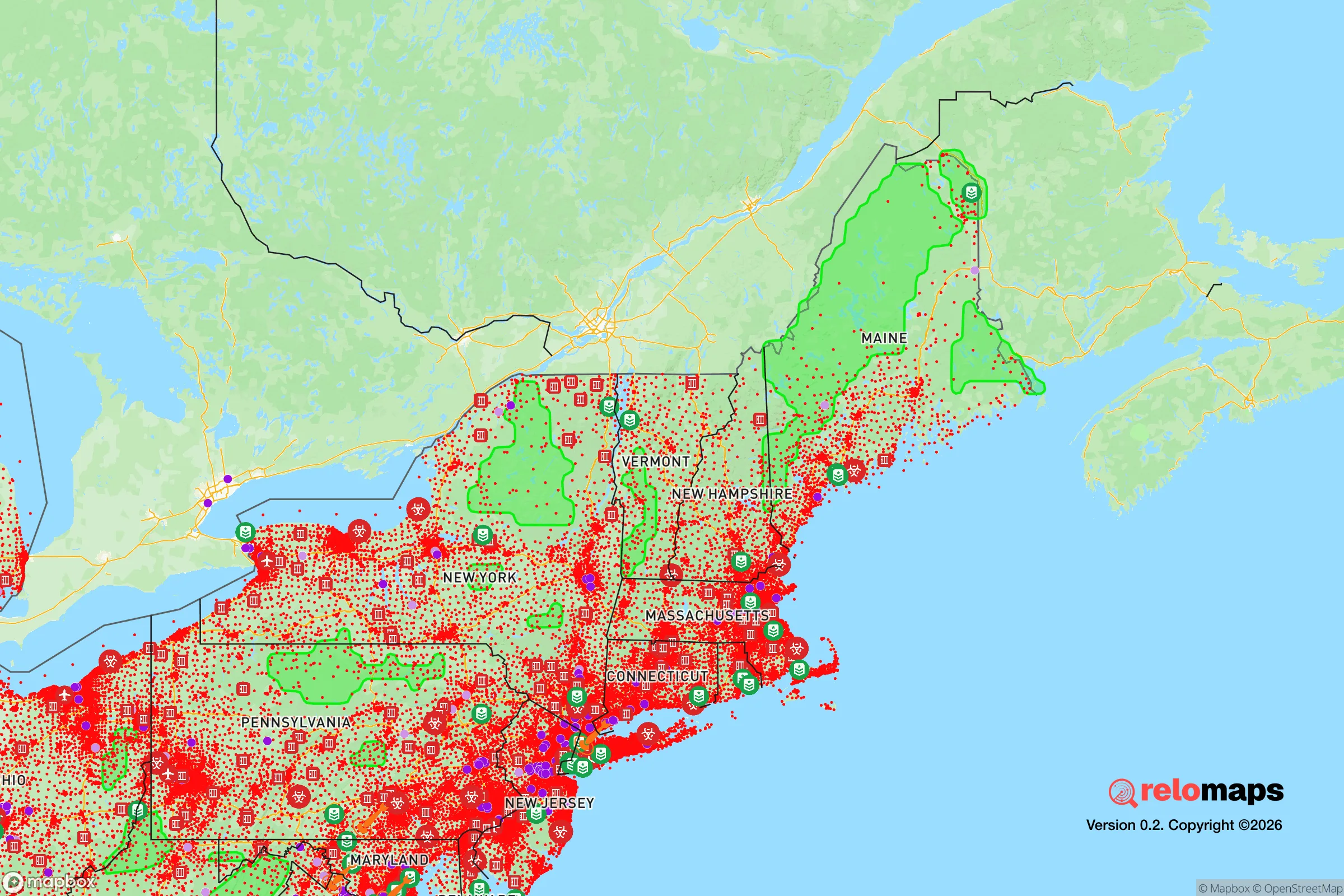
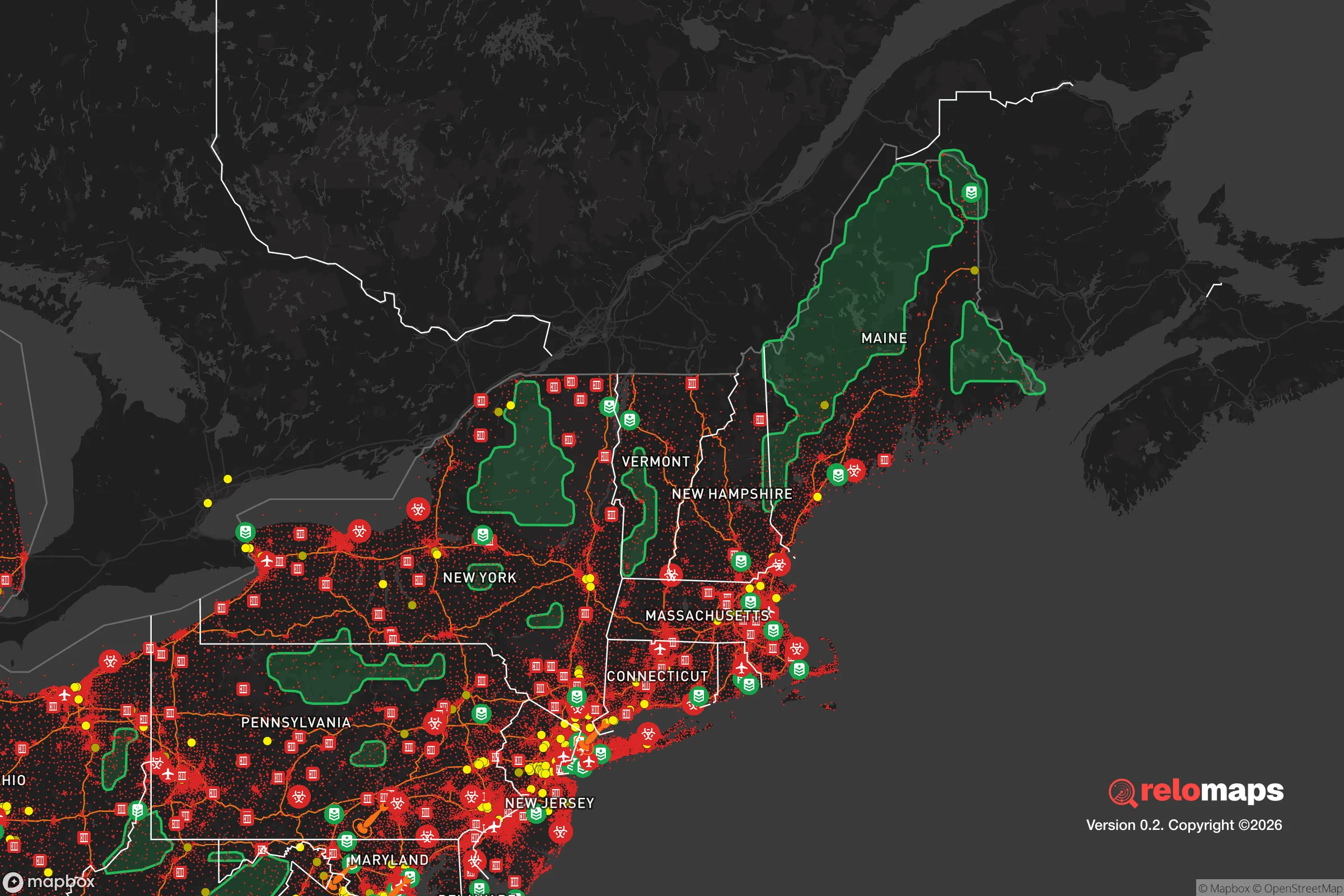


Important Note: For informational purposes only. This does not mean nothing bad ever happens in the green zones. Please use common sense. This is based on public data and modeled with AI. We tried to take a conservative approach but mistakes happen. We update this regularly as new information becomes available.
Solar Generator Recommendations
Backup power matters more here than in safer locations. We've picked three solar generators across budgets and capacity tiers — start with the budget unit if you only need a few essentials, or step up if you want to run a fridge and HVAC for days at a time.

Jackery Portable Power Station Explorer 300
Budget OptionPower on the Go: Weighing only 11 lbs, it's convenient to set up and store with book-sized foldable solar panels

BLUETTI Portable Power Station AC180
Designed for both indoor and outdoor scenarios, AC180 is highly capable as it has a robost capacity and continuous output power.

EF ECOFLOW DELTA Pro Ultra Power Station
Upgraded PickEcoFlow DELTA Pro Ultra is a whole-home energy system designed to grow with your family. Integrated with the Smart Home Panel 2, it scales to meet your evolving energy needs — keeping your home powered, intelligent, and secure through every stage of life.
We earn a commission, at no additional cost to you.
Strategic Assessment Analysis
Burlington, Vermont, presents a mixed strategic picture for the relocation-minded reader focused on resilience and self-sufficiency. While its position in the Champlain Valley offers genuine geographic buffers and resource advantages, its proximity to a major population center and specific infrastructure vulnerabilities require careful consideration. For the conservative-leaning individual or family weighing disaster readiness, Burlington is not a remote bunker, but a small city with a strong regional food system and defensible terrain that must be weighed against its exposure to both natural and man-made risks.
Geographic position and natural advantages for long-term security
Burlington sits on the eastern shore of Lake Champlain, roughly 45 miles south of the Canadian border and 90 miles southeast of Montreal. This location provides a significant strategic advantage: the city is shielded from the densest population corridors of the Northeast by the Green Mountains to the east and the Adirondacks to the west. The lake itself is a massive freshwater resource—over 120 miles long and up to 400 feet deep in places—offering a virtually inexhaustible water supply for drinking, irrigation, and sanitation, provided one has the means to treat or pump it. The surrounding Champlain Valley is also one of the most productive agricultural regions in New England, with rich soils and a growing season long enough for staple crops like corn, beans, squash, and apples. The region’s relatively low population density outside the immediate Burlington metro area (Chittenden County has about 170,000 people) means less competition for land and resources in a crisis scenario. The terrain itself is hilly but not mountainous, offering good drainage and defensible high ground without the extreme isolation or winter access problems of deeper Vermont. For a relocator, the combination of abundant surface water, fertile valley soils, and a moderate climate (though with harsh winters) makes this one of the more naturally endowed locations in the Northeast for long-term self-sufficiency.
Risks, exposures, and proximity to fallout-relevant landmarks
The most significant risk for Burlington is its proximity to Montreal, a major international city of over 4 million people. In a scenario involving a nuclear detonation, large-scale industrial accident, or pandemic, the city’s location just 90 miles from a major metropolitan area means it would be in the path of fallout, refugees, or supply chain disruptions. Burlington International Airport and the Burlington rail yard are also potential secondary targets for any adversary seeking to disrupt regional logistics. Additionally, the city sits near the Vermont Yankee nuclear power plant (decommissioned but still storing spent fuel) about 70 miles south, and the Seabrook Station plant in New Hampshire is roughly 130 miles southeast. While these are not immediate blast dangers, they represent long-term contamination risks in a catastrophic failure scenario. Natural hazards include severe winter storms that can knock out power for days or weeks—the 1998 ice storm famously left much of the region without electricity for up to two weeks. Flooding is a real concern along the lake shoreline and the Winooski River, which runs through the city; the 2011 Tropical Storm Irene caused major flooding in the Winooski Valley, though Burlington itself was less affected than inland towns. The city also sits in a seismically quiet zone, so earthquakes are not a primary concern. For the strategic-minded relocator, the key takeaway is that Burlington is not a fallout-free zone—its proximity to Montreal and regional infrastructure makes it a secondary risk area, not a primary safe haven.
Practical resilience for a relocator: food, water, energy, and defensibility
On the practical side, Burlington offers several genuine advantages for a prepared individual or family. The local food system is robust: the Intervale Center, just north of downtown, is a 350-acre nonprofit farm incubator that produces vegetables, fruits, and grains, and the city is surrounded by dozens of small farms, CSAs, and farmers’ markets. The Lake Champlain Basin provides ample fishing (lake trout, salmon, perch) and hunting opportunities (deer, turkey, small game) in the surrounding woodlands. Water access is excellent—the lake is the primary source, but there are also numerous streams, ponds, and groundwater wells in the region. The city’s municipal water system draws from the lake and is treated, but a relocator should plan for a backup filtration system (e.g., Berkey or Sawyer) and a hand pump for well water if living outside city limits. Energy resilience is a mixed bag: Vermont has high electricity rates and an aging grid, but the state has aggressively pursued renewable energy, with over 60% of in-state generation coming from hydro, wind, and solar. Many rural homes already have wood stoves or pellet boilers for heating, which is critical given the long winters. For defensibility, Burlington itself is a compact city of about 45,000 people, with a walkable downtown and a strong sense of community. However, it is not easily defensible in a collapse scenario—it has multiple road and bridge access points, and the lake provides a waterborne approach. The surrounding towns (South Burlington, Williston, Essex) are suburban sprawl. For a relocator seeking true defensibility, the better play is to buy land in the nearby hill towns (e.g., Huntington, Richmond, or Hinesburg) within a 20-30 minute drive of Burlington’s resources but with a single road access and good sightlines. Property taxes in Vermont are high—among the highest in the nation—averaging about 1.8% of assessed value, so budget accordingly. The state also has strict gun laws (Act 69, passed in 2023, bans magazines over 10 rounds and requires background checks for all sales), which is a significant consideration for the self-defense-minded relocator.
Overall, Burlington offers a solid but not exceptional strategic picture for the disaster-ready relocator. Its natural advantages—abundant fresh water, productive farmland, and a moderate climate—are genuine assets, and the region’s low population density outside the city provides space for self-sufficiency. However, the proximity to Montreal and regional infrastructure introduces real risks that cannot be ignored. The city itself is not a defensible redoubt, but the surrounding Champlain Valley offers good options for a prepared family willing to invest in land, a backup water system, and a wood stove. The high taxes and restrictive gun laws are drawbacks for a conservative audience, but the strong local food system and community resilience networks (many Vermont towns have active emergency preparedness groups) are pluses. For the reader who wants a balance of access to urban amenities and a genuine ability to weather a crisis, Burlington is a viable choice—provided you buy outside the city limits, stock up on filtration and heating, and accept that you are not in a zero-risk zone. It is a strategic compromise, not a sanctuary.

* Values derived from national, state, county, city and local statistics and may differ in a specific area. Last updated: 2026-06-13T22:02:58.000Z
Narrative content on this page is AI-generated and may contain mistakes. Verify any details that matter before acting on them.
ReloMaps may earn a commission from affiliate links at no extra cost to you.

