Photo: Wikipedia
Find The Best Places To Live
in Brattleboro
PRO TIP! You can paste a Zillow or Redfin link to get info on that property.
What It's Like Living in Brattleboro, VT
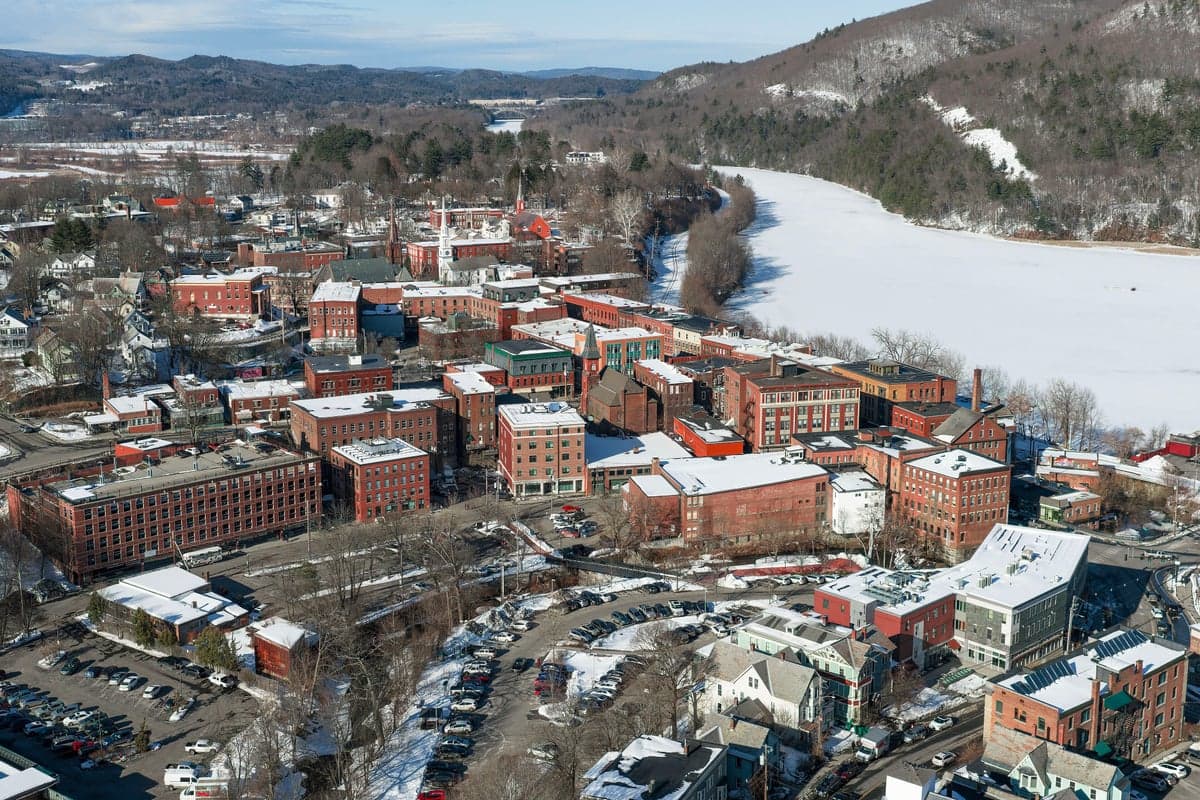
Brattleboro is the kind of town that wears its quirks on its sleeve. It’s a small, walkable community of roughly 7,800 people tucked along the Connecticut River, where the vibe leans more toward artsy and independent than polished or corporate. If you’re picturing a classic New England village with a counterculture streak and a healthy dose of practical Vermont grit, you’re on the right track.
The Daily Rhythm: What People Actually Do
Life here moves at a deliberate pace. The median age is 44.9, and the town has a noticeable mix of empty-nesters, remote workers, and families who chose Brattleboro for its schools and slower tempo. A typical weekday might start with coffee at Mocha Joe’s or a breakfast sandwich from the Brattleboro Food Co-op, followed by a walk along the Whetstone Brook or a quick errand downtown. The town’s compact layout means you can hit the post office, the library, and the hardware store without ever starting a car. The average commute is just 22 minutes, which feels generous by national standards but is a real luxury here — most people drive less than that.
Shopping is local by necessity and preference. The downtown has a mix of independent bookstores, vintage shops, and galleries. For groceries, you’ve got the Co-op and a Shaw’s, but most residents also hit the Brattleboro Farmers’ Market on Saturdays from May through October. It’s a genuine community hub, not a tourist attraction. Weekends often revolve around hiking at Wantastiquet Mountain (the trailhead is a five-minute drive from the center of town), kayaking on the Connecticut River, or catching a show at the Latchis Theatre, a historic art-deco venue that shows indie films and hosts live performances.
Sports, Entertainment, and the Social Scene
Sports aren’t the main draw here, but they have a quiet presence. High school athletics — particularly soccer, cross-country, and skiing — are well-attended by families, but there’s no college or pro team to rally around. The real energy goes into the arts and festivals. Strolling of the Heifers in June is the town’s signature event: a parade of dairy cows through downtown that draws thousands and kicks off a week of farm-to-table dinners and agricultural exhibits. It’s exactly as Vermont as it sounds, and locals love it. The Brattleboro Music Center and Next Stage Arts host regular concerts, from classical to folk to indie rock. For nightlife, you’ve got The Marina for a dive-bar vibe, McNeill’s Brewery for craft beer in a converted fire station, and Whetstone Station for a riverside beer garden in warmer months.
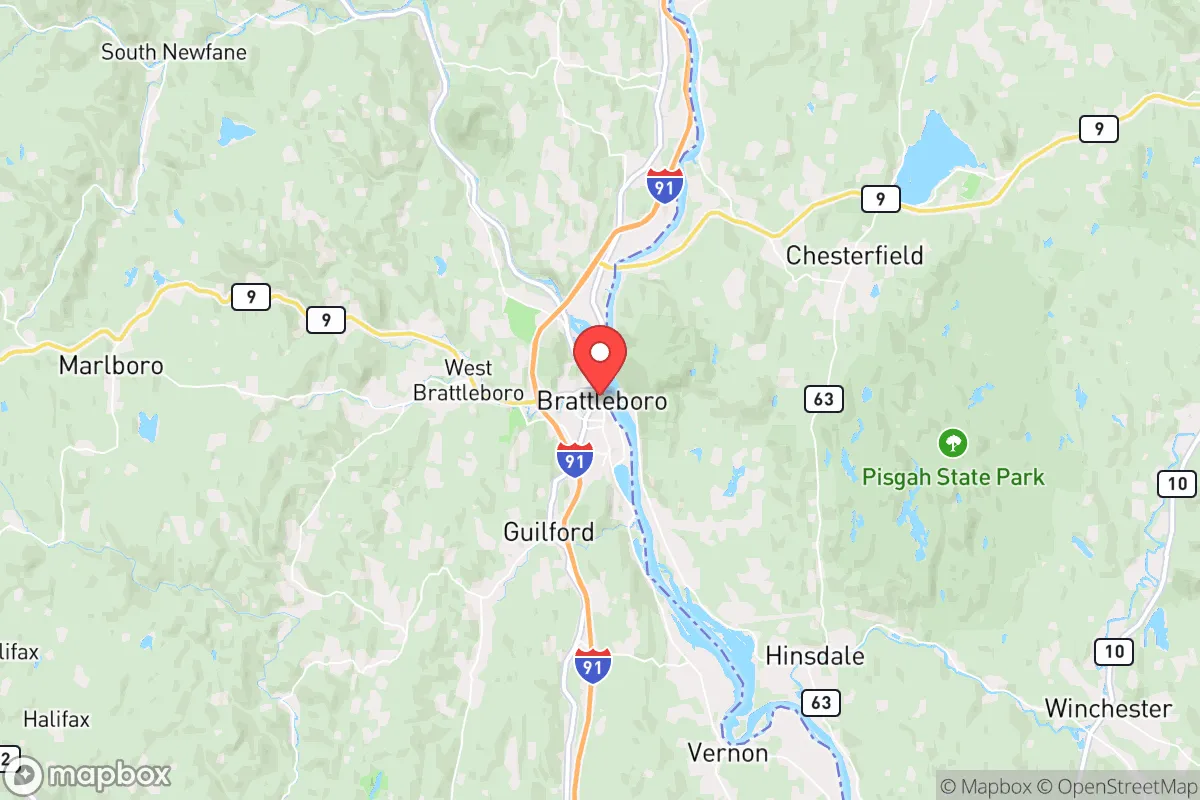
Outdoor recreation is the real anchor. The West River Trail is a 20-mile rail-trail perfect for biking and walking. In winter, residents ski at Mount Snow (about 40 minutes north) or cross-country at Grafton Ponds. The town’s location on the Vermont-New Hampshire border also means you can be in Keene, NH, in 30 minutes or Hanover in about 90.
Who Fits In — and Who Might Struggle
Brattleboro works best for people who value community over convenience and don’t mind a little grit. The median household income is $46,972, which is low by national standards, and the cost of living index is 87 (well below the U.S. average of 100). That combination means housing is relatively affordable — the median home value is $239,500 — but wages are also lower. Many residents work in education, healthcare, or the nonprofit sector, or they commute to larger employers like C&S Wholesale Grocers in Keene or Brattleboro Memorial Hospital locally. Remote workers are increasingly common, drawn by the lower cost of living and the town’s strong broadband infrastructure.
The kind of person who thrives here is someone who appreciates a slower pace, doesn’t need a nightclub or a mall, and is comfortable with a community that’s politically and culturally progressive. That said, the town has a noticeable conservative minority — mostly longtime farming families and small-business owners — and the two groups coexist with a kind of live-and-let-live pragmatism. It’s not a place where you’ll find a lot of flashy wealth or status signaling. People care more about whether you show up to the town meeting than what you drive.
Honest Pros and Cons
- Pro: Genuine community feel. Neighbors know each other, and local events like the farmers’ market or the town’s annual Winter Carnival actually feel like gatherings, not obligations.
- Con: Limited job market. If you’re not in healthcare, education, or remote work, you’ll likely need to commute to Keene, NH, or even further to Springfield or Manchester.
- Pro: Outdoor access. You can be on a hiking trail or a river within minutes, and the seasons give you a legitimate reason to own skis, a kayak, and a good pair of boots.
- Con: Crime perception vs. reality. The violent crime rate is 653.9 per 100,000 — notably higher than the national average. Most of it is property-related or tied to specific issues like drug activity, but it’s a real concern that comes up in local conversation. Longtime residents will tell you to lock your car and be aware downtown at night, but they’ll also say the town feels safe in daylight.
- Pro: Strong schools. The Brattleboro Union High School and the area’s elementary schools are well-regarded, and the town invests in its public education system. School events are community events.
- Con: Weather. Winters are long — snow can stick from December through March — and the gray skies can wear on you. Spring is mud season. Locals cope by embracing winter sports or heading south for a week in February.
Cultural Quirks and Practical Realities
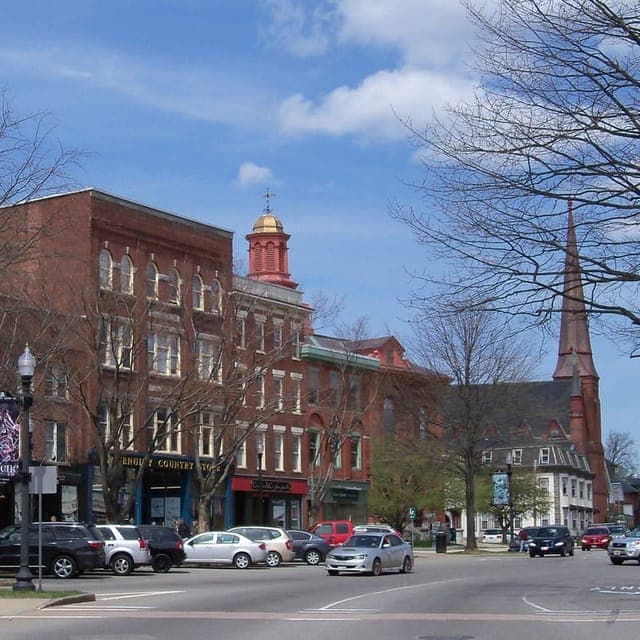
Brattleboro has a few traditions that outsiders might find odd. The town’s Representative Town Meeting is a direct-democracy holdover where residents vote on the budget and local ordinances in person — it’s taken seriously, and attendance is a point of pride. There’s also a strong DIY ethos: people fix their own porches, can their own tomatoes, and start their own small businesses. The Brattleboro Common, a small park in the center of town, is where you’ll see everything from drum circles to political rallies to families having picnics. It’s a microcosm of the town itself: a little messy, a little weird, and genuinely communal.
Traffic is rarely an issue, though the main drag (Route 5/Main Street) can get congested during tourist season. Parking is tight downtown, but most people walk or bike. The weather dictates the rhythm of life more than anything else: summer is for festivals and river swimming, fall is for leaf-peeping and harvest dinners, winter is for hunkering down and skiing, and spring is for waiting out the mud. It’s a place that asks you to slow down and pay attention to the season you’re in. If that sounds appealing, Brattleboro might feel like home.

Similar small towns to Brattleboro
* Values derived from national, state, county, city and local statistics and may differ in a specific area. Last updated: 2026-10-17T00:31:53.000Z
Narrative content on this page is AI-generated and may contain mistakes. Verify any details that matter before acting on them.
ReloMaps may earn a commission from affiliate links at no extra cost to you.

