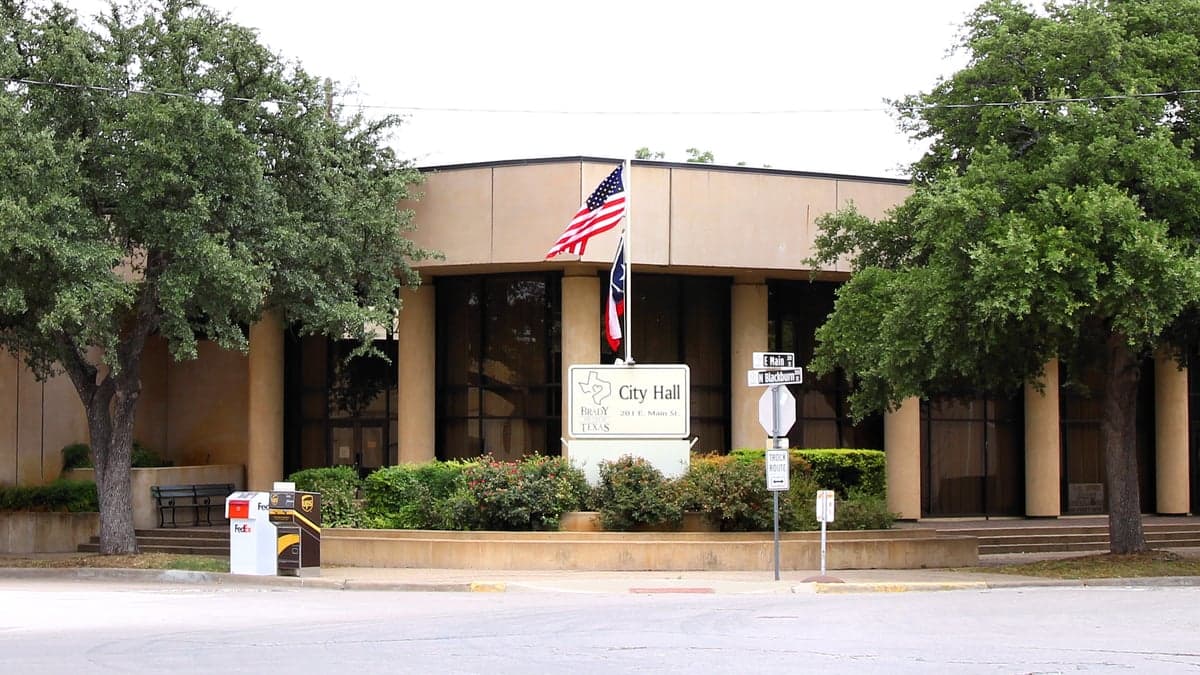
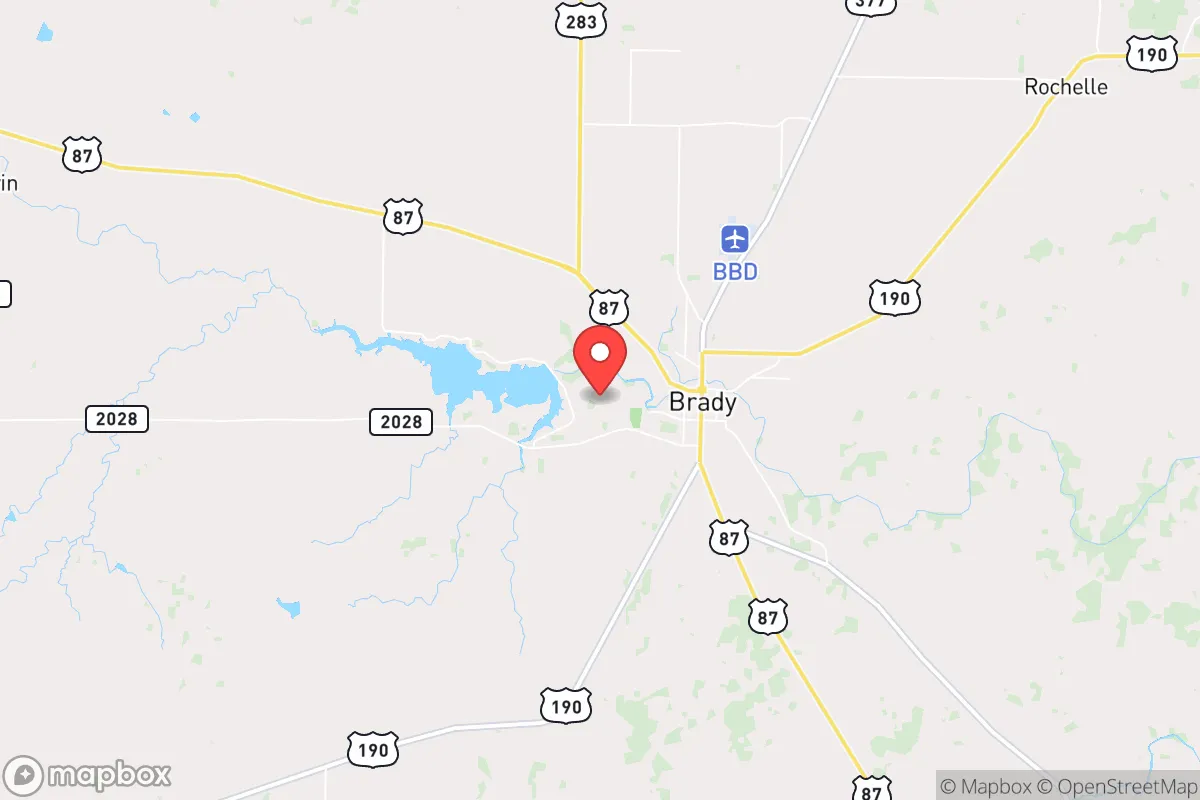
Photo: Wikipedia
Find The Best Places To Live
in Brady
PRO TIP! You can paste a Zillow or Redfin link to get info on that property.
What It's Like Living in Brady, TX
Brady, Texas, feels like a place where the front porch still matters and people know your name before you’ve finished your first cup of coffee at the local diner. With a population just over 5,200, it’s a town that wears its ranching and hunting heritage on its sleeve, offering a slower, more deliberate pace of life that appeals to folks who value community over convenience and don’t mind driving a bit for a big-box store. It’s not for everyone, but for the right person—someone who wants space, safety, and a strong sense of belonging—Brady can feel like a genuine find.
Daily Rhythm: What Life Actually Looks Like
Most mornings in Brady start early. You’ll see trucks heading out to ranches or oilfield jobs, and the local coffee shops and diners—like the Brady Creek Grill—fill up with folks catching up before the workday. The average commute is about 26 minutes, which might sound long for a small town, but that’s because many residents work in surrounding counties or on rural land. Shopping is practical: you’ve got a Walmart, a local grocery store, and a handful of hardware and feed stores. For anything more, it’s a 45-minute drive to San Angelo or an hour to Brownwood. Weekends often mean time at the lake, a high school football game, or a backyard barbecue with neighbors.
The median age here is 42.2, and the median household income sits at $44,163. That’s lower than the national average, but the cost of living index is a striking 58—well below the U.S. average of 100. Housing is the big win: the median home value is just $102,900, meaning a family can own a decent three-bedroom home on a single modest income. The trade-off is that only about 16.6% of adults hold a college degree, and white-collar professional jobs are scarce. Most work is in agriculture, energy, healthcare (the local hospital is a major employer), or small businesses.
Sports, Community, and the Heart of Local Life
High school sports are the town’s main stage. Brady High School football games on Friday nights are the closest thing to a city-wide event, drawing families, alumni, and even folks without kids. The Bulldogs are a source of genuine pride, and the energy around playoff runs can be electric. There’s no pro or college team nearby—the nearest Division I action is at Texas State in San Marcos, over two hours away—so the local Bulldogs carry the weight of the town’s athletic identity.
Beyond sports, the community rallies around events like the Brady Rodeo and the annual World Championship Goat Cook-Off, which is exactly as quirky as it sounds. It’s a multi-day festival with live music, a carnival, and, yes, goat dishes cooked every way imaginable. It draws visitors from across the state and is a point of local pride. For outdoor types, Brady Lake and the nearby San Saba River offer fishing, kayaking, and quiet camping spots. There’s no big music venue or nightclub—entertainment is DIY: bonfires, porch hangs, and the occasional live band at a local bar like the Silver Spur Saloon.
Pros and Cons of Living in Brady
Let’s be honest about what works and what doesn’t. The pros are real: crime is low—the violent crime rate is 121.8 per 100,000, well below the national average—and people genuinely look out for each other. You can leave your garage open or your keys in the truck without a second thought. The cost of living means your dollar goes far, and the wide-open spaces mean you’re never crowded. For families, the schools are small enough that teachers know every student by name, and the community wraps around kids in a way that’s hard to find in bigger places.
The cons are equally honest. Job diversity is thin—if you’re not in ranching, oil, healthcare, or education, you’ll likely be commuting or working remotely. The nearest airport with commercial flights is in San Angelo, and the closest major city (Austin) is a solid two-hour drive. Summers are hot and dry, with temperatures often topping 100°F, and winters can be chilly but rarely snowy. There’s no movie theater, no mall, and limited dining options—you’ll get tired of the same few restaurants quickly. For single people in their 20s or 30s, the dating pool is small, and the social scene revolves around church, family, or the same handful of bars.
Brady is best suited for someone who values peace, space, and community over career ambition or urban amenities. It’s a place where you trade a shorter commute for a longer drive to a Target, and where a Friday night under the lights at the high school stadium feels like a big deal. If that sounds like a good trade, Brady might just feel like home.

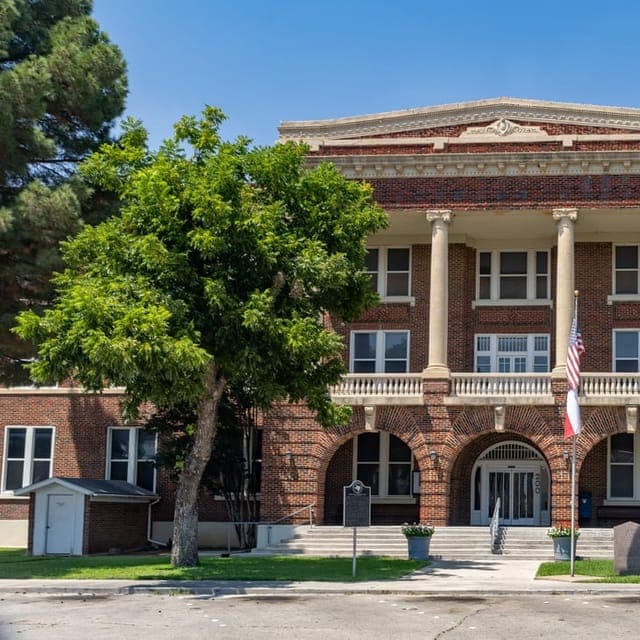
Similar small towns to Brady
* Values derived from national, state, county, city and local statistics and may differ in a specific area. Last updated: 2026-07-10T00:53:03.000Z
Narrative content on this page is AI-generated and may contain mistakes. Verify any details that matter before acting on them.
ReloMaps may earn a commission from affiliate links at no extra cost to you.

