 Popular
Find The Best Places To Live
in San Angelo
PRO TIP! You can paste a Zillow or Redfin link to get info on that property.
What It's Like Living in San Angelo, TX
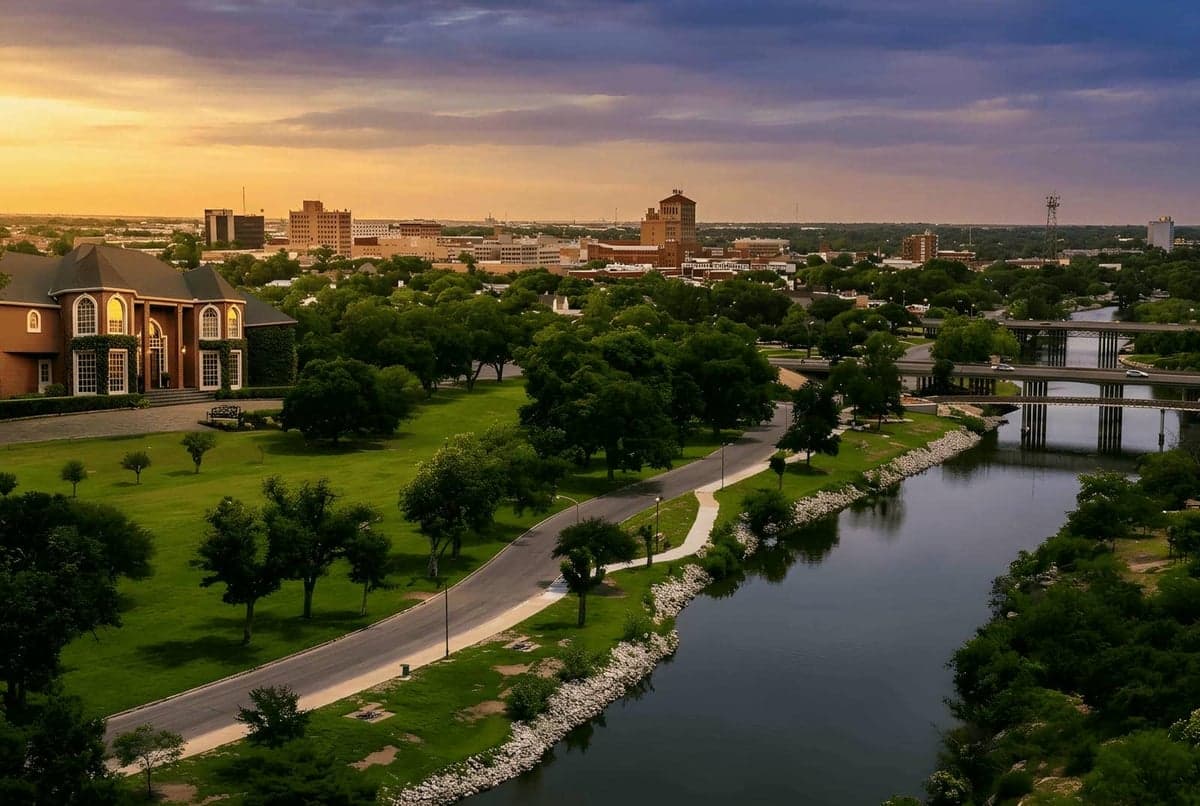
San Angelo has a way of growing on you. It’s not a place that shouts its charms from the rooftops; instead, it reveals itself through slow Sunday afternoons on the Concho River, the smell of mesquite smoke drifting from a backyard grill, and the easy familiarity of running into someone you know at the grocery store. With a population hovering just under 100,000, it’s big enough to have a decent hospital and a university, but small enough that you still wave at your neighbors. The vibe here is distinctly West Texas—practical, friendly, and a little bit stubborn—and it tends to attract people who value community over flash.
The Daily Rhythm: Laid-Back, Family-Focused, and Surprisingly Connected
Most days in San Angelo move at a pace that feels almost deliberate. The average commute is just over 18 minutes, which means you can actually go home for lunch or run a quick errand without losing your whole afternoon. People shop at the local H-E-B or the farmers market on Saturday mornings, and weekends often revolve around youth sports, church events, or a trip to one of the city’s many parks. The median age is 35.2, so you’ll find a healthy mix of young families and empty-nesters, but not a huge singles scene. The kind of person who fits in here is someone who doesn’t need a nightclub on every corner—someone who’s content with a good barbecue joint, a river walk, and a front porch.
Work life leans heavily on healthcare, education, and government. Shannon Medical Center and the San Angelo Independent School District are two of the largest employers, along with Goodfellow Air Force Base, which brings a steady rotation of military families. The median household income is $64,146, which goes a long way in a place where the cost of living index is 83—well below the national average. A median home value of $179,300 means a teacher or a nurse can realistically afford a three-bedroom house with a yard. That’s a big deal, and it’s something locals don’t take for granted.
Sports, Festivals, and the Things That Bring People Together
If you want to understand San Angelo, look at what fills the bleachers. High school football is a genuine religion here—Friday nights at San Angelo Stadium are packed, and the rivalry between Central High and Lake View is the kind of thing that gets passed down through generations. Angelo State University (ASU) adds a college sports layer, with Rams football and basketball drawing solid crowds, especially when the team is winning. There’s no pro team within a three-hour drive, so local and college sports get the full attention.
Beyond athletics, the city punches above its weight in festivals. The San Angelo Stock Show & Rodeo in February is a two-week affair that brings in competitors and spectators from across the state. The River Stage at the Concho River hosts free concerts in the summer, and the annual Chicken Fried Steak Festival in nearby Lometa is a pilgrimage for anyone who takes comfort food seriously. For a quieter evening, locals head to the Angry Cactus for live music and a cold beer, or to Miss Hattie’s for a cocktail in a historic saloon. The San Angelo Museum of Fine Arts and the Cactus Hotel (a restored 1920s landmark) give the city a bit of cultural heft you wouldn’t expect this far west.
What’s to Love, and What Gets Under Your Skin
The pros are real and tangible. The cost of living is the headline—you can live comfortably on a middle-class income in a way that’s becoming impossible in Austin or Dallas. The outdoor access is excellent: Lake Nasworthy and the Concho River offer fishing, kayaking, and paddleboarding, and the 26-mile San Angelo Nature Trail is a favorite for runners and cyclists. The people are genuinely friendly, not in a performative way, and there’s a strong sense of mutual support, especially during tough times.
But there are honest downsides. The violent crime rate is 286.5 per 100,000, which is above the national average and something to be aware of when choosing a neighborhood. The weather is extreme—summers regularly hit triple digits, and winter can bring ice storms that shut down the city for a day or two. The job market is limited; if you’re not in healthcare, education, or the military, you may struggle to find something that pays well. And if you’re used to the cultural variety of a big city, you’ll feel the lack of options in dining, shopping, and entertainment. There are only so many times you can eat at the same Mexican restaurant before you start craving something new.
One cultural quirk worth noting: San Angelo takes its water seriously. The city sits on the edge of the Edwards Plateau, and droughts are a recurring topic of conversation. You’ll hear people talk about lake levels the way others talk about stock prices. It’s a reminder that this is a place shaped by its environment—harsh, beautiful, and not for everyone. But for the people who choose it, San Angelo feels less like a compromise and more like a relief.

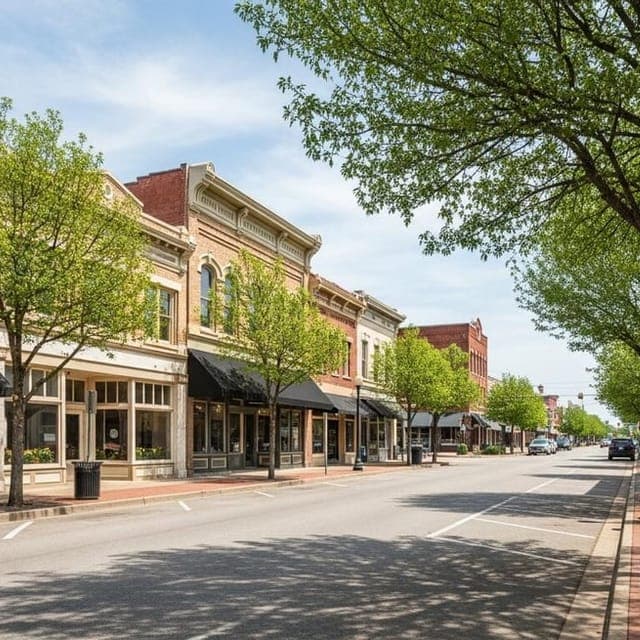
Similar small cities to San Angelo
* Values derived from national, state, county, city and local statistics and may differ in a specific area. Last updated: 2026-10-23T20:55:08.000Z
Narrative content on this page is AI-generated and may contain mistakes. Verify any details that matter before acting on them.
ReloMaps may earn a commission from affiliate links at no extra cost to you.

