Find The Best Places To Live
in Aledo
PRO TIP! You can paste a Zillow or Redfin link to get info on that property.
Compare Aledo with another place
What It's Like Living in Aledo, TX
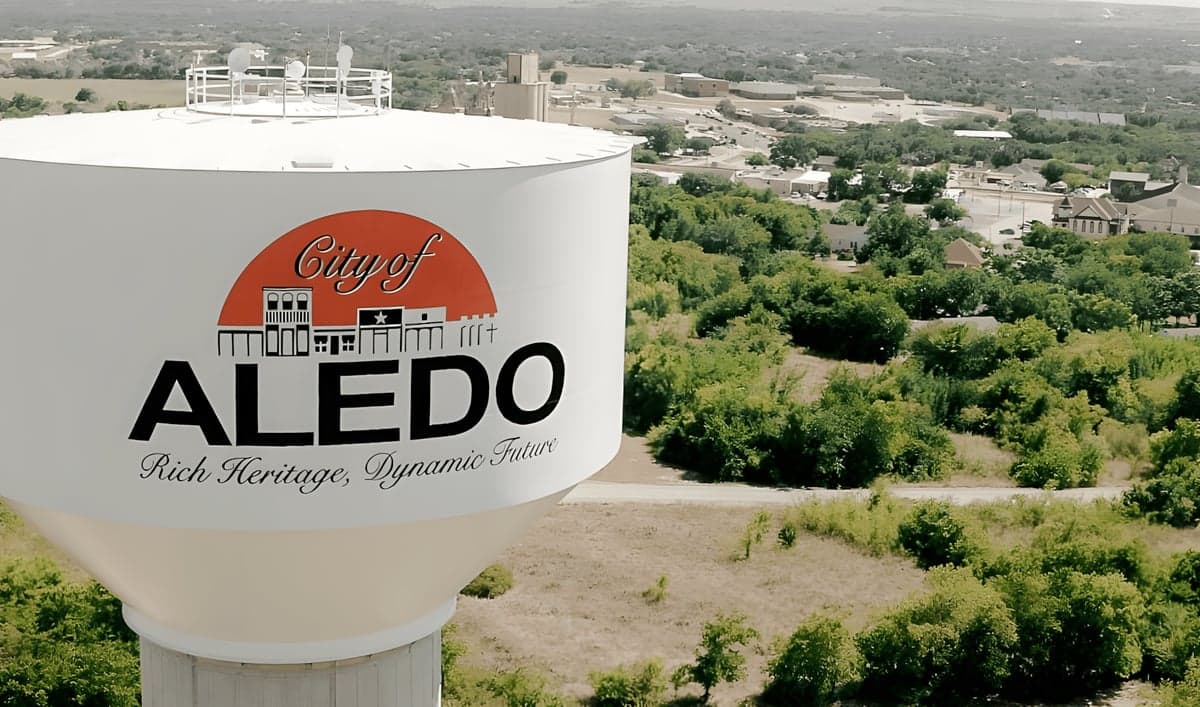
If you describe Aledo, Texas to someone who hasn’t been, you might start with the water tower that reads “Aledo” in bold white letters against the prairie sky—a quiet signal that you’ve left the sprawl of Fort Worth behind. This is a community of roughly 5,400 people, where the median age hovers around 39.1 and the median household income sits at $152,083, which is almost double the national average. That affluence isn’t flashy; it shows up in freshly paved driveways, carefully kept lawns, and a high school football stadium that rivals some small colleges. Living here means you’ve chosen slower mornings and longer commutes (the average drive to work is about 28 minutes) in exchange for a small-town identity that still feels genuine, even as new construction creeps in from all sides.
The Daily Rhythm: Where You Shop, Eat, and Spend Your Weekends
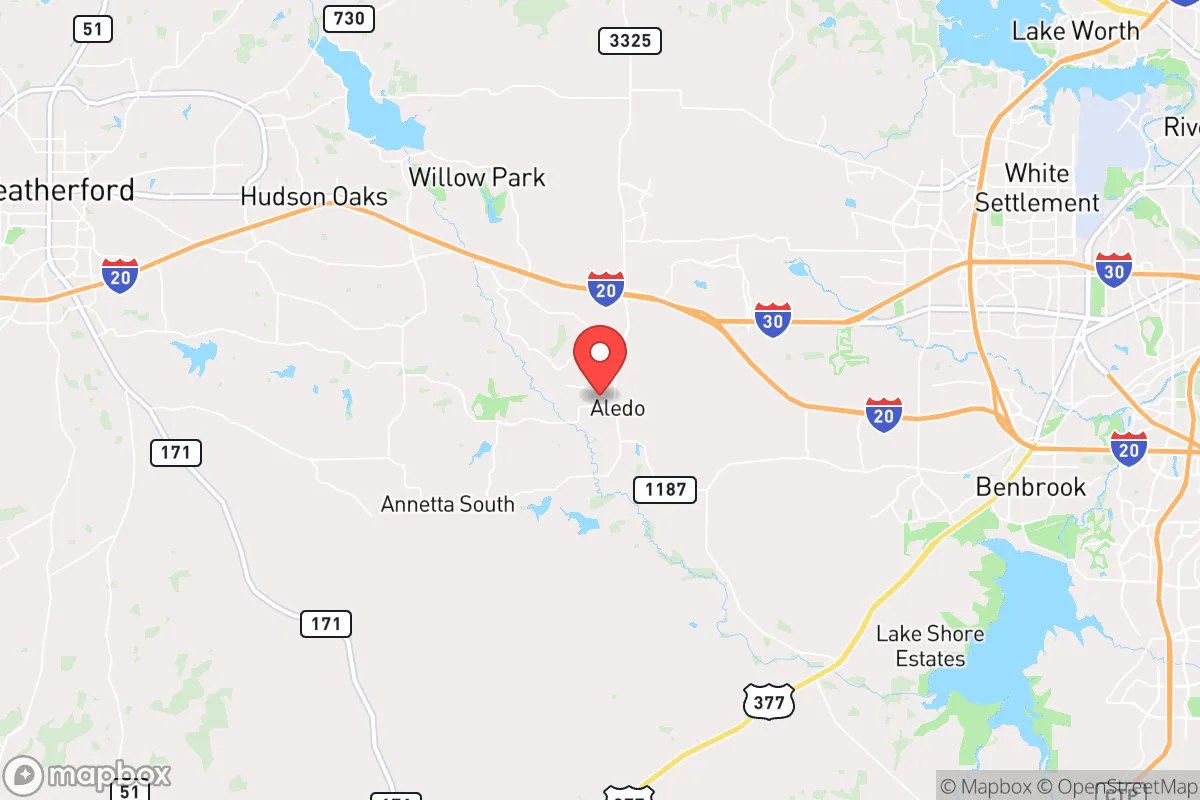
Daily life in Aledo is built around the town’s two arteries: FM 1187 and FM 5. Locals grab breakfast tacos at Alice’s Restaurant (yes, that’s the real name) on the main drag, or meet for coffee at the handful of spots near the square. Grocery runs usually mean a trip to the local Brookshire’s or a quick drive to the bigger stores in Weatherford or Willow Park—there’s no full-size H-E-B or Walmart Supercenter in town, which residents both love and grumble about. Weekends tend to revolve around youth sports fields, the town’s splash pad in summer, or sprawling backyards for cookouts. Many families spend Saturday mornings at the Aledo Farmers Market seasonally, or head over to Walsh Ranch for a bike ride around the neighborhood’s trails. The median home value is $409,300, and the cost of living index is 192 (nearly double the U.S. average), so this isn’t a budget-friendly starter town. It’s a place where people choose to settle down, often after renting in other DFW suburbs for a few years, because they want the space and the school district.
Friday Night Lights Aren’t a Cliché Here
The most important building in Aledo after the fire station is likely the high school football stadium. The Aledo Bearcats are a perennial Class 5A powerhouse in Texas high school football, and their games draw crowds that would put many mid-size college programs to shame. On Friday nights in the fall, everything else stops. The atmosphere at Bearcat Stadium is loud, proud, and deeply intergenerational—former athletes still come back for home games, and the pregame tailgates in the parking lot are a town ritual. Beyond football, the Aledo High School baseball and volleyball teams regularly compete for state titles, and the “Bearcat Way” is a real phrase you’ll hear when discussing discipline or school pride. The strong alumni network means a 40-year-old who grew up here can still name the starting quarterback from their junior year. For a small town, the sports identity is massive—and it serves as the primary social glue for many families.
What Frustrates and Delights: The Honest Pros and Cons of Living Here
- What locals love: The schools are genuinely excellent; 60.8% of adults hold a college degree, and the district consistently earns high marks. The sense of community is real—neighbors know each other, and there’s a genuine safety-net feeling during tough times. The proximity to Fort Worth (roughly 20 minutes to the city’s west side) easy access to cultural amenities without the daily gridlock. The violent crime rate is 345.5 per 100,000, while not the lowest in the region, it’s still manageable—most petty theft and property crimes cluster near main roads, not in neighborhoods.
- Common frustrations: That commute isn’t short—most drivers head east on 820 or 30 each morning, and growth has made it worse. Traffic along 1187 in the afternoons can be aggressive. Nightlife is zero: there’s a sports bar or two, but for anything resembling a proper restaurant scene or live music, you’re driving to Fort Worth. Some long-timers chafe at the surge of new subdivisions and the loss of open farmland. And the cost of living is genuinely steep—&192 index means basic groceries and utilities cost noticeably more than in Weatherford or Springtown.
Quirks, Traditions, and the Real Vibe of the Town
Every June, Main Street shuts down for Aledo Founder’s Day, a parade-heavy festival with local vendors, a petting zoo, and a community pageant—exactly the kind of generational event that someone moving from a big city would find charming or cheesy depending on their mood. There’s also a strong equestrian presence east toward Walsh Ranch. You’re as likely to see a horse trailer in a driveway as a lifted truck. The cultural quirks show up in everyday things: residents turn left from the right lane if nobody is coming, and they don’t lock their doors after dark, even as homes now top $400,00. The median age of 39.1 reflects how many people move here after their own kids are school—an older, more settled demographic. The weather runs the Texas gamut: 100-degree summers with high humidity, brief but pretty autumns, and winters that mostly mean day of below-freezing anxiety. The community’s identity hinges on the phrase “Bearcat Pride,” which appears on bumper stickers, yard signs, and restaurant banners. It’s earnest, it’s a little unsarcastic, and for the people who stay, it’s what makes the distance and the cost of living worth it.

Similar small towns to Aledo

* Values derived from national, state, county, city and local statistics and may differ in a specific area. Last updated: 2026-09-11T16:58:10.000Z
Narrative content on this page is AI-generated and may contain mistakes. Verify any details that matter before acting on them.
ReloMaps may earn a commission from affiliate links at no extra cost to you.

