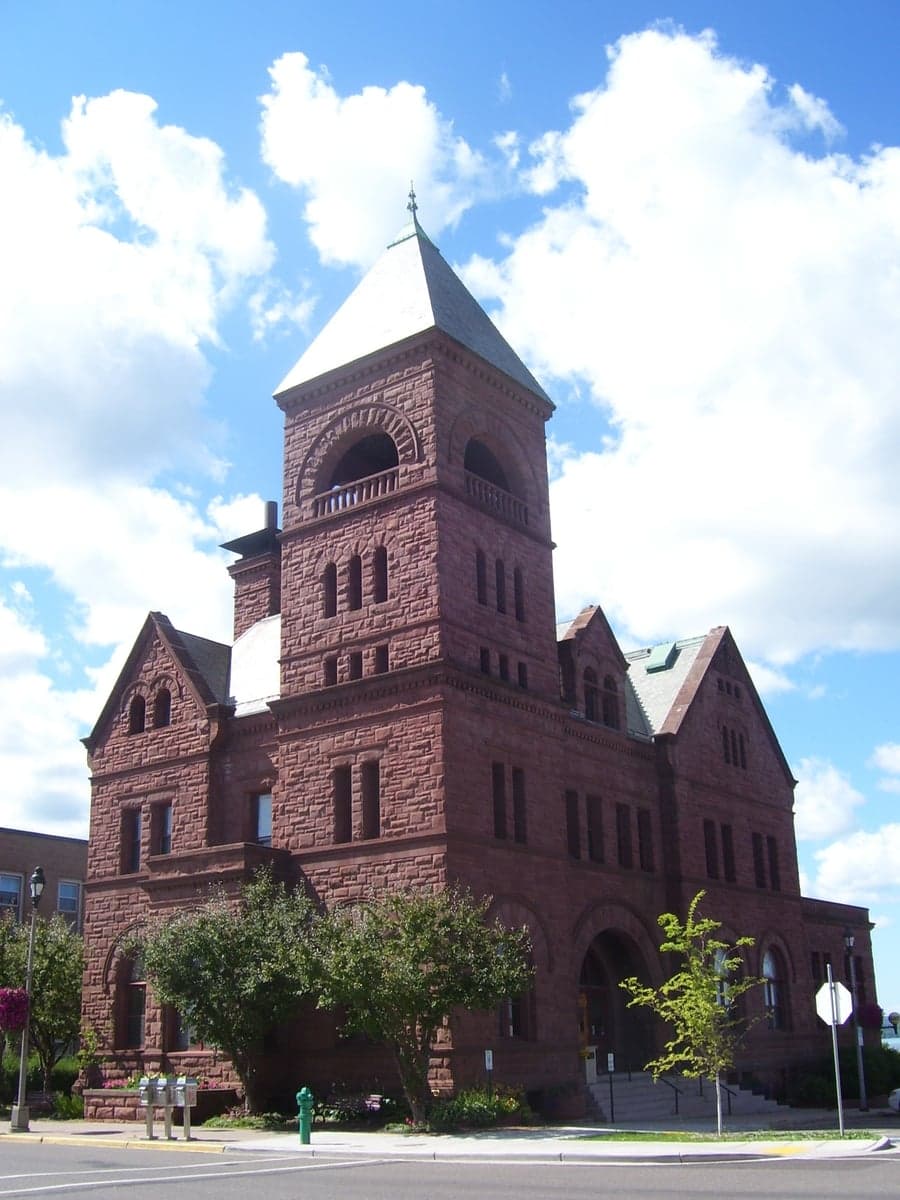
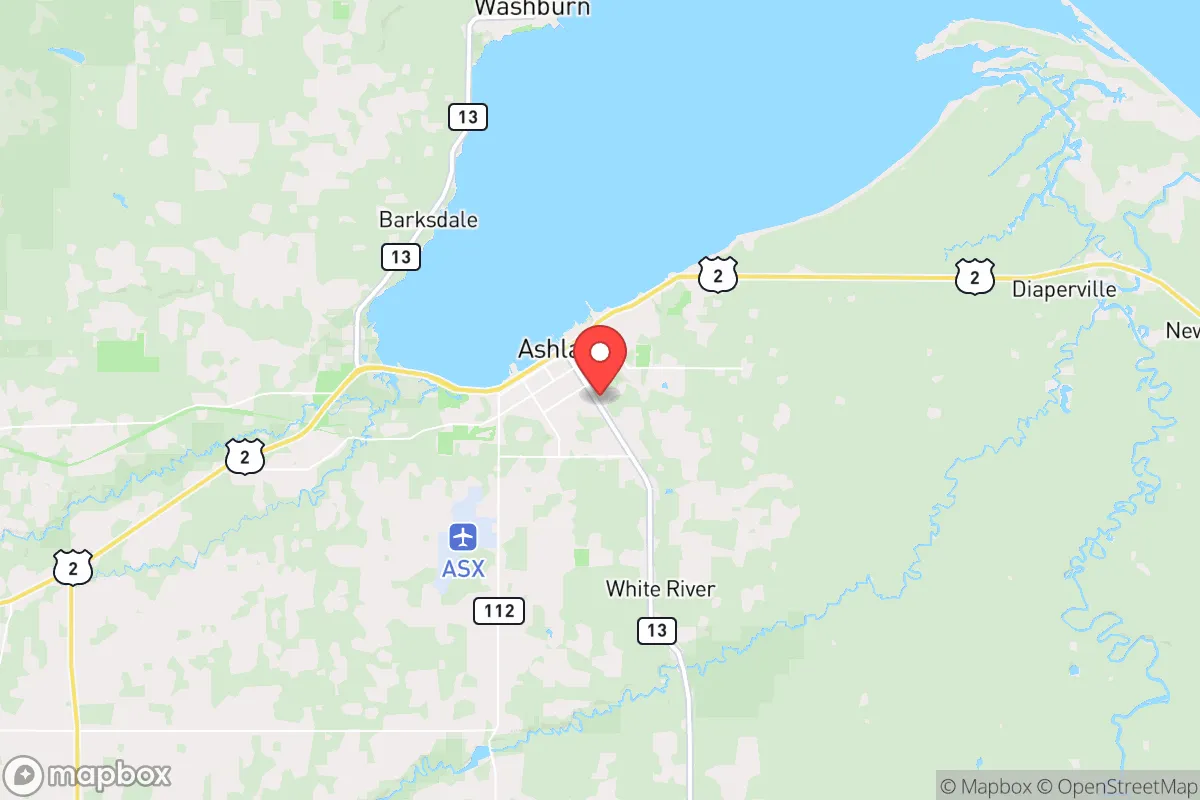
Photo: Wikipedia
Find The Best Places To Live
in Ashland
PRO TIP! You can paste a Zillow or Redfin link to get info on that property.
Compare Ashland with another place
What It's Like Living in Ashland, WI
Ashland, Wisconsin, feels like a place that time didn’t forget, but in a good way—a small city of about 7,900 people where Lake Superior’s big water meets the Northwoods’ quiet ambition. It’s the kind of town where you can walk from a brewery to a working ore dock in ten minutes, and where the biggest traffic jam is a high school hockey game letting out. For the single person or family looking for a slower, more grounded life without giving up a decent meal or a Friday night fish fry, Ashland offers a genuine, unpolished slice of Lake Superior living.
The Daily Rhythm: Slow Mornings and Lake Effect Evenings
Life here moves to the seasons, not the clock. The average commute is just under 13 minutes, which means most people are home for lunch or can run to the hardware store on a break. The median household income sits around $49,258, and with a cost of living index of 59—well below the national average of 100—that money goes further than it would in most places. A median home value of $162,200 means a family can afford a three-bedroom with a yard, and a single professional can buy a fixer-upper without a six-figure salary. Shopping is practical: you hit the local Superior Choice Co-op for bulk grains and local produce, or Jerry’s Foods for the basics. Weekends often start at Deep Water Grille for a Lake Superior whitefish sandwich or at The Railyard for a burger and a local craft beer. The real rhythm, though, is the lake—people walk the Bay City Marina boardwalk, fish off the pier, or just sit on a bench watching the ore boats slide past.
Sports, Community, and the Things That Bring People Together
Sports here are a big deal, but not in a big-city way. Ashland High School Oredockers hockey games are the winter social event—the rink is packed on Friday nights, and the town’s identity is tied to the team’s success. There’s no pro team within two hours, so high school sports (football, basketball, and especially hockey) carry real weight. For outdoor enthusiasts, the Whiskey Lake Trail and the Ice Age National Scenic Trail sections nearby offer hiking and snowshoeing. The Bay Area Film Society runs a small but dedicated movie series, and the Ashland Folk Festival (usually in August) brings in regional acts. The biggest annual draw is Bay Days in July—a street fair with a parade, live music, and enough bratwurst to feed the whole county. The cultural quirk here is a fierce, quiet pride in being a “North Coaster”—people identify more with Lake Superior than with Wisconsin or Minnesota, and they’ll tell you the best sunsets in the state are from Maslowski Park.
What You’ll Love and What Will Frustrate You
Let’s be honest about the trade-offs. The pros are real: affordable housing (the median home value is $162,200, and you can still find a decent two-bedroom for under $150,000), low traffic (you’ll never sit in a gridlock), and genuine community—neighbors know each other, and the local Ashland Chamber of Commerce events actually draw a crowd. The violent crime rate of 213.9 per 100,000 is higher than the national average (about 380 per 100K nationally), but most of that is concentrated in a few blocks near the downtown bars; the residential neighborhoods feel safe, and property crime is the bigger nuisance. The downsides: job options are limited. The biggest employers are the hospital, the school district, and a few manufacturing plants (like Bessemer Asphalt and Larson’s Manufacturing). If you’re not in healthcare, education, or a trade, you’ll likely commute to Washburn or Bayfield (15-20 minutes) or even Duluth (an hour away). Winter is long and real—from November through April, you’re dealing with snow, ice, and lake-effect clouds that can block the sun for weeks. The median age of 40.2 reflects a town that’s a bit older, with fewer young singles than families or retirees. And if you’re looking for nightlife, you’ve got a handful of bars (try The Breakwall for live music) and one movie theater—that’s it.
Who Fits In Here—and Who Should Think Twice
Ashland works best for people who value space, nature, and a slower pace over career climbing or urban amenities. It’s a great fit for a family that wants a house with a yard, good schools (the district is small but well-regarded, with a strong sense of community involvement), and a place where kids can ride bikes to the lake. It’s also a solid choice for a single person who works remotely or in a trade, and who enjoys fishing, hiking, or just the quiet of a small town. The 25.9% college-educated rate is lower than the national average (around 33%), but that reflects the blue-collar and service-based economy more than a lack of ambition. If you need a vibrant dating scene, a variety of restaurants, or a job in tech or finance, you’ll be frustrated. But if you’re willing to trade a 45-minute commute for a 12-minute one, and a $2,000 rent for a $1,000 mortgage, Ashland offers a life that’s simpler, cheaper, and closer to the big lake than almost anywhere else in the Midwest.

Similar small towns to Ashland
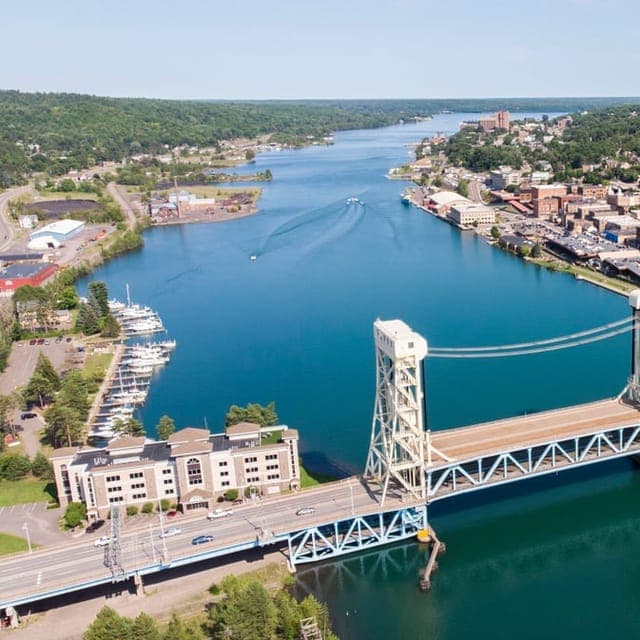
* Values derived from national, state, county, city and local statistics and may differ in a specific area. Last updated: 2026-11-22T17:27:39.000Z
Narrative content on this page is AI-generated and may contain mistakes. Verify any details that matter before acting on them.
ReloMaps may earn a commission from affiliate links at no extra cost to you.

