Photo: Wikipedia
Find The Best Places To Live
in Iron Mountain
PRO TIP! You can paste a Zillow or Redfin link to get info on that property.
Compare Iron Mountain with another place
What It's Like Living in Iron Mountain, MI
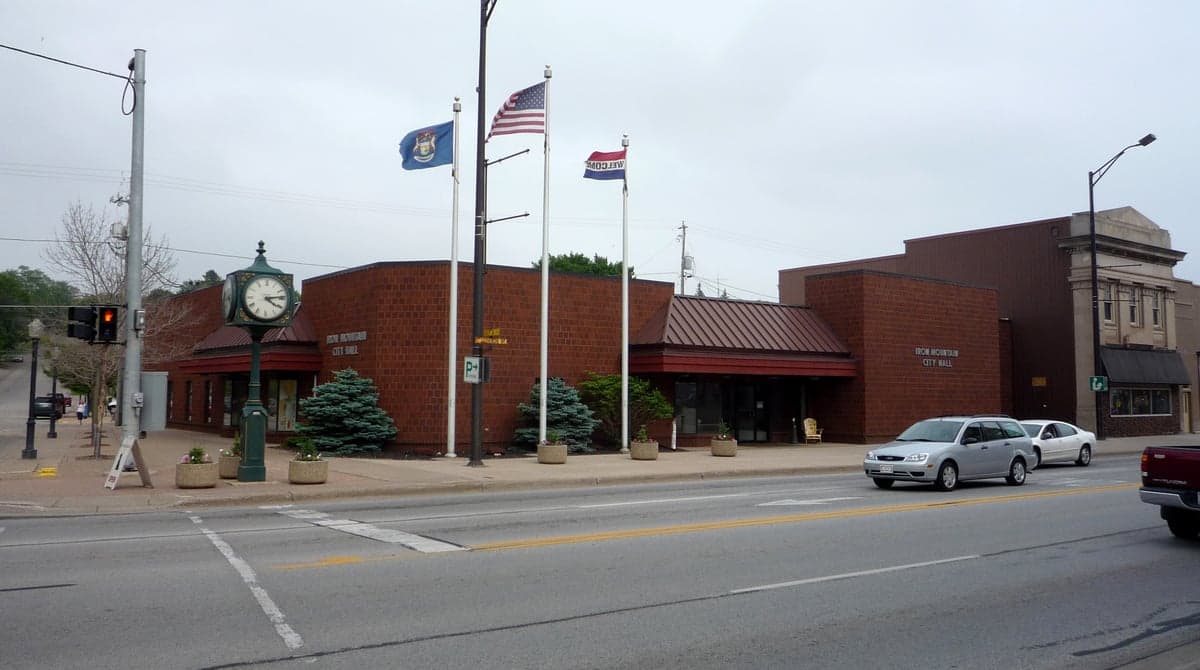
Iron Mountain, Michigan, feels like a place that time didn’t forget so much as it politely declined to follow the rest of the country into a frenzy. It’s a small, tight-knit city of about 7,500 people where the downtown still has a working hardware store, the high school football game is the social event of the week, and the biggest debate isn’t about politics but whether the pasty at the local diner is better than the one from the church fundraiser. If you’re looking for a place where you can actually know your neighbors, afford a house, and be outside in every season, this might be the spot — but it’s not for everyone.
The Daily Rhythm: Slow, Self-Reliant, and Surprisingly Social
Life here moves at a pace that can feel jarring if you’re coming from a metro area. The average commute is just over 16 minutes — short enough that you can run home for lunch — and traffic is essentially a non-issue. People spend their weekends doing things that sound old-fashioned to outsiders: ice fishing on Lake Antoine, snowmobiling on the 100+ miles of groomed trails, or driving 20 minutes to the Pine Mountain ski jump for a competition. In summer, the rhythm shifts to golf, kayaking on the Menominee River, and the weekly farmers market on Stephenson Avenue. The median age here is 42.9, and the median household income sits at $56,622 — not high, but the cost of living index is 51, roughly half the national average. That means a median home value of $117,600 buys you a solid three-bedroom with a yard, not a fixer-upper. The kind of person who fits in here is someone who values space, quiet, and self-sufficiency over nightlife and career ladder-climbing. You’ll find a lot of tradespeople, remote workers who traded salary for sanity, and families who want their kids to grow up knowing what a real winter feels like.
Sports, Community, and the Things That Bring People Together
Sports are a genuine pillar of local identity, but not in the big-city pro sense. The Mountaineers — Iron Mountain High School’s football and basketball teams — draw crowds that would surprise an outsider. Friday night lights are real here, and the gym is packed for rivalry games against Kingsford. The Pine Mountain Ski Jump, a local landmark, hosts international competitions every winter that draw thousands of spectators to watch athletes fly off a 90-meter jump. For the less extreme, there’s the local hockey scene, which is huge — kids start skating before they can read, and the community rink is a social hub from November through March. The biggest annual event is the Italian Fest in June, a three-day block party with a parade, live music, and enough pasta to feed the entire county. It’s the kind of festival where you see the same faces every year, and newcomers are welcomed with a plate of food and a story about someone’s uncle. Other notable hangouts include Fumee Falls for a quiet hike, Chop House for a steak dinner that feels fancier than the town suggests, and Bobaloons for a beer and a burger where everyone knows the bartender.
What Frustrates Locals and What Keeps Them Here
Let’s be honest: Iron Mountain has real downsides. The violent crime rate is 418 per 100,000 — notably higher than the national average, though locals will tell you it’s concentrated in specific pockets and rarely random. Property crime is the bigger annoyance, with break-ins and theft from vehicles being a common complaint. The weather is another hurdle: winters are long, dark, and cold, with snow on the ground from November through April. Seasonal affective disorder is a real topic of conversation, and you’ll hear people talk about “cabin fever” like it’s a seasonal sport. The job market is thin outside of healthcare (the VA hospital and Dickinson County Healthcare System are the largest employers), education, and retail, so many younger adults leave after high school. Only about 23.5% of adults hold a bachelor’s degree, which reflects the blue-collar base. But what keeps people here is the trade-off: you can own a home outright by 40, your kids can walk to school, and you can be on a lake in five minutes. The community is genuinely supportive — when someone’s house burns down, the church has a meal train organized by sundown. It’s a place where your reputation matters, for better or worse, and where a handshake still means something. If you want anonymity and a 24-hour gym, this isn’t it. If you want a life where you know the mail carrier’s name and can actually afford to take a vacation, Iron Mountain might surprise you.

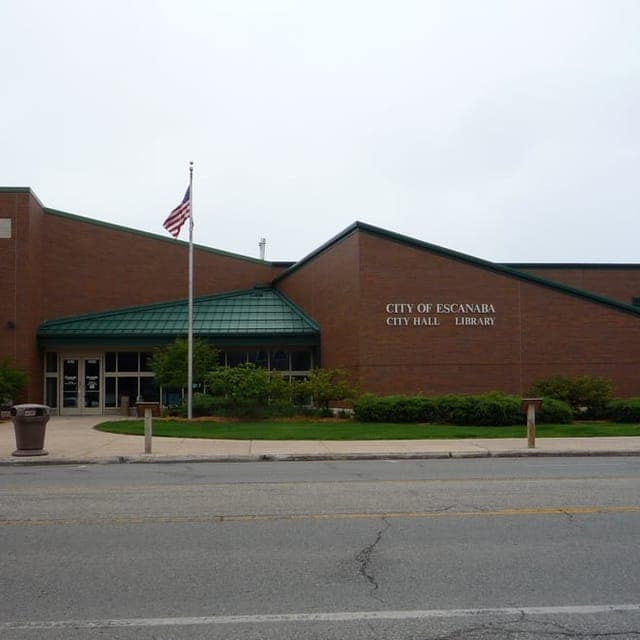
Similar small towns to Iron Mountain
* Values derived from national, state, county, city and local statistics and may differ in a specific area. Last updated: 2026-11-22T18:55:42.000Z
Narrative content on this page is AI-generated and may contain mistakes. Verify any details that matter before acting on them.
ReloMaps may earn a commission from affiliate links at no extra cost to you.

