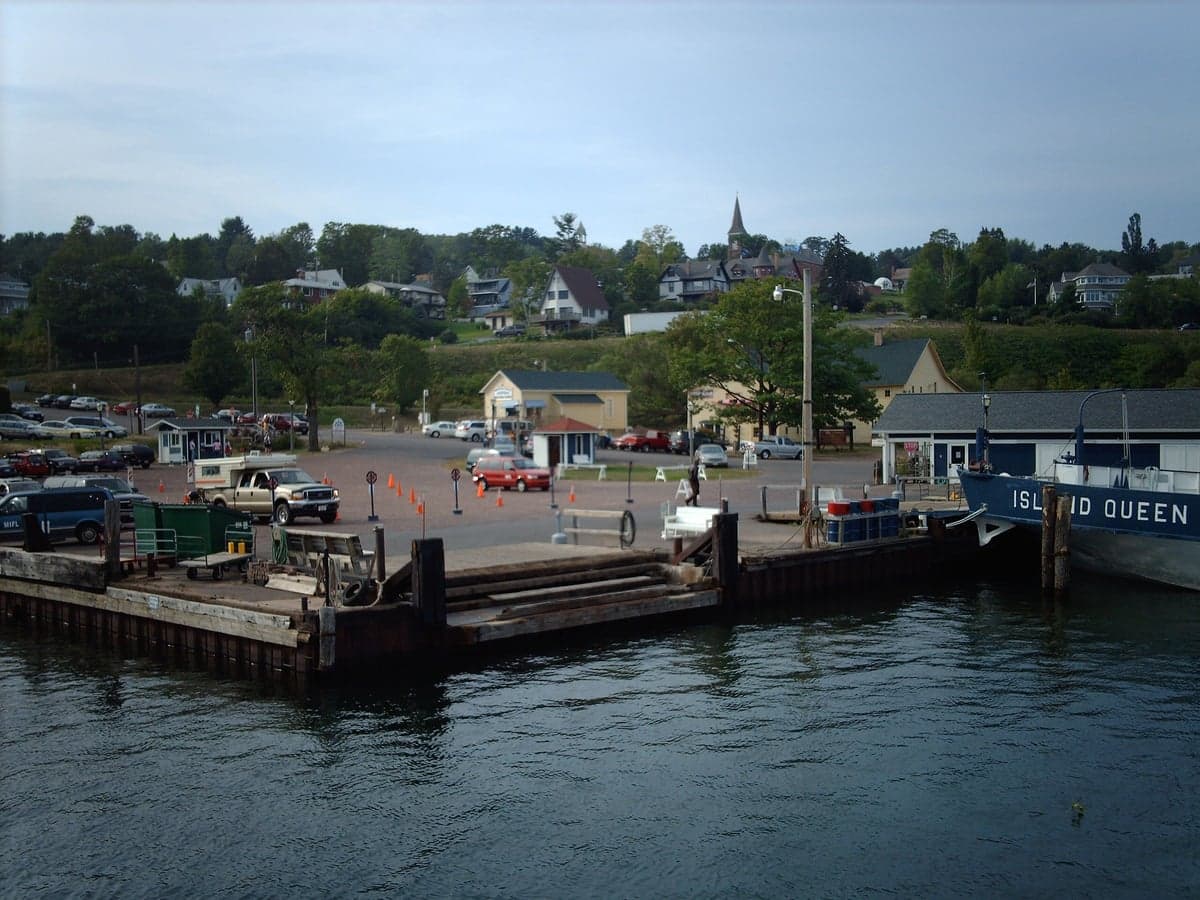
Photo: Wikipedia
Find The Best Places To Live
in Bayfield
PRO TIP! You can paste a Zillow or Redfin link to get info on that property.
What It's Like Living in Bayfield, WI
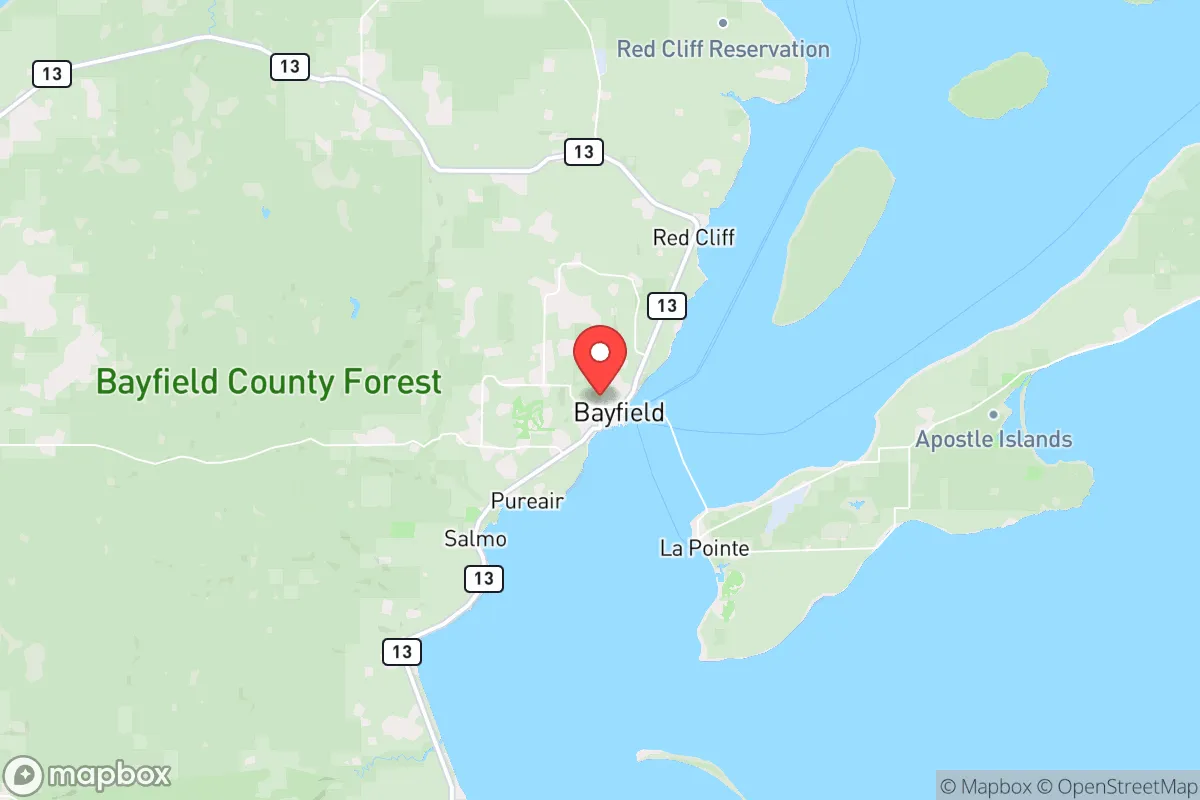
Bayfield, Wisconsin, feels less like a town and more like a carefully preserved secret on the shore of Lake Superior. With a year-round population hovering around 590, it’s a place where the rhythm of life is dictated by the lake’s moods and the turning of the seasons, not by traffic lights or strip malls. This is a community built for those who value quiet, natural beauty, and a pace slow enough to notice the way the light changes over the Apostle Islands.
Daily Rhythm: What Life Actually Looks Like
For the roughly 590 residents, a typical day doesn’t involve a frantic commute. The average drive to work is about 22 minutes, often a scenic route along the lake or through the surrounding woods. Most people work in tourism, the maritime industry, local government, or run small businesses that cater to the seasonal influx. The median household income sits at $63,750, which, paired with a cost of living index of 96 (slightly below the national average), means a modest lifestyle is comfortable here. You won’t find a Walmart or a chain restaurant; grocery shopping happens at the Bayfield Co-op or the local IGA, and a night out means a reservation at a place like Maggie’s or the Old Rittenhouse Inn. Weekends are for hiking the Brownstone Trail, kayaking the sea caves, or simply sitting on the dock watching the ore boats pass.
Who Fits In Here? The Bayfield Character
Bayfield is not for everyone, and that’s by design. The median age is 58.8, which tells you this is a magnet for retirees and empty-nesters seeking a slower, more contemplative life. But it also attracts a specific kind of younger family and remote worker—people who value 49% of adults holding a college degree and a community where everyone knows your name. The affluence level is modest; the median home value of $304,800 is high for the region, reflecting the desirability of lakefront property, but the overall cost of living is manageable. You fit in here if you’re self-sufficient, don’t mind driving 30 minutes to Ashland for a big-box store, and genuinely prefer a conversation about the weather or the fishing report over small talk about the latest blockbuster.
Sports, Festivals, and the Seasonal Pulse
Sports aren’t a dominant force here in the way they are in larger towns. There’s no Friday night lights spectacle; the local high school teams are small and community-supported, but the real energy goes into outdoor recreation. The Apostle Islands Sled Dog Race in February is the winter equivalent of a Super Bowl, drawing mushers and spectators from across the Midwest. Summer is dominated by the Bayfield Apple Festival in October, which is less a festival and more a town-wide celebration of the harvest, drawing tens of thousands of visitors. The Big Top Chautauqua is the cultural heart of the region, a tent venue that hosts national touring acts and local theater from June through September. For a town of 590, the cultural calendar is surprisingly full, but it’s all tied to the seasons—once the snow flies, the pace slows dramatically.
Honest Pros and Cons of Life on the Lake
Living here means trading convenience for beauty. The pros are undeniable: world-class Lake Superior access, the Apostle Islands National Lakeshore in your backyard, and a tight-knit community where people actually look out for each other. The violent crime rate of 168.6 per 100,000 is slightly above the national average, but most residents will tell you that’s skewed by a few isolated incidents and that property crime (often tied to seasonal tourism) is the bigger, though still manageable, concern. The real frustrations are practical: winter is long and real, with lake-effect snow that can bury the town from November through April. Healthcare requires a drive to Ashland or Duluth. And the seasonal economy means many businesses shutter or reduce hours from November to May, which can feel isolating. The biggest cultural quirk? Everyone knows your schedule. Privacy is thin, but so is loneliness. For the right person—someone who values solitude, natural beauty, and a life that moves at a deliberate pace—Bayfield isn’t just a place to live. It’s a place to belong.

* Values derived from national, state, county, city and local statistics and may differ in a specific area. Last updated: 2026-10-20T08:04:13.000Z
Narrative content on this page is AI-generated and may contain mistakes. Verify any details that matter before acting on them.
ReloMaps may earn a commission from affiliate links at no extra cost to you.

