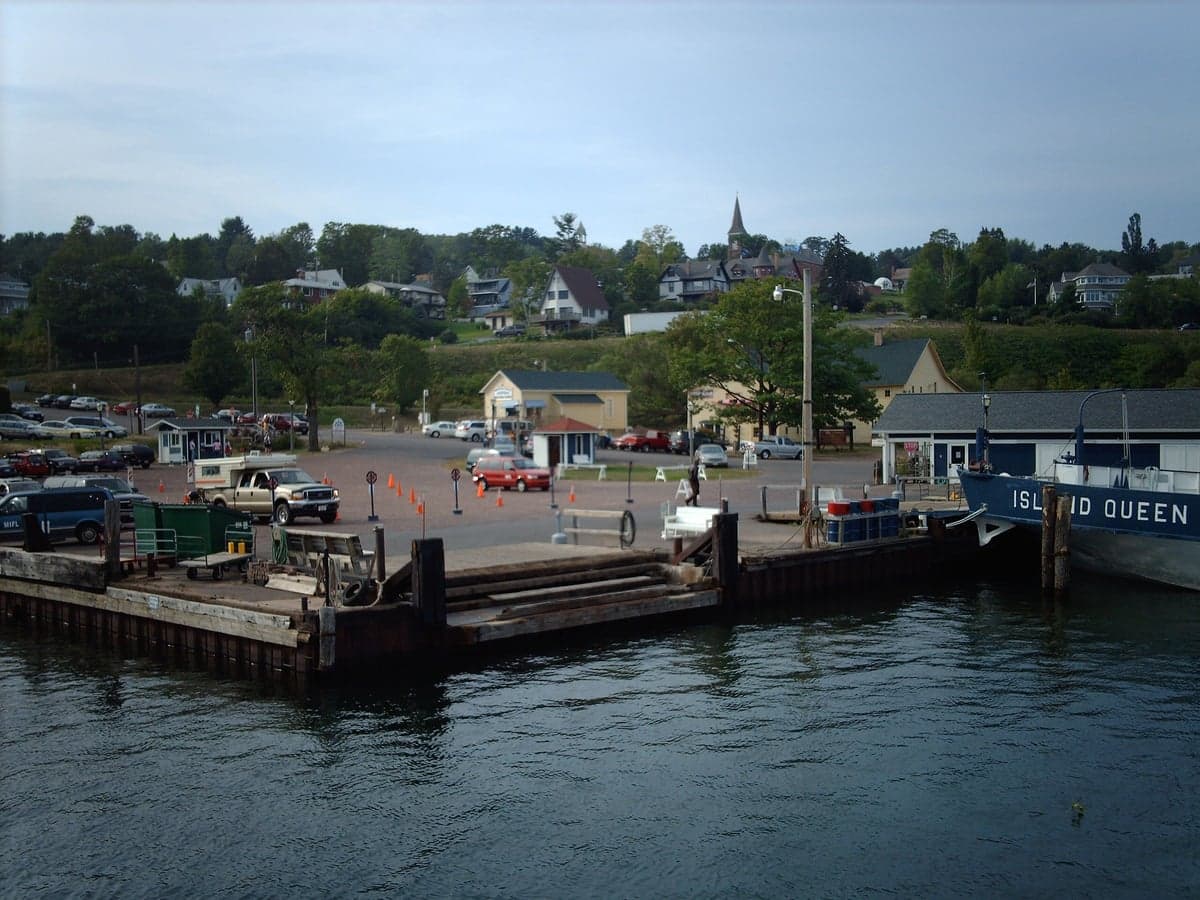
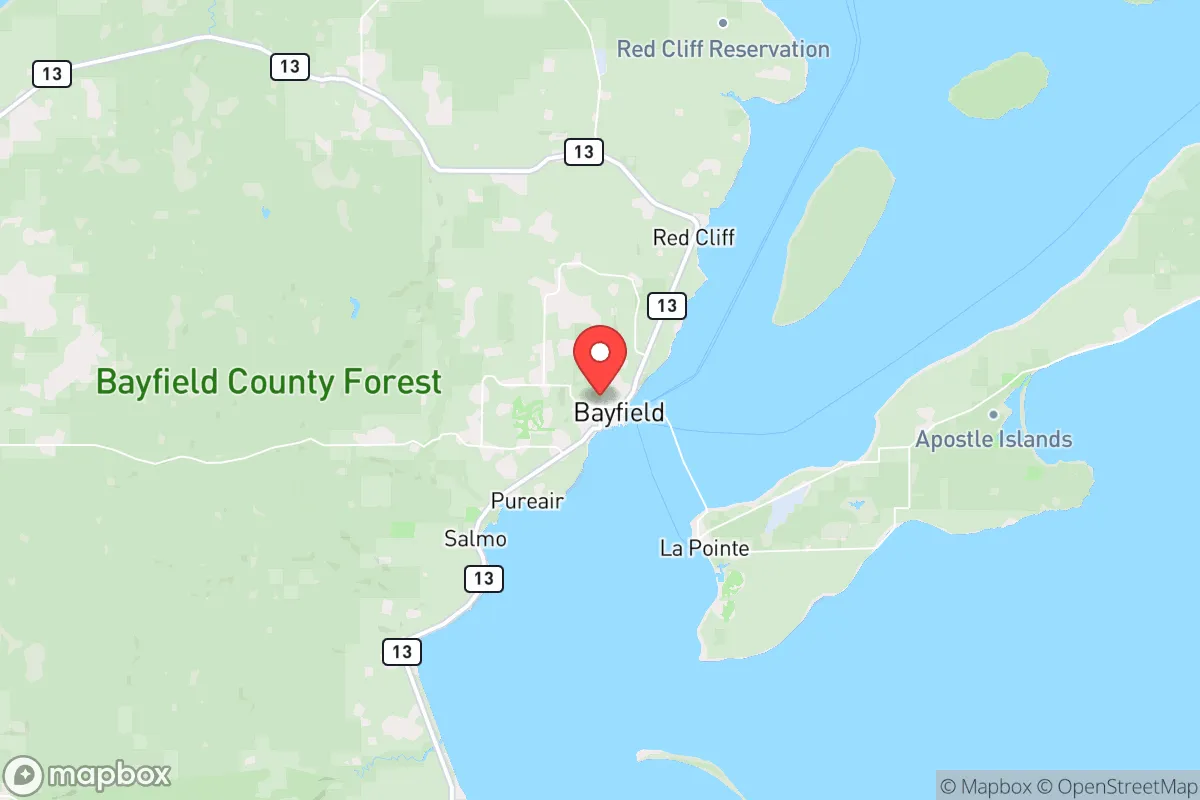
Photo: Wikipedia
Quality of Life in Bayfield, WI
Above-average quality of iife. The area offers a reasonable cost of living, decent mobility, and a mix of neighborhood amenities.
What does Quality of Life tell us?
Quality of Life blends cost of living, nearby amenities, socioeconomic signals, and neighborhood character. City-level scores represent the whole municipality; individual neighborhoods can differ.
What does this tell us?
Quality of Life blends cost of living, nearby amenities, socioeconomic signals, and neighborhood character. City-level scores represent the whole municipality; individual neighborhoods can differ.
Cost of Living
4% below national average
The Real Cost of Living in Bayfield, WI for 2026
| Tier | Individual | Family (4) |
|---|---|---|
| Survival | $16k | $31k |
| Comfortable | $59k | $87k |
| Luxury | $90k+ | $139k+ |
| Elite (Top 5%) | $106k+ | $164k+ |
73%
The Area Signal
A metric tracking the socioeconomic signals of the area.
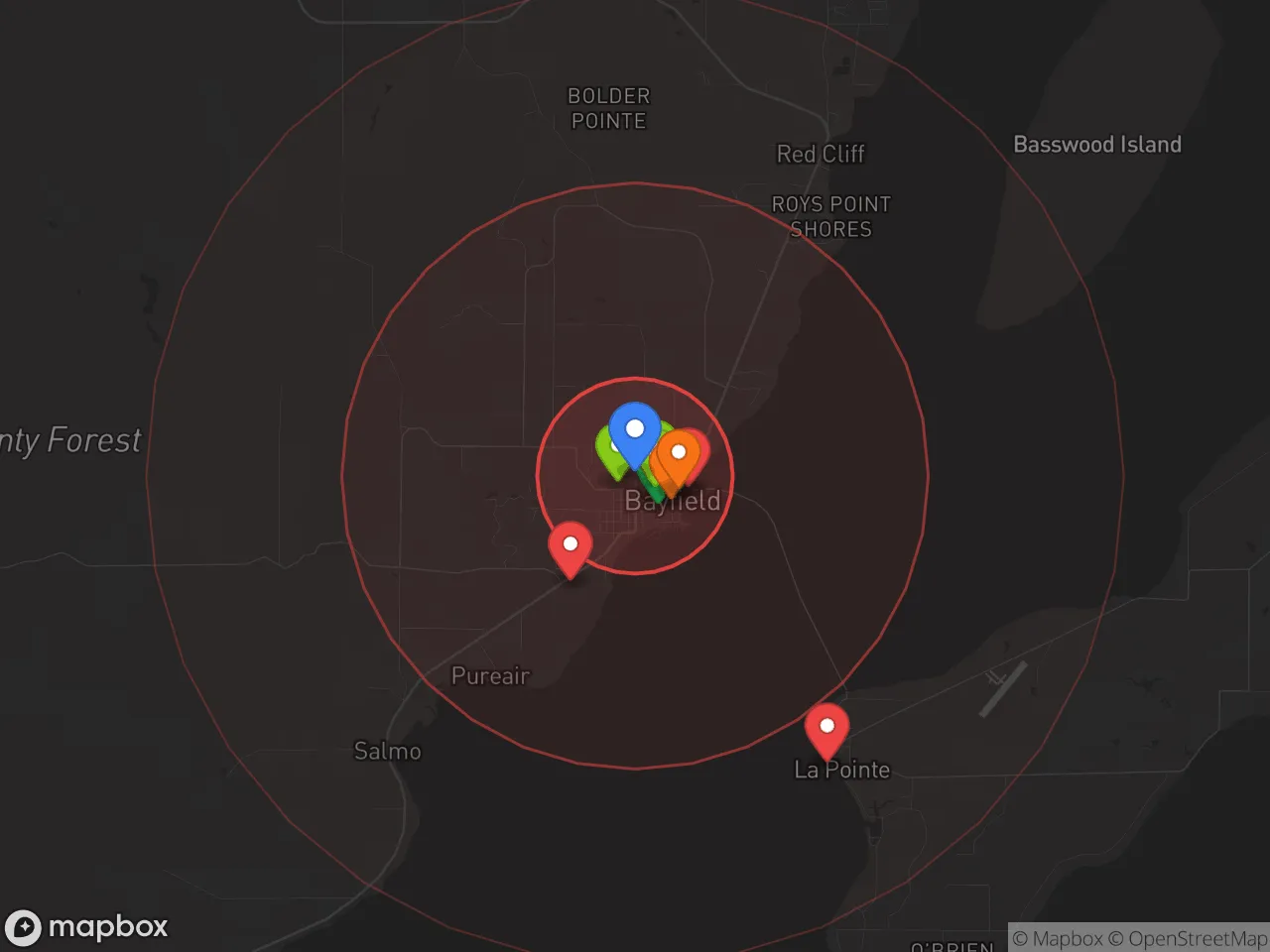
Hobbies
Explore the areaGroceries
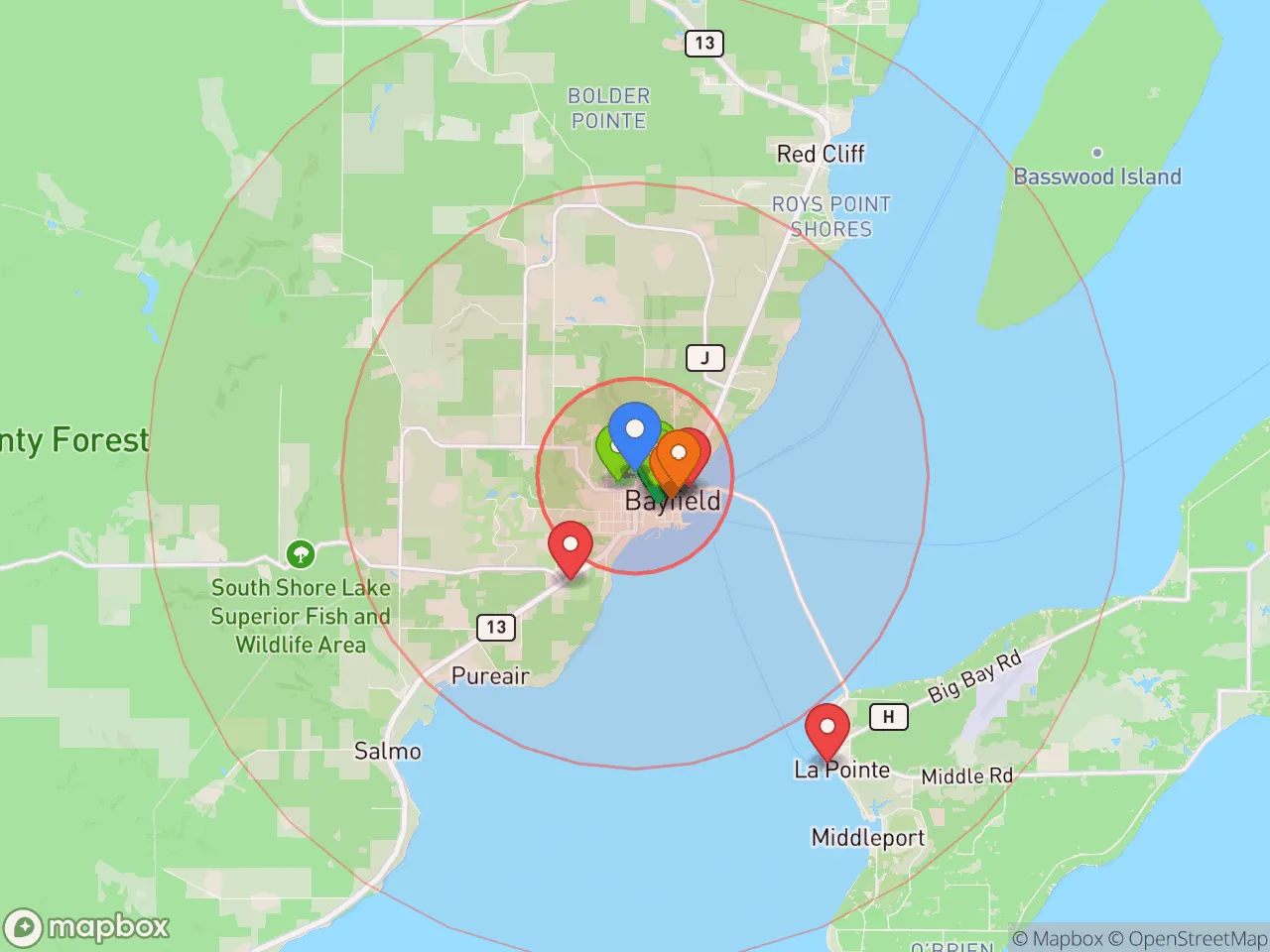
0 within 10 miles
Gas
2 within 10 miles
Hospital
1 within 20 miles
Airport
JFK — John F. Kennedy Memorial
Post Office
USPS — Bayfield, WI
Critical Amenities
Quality-of-Life Analysis
Bayfield, Wisconsin, is a small, affluent Lake Superior community where the cost of living sits slightly below the national average, attracting a mix of retirees, second-home owners, and remote workers who prioritize natural beauty over urban convenience. With a cost-of-living index of 96 (100 = U.S. average), the town offers a rare balance of relative affordability within a high-amenity lakeside setting, though housing prices reflect its desirability. The population of roughly 500 year-round residents swells significantly in summer, creating a seasonal rhythm that defines daily life.
Cost of living, housing prices, and affordability compared to nearby towns
Bayfield’s cost-of-living index of 96 is slightly below the national average, but housing tells a more nuanced story. The median home value of $304,800 is significantly higher than in nearby inland towns like Washburn (median ~$220,000) or Ashland (~$175,000), reflecting Bayfield’s premium for lakefront access and historic character. Renters fare better: the median rent of $1,021 is reasonable for the region and well below the national median of roughly $1,400. Groceries and utilities are on par with Wisconsin averages, though seasonal tourism can drive up prices at local markets and restaurants during peak months. The average commute of 22.2 minutes is manageable, with most residents working in Bayfield itself, in Ashland (15 miles south), or remotely. Property taxes in Bayfield County are moderate, but the town’s status as a tourist destination means short-term rental regulations and seasonal demand can affect long-term housing availability.
Local amenities, schools, and what daily life is like for residents
Daily life in Bayfield revolves around Lake Superior and the Apostle Islands National Lakeshore. The town’s walkable downtown features independent shops, art galleries, and restaurants like the Old Rittenhouse Inn and Maggie’s, but lacks a full-service grocery store (the nearest is in Washburn, 10 minutes away). The Bayfield School District serves roughly 300 students K-12, with a student-teacher ratio of about 12:1 and strong community support, though high school students often participate in cooperative sports and programs with neighboring Washburn. Healthcare is limited: the closest hospital is Memorial Medical Center in Ashland (20 minutes), while specialist care requires a 90-minute drive to Duluth, Minnesota. Internet access is improving, with fiber-optic service available in town, supporting the growing remote-worker population. The seasonal rhythm is pronounced: summer brings sailing, kayaking, and the Bayfield Apple Festival (October), while winter shifts to ice fishing, skiing at Mount Ashwabay (10 minutes away), and a quieter social scene.
Bayfield is best suited for those who value outdoor recreation, small-town community, and a slower pace, and who can tolerate limited services and seasonal tourism. Retirees, remote workers with stable incomes, and families who prioritize nature over urban amenities will find the quality of life high, especially if they can afford the housing premium. Those needing frequent medical care, diverse employment options, or year-round bustle may find the trade-offs challenging. For the right resident, Bayfield offers a rare combination of Lake Superior beauty, walkable charm, and relative affordability within a stunning natural setting.

Crime in Bayfield, WI
Lower crime rates than 77% of comparable U.S. locations.
Violent CrimeViolent Crime Analysis
Property CrimeProperty Crime Analysis
Crime Analysis
Bayfield, Wisconsin, presents a mixed safety profile for prospective residents. The city’s violent crime rate of 168.6 incidents per 100,000 people is notably lower than the national average, while its property crime rate of 1,855 per 100,000 sits slightly above the national benchmark. However, the overall safety picture is complicated by the broader judicial and prosecutorial environment in northern Wisconsin, which leans progressive and prioritizes rehabilitation over incarceration—a philosophy that can lead to higher recidivism and more offenders cycling back onto the streets.
Crime in context
Bayfield’s violent crime rate is roughly 55% lower than the U.S. average, placing it among safer small towns for personal safety. Property crime, however, runs about 15% higher than the national rate, driven largely by thefts and vehicle break-ins during the busy tourist season. Compared to the state of Wisconsin, which reports a violent crime rate of approximately 290 per 100,000 and a property crime rate near 1,600 per 100,000, Bayfield is safer for violent offenses but slightly riskier for property crimes. The city’s small population (roughly 500 year-round residents) means that even a handful of incidents can skew the per-capita numbers, so these figures should be interpreted with caution.
What residents experience
Year-round residents report that violent crime is rare and typically involves disputes among known individuals rather than random attacks. Theft from vehicles, especially unlocked cars parked near the waterfront or at trailheads, is the most common nuisance. A more systemic concern is the judicial approach in Bayfield County and the surrounding 10th Judicial District, where progressive judges and district attorneys often favor diversion programs, deferred prosecution, and reduced sentencing for property and drug offenders. While intended to reduce incarceration, this approach can result in repeat offenders remaining in the community, eroding the sense of security for victims and law-abiding residents. The Bayfield Police Department, with only a handful of officers, relies heavily on the Bayfield County Sheriff’s Office for backup, and response times can be slow in remote areas.
Neighborhood-level variation
Safety varies noticeably within Bayfield. The historic downtown core and Rittenhouse Avenue corridor see higher foot traffic and police presence, making them relatively safe during daylight hours. The residential streets east of Highway 13, particularly around Manypenny Avenue and Wilson Avenue, experience fewer incidents overall. In contrast, the outlying areas along County Highway J and the Apostle Islands National Lakeshore access points see occasional vehicle break-ins and trespassing, especially during summer weekends. The seasonal population surge—from 500 to over 5,000 in peak summer—strains local resources and correlates with a spike in property crimes. For those considering a move, choosing a home with off-street parking and good visibility from neighbors can mitigate the most common risks.
* Values derived from national, state, county, city and local statistics and may differ in a specific area. Last updated: 2026-10-20T08:04:13.000Z
Narrative content on this page is AI-generated and may contain mistakes. Verify any details that matter before acting on them.
ReloMaps may earn a commission from affiliate links at no extra cost to you.

