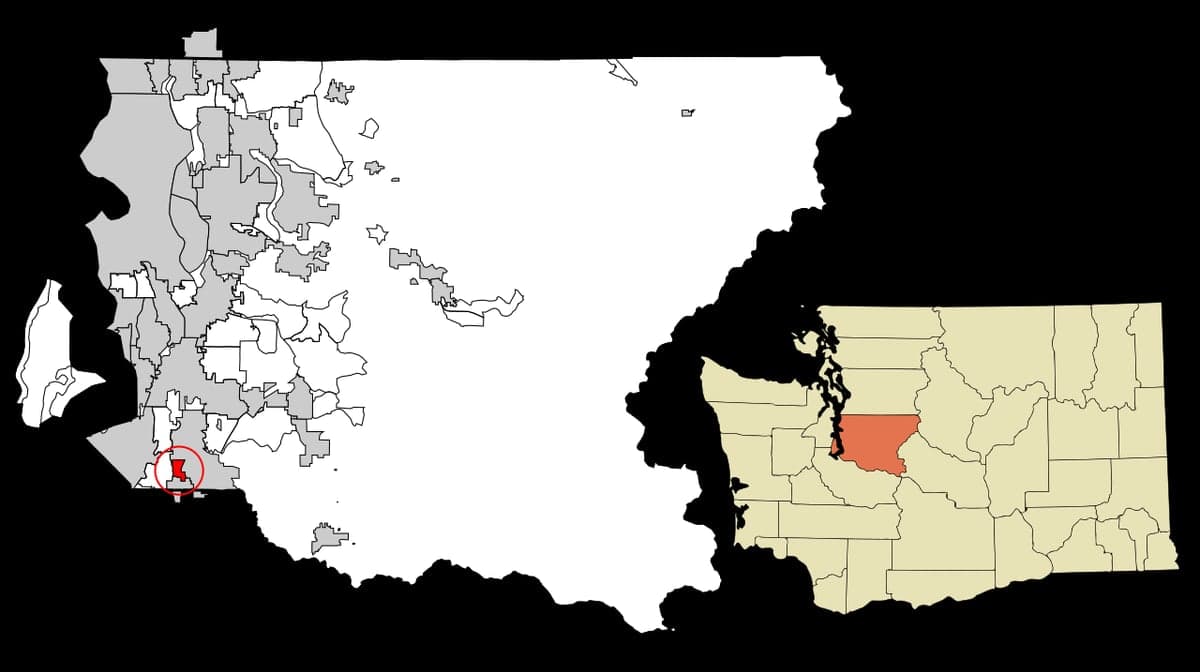
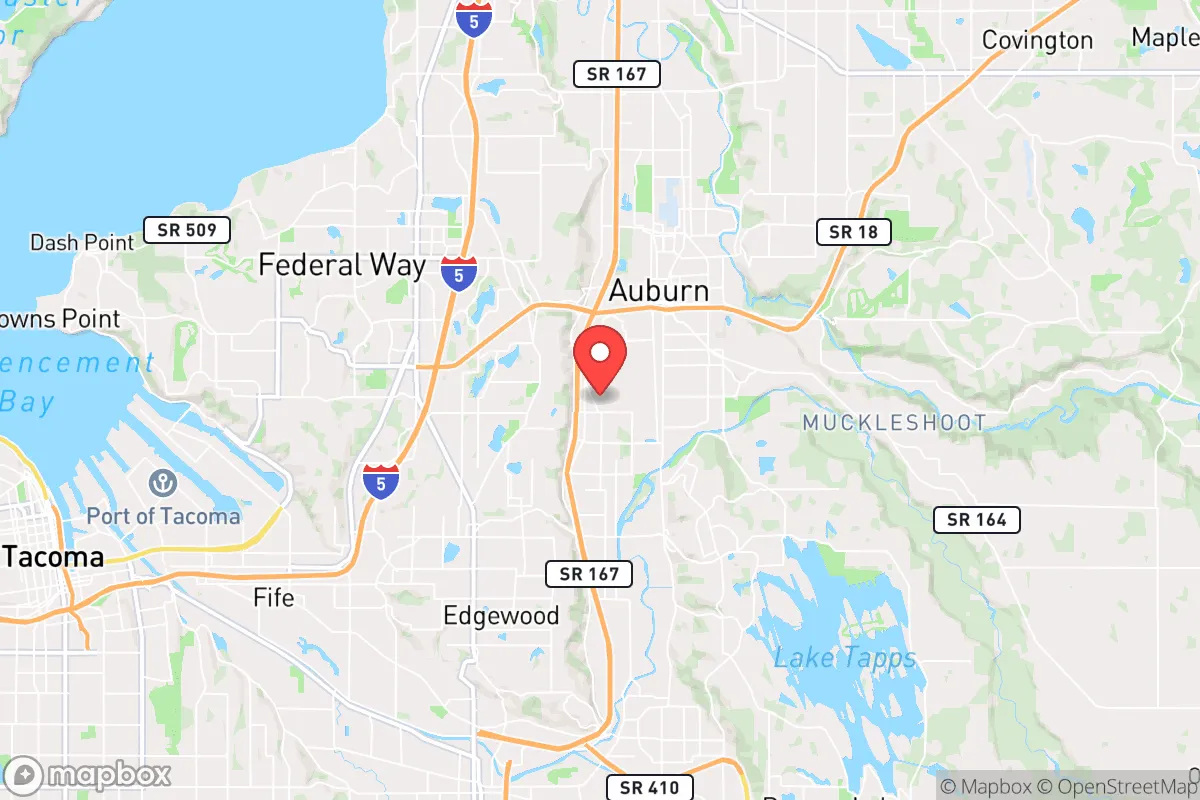
Photo: Wikipedia
Find The Best Places To Live
in Algona
PRO TIP! You can paste a Zillow or Redfin link to get info on that property.
What It's Like Living in Algona, WA
Algona, Washington, is one of those small towns that feels like it’s been quietly minding its own business while the rest of the Seattle-Tacoma metro area exploded around it. With just over 3,200 residents, it’s a working-class pocket of single-family homes, corner stores, and a Main Street that still has a hardware store and a diner. You don’t end up in Algona by accident—you either grew up here, found an affordable house when everywhere else was out of reach, or you work at one of the nearby industrial parks and wanted a 10-minute commute instead of a 45-minute one.
The Daily Rhythm: What People Actually Do
Most mornings in Algona start with a commute that averages about 28 minutes—long enough to finish a podcast, short enough that you’re not resentful. The town sits right off Highway 167, so people head north to Boeing in Renton or south to the warehouses and logistics centers in Sumner and Puyallup. By 5 p.m., the streets fill back up with kids on bikes and neighbors walking dogs. The median age here is 32.5, which means you’ve got a lot of young families and early-career tradespeople. You won’t find a Whole Foods or a craft cocktail bar; the grocery scene is a Safeway in nearby Auburn and a couple of Mexican markets that sell excellent carnitas by the pound. Friday nights are high school football at Algona Middle School’s field, and Saturday mornings are for yard work or a trip to the Auburn Farmers Market, five minutes up the road.
The kind of person who fits in here values space and quiet over nightlife. The median household income is $84,583, which goes further than it would in Seattle proper—though the cost of living index sits at 153, meaning you’re still paying a premium for being within striking distance of the city. A median home value of $413,000 is a steal by King County standards, but it’s not cheap for a town with no downtown core to speak of. Residents tend to be pragmatic: they’ll drive 15 minutes for a nice dinner but are perfectly happy with a burger at the Algona Pub & Eatery, the local watering hole where the jukebox leans toward classic rock and the regulars know your name by the second visit.
Sports, Community, and the Local Identity
Algona doesn’t have its own high school—kids attend Auburn High or Auburn Riverside, both of which have solid athletic programs. Football is the big deal here, especially during the fall when the Auburn Trojans are in playoff contention. You’ll see more Seahawks flags than any college team, and the local sports bar (the aforementioned Algona Pub) gets packed for Sunday games. There’s no pro team in town, but Seattle’s major franchises are an hour north, so you’re close enough to catch a Mariners game or a Sounders match without living in the noise.
The town’s identity is wrapped up in its smallness. There’s no annual festival that draws crowds from outside—the big event is the Algona Community Picnic in August, hosted by the city at Lions Park. It’s exactly what it sounds like: hot dogs, a bounce house, and a lot of people who’ve known each other since kindergarten. That’s the cultural quirk here—Algona is a place where your mail carrier knows your dog’s name, and the city council meetings are genuinely attended by residents who care about the speed bump on Ellingson Road. It’s not hip, and it doesn’t try to be. The local identity is proudly blue-collar, with a heavy dose of Pacific Northwest stoicism: people are friendly but not pushy, and they’ll help you jump-start your car without expecting a thank-you.
What’s There to Do (and What’s Frustrating)
Entertainment is mostly outdoor and low-key. Lions Park has a playground, baseball fields, and a walking loop that’s busy with strollers and retirees. The Interurban Trail runs through town, connecting Algona to Pacific and Auburn on a paved path popular for biking and running. For a real outdoor fix, you’re 20 minutes from Flaming Geyser State Park (yes, there’s a small methane flame coming out of the ground) or 40 minutes from the hiking trails of Mount Rainier National Park. Music venues are nonexistent in Algona—you drive to Tacoma’s Spanish Ballroom or Auburn’s Avenue Theater for live shows. Restaurants are limited: there’s a decent teriyaki spot, a taqueria that does solid al pastor, and the pub. That’s about it. If you want variety, you’re heading to Auburn or Federal Way.
The pros are straightforward: affordable housing (relatively), a real sense of community, and a commute that won’t ruin your day. The cons are equally clear. The violent crime rate is 281.8 per 100,000—higher than the national average and something residents will mention if you ask. It’s not a dangerous town, but there’s property crime and occasional incidents that make people lock their cars. Traffic on 167 can back up badly during construction season, and the lack of local shopping means you’re driving for almost every errand. Only 15.5% of adults have a college degree, which reflects the town’s trade-heavy workforce—a pro if you’re a welder or electrician, a con if you’re hoping for a book club or a tech meetup. The schools are part of the Auburn district, which is mixed: some elementary schools are well-rated, but the high schools face the same funding challenges as most suburban districts in Washington.
Seasonal rhythms are classic Pacific Northwest: gray and drizzly from October through May, with a glorious stretch of 75-degree days in July and August when everyone suddenly remembers why they live here. Winter is dark but not brutally cold—you’ll get a week or two of snow that shuts everything down, then it’s back to rain. The weather is a fact of life, not a conversation starter. People here are used to it, and they don’t complain much. That sums up Algona: a no-drama town where you trade urban convenience for a front porch and neighbors who wave. It’s not for everyone, but for the people who live here, it’s exactly right.

Similar small towns to Algona
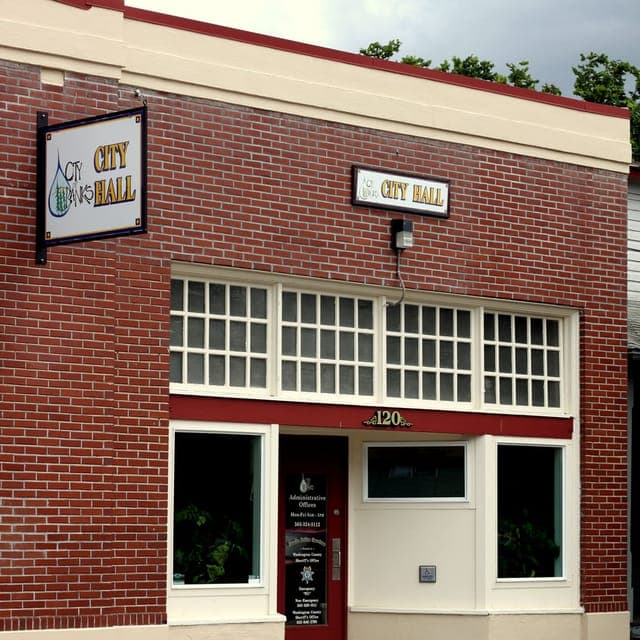
* Values derived from national, state, county, city and local statistics and may differ in a specific area. Last updated: 2026-09-03T05:10:55.000Z
Narrative content on this page is AI-generated and may contain mistakes. Verify any details that matter before acting on them.
ReloMaps may earn a commission from affiliate links at no extra cost to you.

