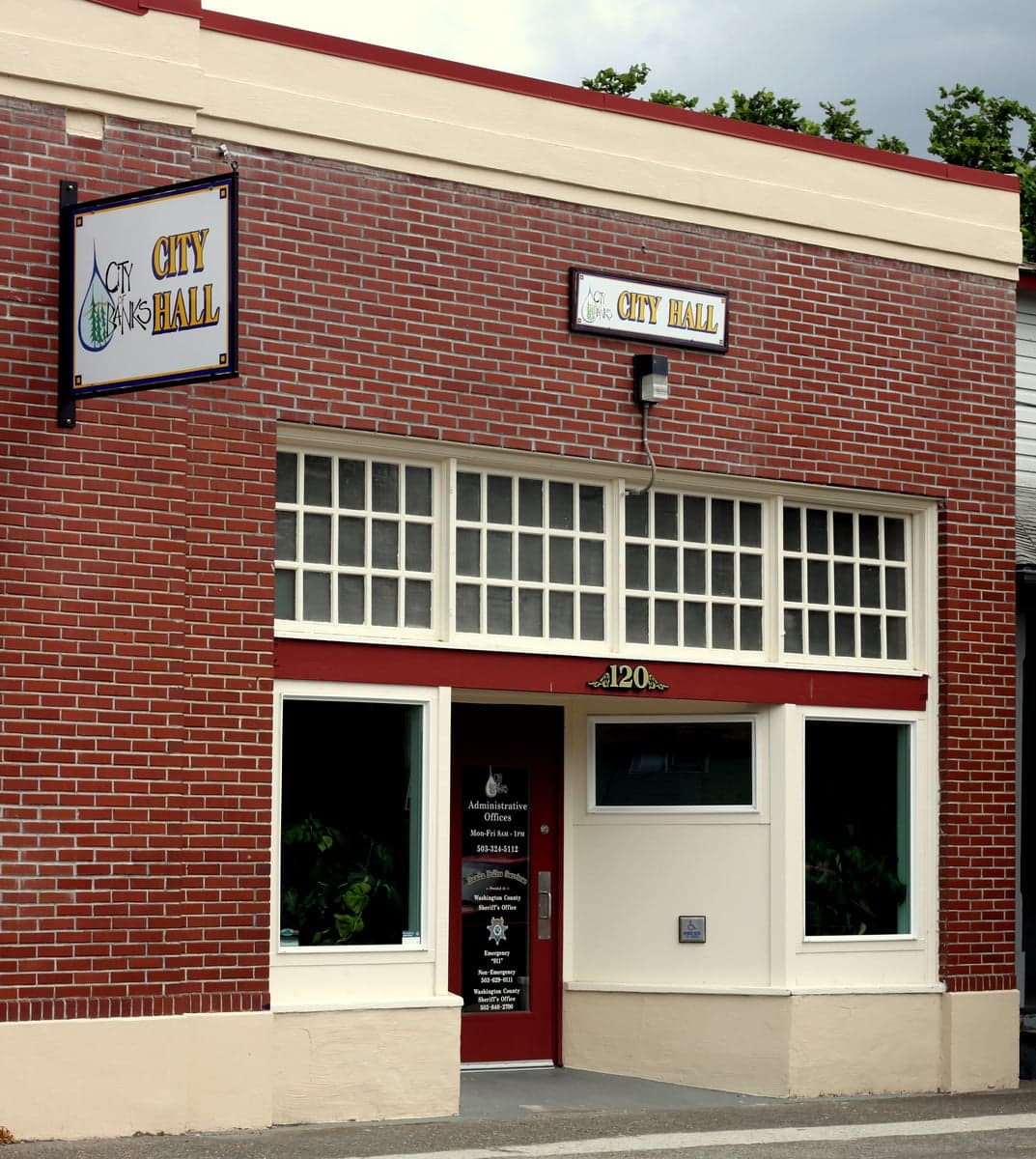
Photo: Wikipedia
Find The Best Places To Live
in Banks
PRO TIP! You can paste a Zillow or Redfin link to get info on that property.
What It's Like Living in Banks, OR
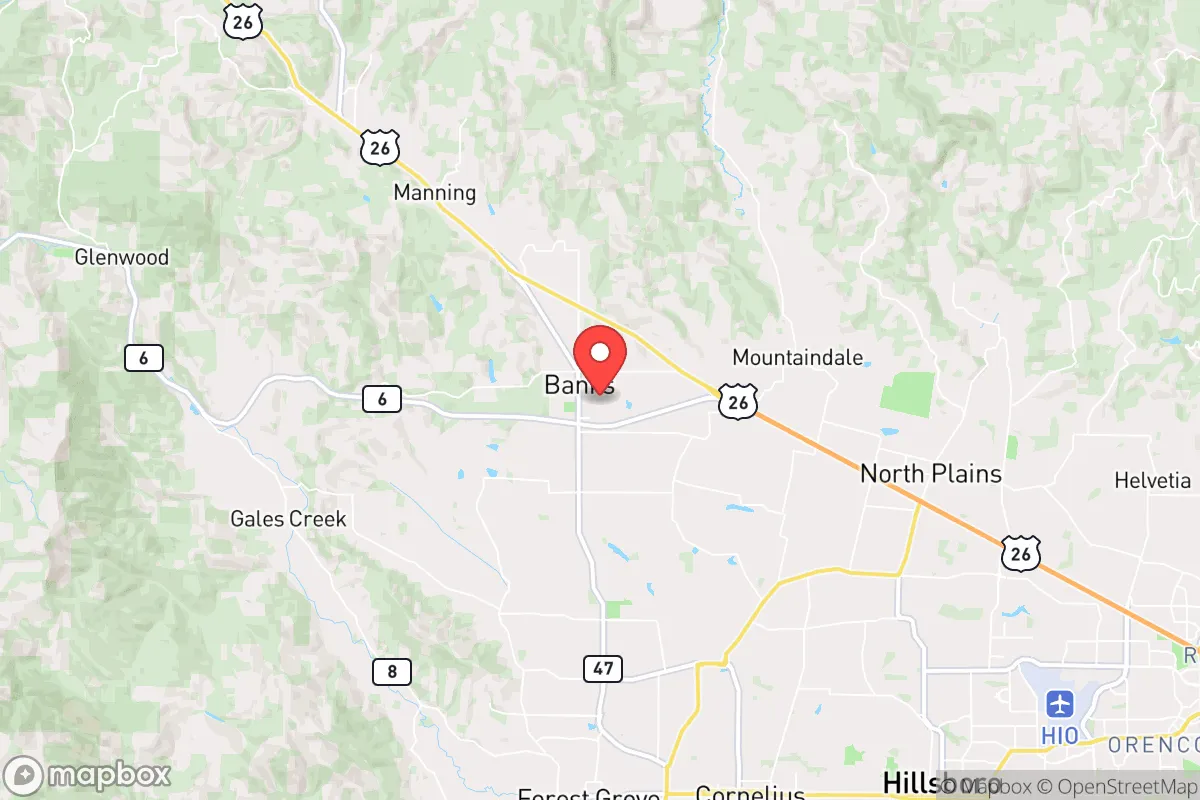
Banks, Oregon, feels like a place where people choose to live deliberately—a small, tight-knit community of just over 2,000 residents where the pace slows down and neighbors actually know each other’s names. It’s the kind of town where you wave to the same folks at the grocery store, where the high school football game on a Friday night is the main event, and where the biggest frustration is often the 28-minute commute to Portland or Hillsboro. If you’re looking for a quiet, family-oriented base with easy access to the coast and the city, Banks offers a genuine small-town experience that’s increasingly hard to find in the Portland metro area.
Daily Rhythm: What Life Actually Looks Like
Life in Banks revolves around a few key anchors: work, school, and the outdoors. With a median age of 34.8 and a median household income of $84,651, the population skews toward young families and established professionals who’ve traded a shorter commute for more space and a slower pace. Most residents work in nearby Hillsboro, Beaverton, or Portland—home to major employers like Intel, Nike, and various tech and healthcare firms—so the daily grind involves a drive that can feel longer than the mileage suggests, especially during peak hours. The average commute of about 28 minutes is a trade-off most accept willingly; the reward is coming home to a town where traffic jams mean waiting for a tractor to pass.
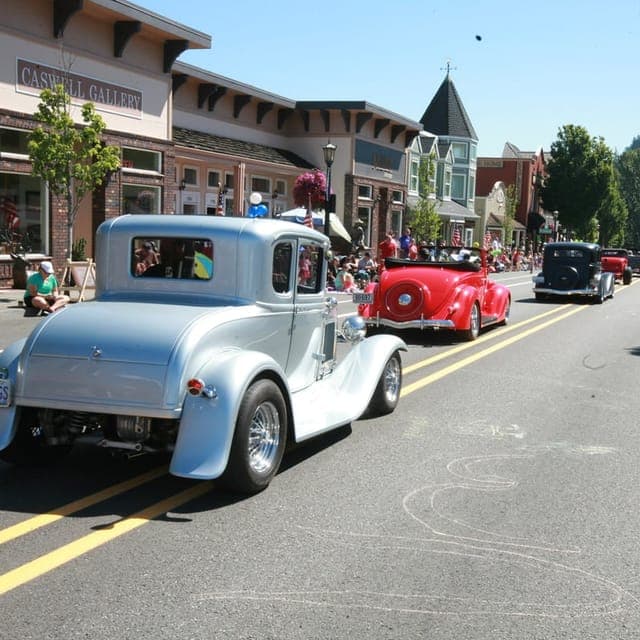
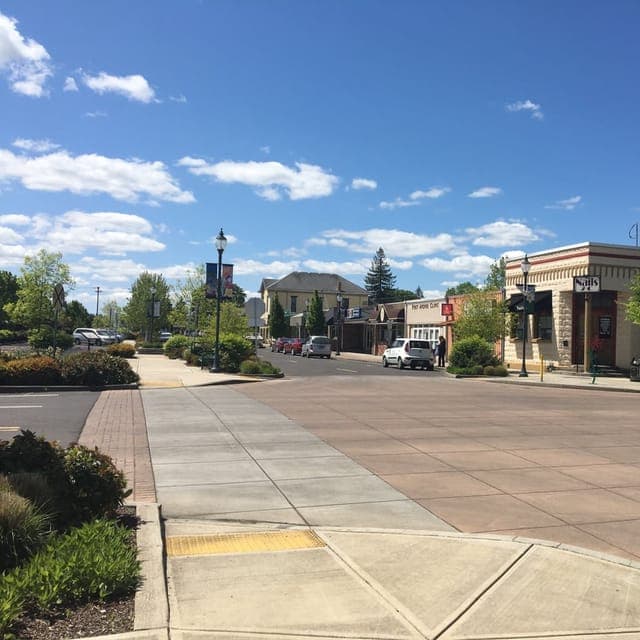
Weekends are spent at local parks like Banks City Park or the nearby Banks-Vernonia State Trail, a 21-mile paved rail-trail perfect for biking, walking, or horseback riding. The Banks Fire District’s annual pancake breakfast and the Fourth of July parade are community staples, drawing nearly everyone out of their homes. For groceries and daily errands, you’ll head to the local market or make the short drive to Hillsboro for big-box stores. Dining out is limited but charming—think Banks Bar & Grill for a burger and a beer, or El Tapatio for reliable Mexican food. There’s no Starbucks, no chain restaurants within town limits, and that’s part of the appeal for those who want to escape the strip-mall sameness.
Sports, Community, and the School as a Hub
If there’s one institution that binds this town together, it’s the Banks High School Braves. Friday night football in the fall is a genuine community event—parents, grandparents, and even childless couples pack the bleachers, and the energy is palpable. The Braves’ football program has a strong tradition, and the entire school district (Banks School District 13) is a point of pride, with small class sizes and a reputation for solid academics. For college sports, most locals gravitate toward the Oregon Ducks or Oregon State Beavers, but the high school team is the true local obsession. There’s no pro sports team in town, but Portland’s Trail Blazers, Timbers, and Thorns are a 40-minute drive away for those who want a big-league fix.
The school isn’t just for sports—it’s the social and cultural center. The annual Banks Harvest Festival, held in September, features a parade, craft vendors, and a community dinner, all organized with heavy school and volunteer involvement. The town’s cultural quirks are subtle but real: people here are proud of their independence, a bit wary of outsiders at first, but fiercely loyal once you’re in. You’ll see American flags on porches, trucks with gun racks, and a general “live and let live” attitude that leans conservative but isn’t hostile. It’s a place where 33.5% of adults hold a college degree—lower than the Portland metro average—but where practical skills and neighborly reliability are valued just as highly.
What’s There to Do: Outdoors, Festivals, and the Occasional Night Out
Entertainment in Banks is largely self-made and outdoorsy. The Banks-Vernonia State Trail is the crown jewel, offering easy access to hiking, trail running, and cycling through lush forest and farmland. The nearby Coast Range provides quick trips to the Oregon coast (about an hour to Cannon Beach or Seaside), and the Sunset Highway (US 26) makes it a straight shot. For a night out, options are limited: the Banks Bar & Grill is the de facto social hub, where you’ll find locals nursing a beer and catching up on gossip. The Banks Community Center hosts occasional events like bingo nights and craft fairs. If you want live music or a proper restaurant scene, you’re driving to Hillsboro or Portland—that’s a given.
The biggest annual event is the Banks Fourth of July Celebration, which includes a parade, a fireworks show, and a community picnic that feels like a Norman Rockwell painting. The Banks Fire District’s pancake breakfast in the spring is another beloved tradition. For a town of 2,092, the calendar is surprisingly full, but it’s all volunteer-driven and low-key. There’s no movie theater, no bowling alley, no mall—just a quiet, self-sufficient community that prioritizes family time and outdoor recreation over commercial entertainment.
Pros and Cons: The Honest Trade-Offs
Living in Banks comes with clear upsides and equally clear frustrations. Here’s what longtime residents typically point out:
- Pro: Genuine community feel. People look out for each other. You’ll know your neighbors, and the schools are small enough that teachers know every student by name.
- Pro: Access to nature. The Banks-Vernonia Trail, nearby state forests, and quick drives to the coast or the Cascade Range make it an outdoor enthusiast’s dream.
- Pro: Affordable homes (relatively). The median home value of $430,200 is steep by national standards but significantly cheaper than Portland’s median of around $550,000. For a single-family home with land, it’s a decent deal.
- Con: Limited amenities. No grocery store (the local market is small), no urgent care, no sit-down restaurants beyond a couple of options. You’ll drive for almost everything beyond the basics.
- Con: The commute. That 28-minute average is optimistic during rush hour. Highway 26 can back up, and winter weather (occasional ice or snow) can turn a short drive into a slog.
- Con: Higher cost of living. The cost of living index of 145 (45% above the national average) is driven by housing and transportation costs. It’s not cheap to live here, even if it’s cheaper than Portland proper.
- Con: Quiet social scene. If you’re single and under 30, the dating pool is tiny, and the nightlife is essentially nonexistent. This is a town for families and people who value solitude.
The violent crime rate of 109.3 per 100,000 is low—roughly half the national average—and property crime is similarly minimal. It’s a safe place where kids can ride bikes to the park and doors are often left unlocked. The weather follows the classic Pacific Northwest pattern: mild, wet winters (lots of gray drizzle from November through March) and warm, dry summers that make the outdoor lifestyle shine. Seasonal rhythms are dictated by school schedules, harvest time, and the occasional snow day that shuts everything down for a day or two.
Banks isn’t for everyone. It’s for people who value quiet, space, and community over convenience and nightlife. It’s for families who want their kids to grow up in a place where everyone knows their name, and for outdoor lovers who don’t mind a drive for a good meal. If that sounds like you, Banks might feel less like a compromise and more like exactly what you were looking for.

Similar small towns to Banks

* Values derived from national, state, county, city and local statistics and may differ in a specific area. Last updated: 2026-10-02T13:43:37.000Z
Narrative content on this page is AI-generated and may contain mistakes. Verify any details that matter before acting on them.
ReloMaps may earn a commission from affiliate links at no extra cost to you.

