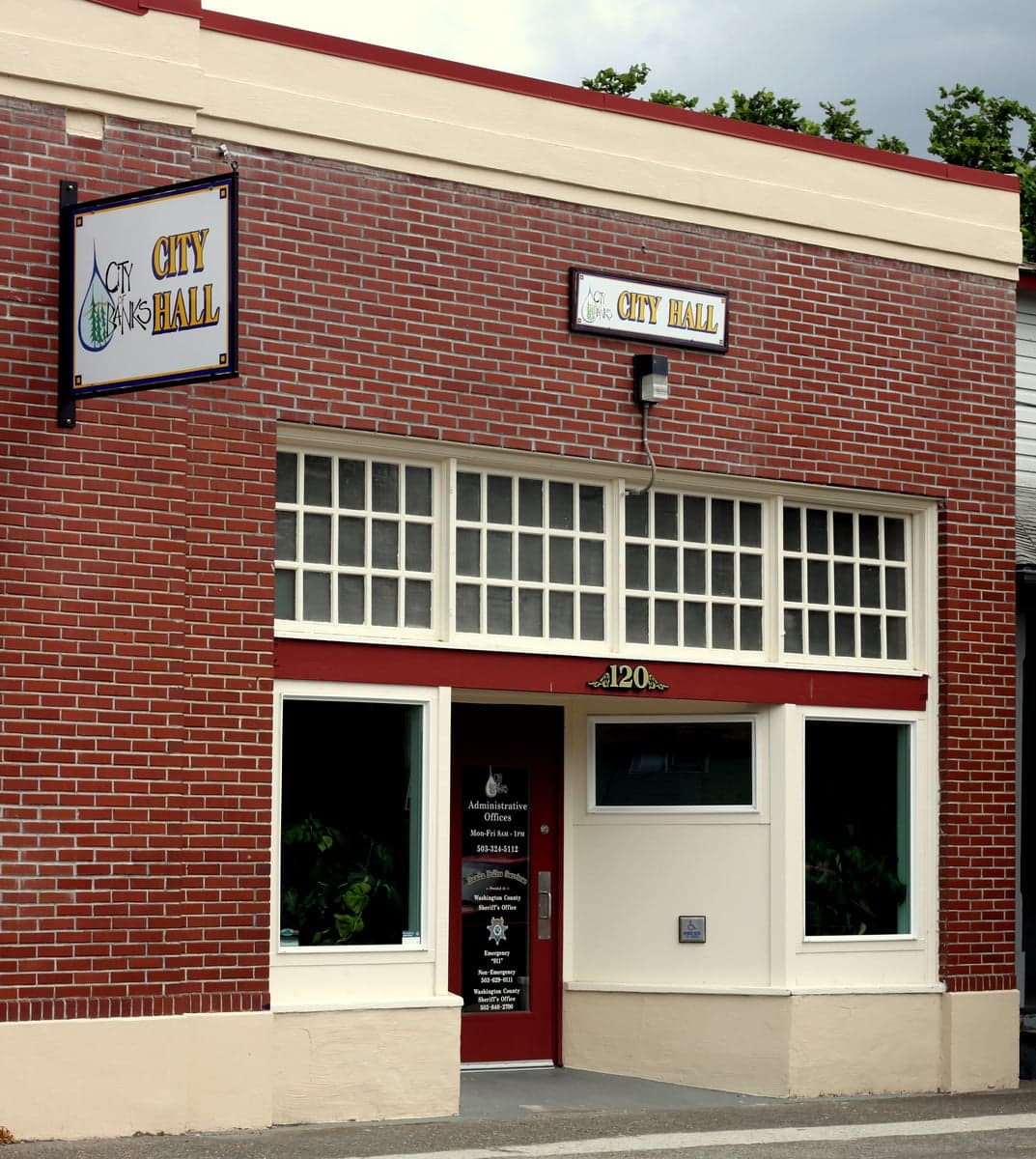
Photo: Wikipedia
Quality of Life in Banks, OR
Above-average quality of iife. The area offers a reasonable cost of living, decent mobility, and a mix of neighborhood amenities.
What does Quality of Life tell us?
Quality of Life blends cost of living, nearby amenities, socioeconomic signals, and neighborhood character. City-level scores represent the whole municipality; individual neighborhoods can differ.
What does this tell us?
Quality of Life blends cost of living, nearby amenities, socioeconomic signals, and neighborhood character. City-level scores represent the whole municipality; individual neighborhoods can differ.
Cost of Living
45% above national average
The Real Cost of Living in Banks, OR for 2026
| Tier | Individual | Family (4) |
|---|---|---|
| Survival | $26k | $49k |
| Comfortable | $82k | $121k |
| Luxury | $120k+ | $186k+ |
| Elite (Top 5%) | $141k+ | $219k+ |
70%
The Area Signal
A metric tracking the socioeconomic signals of the area.
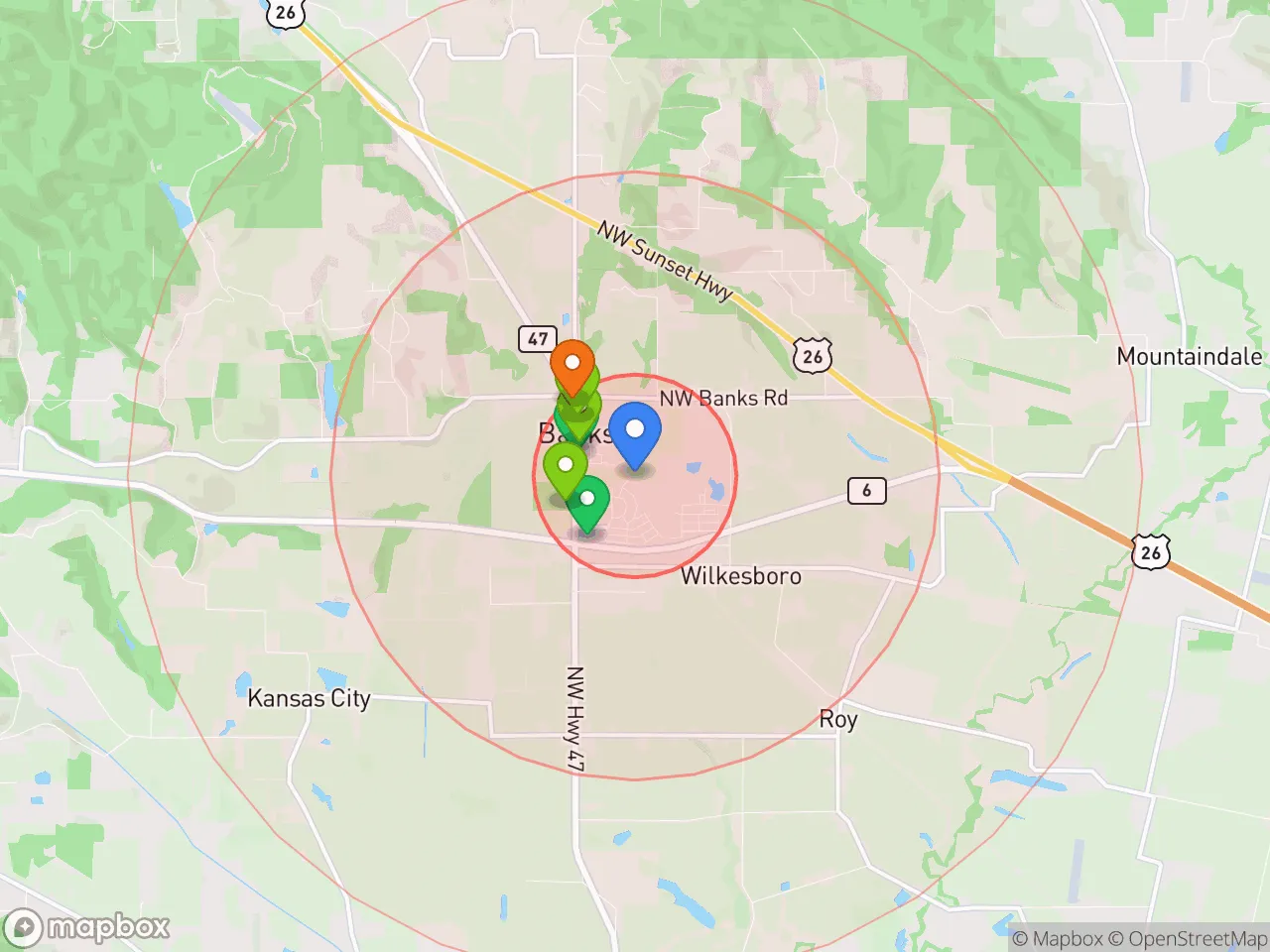
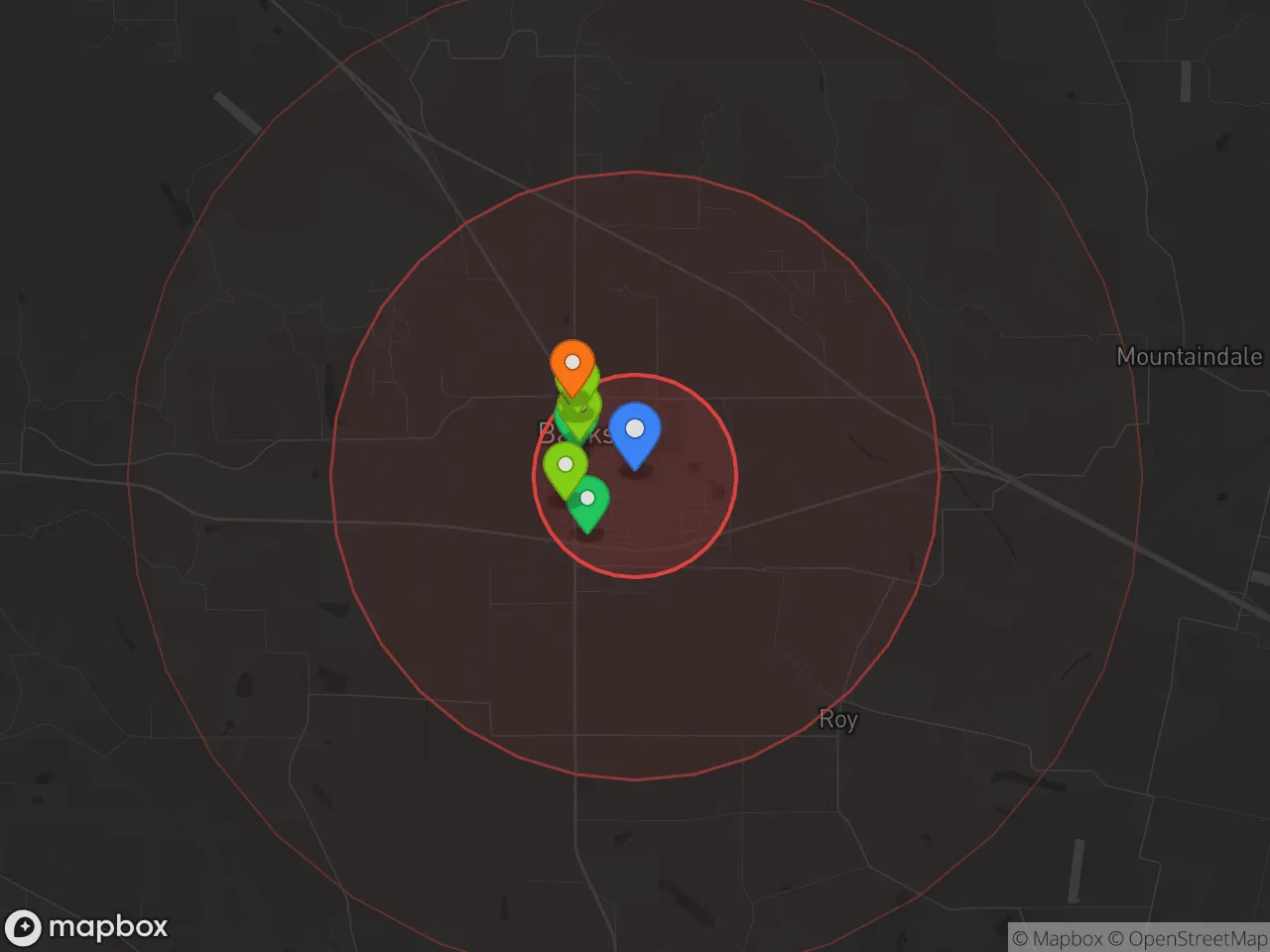
Hobbies
Explore the areaGroceries
6 within 10 miles
Gas
20 within 10 miles
Hospital
4 within 20 miles
Airport
PDX — Portland International
Post Office
USPS — Banks, OR
Critical Amenities
Quality-of-Life Analysis
Banks, Oregon, is an affluent bedroom community where the cost of living index of 145 (45% above the U.S. average) reflects its desirability among families and professionals who commute to the Portland metro area. The town's population skews toward homeowners and households with children, drawn by a rural feel within easy reach of urban jobs. With a median home value of $430,200 and median rent of $1,634, Banks offers a price point that sits between pricier Portland suburbs and more remote rural towns.
How housing costs and affordability compare to Portland and surrounding towns
Banks' median home value of $430,200 is roughly 22% below Portland's citywide median of about $550,000, yet still well above the national average. Renters face a median of $1,634 per month, which is competitive with nearby Forest Grove ($1,550) but higher than towns further west such as Vernonia. The overall cost of living index of 145 is driven primarily by housing and transportation; groceries and healthcare are closer to the national baseline. For context, Washington County's overall COL index is roughly 135, making Banks one of the more expensive enclaves in the county. The average commute of 28.3 minutes is shorter than many Portland exurbs (e.g., North Plains averages 32 minutes), thanks to direct access via Highway 6 and the Banks–Vernonia Highway. Commuters typically head east to Hillsboro's tech corridor or into Portland proper.
Schools, local amenities, and the daily rhythm of life in Banks
Banks is served by the Banks School District, which consistently outperforms state averages on standardized tests and graduation rates. The K-12 system is a major draw for families, with small class sizes and a strong community identity. Daily life revolves around a compact downtown that includes a grocery store, library, a handful of restaurants, and a post office. Most retail shopping, medical services, and entertainment require a 15-minute drive to Hillsboro or a 30-minute drive to Beaverton or Portland. Outdoor recreation is a key amenity: the Banks-Vernonia State Trail runs directly through town, offering 21 miles of paved rail-trail for biking, walking, and horseback riding. The town's quiet, low-crime character and annual events like the Banks Fire Department's community barbecue reinforce a tight-knit, family-oriented rhythm.
Families seeking a safe, small-town environment with strong schools and a manageable commute to Portland's job centers will find Banks an ideal fit. Retirees and outdoor enthusiasts also appreciate the proximity to the Coast Range and the quiet pace. However, those who prioritize urban nightlife, extensive shopping, or lower housing costs may prefer more central locations like Hillsboro or Forest Grove.

Crime in Banks, OR
Lower crime rates than 87% of comparable U.S. locations.
Violent CrimeViolent Crime Analysis
Property CrimeProperty Crime Analysis
Crime Analysis
Banks, Oregon, presents a notably safer profile than much of the Portland metropolitan area it borders, with violent and property crime rates well below both state and national averages. The city’s 2024 violent crime rate of 109.3 incidents per 100,000 residents is roughly one-third the national average, while its property crime rate of 437.4 per 100,000 is less than half the U.S. figure. However, as a small city adjacent to a large, liberal metro area, residents should be aware that regional justice policies can influence local safety trends.
Crime in context
Banks’ crime statistics compare favorably to Oregon’s broader landscape. The state’s violent crime rate sits near 280 per 100,000, and its property crime rate exceeds 2,500 per 100,000—meaning Banks is roughly 60% safer than the Oregon average for violent crime and about 80% safer for property crime. This gap is even starker when measured against nearby Portland, which reported violent crime rates above 500 per 100,000 in recent years. The low density and rural character of Banks help insulate it from the property crime surges seen in larger Washington County cities like Hillsboro and Beaverton. Still, the county’s progressive district attorney and judicial system, which emphasize diversion programs and reduced sentencing for non-violent offenders, mean that repeat property criminals may cycle through the system more quickly than in conservative jurisdictions.
What residents experience
Daily life in Banks is marked by a strong sense of security, with most crime limited to occasional vehicle break-ins and theft from unlocked sheds. The Banks Police Department maintains a visible presence, and the city’s small size—roughly 2,000 residents—means neighbors often recognize suspicious activity. Violent crime is rare; the 109.3 per 100,000 figure translates to roughly 2-3 violent incidents per year in a city this size. However, the proximity to Highway 26 and the Portland metro area means that transient property crime—such as stolen vehicles dumped in rural areas—does occur. Residents should also note that Washington County’s liberal prosecution policies have been criticized for reducing accountability for property offenders, potentially emboldening those who travel from Portland to target smaller communities.
Neighborhood-level variation is minimal in Banks due to its compact geography. The core residential areas near the downtown and school zones experience the lowest crime, while properties along the highway corridor and near the Banks-Vernonia State Trail trailhead see slightly higher rates of car prowls and bicycle theft. The Timber Creek and Cedar Creek subdivisions, built in the 2000s, report virtually no violent crime. For those considering relocation, the safest choice is any single-family home neighborhood away from major roads, though even the “higher-crime” pockets of Banks remain far safer than most Portland neighborhoods. The overarching concern is not local policing but the regional justice environment, which can undermine deterrence for property criminals who know they face minimal consequences in Washington County courts.
* Values derived from national, state, county, city and local statistics and may differ in a specific area. Last updated: 2026-10-02T13:43:37.000Z
Narrative content on this page is AI-generated and may contain mistakes. Verify any details that matter before acting on them.
ReloMaps may earn a commission from affiliate links at no extra cost to you.

