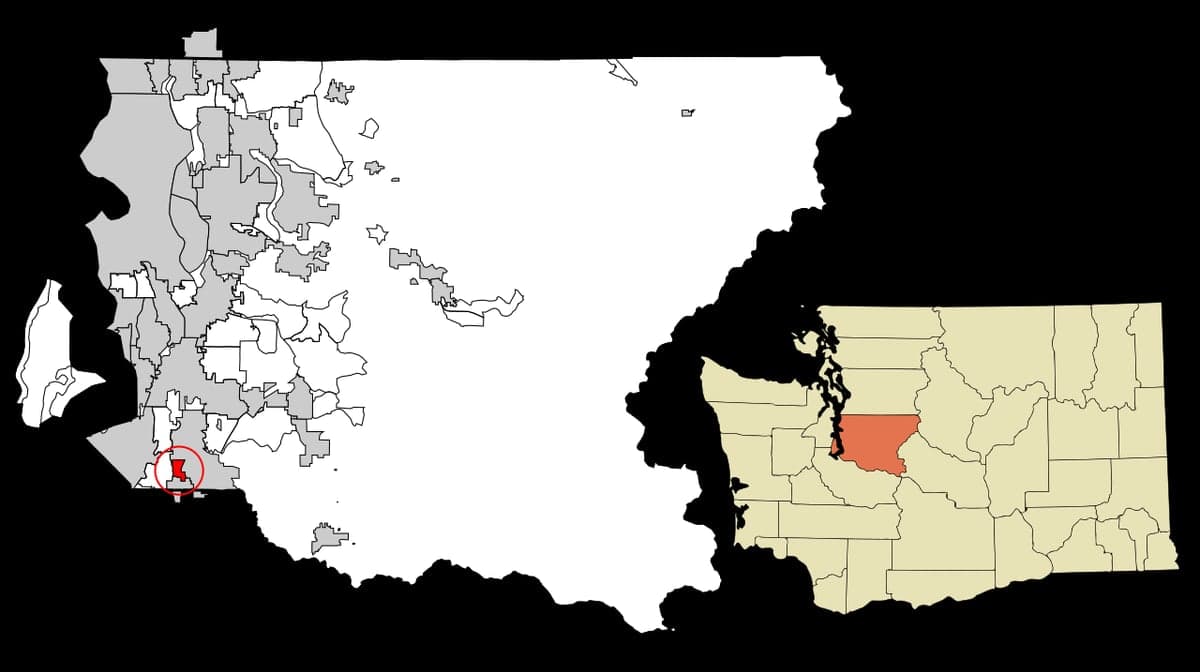
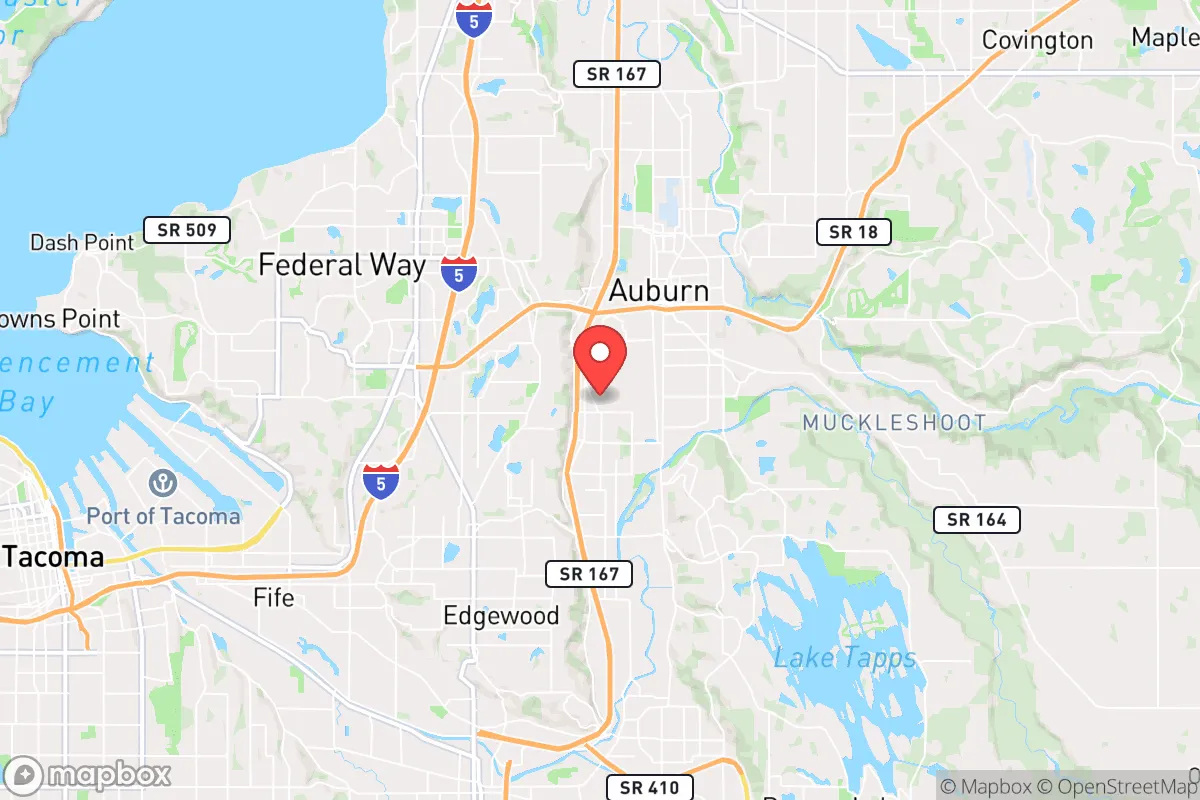
Photo: Wikipedia
Quality of Life in Algona, WA
Above-average quality of iife. The area offers a reasonable cost of living, decent mobility, and a mix of neighborhood amenities.
What does Quality of Life tell us?
Quality of Life blends cost of living, nearby amenities, socioeconomic signals, and neighborhood character. City-level scores represent the whole municipality; individual neighborhoods can differ.
What does this tell us?
Quality of Life blends cost of living, nearby amenities, socioeconomic signals, and neighborhood character. City-level scores represent the whole municipality; individual neighborhoods can differ.
Cost of Living
53% above national average
The Real Cost of Living in Algona, WA for 2026
| Tier | Individual | Family (4) |
|---|---|---|
| Survival | $22k | $42k |
| Comfortable | $63k | $93k |
| Luxury | $92k+ | $143k+ |
| Elite (Top 5%) | $109k+ | $168k+ |
91%
The Area Signal
A metric tracking the socioeconomic signals of the area.
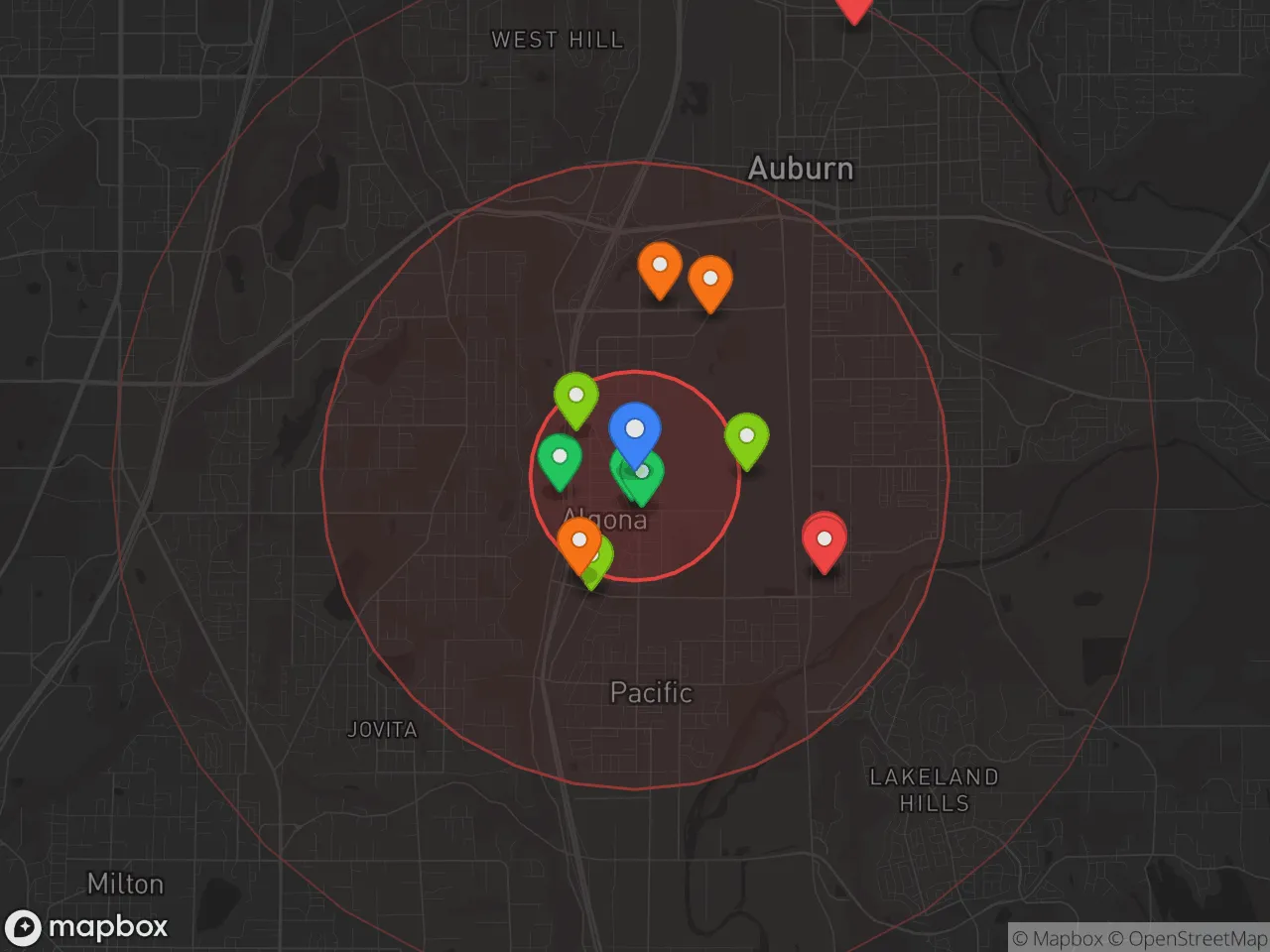
Hobbies
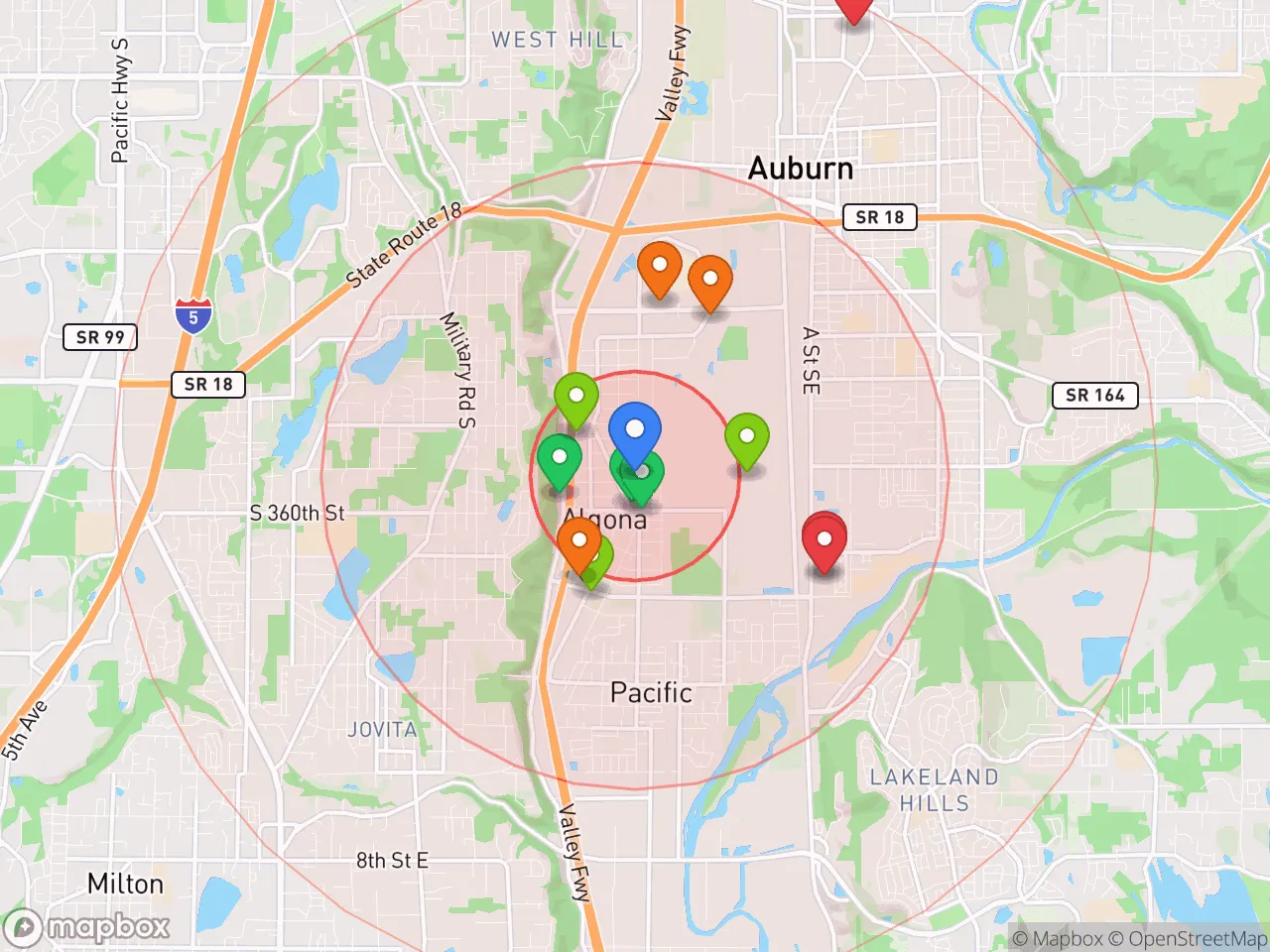
Explore the areaGroceries
6 within 10 miles
Gas
20 within 10 miles
Hospital
19 within 20 miles
Airport
SEA — Seattle–Tacoma International
Post Office
USPS — Auburn, WA
Critical Amenities
Quality-of-Life Analysis
Algona, Washington, is a small, affluent King County city where the cost of living index sits at 153 — more than 50% above the national average — reflecting its position as a bedroom community for professionals working in the greater Seattle-Tacoma corridor. With a median home value of $413,000 and median rent of $1,839, Algona attracts a mix of middle-to-upper-income families, long-time residents, and commuters who prioritize relative affordability compared to Seattle proper while still enjoying suburban quiet. The average commute of roughly 28 minutes underscores its role as a practical base for workers employed in aerospace, logistics, and tech hubs nearby.
Housing costs and affordability compared to Seattle and Auburn
Algona’s housing market sits in a notable middle ground. The median home value of $413,000 is significantly lower than Seattle’s median (over $850,000 in 2025) but higher than more rural parts of Pierce County. Renters face a median of $1,839 per month, which is about $300 less than the Seattle metro average, making Algona a viable option for those priced out of the urban core. However, the overall cost of living index of 153 means groceries, transportation, and utilities also run above national norms. Property taxes in King County are relatively high — roughly 1.0% to 1.1% of assessed value — though Algona’s lower home prices keep annual bills below those in Bellevue or Redmond. For buyers, the market has cooled slightly from 2022 peaks, but inventory remains tight, with most homes selling within 30–45 days.
Schools, amenities, and what daily life is like in Algona
Daily life in Algona centers on its small-town feel within a densely populated region. The city is served by the Auburn School District, which includes Algona Elementary and Auburn Mountainview High School — both rated above average by state metrics. Parks like Algona Community Park and the nearby Green River Trail offer walking, biking, and river access. For shopping and dining, residents drive 5–10 minutes to Auburn’s outlets and restaurants, or 20 minutes to Tacoma’s Proctor District. The city lacks a downtown core; most errands require a car. The average commute of 27.9 minutes is manageable, with State Route 167 and Interstate 5 providing direct routes to Boeing’s Renton plant, Amazon’s Seattle offices, and the Port of Tacoma. Public transit is limited to King County Metro bus routes, but the Auburn Sounder station (3 miles away) offers rail service to Seattle in about 40 minutes.
Algona is best suited for professionals and families who want a quieter, more affordable base within commuting distance of Seattle and Tacoma, and who do not require walkable urban amenities. The city’s low crime rate relative to neighboring Auburn, combined with decent schools and river-adjacent recreation, makes it a practical choice for those who prioritize space and value over nightlife or cultural density. Retirees on fixed incomes may struggle with the high cost of living, while young singles might find the social scene too sparse. For a commuter household earning a combined $100,000–$130,000, Algona offers a realistic path to homeownership in King County without the premium of Seattle’s core neighborhoods.

Crime in Algona, WA
Crime rates similar to the national median for U.S. locations.
Violent CrimeViolent Crime Analysis
Property CrimeProperty Crime Analysis
Crime Analysis
Algona, Washington, presents a mixed safety profile for potential residents. The city's violent crime rate of 281.8 incidents per 100,000 residents is notably lower than the national average, but its property crime rate of 1,955.3 per 100,000 is significantly higher, creating a situation where residents face a tangible risk of theft and burglary. As a small city within the Seattle-Tacoma metropolitan area, Algona's crime dynamics are influenced by broader regional trends, including the policies of King County's justice system, which has been shaped by progressive prosecutorial and judicial philosophies that prioritize rehabilitation and diversion over incarceration.
Crime in context
When compared to national benchmarks, Algona's violent crime rate of 281.8 per 100,000 is roughly 24% lower than the U.S. average of about 370 per 100,000, placing it in a relatively safer category for violent offenses like assault and robbery. However, the property crime rate of 1,955.3 per 100,000 is approximately 40% higher than the national average of around 1,400 per 100,000, making property crime the primary safety concern. This pattern is common in small cities adjacent to major metro areas, where transient populations and proximity to higher-crime urban centers can elevate theft and vehicle-related crimes. The influence of King County's progressive justice policies—including reduced bail requirements and a focus on pretrial release—means that repeat property offenders are more likely to remain on the street, directly contributing to the elevated property crime numbers residents experience.
What residents experience
Daily life in Algona for most residents involves a low likelihood of being a victim of violent crime, but a much higher vigilance is required regarding property. Car break-ins, package theft, and home burglaries are the most common complaints, with many incidents occurring overnight or during work hours when homes are unoccupied. The city's small size—with a population under 3,000—means that police response times are generally faster than in larger cities, but the sheer volume of property crime can strain local resources. Residents often report that neighborhood watch programs and secured parking are essential for mitigating risk. The progressive approach of the King County Prosecutor's Office, which has implemented policies to avoid charging certain low-level property crimes and to seek alternatives to jail time, is a direct factor in the high recidivism rates for theft-related offenses, frustrating residents who see the same offenders cycling through the system.
Neighborhood-level variation in Algona is limited due to the city's compact geography, but some patterns exist. Areas closer to the main commercial corridors along Pacific Highway South (SR 99) and near the Interstate 5 interchange tend to experience higher rates of property crime, likely due to easier access for transient offenders. The more residential, quieter streets east of the railroad tracks generally report fewer incidents. For those considering a move, properties with off-street parking, good exterior lighting, and active neighborhood associations offer the best defense against the area's predominant property crime threat. The overall safety picture is one of manageable violent crime offset by a persistent property crime problem that is exacerbated by the region's lenient criminal justice policies.
* Values derived from national, state, county, city and local statistics and may differ in a specific area. Last updated: 2026-09-03T05:10:55.000Z
Narrative content on this page is AI-generated and may contain mistakes. Verify any details that matter before acting on them.
ReloMaps may earn a commission from affiliate links at no extra cost to you.

