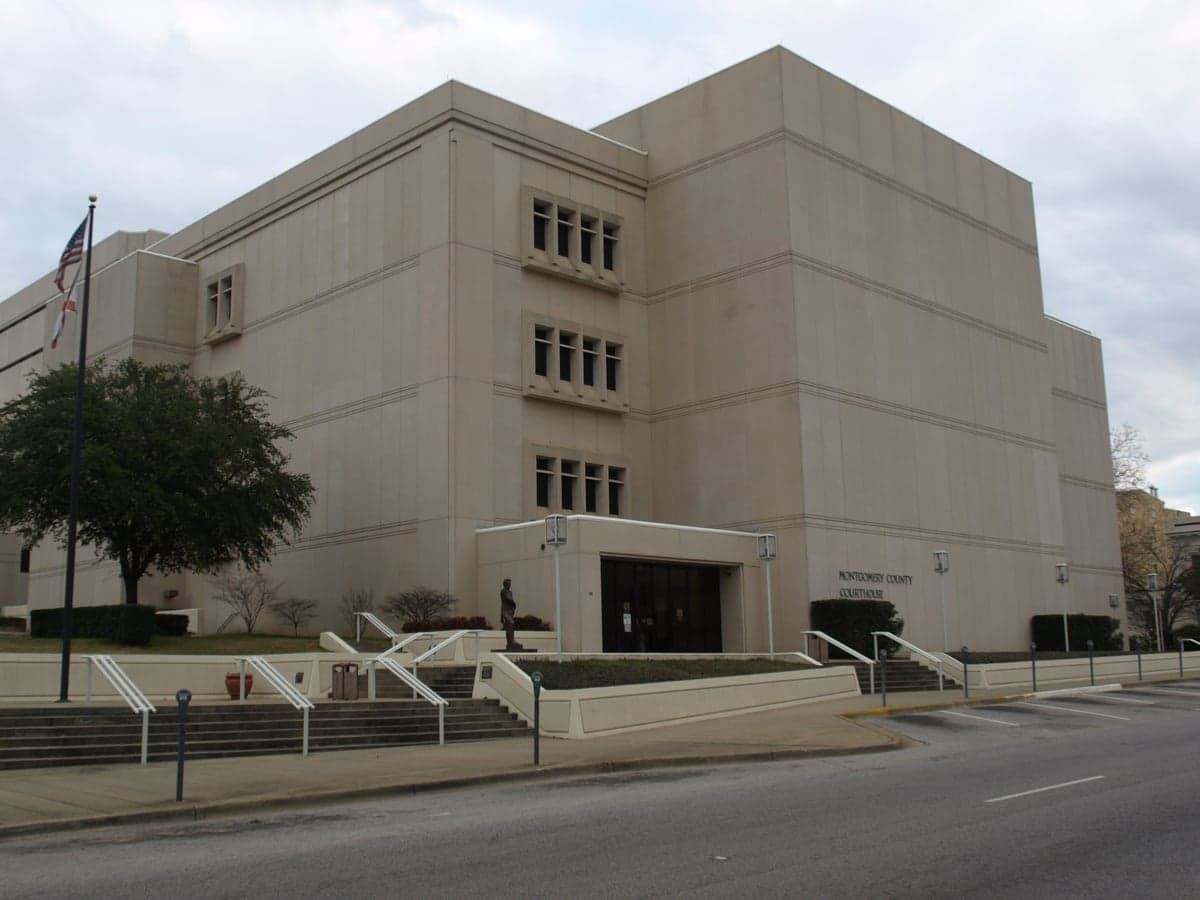
Photo: Wikipedia
Find The Best Places To Live in Montgomery County
PRO TIP! You can paste a Zillow or Redfin link to get info on that property.
Best Places to Live in Montgomery County
Cities & Towns in Montgomery County
Cities in Montgomery County
What It's Like Living in Montgomery County, AL
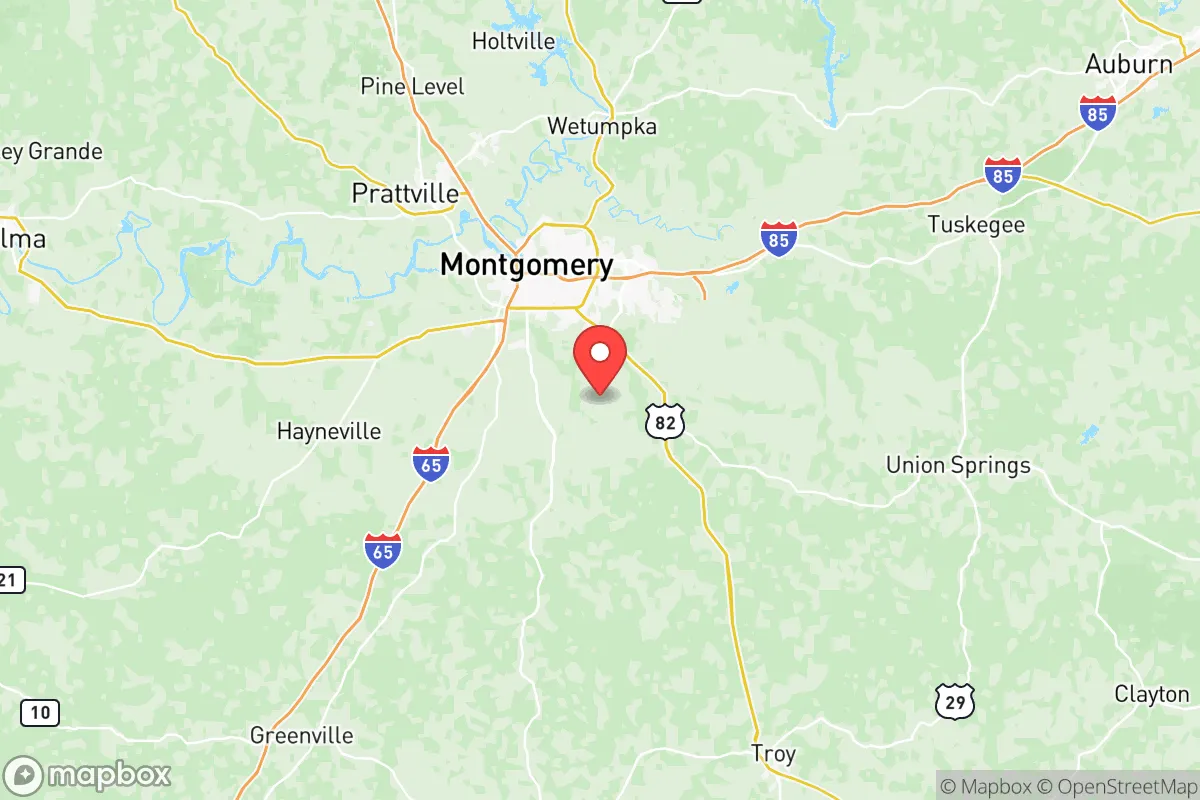
Living in Montgomery County means settling into a place where Southern history, state government, and a slowly modernizing economy all bump up against each other. The county is anchored by the city of Montgomery, but it also includes smaller communities like Pike Road, Wetumpka (just across the river in Elmore County but part of the same daily orbit), and rural stretches near Hope Hull and Mount Meigs where life moves at a noticeably slower pace. For families and single professionals who want a low cost of living without giving up all city amenities, this county offers a trade-off: you get a cost of living index of 77 (well below the national average) and a median home value around $160,100, but you also contend with a violent crime rate that sits above the national average and a local economy heavily dependent on government and healthcare jobs.
The Daily Rhythm: Government Work, Short Commutes, and Weekend Cookouts
Most people in Montgomery County work in state government, healthcare (Baptist Health and Jackson Hospital are major employers), or the growing aerospace sector tied to Maxwell Air Force Base and the nearby Hyundai plant. The average commute is about 21 minutes, which means you can live in a quieter spot like Pike Road — a fast-growing suburb with newer subdivisions and good schools — and still be downtown in under half an hour. Weekends here revolve around family, church, and outdoor time. You will see crowds at the Alabama Shakespeare Festival in Blount Cultural Park, families fishing on the Alabama River, and people grabbing lunch at Dreamland BBQ or Vintage Year in the Old Cloverdale neighborhood. The median income of $58,153 goes further here than in most metro areas, so dining out and homeownership are realistic for many single people and young families.
That said, the social scene can feel segmented. If you are not connected to a church, the military base, or state government, making friends takes more effort. The county skews slightly older with a median age of 36.9, and while there are young professionals, the nightlife is modest compared to Birmingham or Nashville. People who fit in best here tend to be those who value stability, space, and affordability over constant entertainment options.
Sports, High School Rivalries, and Friday-Night Lights
Football is the religion of Montgomery County, and it starts early. High school football is a massive deal — Robert E. Lee, Sidney Lanier, and Park Crossing draw big crowds, and the annual Turkey Day Classic between Alabama State University and Tuskegee University is a local institution. On the college side, Alabama State University (an HBCU) plays in the SWAC, and its home games at ASU Stadium bring a lively, band-heavy atmosphere that feels distinct from the SEC powerhouse culture up the road in Tuscaloosa. For pro sports, you drive to Atlanta or catch a Birmingham Barons minor league baseball game, but most locals are perfectly happy watching Alabama or Auburn on Saturday and the Atlanta Braves on Sunday.
The county also has a deep connection to Maxwell Air Force Base, which brings in a rotating population of military families. That transient element gives Montgomery a slightly more diverse feel than the surrounding rural counties, but it also means some neighborhoods turn over quickly and community ties can feel less permanent.
What to Do: Festivals, Parks, and the Riverfront
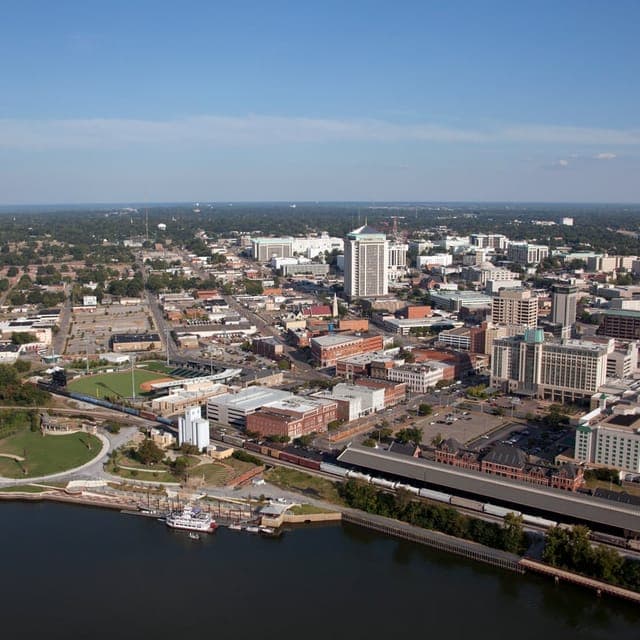
Outdoor life centers on the Alabama River, which runs right through downtown Montgomery. The riverwalk has improved significantly in the last decade, and the Montgomery Riverfront Park hosts events like the Alabama National Fair and the Montgomery Dragon Boat Festival. For a quieter day, Blount Cultural Park offers walking trails, the Shakespeare Festival grounds, and the Montgomery Museum of Fine Arts — all free. The Wetumpka area, just northeast of the county line, is popular for kayaking and fishing on the Coosa River.
On the entertainment side, downtown Montgomery has seen a revival with spots like The Alley — a pedestrian corridor of bars and restaurants — and the Montgomery Performing Arts Centre. The Jubilee CityFest each summer brings national music acts, and the Alabama Book Festival draws a literary crowd to the Old Alabama Town district. Still, if you want a major concert tour or a professional sports game, you are looking at a 90-minute drive to Birmingham or a 3-hour drive to Atlanta. That is the main frustration for younger residents: the county has enough to do for a weekend, but not enough to keep you busy every night.
Pros and Cons: What Locals Will Tell You Over Coffee
- Pro: Affordability. A median home value of $160,100 means a single person earning the median income can buy a house. Rent is also low — a one-bedroom in a decent part of Montgomery or Pike Road runs well under $1,000.
- Con: Crime. The violent crime rate of 348.1 per 100,000 is roughly double the national average. Property crime is also a concern, especially in parts of central and north Montgomery. Most families I know choose Pike Road or the eastern suburbs specifically to avoid this.
- Pro: Short commutes. The average 21-minute drive means you can live in a rural area like Mount Meigs and still get to work downtown without hating your life. Traffic is rarely bad outside of school pickup zones.
- Con: Limited job diversity. If you are not in government, healthcare, or the military, options shrink fast. The county has a college-educated population of only 34.3%, which reflects a workforce that does not always attract high-paying private-sector jobs.
- Pro: Genuine community feel. People know their neighbors. Church potlucks, high school football games, and local festivals are the social glue. If you want a place where you can build roots and actually know the people around you, this is it.

* Values derived from national, state, county, city and local statistics and may differ in a specific area. Last updated: 2026-06-21T15:43:05.000Z
Narrative content on this page is AI-generated and may contain mistakes. Verify any details that matter before acting on them.
ReloMaps may earn a commission from affiliate links at no extra cost to you.

