Photo: Wikipedia
Find The Best Places To Live
in Auburn
PRO TIP! You can paste a Zillow or Redfin link to get info on that property.
What It's Like Living in Auburn, AL
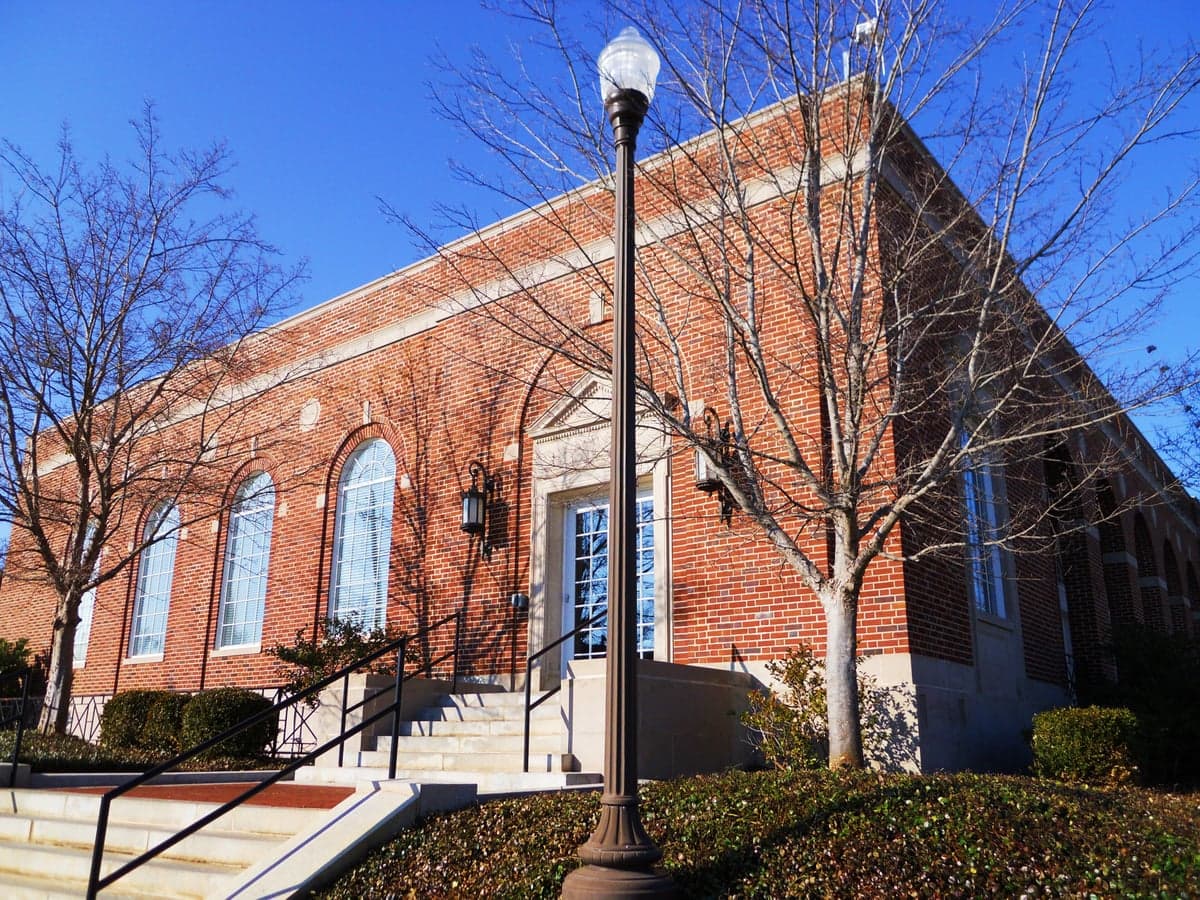
Auburn has a way of making you feel like you’re part of something bigger than yourself, whether you’re a student, a young family, or a retiree who just loves the orange and blue. It’s a college town that’s grown into a small city, but it still holds onto that front-porch, wave-at-your-neighbor feel. The energy here comes from a mix of top-tier academics, a die-hard sports culture, and a surprisingly strong sense of community that makes even newcomers feel like they’ve lived here for years.
The Daily Rhythm: More Than Just Game Day
Most weekdays in Auburn start early, with a commute that averages just under 20 minutes—short enough that you can actually run home for lunch. The city’s population of about 78,738 swells on fall Saturdays, but the daily grind is surprisingly manageable. You’ll find people grabbing coffee at Well Red, a cozy bookstore-coffee shop hybrid, or hitting the Auburn University Recreation and Wellness Center for a morning workout. The median age here is just 25.6, so the vibe is young and active, but the presence of families is strong, especially in neighborhoods like Yarbrough or Lake Wilmore.
Weekends are often split between two worlds: the outdoorsy crowd heads to Chewacla State Park for hiking and mountain biking, while the social set gathers at Toomer’s Drugs for a lemonade on the corner. The local food scene punches above its weight—Amsterdam Café is a staple for sandwiches and live music, and The Hound serves up some of the best Southern comfort food in town. For groceries, most people hit the Publix on South College or the Walmart Neighborhood Market, but the Auburn Farmers Market on Saturdays is where you’ll find local honey, fresh produce, and a real sense of community.
Sports & Community: Where the Orange and Blue Bleeds Into Everything
It’s impossible to talk about Auburn without talking about Auburn Tigers football. Game days are a city-wide event—streets close, tailgates stretch for blocks, and the roar from Jordan-Hare Stadium can be heard miles away. But it’s not just football; basketball has surged in popularity, and the Auburn Arena is packed for big matchups. The high school teams—Auburn High School and Opelika High School—also draw serious crowds, especially for football and baseball. Sports here aren’t just entertainment; they’re a shared identity. If you don’t care about the Tigers, you’ll still find yourself swept up in the energy, because it’s the social glue that holds the town together.
The culture extends beyond the field. Toomer’s Corner is the emotional heart of the city—after a big win, fans roll the oak trees in toilet paper, a tradition that feels both silly and sacred. The Auburn CityFest in the spring brings art, music, and food vendors, and the Downtown Art Walk on the first Friday of each month is a low-key way to see local talent. For a town its size, Auburn punches above its weight in festivals and events, from the Alabama Book Festival to the Christmas Parade that shuts down College Street.
What It Really Costs to Live Here
The cost of living index sits at 102, just a hair above the national average, but the housing market tells a different story. The median home value is $342,400, which is steep for a city where the median household income is $56,123. That gap means many young professionals and families are renting longer than they’d like, or buying in nearby Opelika or Smiths Station for more square footage. Rent for a decent two-bedroom apartment runs around $1,200–$1,500, and competition is fierce near campus. The upside? Property taxes are low, and utilities are reasonable. If you’re a single professional or a couple without kids, the math works fine. Families, though, should budget carefully.
The violent crime rate is 348.1 per 100,000, which is above the national average, but most of that is concentrated in specific areas near the university and apartment complexes. Property crime—especially bike theft and package theft—is more common. Longtime residents will tell you to lock your car doors and keep an eye on your porch, but they’ll also say they feel safe walking downtown at night. The schools are a major draw: Auburn City Schools consistently rank among the best in Alabama, and the Auburn Early Education Center is a standout for young kids.
Pros and Cons of Living Here
- Pro: The sense of community is real. People look out for each other, and it’s easy to get involved—whether through church, a local nonprofit, or just joining a running group at Kiesel Park.
- Pro: The weather is mild enough for outdoor activities most of the year. Summers are hot and humid, but spring and fall are gorgeous, with plenty of days in the 60s and 70s.
- Con: Traffic on game days and during move-in weekend is a nightmare. College Street and South Donahue Drive become parking lots, and locals know to stock up on groceries before a home game.
- Con: The job market outside of the university and a few large employers (like East Alabama Medical Center and Boeing) is thin. Many residents commute to Montgomery or Columbus, Georgia for higher-paying work.
- Con: The social scene can feel transient. With 62.8% of adults holding a college degree, the population skews educated but also temporary—students graduate and move on, which can make it hard to build deep, long-term friendships.
If you’re the kind of person who loves a town where the biggest debate is whether Mama Goldberg’s or Little Italy makes the better pizza, and where you can’t walk through Kroger without running into someone you know, Auburn will feel like home. It’s not for everyone—the cost of housing and the game-day chaos are real trade-offs—but for those who stay, it’s hard to imagine living anywhere else.

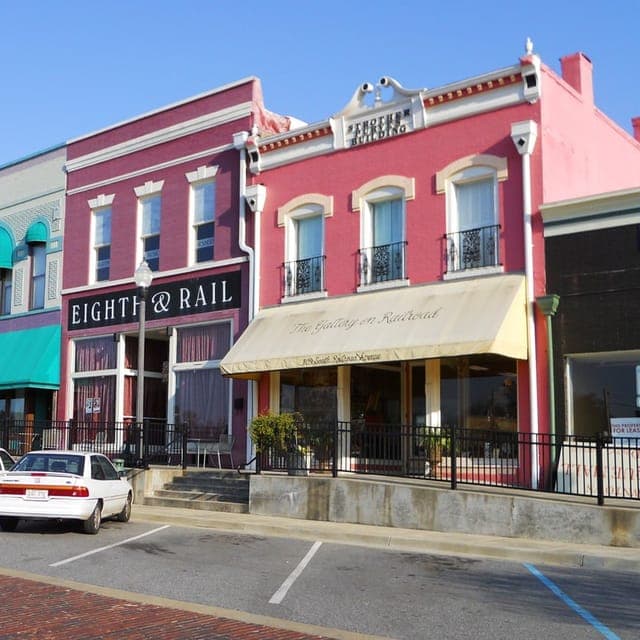
Similar small cities to Auburn


* Values derived from national, state, county, city and local statistics and may differ in a specific area. Last updated: 2026-09-03T05:09:38.000Z
Narrative content on this page is AI-generated and may contain mistakes. Verify any details that matter before acting on them.
ReloMaps may earn a commission from affiliate links at no extra cost to you.

