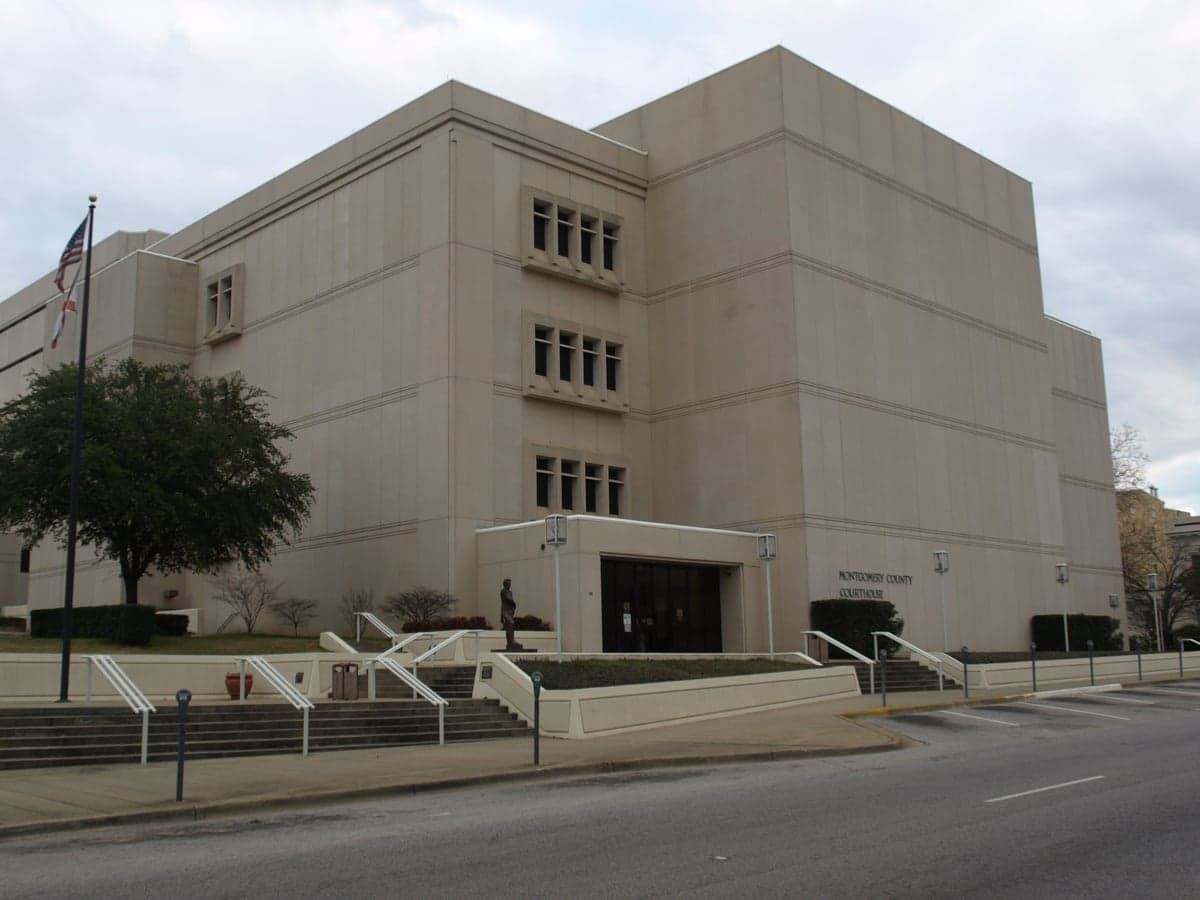
Photo: Wikipedia
Quality of Life in Montgomery County
A livable area that tracks near national norms for affordability, walkability, and neighborhood health.
What does Quality of Life tell us?
Quality of Life measures an area by evaluating factors like cost of living, nearby amenities, country club access, airport proximity, socioeconomic signals and neighborhood character. For large states, this is a general average — quality of life can vary dramatically between metro areas, suburbs, and rural communities within the same state.
What does this tell us?
Quality of Life measures an area by evaluating factors like cost of living, nearby amenities, country club access, airport proximity, socioeconomic signals and neighborhood character. For large states, this is a general average — quality of life can vary dramatically between metro areas, suburbs, and rural communities within the same state.
Cost of Living
23% below national average
127%
The Real Cost of Living in Montgomery County for 2026
| Tier | Individual | Family (4) |
|---|---|---|
| Survival | $17k | $32k |
| Comfortable | $31k | $46k |
| Luxury | $105k+ | $163k+ |
| Elite (Top 5%) | $134k+ | $208k+ |
Quality-of-Life Analysis
Montgomery County, Alabama offers a broad spectrum of quality-of-life options, ranging from the urban core of the state capital to quiet, unincorporated rural communities. The county’s character shifts noticeably from the historic, government-anchored city of Montgomery to the small-town feel of Pike Road and the agricultural landscapes surrounding communities like Ramer and Mount Meigs. This diversity attracts a wide range of residents, from state employees and professionals seeking urban amenities to families looking for newer suburban developments and individuals seeking a slower, land-based lifestyle.
Largest town(s) & population centers
Montgomery is the county seat and dominant population center, home to roughly 200,000 residents. Daily life here is shaped by the presence of state government, Maxwell Air Force Base, and a growing healthcare sector anchored by Baptist Health and Jackson Hospital. The city offers a mix of historic neighborhoods like Old Cloverdale and Garden District, known for their walkability and local dining, alongside more suburban corridors along Eastchase Parkway and Taylor Road. Pike Road, a rapidly growing incorporated town on the county’s eastern edge, functions as a primary suburban alternative. It features newer master-planned subdivisions, highly-rated Pike Road Schools, and a town government focused on controlled growth, appealing strongly to families and commuters who work in Montgomery but prefer a smaller community identity.
Smaller towns & rural pockets
Beyond the main population centers, Montgomery County contains several smaller communities that offer distinctly different lifestyles. Ramer, in the southern part of the county, is a rural crossroads community with a strong agricultural heritage and very limited commercial development. Mount Meigs, located northeast of Montgomery, is an unincorporated area known for its historic sites and rural residential properties. Hope Hull, just south of the city limits, blends suburban sprawl with remaining farmland and is home to the Hyundai Motor Manufacturing Alabama plant, a major county employer. These areas typically lack municipal services like public water and sewer, requiring residents to rely on wells and septic systems, which is a key practical consideration for anyone moving there.
Cost & lifestyle range
The cost of living across Montgomery County is well below the national average, with a composite index of 77 (100 = US average), but the range of housing costs and lifestyle options is significant. At the lower end, older neighborhoods in Montgomery’s central and western areas offer median home values around the countywide figure of $160,100 and median rents of $1,061, providing affordable entry points for first-time buyers and renters. At the higher end, new construction in Pike Road and the East Montgomery suburbs pushes home values well above the county median, often exceeding $350,000 for larger single-family homes. The average commute across the county is a manageable 21.4 minutes, though residents in Ramer or Mount Meigs should expect longer drives of 30-40 minutes to reach Montgomery’s job centers and shopping. Amenities also vary sharply: Montgomery offers museums, the Montgomery Performing Arts Centre, and the Riverwalk Stadium, while rural areas offer quiet, space, and proximity to hunting and fishing on the Alabama River.
Montgomery County suits a wide range of residents, but the best fit depends heavily on lifestyle priorities. Professionals and retirees who value walkable historic districts, cultural amenities, and short commutes will find the most satisfaction in Montgomery’s core neighborhoods. Families seeking new housing, strong schools, and a suburban identity are well-served by Pike Road. Those who prioritize land, privacy, and a self-sufficient rural lifestyle will find affordable acreage in Ramer, Mount Meigs, or Hope Hull, provided they are comfortable with longer commutes and fewer nearby services.

Crime in Montgomery County
Crime rates similar to the national median for U.S. locations.
Violent CrimeViolent Crime Analysis
Property CrimeProperty Crime Analysis
Crime Analysis
Montgomery County, Alabama, presents a mixed safety picture, with crime rates that exceed both state and national averages, particularly for property offenses. The county's overall violent crime rate stands at 348.1 incidents per 100,000 residents, while property crime occurs at a rate of 1,479.9 per 100,000. These figures place Montgomery County among the higher-risk areas in Alabama, though safety varies significantly between the urban core of the city of Montgomery and its surrounding communities like Pike Road, Prattville, and Millbrook.
Crime in context
Montgomery County's violent crime rate is notably higher than the national average of approximately 380 per 100,000, but it is the property crime rate that stands out most starkly. At nearly 1,480 incidents per 100,000, property crime in the county is roughly 30% above the national average. This disparity is driven largely by conditions within the city of Montgomery itself, which has struggled with property offenses including vehicle theft and burglary. By comparison, the adjacent city of Prattville in Autauga County and Pike Road within Montgomery County both report significantly lower crime rates, often falling below state averages. The presence of a progressive district attorney in Montgomery County has raised concerns among residents, as policies emphasizing diversion and reduced incarceration for property offenders may contribute to repeat offenses and a perception of leniency that emboldens criminal activity.
What residents experience
For those living in Montgomery County, the experience of crime is heavily shaped by location and time of day. Residents in the downtown Montgomery area and neighborhoods near the I-65 corridor report higher incidences of theft, vehicle break-ins, and occasional violent encounters. In contrast, families in Pike Road and the eastern parts of the county describe a much safer daily environment, with lower police response times and stronger neighborhood watch programs. The city of Millbrook, located in the northern part of the county, also benefits from its smaller population and more conservative local governance, which has kept crime rates comparatively low. However, the broader county trend is concerning: property crime has not declined as sharply as in other parts of Alabama, and some residents attribute this to the judicial philosophy of the Montgomery County District Attorney's office, which has prioritized alternatives to incarceration for non-violent offenders. Critics argue this approach fails to deter repeat property criminals and leaves victims feeling underserved by the justice system.
Neighborhood-level variation
Safety in Montgomery County is not uniform, and prospective residents should research specific neighborhoods before relocating. The city of Montgomery itself contains high-crime areas such as the downtown core and parts of the west side, where violent crime is more concentrated. Meanwhile, the suburban communities of Pike Road and Millbrook offer substantially lower crime rates, often comparable to the safest small towns in Alabama. The unincorporated areas of the county, particularly those near the Autauga County line, also tend to be safer. For those considering a move, the safest strategy is to focus on the eastern and northern edges of the county, where community policing and conservative judicial oversight have helped maintain order. The contrast between the progressive policies of the Montgomery DA and the more traditional approach in surrounding jurisdictions is a key factor in the county's uneven safety landscape.
* Values derived from national, state, county, city and local statistics and may differ in a specific area. Last updated: 2026-06-21T15:43:05.000Z
Narrative content on this page is AI-generated and may contain mistakes. Verify any details that matter before acting on them.
ReloMaps may earn a commission from affiliate links at no extra cost to you.

