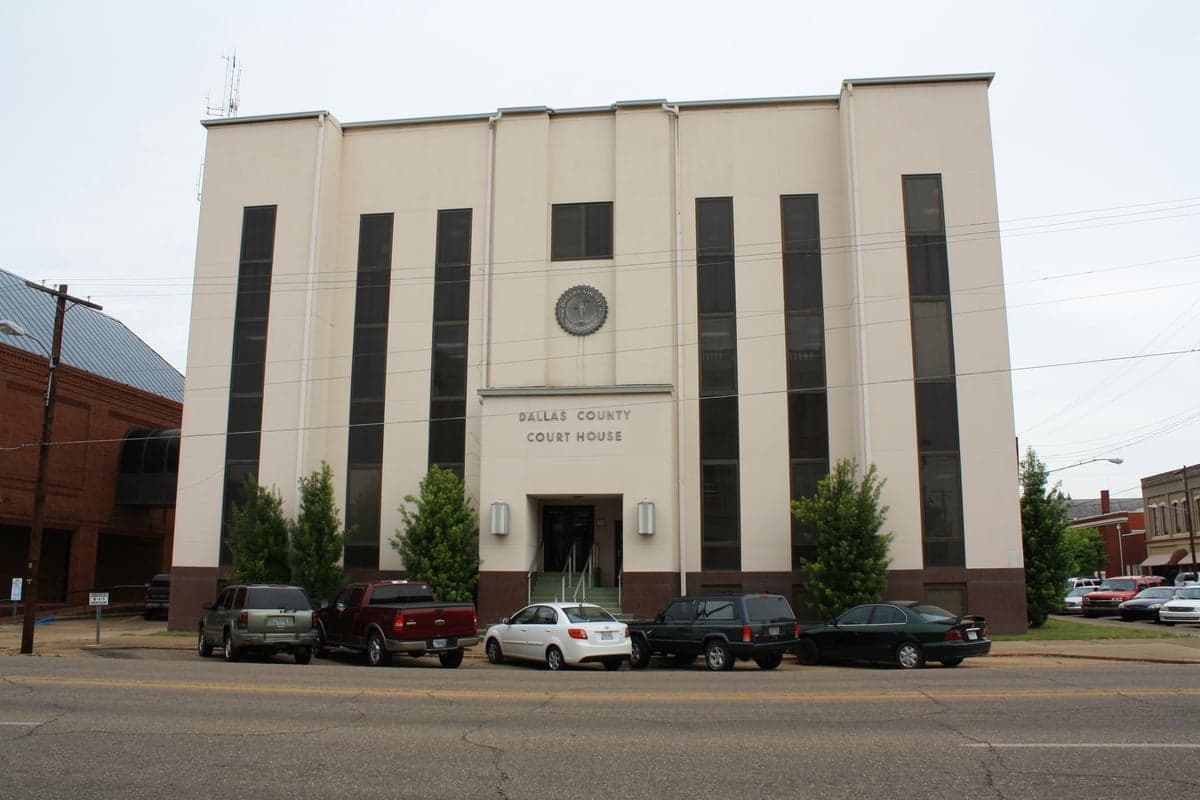
Photo: Wikipedia
Find The Best Places To Live in Dallas County
PRO TIP! You can paste a Zillow or Redfin link to get info on that property.
Best Places to Live in Dallas County
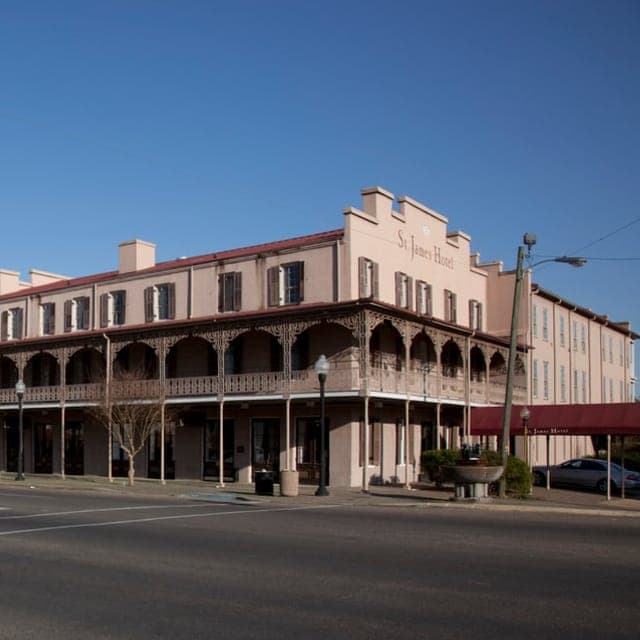
Cities & Towns in Dallas County
Cities in Dallas County
What It's Like Living in Dallas County, AL
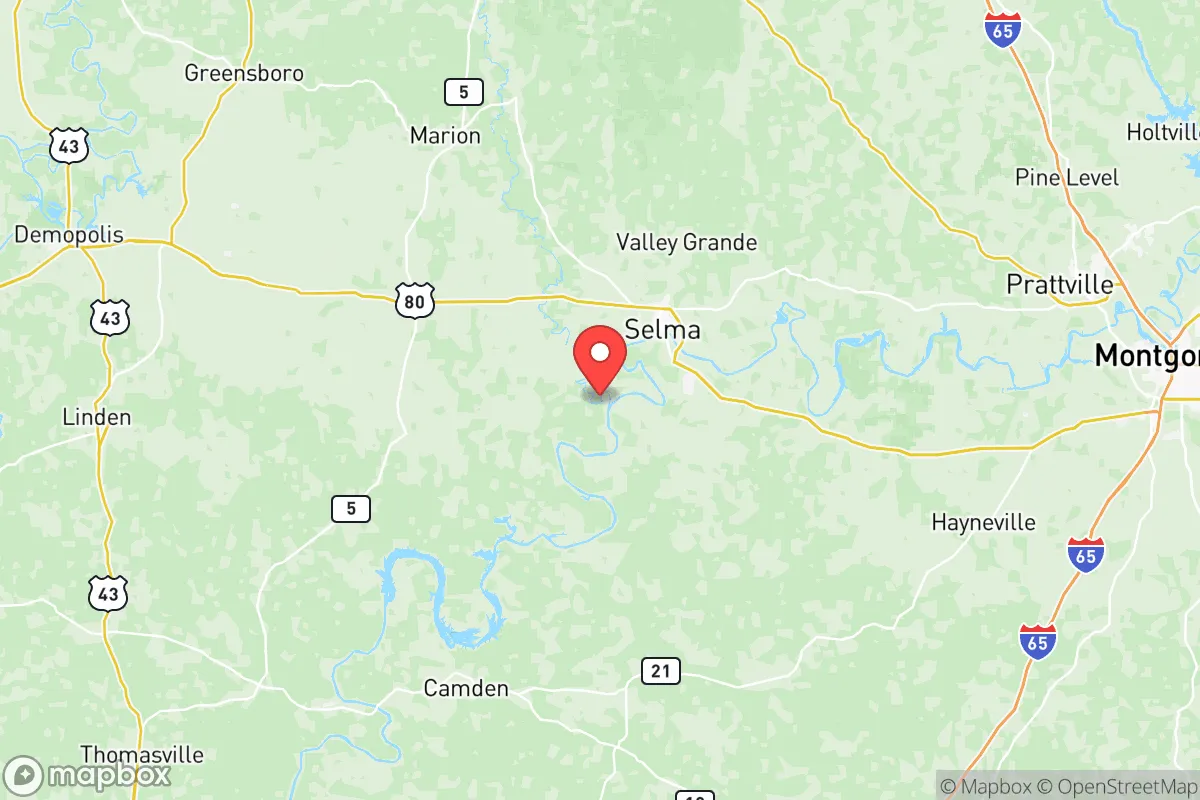
Living in Dallas County, Alabama, feels like stepping into a place where the past and present sit side by side on the same front porch. The county seat of Selma anchors the area with its deep civil rights history, while smaller communities like Valley Grande, Orrville, and Plantersville offer quieter, more rural rhythms. It’s a place where you’ll find folks who’ve been here for generations alongside newcomers drawn by the lowest cost of living you’ll find almost anywhere in the country — the index sits at just 52, half the national average.
The Daily Rhythm: Slow Mornings and Short Commutes
Life here moves at a deliberate pace. The average commute clocks in at about 26 minutes, which means most people are home well before the evening news. In Selma, you’ll see folks grabbing coffee at The Coffee Shoppe on Broad Street or picking up groceries at the local Piggly Wiggly. In Valley Grande, a rapidly growing suburb just north of Selma, the vibe is more spread-out — think newer subdivisions, quiet cul-de-sacs, and families who commute into Selma or even up to Montgomery (about 45 minutes east) for work. The median household income is $36,810, which is modest, but with a median home value of just $97,400, that paycheck stretches further than it would in most of the country. You can buy a solid three-bedroom brick home here for what a down payment would cost in Birmingham.
Sports & Community: Friday Nights and Fishing Holes
High school football is the undisputed king of local sports. Selma High School’s Saints and the Southside High School Panthers draw big crowds on Friday nights, and the rivalry games are the kind of events where the whole town shows up. If you’re a college fan, you’re likely rooting for Alabama or Auburn — there’s no neutral ground here. Beyond the gridiron, the Alabama River is the area’s backyard playground. Locals spend weekends fishing for catfish and bass, launching boats from the Selma City Marina, or just floating downstream on a lazy afternoon. The annual Selma Bridge Crossing Jubilee in March is the biggest event of the year, drawing thousands to commemorate the 1965 Bloody Sunday march. It’s part history lesson, part reunion, and part festival — and it’s the one weekend when the whole county feels electric.
What’s There to Do: History, Hunting, and Home Cooking
For a county of 37,536 people, there’s more to do than you might expect. History buffs can spend days exploring the Edmund Pettus Bridge, the National Voting Rights Museum, and the Old Depot Museum. Outdoorsy types head to the Paul M. Grist State Park near Plantersville for hiking, fishing, and camping. When it’s time to eat, locals swear by Tally-Ho Restaurant in Selma for fried chicken and Southern sides, or Lannie’s Bar-B-Q for ribs that fall off the bone. For a night out, the Selma Arts Center hosts live theater and concerts, and a few downtown bars like The Brickyard offer a low-key spot for a beer. The cultural quirk here is that everyone knows everyone — you can’t go to the grocery store without running into someone you know, which is either a comfort or a frustration depending on your personality.
Pros and Cons of Living Here: What to Really Expect
- Pro: Unbeatable affordability. With a cost of living index of 52, your dollar goes twice as far as the national average. You can own a home, raise a family, and still have money left over for a boat or a vacation.
- Con: Limited job opportunities. The economy leans heavily on healthcare (Dallas County Medical Center is a top employer), education, and retail. Many residents commute to Montgomery or Prattville for higher-paying work.
- Pro: Strong sense of community. Neighbors actually help neighbors. Churches are the social hubs, and people show up for each other during hard times.
- Con: Crime is a real concern. The violent crime rate sits at 348.1 per 100,000 — higher than the national average. Most incidents are concentrated in parts of Selma, but it’s something to be aware of when choosing a neighborhood. Valley Grande and rural areas like Orrville are generally quieter.
- Pro: Rich history and identity. Living here means being part of a story that matters. The civil rights legacy isn’t just a museum exhibit — it’s woven into the community’s identity.
- Con: Fewer amenities than a big city. You won’t find a Whole Foods, a major mall, or a wide variety of nightlife. For that, you’re driving to Montgomery or Birmingham (about 90 minutes north).
The kind of person who fits in here is someone who values slower living, deep roots, and real connections over hustle and convenience. It’s ideal for families who want their kids to play outside without constant supervision, for retirees on a fixed income, or for anyone who’s tired of the rat race and ready for a place where a handshake still means something. The median age is 40.3, and only 17% of adults hold a college degree, so it’s not a place that attracts a young, highly educated crowd — but it is a place where you can actually afford to buy a house and breathe. If you’re looking for a low-cost, high-character slice of Alabama where the Black Belt’s soil is rich and the people are richer in spirit, Dallas County might just be your next home.

* Values derived from national, state, county, city and local statistics and may differ in a specific area. Last updated: 2026-07-06T09:38:45.000Z
Narrative content on this page is AI-generated and may contain mistakes. Verify any details that matter before acting on them.
ReloMaps may earn a commission from affiliate links at no extra cost to you.

