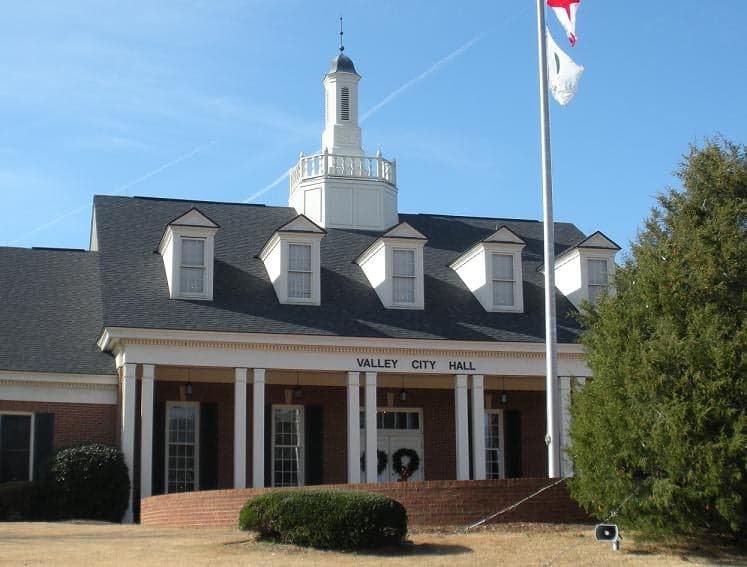
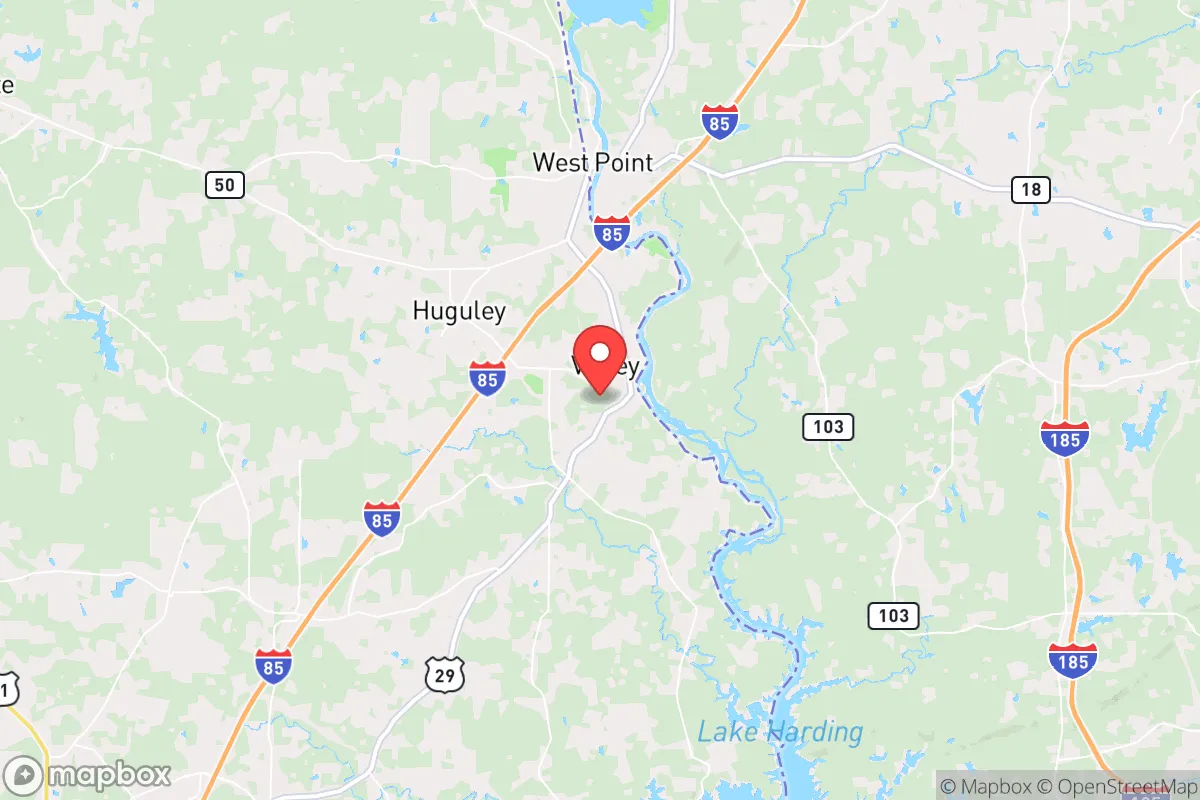
Photo: Wikipedia
Find The Best Places To Live
in Valley
PRO TIP! You can paste a Zillow or Redfin link to get info on that property.
What It's Like Living in Valley, AL
Valley, Alabama, feels like one of those places where people know your name after a few visits, but it’s not so small that everyone’s in your business. Sitting right on the Georgia line, it’s a town that’s quietly found its footing after the textile mills that built it faded, and now it’s a mix of young families, retirees who never left, and folks commuting to Auburn or Columbus for work. It’s affordable, unpretentious, and the kind of place where a Friday night might mean a high school football game or a cold beer at a local dive, not a club scene or a fancy dinner out.
Daily Rhythm and Who Fits In
Life here moves at a deliberate, unhurried pace. Most people are up early, grabbing coffee at a gas station or the local Hardee’s, and heading to jobs in manufacturing, healthcare, or retail. The biggest employers are WestRock (the paper mill in nearby Cusseta) and Huguley Memorial Hospital, plus a fair number of people drive the 30 minutes to Auburn or Opelika for work at the university or the Hyundai plant. The average commute is about 23 minutes, which feels about right—long enough to listen to a podcast, short enough that you’re not dreading it. The median household income is $55,422, and with a cost of living index of 71 (well below the national average), that money goes a lot further here than it would in most of the country. The median home value is $130,500, which means a young couple or a single person with a decent job can actually buy a house, not just rent one. The median age is 31.8, so it’s a younger town than you might expect, but the college-educated rate is only 17.6%—this is a place where trades and blue-collar work are respected, not looked down on.
Weekends are for yard work, fishing at Lake Harding (a 15-minute drive), or hitting up a local flea market. There’s no Whole Foods or trendy brunch spot; the grocery game is Walmart and Piggly Wiggly. People who fit in here tend to be practical, family-oriented, and not too worried about keeping up with the Joneses. If you need a craft cocktail bar and a farmers market every Saturday, this probably isn’t your spot. But if you want a three-bedroom house for under $150,000 and neighbors who’ll help you jump-start your car, it’s a solid fit.
Sports, Community, and What There Is to Do
High school football is the closest thing to a civic religion. Valley High School’s Rams pack the stands on Friday nights, and the rivalry with nearby Lanett is genuinely heated. For college sports, it’s all about Auburn—you’re 25 miles from Jordan-Hare Stadium, and on game days, the town thins out as people head to the Plains. There’s no pro team within two hours, but that doesn’t seem to bother anyone. The big annual event is the ValleyFest in the spring, a weekend carnival with live music, food trucks, and a parade that basically shuts down the main drag. The Valley Community Center hosts youth sports leagues and senior bingo, and the Chattahoochee River is close enough for kayaking or lazy tubing in the summer. For a night out, locals gravitate to Bubba’s Bar & Grill for wings and pool, or El Ranchito for reliable Mexican food. There’s no music venue to speak of—you drive to Auburn for concerts or comedy shows.
Parks are a real strength. Valley SportsPlex has baseball and softball fields that host tournaments drawing teams from across the region, and River View Park on the Chattahoochee gives you a nice walking trail and a fishing pier. The weather is classic Alabama: hot, humid summers (think 90°F with 80% humidity from June to August) and mild winters where it might snow once every five years. Spring and fall are gorgeous but short. The schools—Valley High, W.F. Burns Middle, and the elementary schools—are a mixed bag; they’re not the best in the state, but they’re community anchors, and parent involvement is high.
Pros and Cons of Living Here
Let’s be honest about the upsides and downsides. On the plus side, the cost of living is almost absurdly low. A median home value of $130,500 means you can own a home on a single income, and property taxes are negligible. The commute is easy, traffic is almost nonexistent (except when a train rolls through town and blocks the main crossings for 15 minutes), and people are genuinely friendly—you’ll get waved at walking down the street. The proximity to Auburn is a huge perk: you’re close to big-city amenities (Target, Costco, a real hospital) without paying big-city prices.
On the flip side, the violent crime rate is 347.4 per 100,000, which is noticeably higher than the national average of about 230. It’s not a dangerous place in the way a big city is, but property crime and occasional incidents are a real concern—lock your car and don’t leave valuables in plain sight. Job options are limited; if you don’t work at the mill, the hospital, or a local school, you’re likely commuting. The restaurant scene is thin—there’s no sit-down sushi or upscale steakhouse, and most places close by 9 PM. And if you’re not into hunting, fishing, or football, you might find the entertainment options a little sparse. The town also has a bit of an identity crisis: it was formed in 1980 from the merger of four smaller communities (Langdale, Shawmut, Fairfax, and River View), and some old-timers still identify more with their original mill village than with “Valley” itself. That’s not a bad thing—it gives the place layers—but it means the town’s sense of itself is still being written.

Similar towns to Valley
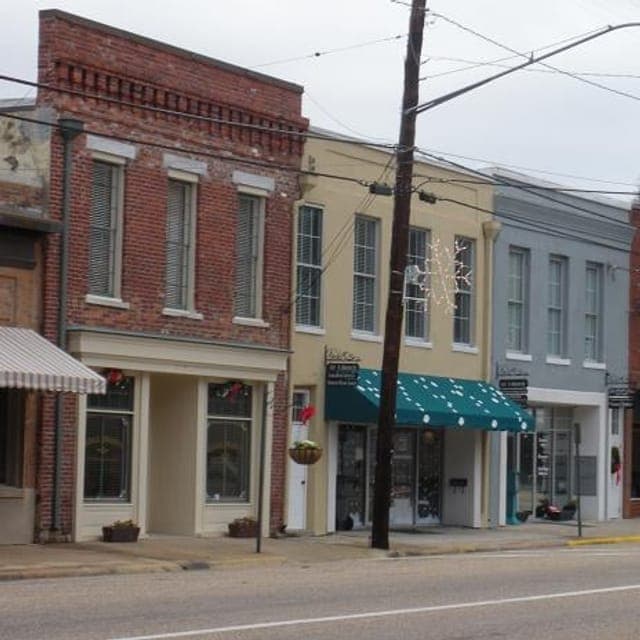
* Values derived from national, state, county, city and local statistics and may differ in a specific area. Last updated: 2026-10-20T05:45:48.000Z
Narrative content on this page is AI-generated and may contain mistakes. Verify any details that matter before acting on them.
ReloMaps may earn a commission from affiliate links at no extra cost to you.

