
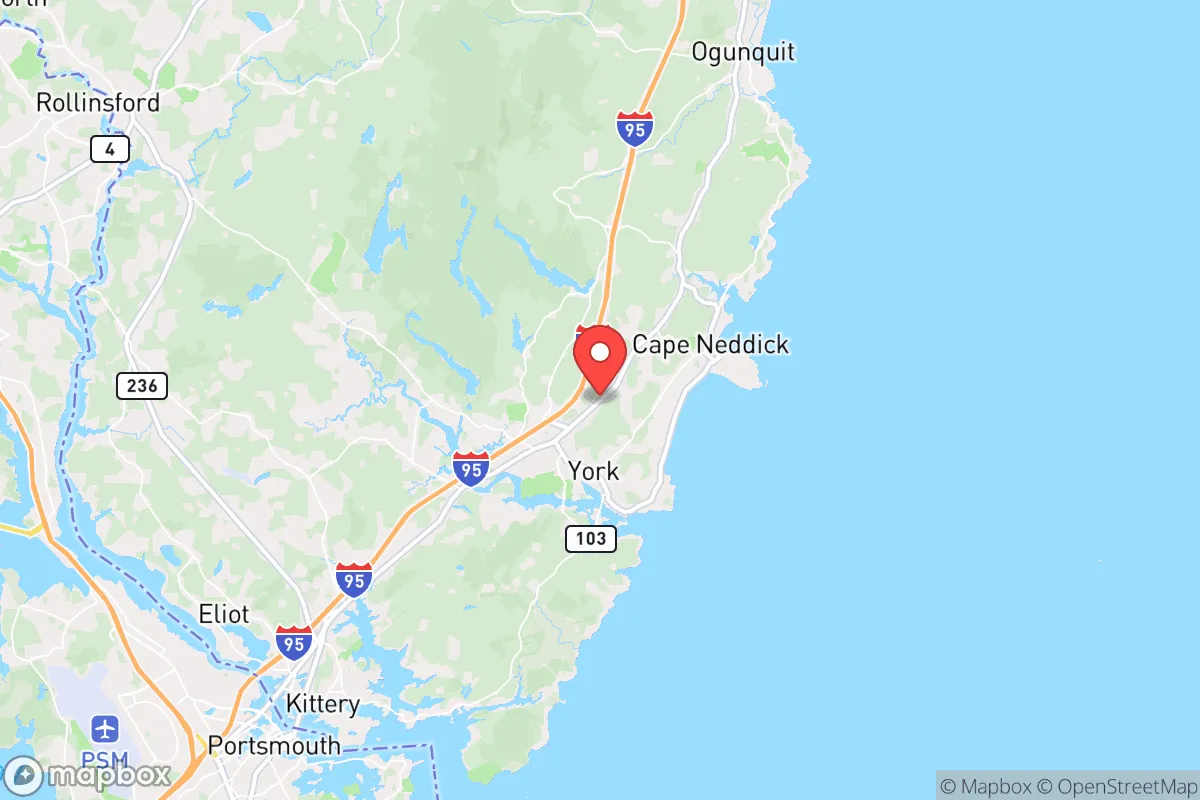
Photo by Balazs Busznyak on Unsplash
Quality of Life in York, ME
A high quality of life with strong walkability, manageable living costs, healthy neighborhood signals, and solid amenity access.
What does Quality of Life tell us?
Quality of Life blends cost of living, nearby amenities, socioeconomic signals, and neighborhood character. City-level scores represent the whole municipality; individual neighborhoods can differ.
What does this tell us?
Quality of Life blends cost of living, nearby amenities, socioeconomic signals, and neighborhood character. City-level scores represent the whole municipality; individual neighborhoods can differ.
Cost of Living
The Real Cost of Living in York, ME for 2026
| Tier | Individual | Family (4) |
|---|---|---|
| Survival | $20k | $38k |
| Comfortable | $109k | $160k |
| Luxury | $166k+ | $257k+ |
| Elite (Top 5%) | $209k+ | $324k+ |
70%
The Area Signal
A metric tracking the socioeconomic signals of the area.
Hobbies
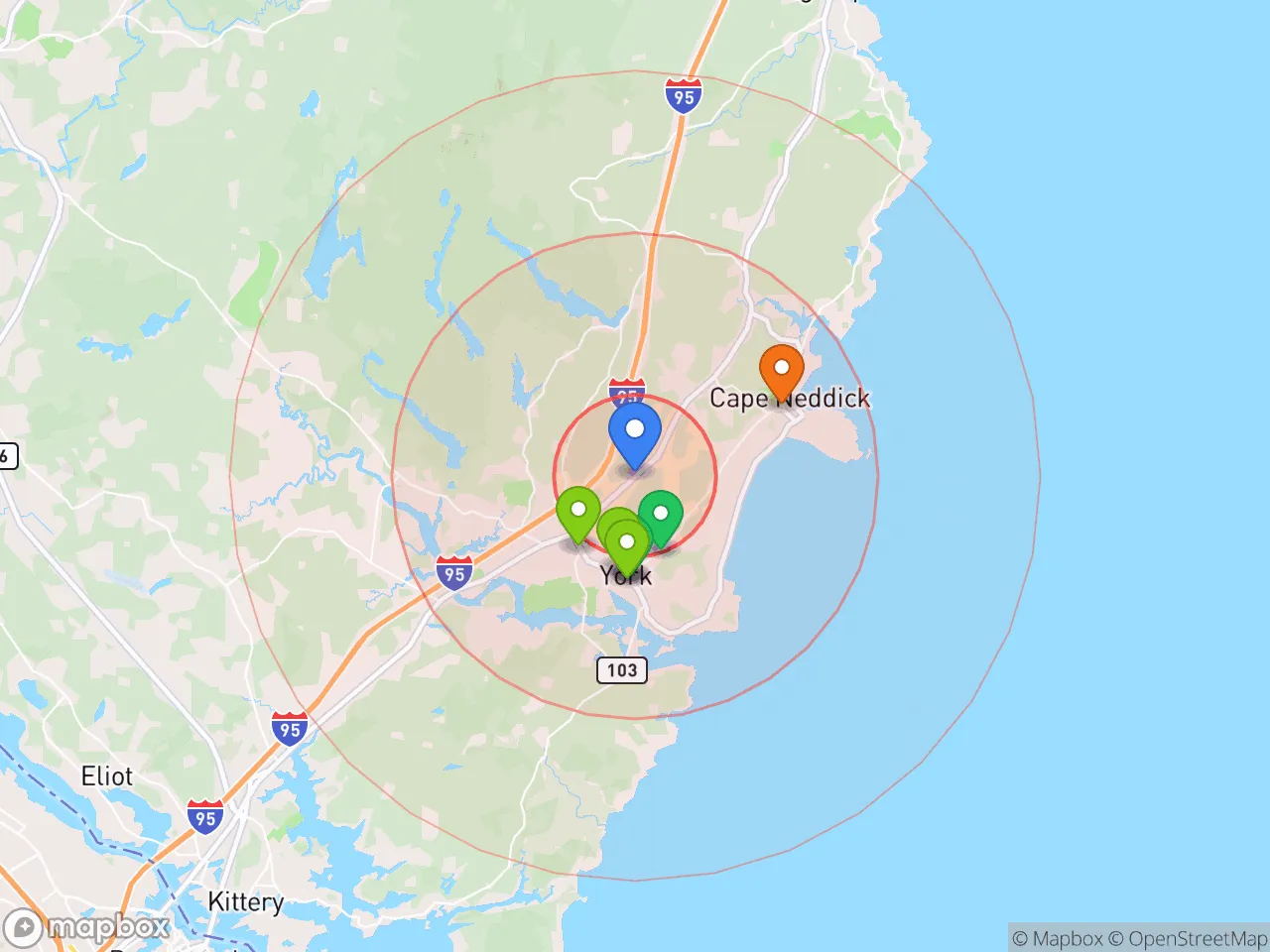
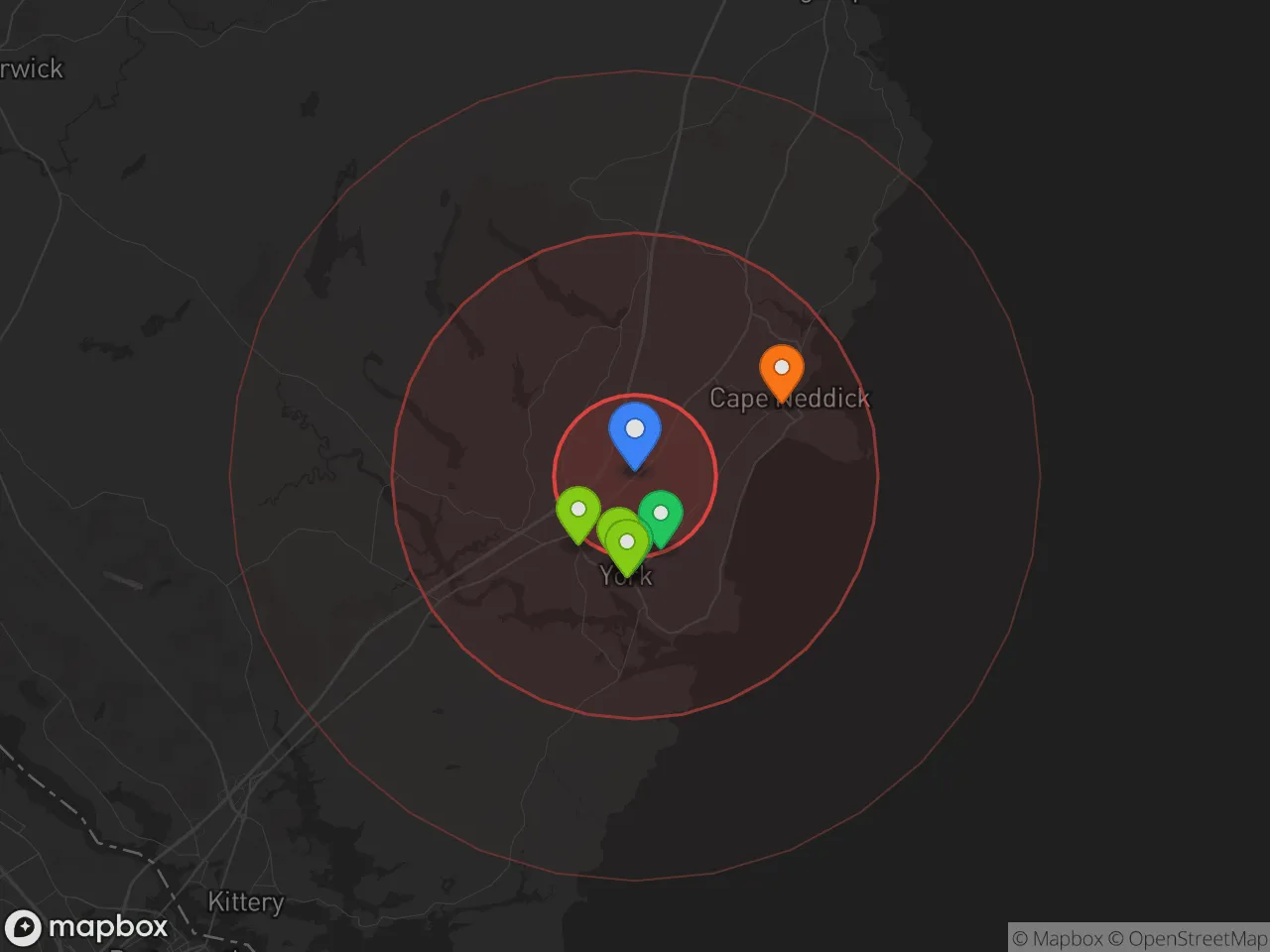
Explore the areaGroceries
6 within 10 miles
Gas
20 within 10 miles
Hospital
6 within 20 miles
Airport
PDX — Portland International Jetport
Post Office
USPS — York, ME
Critical Amenities
Quality-of-Life Analysis
York, Maine, is a high-demand coastal community where affluence is the norm and the population skews toward established professionals, second-home owners, and retirees drawn by oceanfront living and strong schools. The town’s year-round population of roughly 13,000 swells significantly in summer, reflecting its dual identity as both a tight-knit residential enclave and a seasonal tourist destination. Median household income hovers well above state and national averages, and the housing market reflects that premium, with limited inventory and sustained buyer competition.
Cost of living, housing affordability, and how York compares to nearby towns
York’s housing market is among the most expensive in southern Maine. The median home value of $583,800 is roughly 60% higher than the Maine median and on par with neighboring Kittery and Ogunquit, though still below the most exclusive coastal enclaves like Kennebunkport. Renters face a somewhat more accessible market: the median rent of $1,436 is below the national median and significantly cheaper than in Portland (where median rent exceeds $1,800), making renting a viable entry point for younger professionals or seasonal workers. However, the overall cost of living is elevated by high property taxes (Maine’s statewide average is among the highest in the U.S.) and above-average prices for groceries and services. The average commute of 22 minutes is notably short for a coastal town, with most residents working locally in York, Kittery, or Portsmouth, New Hampshire — a 15-minute drive south. Commuters to Portland face a 50-minute drive, which is manageable but not typical for most York workers.
What daily life is like: schools, amenities, and the local rhythm
Daily life in York revolves around its strong public school system, which consistently ranks among Maine’s top districts, and a walkable village center with independent shops, restaurants, and the historic York Beach boardwalk. The town offers a full slate of amenities: a public library, a modern recreation center, multiple golf courses, and easy access to Mount Agamenticus for hiking. The school district serves about 2,400 students across four schools, with a student-to-teacher ratio of 12:1 and strong extracurricular programs. The seasonal rhythm is pronounced — summer brings beach crowds, traffic on Route 1A, and a lively restaurant scene, while winter is quiet, with many seasonal businesses closed. Residents value the balance of small-town safety (York’s violent crime rate is well below the national average) with proximity to Portsmouth’s cultural and dining scene (10 minutes) and Boston (about 75 minutes by car or train from nearby Wells).
York is best suited for families seeking top-rated schools in a safe, scenic setting, and for retirees or remote workers who can afford the premium for coastal living. The high home prices and property taxes make it a stretch for first-time buyers on median incomes, but the short commute, strong community feel, and access to both ocean and mountains create a quality of life that justifies the cost for those who can manage it. Professionals working in Portsmouth or Kittery will find the commute negligible, while those tied to Portland or Boston should weigh the longer drive against the lifestyle benefits. Seasonal residents and vacation-home owners also find York appealing for its blend of historic character and modern amenities, though they should budget for higher off-season maintenance costs and limited winter services in some areas.

Crime in York, ME
Lower crime rates than 96% of comparable U.S. locations.
Violent CrimeViolent Crime Analysis
Property CrimeProperty Crime Analysis
Crime Analysis
York, Maine, is a statistically safe coastal community where violent crime rates are dramatically lower than both state and national averages, while property crime rates align closely with the Maine average but remain well below the U.S. figure. With a violent crime rate of just 56 incidents per 100,000 residents and a property crime rate of 440.8 per 100,000, the town offers a security profile that appeals to families and retirees relocating from higher-crime regions. However, as a small town within commuting distance of Portland and the broader Boston metro area, York is not immune to the regional crime pressures that accompany proximity to larger urban centers.
Crime in context
York’s violent crime rate of 56 per 100,000 is roughly one-sixth the national average of approximately 380 per 100,000 and significantly below Maine’s statewide rate of about 109 per 100,000. This places York among the safest municipalities in York County for violent offenses. Property crime in York, at 440.8 per 100,000, is slightly above the Maine average of roughly 400 per 100,000 but remains less than half the national property crime rate of approximately 1,950 per 100,000. The town’s low population density and strong community policing contribute to these favorable figures, though seasonal tourism does create temporary spikes in theft and vandalism during summer months.
What residents experience
In practical terms, York residents rarely encounter violent crime. The 56-per-100K figure translates to roughly one or two violent incidents per year in a town of about 13,000 year-round residents. Most reported crimes are property-related—primarily theft from vehicles, bicycle theft, and occasional burglaries, often concentrated in the beach and village areas during tourist season. The York Police Department maintains a visible presence, and neighborhood watch programs are active in residential subdivisions. It is worth noting that York falls under the jurisdiction of York County’s judicial system, which operates within Maine’s broader legal framework. Maine’s courts and district attorneys generally follow moderate-to-progressive sentencing practices, including diversion programs and reduced incarceration for nonviolent offenders. While this approach aims to reduce recidivism, it can result in repeat property offenders cycling through the system, a concern for residents who prioritize strict enforcement.
Neighborhood-level variation
Safety in York varies noticeably by area. The village centers of York Harbor, York Village, and Cape Neddick are extremely safe, with minimal crime year-round. The beachfront areas—especially Short Sands and Long Sands—see elevated property crime during the summer tourist influx, including car break-ins and petty theft from rental properties. Rural inland neighborhoods like Route 91 and the Chases Pond area report the lowest crime rates in town, benefiting from low traffic and strong community ties. Overall, York’s crime profile is excellent by national standards, but prospective residents should be aware that the town’s proximity to the Portland metro area and its inclusion in a judicial district with progressive leanings means occasional property crime spillover is a realistic consideration.
* Values derived from national, state, county, city and local statistics and may differ in a specific area. Last updated: 2026-11-24T05:06:25.000Z
Narrative content on this page is AI-generated and may contain mistakes. Verify any details that matter before acting on them.
ReloMaps may earn a commission from affiliate links at no extra cost to you.

