
Photo by Balazs Busznyak on Unsplash
Demographics of York, ME
Affluence Level in York, ME
An upper-middle-class area. Household wealth, education levels, and homeownership run ahead of national benchmarks.
People of York, ME
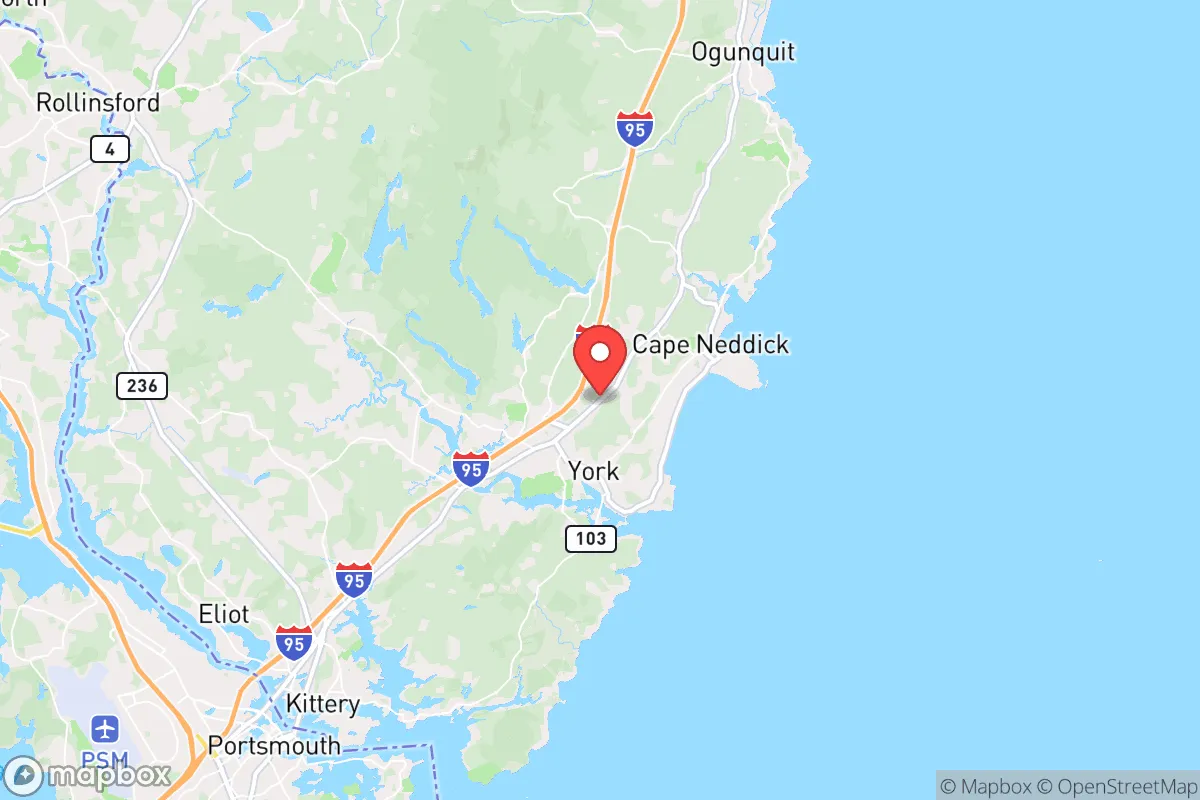
The people of York, Maine, today number 3,853, forming one of the most ethnically homogeneous communities in New England. With a population that is 98.3% white and a foreign-born share of just 0.3%, York is a place where historic Yankee stock has been supplemented by domestic in-migration from other parts of the Northeast, rather than by international immigration. The town’s identity is shaped by its deep colonial roots, its long history as a summer resort for wealthy families, and a present-day character that blends old-stock New England reserve with a growing population of professionals and retirees drawn to its coastal setting.
How the city was settled and grew
York was first settled by English colonists in 1624 as the plantation of Agamenticus, making it one of the oldest continuously inhabited English settlements in the United States. The original settlers were primarily farmers, fishermen, and traders from the West Country of England, who established homesteads in what is now the York Village historic district. The town was incorporated in 1652 and became part of Massachusetts. During the colonial period, the population grew slowly, as the area was repeatedly attacked during the French and Indian Wars. After the American Revolution, York’s economy shifted toward shipbuilding and maritime trade, with families like the Sewalls and the Prebles building substantial homes along the York River. In the 19th century, the arrival of the railroad in the 1870s transformed the town. Wealthy families from Boston and New York began building summer cottages in York Harbor and along the coast, establishing a seasonal economy that persists today. The year-round population remained small and overwhelmingly of British Isles descent, with little immigration from Southern or Eastern Europe compared to industrial cities like Portland or Biddeford.
Modern era (post-1965)
After the 1965 Hart-Cellar Act, York experienced virtually no increase in foreign-born residents. The town’s 0.3% foreign-born share is among the lowest in Maine, and the population remains 98.3% white, with no measurable Black, Hispanic, East/Southeast Asian, or Indian-subcontinent communities. Instead, York’s modern growth has come from domestic in-migration. Beginning in the 1970s and accelerating through the 1990s and 2000s, families and retirees from Massachusetts, Connecticut, and New York moved to York for its schools, coastal scenery, and relative affordability compared to the Boston suburbs. These newcomers settled primarily in Cape Neddick and York Beach, where new subdivisions and condominium developments replaced older seasonal cottages. The town’s college-educated share now stands at 36.0%, reflecting the influx of professionals and the out-migration of less-educated younger adults who cannot afford the area’s rising housing costs. The population has remained stable at around 3,800 to 4,000 since the 1990s, as strict zoning and limited land availability have constrained new construction.
The future
York’s population is projected to remain small and predominantly white for the foreseeable future. The town’s high housing costs — driven by demand for second homes and remote-work migration from southern New England — will continue to limit in-migration to affluent households, many of whom are retirees or dual-income professionals. Younger families are increasingly priced out, leading to a gradual aging of the population. There is no indication that York will attract significant international immigration, given its lack of ethnic enclaves, limited rental housing, and distance from urban job centers. The town’s cultural identity will likely remain rooted in its Yankee heritage and seasonal resort character, with little demographic diversification. For someone moving in now, York offers a stable, safe, and scenic community with excellent schools and low crime, but also a population that is among the least diverse in the state and a social environment that can feel insular to newcomers not already connected to the area.
York is becoming a quieter, older, and more expensive version of itself — a place where the population is stable in number but shifting in composition toward wealthier, older, and more educated residents. For those seeking a homogeneous, low-crime coastal town with strong schools and a deep sense of place, York remains an attractive option, but it offers little in the way of ethnic or cultural diversity.

* Values derived from national, state, county, city and local statistics and may differ in a specific area. Last updated: 2026-10-11T02:47:28.000Z
Narrative content on this page is AI-generated and may contain mistakes. Verify any details that matter before acting on them.
ReloMaps may earn a commission from affiliate links at no extra cost to you.

