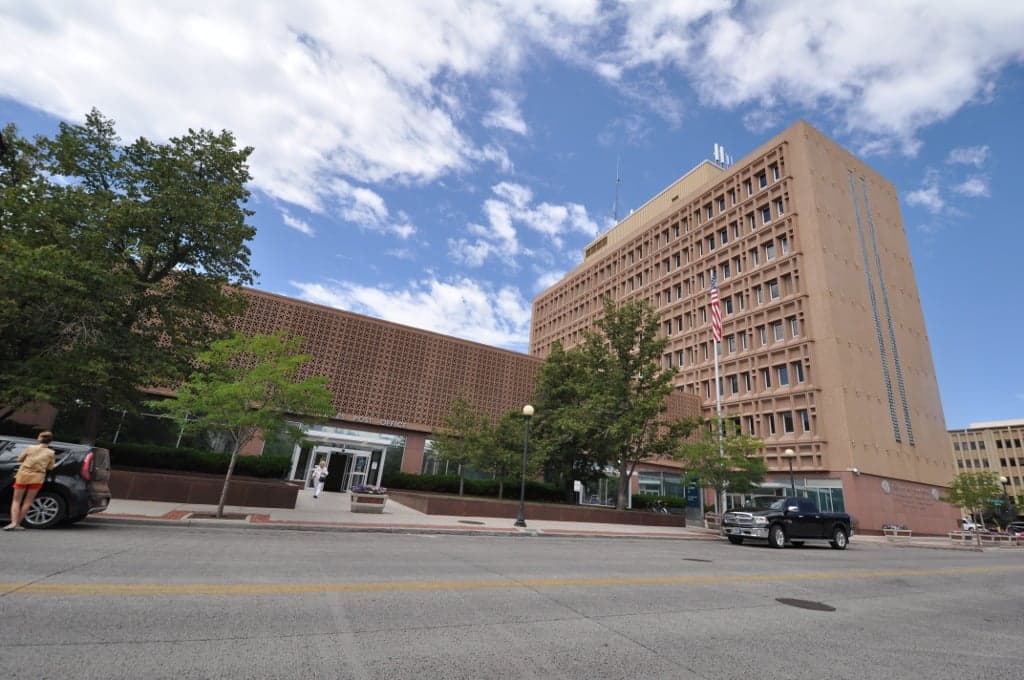
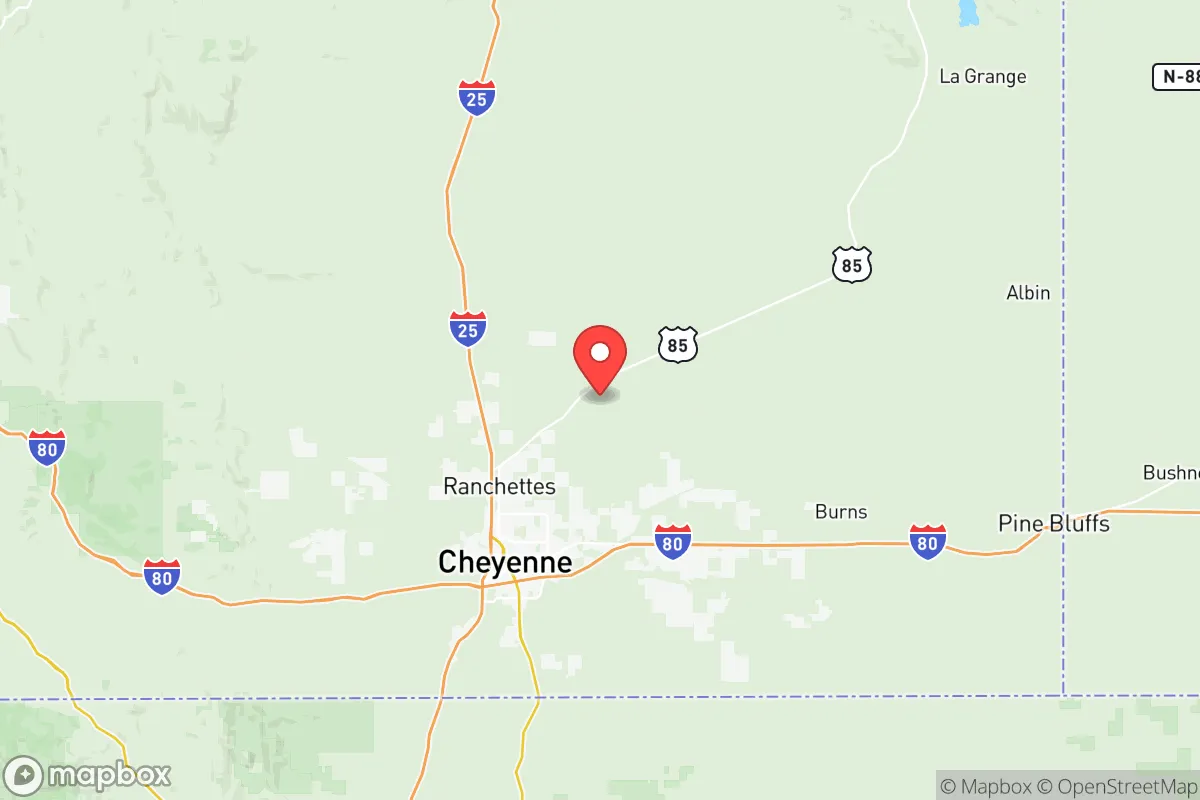
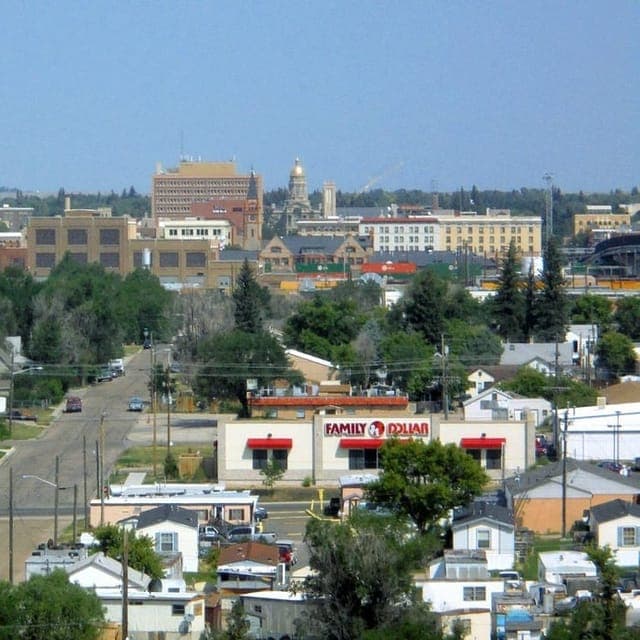
Photo: Wikipedia
Find The Best Places To Live in Laramie County
PRO TIP! You can paste a Zillow or Redfin link to get info on that property.
Best Places to Live in Laramie County
Cities & Towns in Laramie County
Cities in Laramie County
What It's Like Living in Laramie County, WY
Living in Laramie County means trading the frantic pace of a big city for the steady, grounded rhythm of Wyoming’s most populous county, anchored by Cheyenne but stretching out to smaller communities like Burns, Pine Bluffs, and Albin. It’s a place where the sky feels impossibly big, the wind is a constant companion, and your neighbors are just as likely to wave from a pickup truck as they are to chat at the grocery store. For the right person—someone who values space, self-reliance, and a strong sense of community—this county offers a quality of life that’s hard to find elsewhere.
The Daily Rhythm: Wide-Open Spaces and Short Commutes
Daily life here is defined by a refreshing lack of congestion. With an average commute of just under 18 minutes, most residents spend far less time in the car than the national average. In Cheyenne, you can get from the west side to the east side in about 20 minutes, while folks in Burns or Pine Bluffs enjoy an even more relaxed pace. The median age of 38.2 reflects a mix of young families starting out and established professionals who appreciate the lower cost of living—sitting at 102 on the index, slightly above the national average but a bargain compared to Colorado’s Front Range just an hour south.
Weekends often revolve around outdoor pursuits. The county’s vast open spaces and nearby Medicine Bow National Forest offer hiking, fishing, and hunting. In winter, locals head to Curt Gowdy State Park for ice fishing or cross-country skiing. The weather is a defining feature: summers are warm and sunny, but winters bring biting cold and snow, with the wind whipping across the plains. Locals joke that there’s no bad weather, only bad gear—and they mean it. The seasonal rhythm is strong: spring brings calving season on ranches, summer means rodeos and fairs, fall is for hunting, and winter is for hunkering down with a good book or a hockey game.
Sports, Community, and the Big Events That Bring Everyone Together
Sports are a major thread in the county’s social fabric. Cheyenne is home to the Frontier Days rodeo, the world’s largest outdoor rodeo and western celebration, which draws over 200,000 visitors each July. It’s a two-week spectacle of bull riding, concerts, and parades that transforms the entire city. High school football is a genuine community event—Friday nights in Cheyenne see packed bleachers at Okie Blanchard Stadium, while smaller towns like Pine Bluffs rally around their own teams with fierce pride. The Cheyenne Capitals hockey team draws a loyal following at the Ice & Events Center, and the Cheyenne Grizzlies baseball team offers affordable summer entertainment.
Beyond sports, the county’s cultural quirks shine through. The Cheyenne Depot Museum celebrates the railroad history that built the region, while the Wyoming State Museum offers free admission and deep dives into frontier life. For a night out, locals gravitate to spots like the Lion’s Park for summer concerts or the Bunkhouse Bar in Cheyenne for live music and a no-frills atmosphere. In Burns, the Burns Community Center hosts potlucks and holiday events that feel like a throwback to a simpler time. The county’s identity is proudly independent—you’ll see more American flags than bumper stickers, and conversations often turn to land, livestock, and the weather.
Who Fits In, and the Honest Trade-Offs
Laramie County tends to attract people who value space, privacy, and a slower pace. The median household income of $77,884 supports a comfortable middle-class lifestyle, especially with a median home value of $324,900—well below the national average for a county this size. Families appreciate the strong school systems, particularly in Cheyenne’s Laramie County School District #1, which offers solid academics and robust extracurriculars. The 32% college-educated rate reflects a workforce that includes government employees (the state capital is here), healthcare workers at Cheyenne Regional Medical Center, and professionals in logistics and agriculture.
But living here isn’t for everyone. The violent crime rate of 171.9 per 100,000 is lower than the national average, but property crime can be an issue in certain Cheyenne neighborhoods. The isolation is real: the nearest major city, Denver, is a 90-minute drive south, and that drive can feel longer in winter storms. Dining and entertainment options are limited compared to a metro area—you’ll find solid steakhouses and Mexican food, but don’t expect late-night sushi or a thriving indie music scene. The wind, which howls across the plains, can wear on even the most patient soul. And while the cost of living is reasonable, wages in some sectors haven’t kept pace with rising home prices over the past five years.
For those who thrive here, the trade-offs are worth it. The sense of community is genuine—neighbors help neighbors during blizzards, and the annual Cheyenne Christmas Parade feels like a family reunion. The wide-open views, the starry nights, and the knowledge that you’re part of something self-sufficient and resilient—that’s the real draw. Whether you’re raising kids in a quiet subdivision in Cheyenne, running a small business in Burns, or retiring to a ranch near Albin, Laramie County offers a life that’s grounded, honest, and refreshingly unpretentious.

* Values derived from national, state, county, city and local statistics and may differ in a specific area. Last updated: 2026-07-11T13:11:11.000Z
Narrative content on this page is AI-generated and may contain mistakes. Verify any details that matter before acting on them.
ReloMaps may earn a commission from affiliate links at no extra cost to you.

