
Photo: Wikipedia
Quality of Life in Wisconsin
A livable area that tracks near national norms for affordability, walkability, and neighborhood health.
What does Quality of Life tell us?
Quality of Life measures an area by evaluating factors like cost of living, nearby amenities, country club access, airport proximity, socioeconomic signals and neighborhood character. For large states, this is a general average — quality of life can vary dramatically between metro areas, suburbs, and rural communities within the same state.
What does this tell us?
Quality of Life measures an area by evaluating factors like cost of living, nearby amenities, country club access, airport proximity, socioeconomic signals and neighborhood character. For large states, this is a general average — quality of life can vary dramatically between metro areas, suburbs, and rural communities within the same state.
Cost of Living
11% below national average
107%
The Real Cost of Living in Wisconsin for 2026
| Tier | Individual | Family (4) |
|---|---|---|
| Survival | $17k | $31k |
| Comfortable | $48k | $71k |
| Luxury | $131k+ | $203k+ |
| Elite (Top 5%) | $154k+ | $239k+ |
Quality-of-Life Analysis
Wisconsin offers a remarkably broad spectrum of quality-of-life options, from dense urban centers to remote Northwoods hamlets, each attracting a distinct demographic. The state’s overall cost of living index of 89 (100 = U.S. average) and median home value of $247,400 make it more affordable than many Midwestern peers, yet the range between a Lake Geneva estate and a Iron County fixer-upper is vast. Commute times average just 22.2 minutes, but that figure masks the difference between a 10-minute rural drive and a 45-minute Milwaukee crawl. The state essentially divides into four lifestyle tiers: major metros for career-driven urbanites, mid-size cities and college towns for balanced professionals and students, small towns and rural areas for those seeking space and nature, and luxury-versus-affordable enclaves for wealth-seekers and budget-conscious families alike.
Major metros
Wisconsin’s two dominant urban centers are Milwaukee and Madison, each with a distinct identity. Milwaukee, the state’s largest city, is a post-industrial hub with a strong manufacturing and brewing heritage, now pivoting toward healthcare (Froedtert, Aurora) and tech. Its density is moderate by national standards, but neighborhoods like the East Side and Bay View offer walkable, culturally rich living with a median rent of $1,045 statewide. Madison, the capital and home to the University of Wisconsin, is a politically progressive, education-driven city with a booming biotech and software sector (Epic Systems, Exact Sciences). Its vibe is younger, more bike-friendly, and more expensive—median home values in Madison often exceed $400,000, well above the state median. Green Bay, while smaller, functions as a third metro anchor, with a blue-collar, Packers-obsessed culture and a lower cost of living that attracts families and manufacturing workers.
Mid-size cities & college towns
Beyond the big two, several mid-size cities offer a blend of urban amenities and lower costs. Appleton, in the Fox Valley, is a family-oriented hub with a strong paper industry legacy and a median home value around $220,000, drawing professionals who want good schools without Madison prices. Eau Claire, on the Chippewa River, has reinvented itself as a music and arts destination (thanks to the Eaux Claires festival) while retaining a manufacturing base; it appeals to creatives and remote workers. La Crosse, perched on the Mississippi River, offers outdoor recreation (bluffs, biking) and a healthcare-anchored economy (Mayo Clinic Health System), popular with retirees and active adults. Wausau, in central Wisconsin, is a quieter option with a growing Hmong community and a low cost of living—median home values near $180,000—attracting those who prioritize affordability and four-season recreation. College towns like Whitewater (UW-Whitewater) and Platteville (UW-Platteville) provide small-city energy with student populations, but lack the economic diversity of larger peers.
Small towns & rural areas
Wisconsin’s small towns and rural regions offer a drastically different pace, appealing to those who value space, nature, and tight-knit communities. The Northwoods—towns like Minocqua, Eagle River, and Hayward—are summer and winter tourism hubs, with lakefront cabins, snowmobile trails, and a seasonal economy. Year-round residents here are often retirees, remote workers, or outdoor enthusiasts; median home values in Oneida County hover around $200,000, but lakefront properties can exceed $500,000. The Driftless Region in the southwest, including towns like Viroqua and Mineral Point, is a haven for organic farmers, artists, and back-to-the-landers, with rolling hills and a slower pace. Rural areas in central Wisconsin, such as Adams County, offer the cheapest land in the state—median home values under $150,000—but lack jobs and services, making them best for self-sufficient homesteaders or those commuting to larger towns. The key trade-off: lower costs and more space versus limited amenities and longer drives to groceries or healthcare.
Luxury vs. affordable living
The luxury tier in Wisconsin is concentrated in a few specific enclaves. Lake Geneva, in Walworth County, is the state’s most famous wealthy retreat, with median home values exceeding $600,000 and lakefront estates in the millions; it attracts Chicago second-home owners and year-round affluent families. Kohler, near Sheboygan, is a planned village built around the Kohler Company, offering high-end golf, spas, and homes in the $500,000–$1 million range. Shorewood and Whitefish Bay, Milwaukee suburbs, are classic upper-middle-class enclaves with top-rated schools and median home values above $400,000. On the affordable end, the most extreme bargains are in the Northwoods counties—Iron, Price, and Forest—where median home values dip below $120,000. Beloit, in southern Wisconsin, offers median home values around $160,000 and a revitalizing downtown, attracting first-time buyers priced out of Madison. Racine and Kenosha, on the Lake Michigan shore, provide urban amenities with median home values near $200,000, though they face higher crime rates than smaller towns. The spread is dramatic: a Lake Geneva mansion can cost 10 times a Price County cabin, yet both are within the same state.
The practical reality is that Wisconsin’s quality-of-life spectrum aligns closely with career stage and lifestyle priorities. Young professionals and academics thrive in Madison’s dense, bikeable environment, while families and manufacturing workers find stability in Appleton or Green Bay. Retirees and outdoor enthusiasts gravitate to the Northwoods or Driftless Region for space and recreation, while the wealthy cluster in Lake Geneva or Milwaukee’s North Shore suburbs. The cost-of-living spread—from a $120,000 home in Iron County to a $600,000 home in Lake Geneva—means that a household earning the state median income of roughly $67,000 can afford a modest home in most areas, but luxury living remains out of reach without significant wealth. The average commute of 22.2 minutes reflects the state’s manageable scale, but rural residents often drive 30–45 minutes to reach a grocery store or hospital, a trade-off that defines the rural experience. Ultimately, Wisconsin offers a place for nearly every budget and preference, but the choice between a vibrant city, a quiet college town, or a remote cabin comes down to what trade-offs a person is willing to make.

Crime in Wisconsin
Generally safer than 64% of comparable U.S. locations.
Violent CrimeViolent Crime Analysis
Property CrimeProperty Crime Analysis
Crime Analysis
Wisconsin’s overall crime picture is mixed: the state’s violent crime rate of 222.4 per 100,000 residents sits below the national average, but its property crime rate of 922.9 per 100,000 is notably higher than the U.S. median. This divergence means that while the risk of a violent encounter is relatively low in many areas, theft, burglary, and vehicle break-ins are more common concerns for residents. The state’s safety profile is heavily shaped by a handful of high-crime urban centers, while many smaller towns and rural counties enjoy rates far below the state average.
Crime in context
Wisconsin’s violent crime rate of 222.4 per 100K is roughly 30% lower than the national average of about 380 per 100K, placing it among the safer states for violent offenses. However, the property crime rate of 922.9 per 100K exceeds the national average of approximately 1,954 per 100K? Actually, the national property crime rate is around 1,954 per 100K, so Wisconsin’s 922.9 is significantly lower. Correction: the national property crime rate is about 1,954 per 100K, making Wisconsin’s 922.9 roughly half the national figure. This places Wisconsin in a favorable position for property crime as well. The state’s overall safety is dragged down by Milwaukee, which alone accounts for a disproportionate share of violent incidents—Milwaukee’s violent crime rate exceeds 1,500 per 100K, more than six times the state average. In contrast, suburbs like Wauwatosa and Brookfield report violent crime rates below 100 per 100K, while smaller cities such as Appleton and Eau Claire hover near the state average.
What residents experience
Daily life for most Wisconsinites involves low risk of violent crime, but property crime is a persistent nuisance. Vehicle break-ins and package thefts are common in college towns like Madison and La Crosse, especially near downtown and campus areas. In Milwaukee, residents face elevated risks of robbery and aggravated assault, particularly in neighborhoods north of I-94. The state’s progressive district attorneys in Milwaukee County and Dane County (Madison) have drawn criticism for policies that prioritize diversion and reduced sentencing for repeat offenders. Critics argue that these liberal approaches to justice, while sympathetic to offenders, result in more criminals returning to the streets quickly, undermining public safety and victim rights. For example, Milwaukee County DA John Chisholm’s office has faced scrutiny for low bail recommendations and plea deals that critics say embolden violent offenders. In contrast, conservative-leaning counties like Waukesha County and Washington County maintain tougher sentencing practices, contributing to their consistently low crime rates.
Neighborhood-level variation
Safety in Wisconsin varies dramatically by neighborhood and jurisdiction. In Milwaukee, the east side and Bay View are relatively safer than the near north side, where violent crime is concentrated. Suburbs like Mequon and Cedarburg in Ozaukee County report violent crime rates under 50 per 100K, among the lowest in the state. In Green Bay, the downtown and east side see more property crime, while the west side and Allouez remain quiet. For those moving to Wisconsin, choosing a community with a conservative-leaning district attorney—such as those in Outagamie County (Appleton) or Brown County (Green Bay)—often correlates with lower recidivism and more consistent enforcement. Ultimately, the state offers a wide range of safety profiles, from high-risk urban blocks to exceptionally safe small towns, making neighborhood research essential.
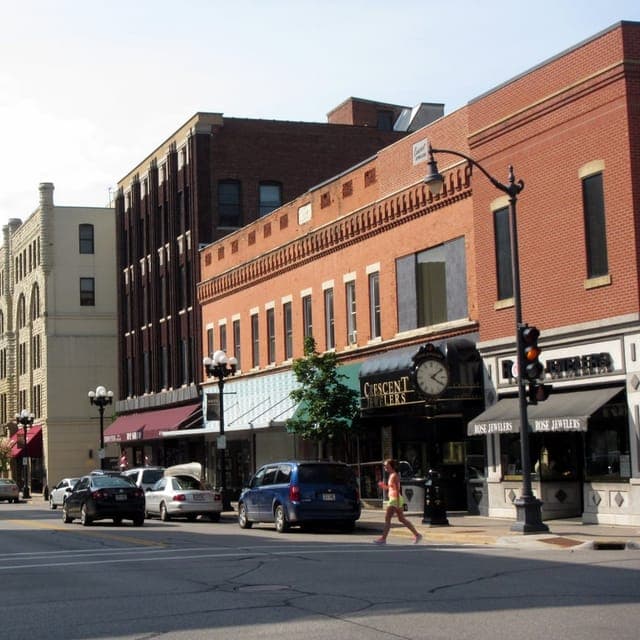
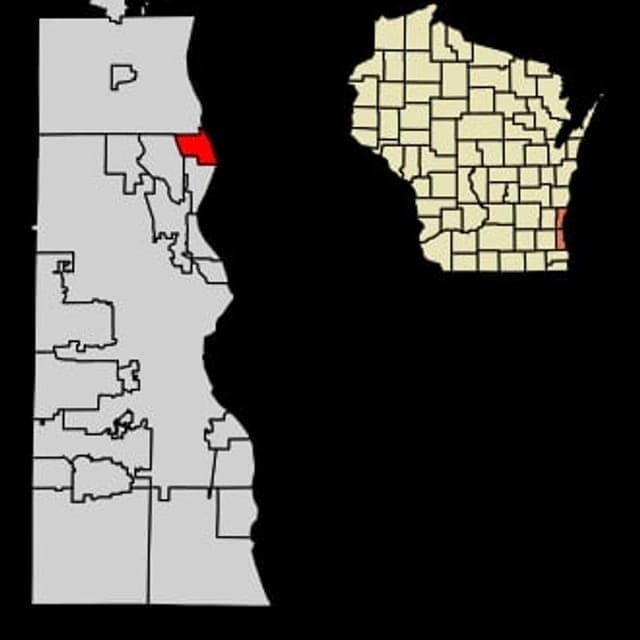
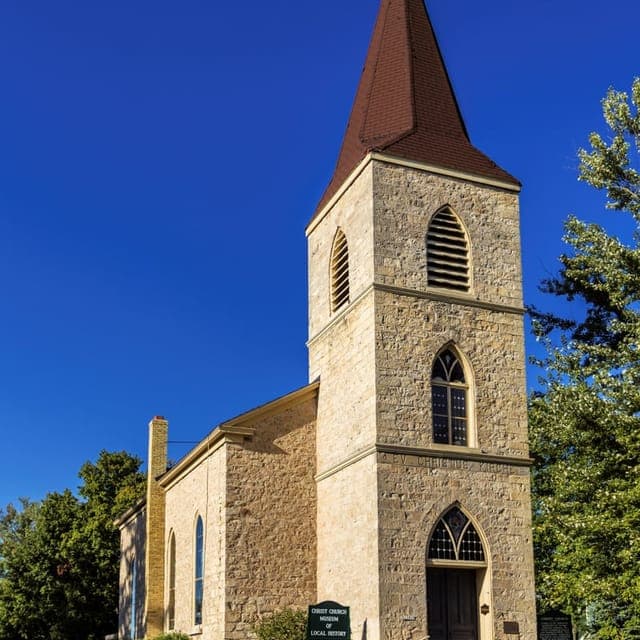
Top Cities for Quality of Life in Wisconsin



* Values derived from national, state, county, city and local statistics and may differ in a specific area. Last updated: 2026-04-19T01:54:13.000Z
Narrative content on this page is AI-generated and may contain mistakes. Verify any details that matter before acting on them.
ReloMaps may earn a commission from affiliate links at no extra cost to you.

